
 OilWallArtBaroque, Decorative Arts
 1653Late Medieval
 59.0 x 25.0 cm
 프릭 미술관
빠른 제작과 다양한 마감 옵션을 제공하는 박물관 품질의 지클레이 또는 캔버스 프린트. ( 수제 페인팅으로 전환하기 이미지로 전환)





























작품의 원본 비율을 유지하는 미리 설정된 크기 중에서 선택하세요.

특정 프레임이나 공간에 맞춰 직접 치수를 입력하실 수 있습니다. 선택하신 사이즈가 원본 이미지의 비율과 일치하지 않을 경우, 작품을 크롭(자르기)하거나 이미지를 대칭 또는 단색 채우기로 확장하여 제작합니다. 제작 시작 전, 최종 확인을 위해 디지털 목업이 전송됩니다.
화면상의 미리보기는 실제 크롭이나 확장 상태를 반영하지 않으므로, 최종 구도는 오직 목업을 통해서만 정확하게 확인하실 수 있습니다.
맞춤 사이즈 제작도 가능하지만, 원본 비율을 유지하기 위해서는 사전 정의된 목록에서 치수를 선택하시는 것을 권장합니다.

Table Clock with Astronomical and Calendrical Dials
복제본 크기
David Mark Weber's "Table Clock with Astronomical and Calendrical Dials," crafted around 1653, is more than just a timepiece; it’s a miniature universe captured in silver, brass, and meticulously chased detail. Produced during the height of Augsburg’s clockmaking prowess – a period renowned for its blend of artistry and technical innovation – this remarkable piece offers a rare glimpse into the intellectual curiosity and artistic skill of 17th-century Europe. The Frick Collection's acquisition of this exceptional clock reveals not only a masterful example of horological engineering but also a profound engagement with the cosmos, reflecting a time when understanding the heavens was both a scientific pursuit and a deeply spiritual endeavor.
The clock’s design immediately commands attention. Its towering form, reminiscent of a miniature astronomical observatory, is far removed from the commonplace table clocks of the era. The dominant central dial, an astrolabe, dominates the front panel, showcasing twenty-one star pointers meticulously arranged to chart the positions of celestial bodies. Two concentric hands, one representing the sun and the other the moon, track their movements across the heavens with remarkable precision. Beneath this grand display lies a smaller alarm dial, hinting at the clock’s practical function – a reminder of earthly time alongside the vast expanse of the universe.
Weber's skill isn't merely confined to the intricate mechanics; it’s evident in every facet of the clock’s surface. The case is adorned with a breathtaking array of floral arrangements and figures, rendered using two distinct techniques – chasing and repoussé. Chasing involves pushing the malleable metal inward, creating delicate grooves and textures that mimic the appearance of foliage and petals. Repoussé, conversely, employs hammering from the reverse side to raise designs in relief, adding depth and dimensionality to the sculpted elements. The result is a surface teeming with life – miniature roses, leaves, and even stylized human figures emerge from the metal, demonstrating Weber’s exceptional control over his materials and his ability to translate complex designs into tangible form.
The use of silver and brass further enhances the clock's visual impact. Silver, prized for its luster and reflectivity, provides a luxurious backdrop for the intricate details, while brass offers a warm, golden hue that complements the overall aesthetic. The combination creates a rich, opulent effect, suggesting the wealth and status associated with owning such an elaborate timepiece.
Beyond its beauty and craftsmanship, the clock serves as a fascinating window into the intellectual climate of the mid-17th century. The inclusion of astronomical dials – displaying not only the time but also the positions of the sun, moon, and stars – reflects a burgeoning interest in astronomy and a desire to understand the mechanics of the universe. The calendrical dials provide information about the date, lunar phases, and even astrological signs, demonstrating a holistic approach to knowledge that sought to integrate celestial observations with earthly events.
Furthermore, the clock’s design aligns with the broader trends in European art and science during this period. Augsburg was a major center for both clockmaking and scientific innovation, attracting skilled artisans and scholars from across Europe. Weber's clock embodies this spirit of intellectual curiosity and artistic experimentation, representing a culmination of centuries of tradition and a testament to the enduring human fascination with time, space, and the cosmos.
Today, reproductions of David Weber’s “Table Clock with Astronomical and Calendrical Dials” continue to captivate collectors and interior designers alike. The clock's intricate detail, rich materials, and profound symbolism make it a truly exceptional piece – one that transcends its functional purpose to become a work of art in its own right. Whether displayed as a statement piece in a grand salon or incorporated into a more intimate setting, this remarkable timepiece serves as a reminder of the ingenuity and artistry of a bygone era.
To encounter the creative essence of David Mark Weber is to step into a meticulously constructed cosmos where the boundaries between history and the future dissolve. Born on October 24, 1952, in Cleveland, Ohio, Weber emerged not merely as a storyteller, but as an architect of vast, interstellar landscapes. His journey began long before his professional debut, ignited by a childhood passion for narrative that took root in the fifth grade. This early spark, nurtured by a lineage of intellectual curiosity—including a mother who was a college English teacher and an advertising professional—allowed him to develop a profound sensitivity to the rhythms of language and the structural complexities of world-building. His formative years, spent navigating the worlds of copywriting, typesetting, and proofreading, instilled in him a craftsman’s precision, a quality that would later define the granular detail of his sprawling universes.
The literary landscape of the late twentieth century found in Weber a transformative voice, particularly within the realms of military science fiction and fantasy. His debut in 1989, a collaborative effort with Steve White, signaled the arrival of a creator capable of blending the tactical rigor of naval warfare with the sweeping emotional arcs of political intrigue. This period marked the genesis of his most enduring legacy: the Honorverse. Through the character of Honor Harrington, Weber introduced a protagonist who navigated the treacherous waters of interstellar politics and combat with a strength that challenged traditional genre tropes. His work echoes the grand, character-driven legacies of masters like Robert A. Heinlein and C.J. Cherryh, yet it possesses a unique signature characterized by its deep reverence for historical naval traditions and the intricate machinations of statecraft.
The true brilliance of Weber’s oeuvre lies in his ability to breathe life into the inanimate, turning starships, planetary systems, and alien cultures into living, breathing entities. His magnum opus, the Honor Harrington series, serves as a masterclass in sustained world-building, where every technological advancement and political treaty feels earned through the weight of history. Beyond this flagship achievement, his creative reach extends into the Safehold series and various standalone explorations such as Apocalypse Troll and Exodus: Endgame. Each work is a testament to his ability to weave complex sociological threads into the fabric of high-stakes adventure, creating a sense of "lived-in" reality that captivates the imagination.
The significance of Weber’s contribution to modern speculative fiction cannot be overstated. He has mastered the art of the "techno-thriller" in space, utilizing his deep understanding of logistics and command to ground his fantastical elements in a palpable sense of realism. His influence permeates the genre, inspiring a generation of readers to look toward the stars not just as a void to be feared, but as a canvas for complex human drama. As his archives continue to inspire new interpretations of science fiction art and literature, Weber remains a cornerstone of the genre—a creator whose imaginative blueprints continue to expand the boundaries of what we believe possible in the far reaches of the galaxy.

1952 - , United States of America

Explore the life & art of Jacques-Louis David, leading Neoclassical painter of the French Revolution. Discover iconic works like 'The Death of Marat' and his lasting impact on art history. Expert analysis & high-quality reproductions at TopImpressionists.

Explore the captivating world of Gerard David, a pivotal figure bridging late medieval artistry with the Early Renaissance. Discover his innovative techniques, religious masterpieces, and enduring legacy – a must-read for discerning art collectors.

Explore the groundbreaking work of David Bomberg, a pivotal figure in British abstraction. Discover his artistic evolution, influences, and lasting legacy through insightful analysis & expert commentary.
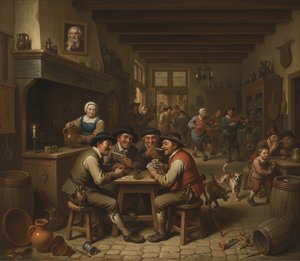
Explore the captivating world of David Teniers II, a leading Flemish Baroque painter renowned for his lively genre scenes & insightful social commentary. Discover his masterpieces and legacy with TopImpressionists.

Explore the captivating landscapes of David Cox the Elder, a pivotal figure in British Romanticism. Discover his masterful watercolour techniques, enduring legacy & find timeless art for your home at TopImpressionists.


최신 미술 뉴스, 특별 혜택 및 인테리어 아이디어를 가장 먼저 만나보세요.
프로젝트에 대해 알려주시면 저희 미술 전문가들이 맞춤형 아트 제안 3가지를 전달해 드립니다.
당신만을 위한 맞춤형 옵션 3가지를 무료로 추천해 드립니다!


 미리보기
미리보기
 공유하기
공유하기 공유하기
공유하기
 상세 정보
상세 정보

 다운로드
다운로드
 유사 작품
유사 작품 X-레이
X-레이 슬라이드 쇼
 더 보기
더 보기









 유리 옵션은 110cm 미만 크기에서만 선택 가능합니다.


