


 실제 크기로 보기
 보내기
보내기 공유하기
공유하기
 상세 보기
상세 보기 가이드 보기

 이미지 다운로드
 유사 작품 더 보기
 X-레이
X-레이 슬라이드 쇼 보기
 통계 정보
통계 정보The Lomond Hills
 Impressionism
 1926
1926 51.0 x 61.0 cm
Admire Douglas Gordon Shields’ "The Lomond Hills" (1926). This impressionistic landscape captures serene Scottish hills & village life with visible brushstrokes & atmospheric depth.
Explore the evocative portraits & landscapes of Douglas Gordon Shields, renowned Scottish painter capturing Victorian society & natural beauty. Discover his legacy!
 상세 보기
상세 보기
이 페이지에 표시된 작품은 저작권법의 보호를 받으며, 이에 따라 동일한 복제품을 제작하거나 판매하는 것은 법으로 금지되어 있습니다. 이러한 권리 보호는 다음과 같은 국제 협약에 따라 시행됩니다. 베른 협약 또한 다음에서 명시하는 법률을 포함한 국내법에 의해 보호됩니다. 미국 저작권법 제17조.
이 방식은 저작권 보호를 받는 예술 작품을 복제하거나 그대로 재현하는 것이 아니기에 저작권 규정을 완벽히 준수합니다. 대신, 이는 창의적인 재해석의 과정을 거칩니다. 즉, 원작에서 영감을 받되 원작과 동일하지 않은 새로운 회화 작품을 의미합니다.
지클레 / 아트 프린트
빠른 제작과 다양한 마감 옵션을 선택할 수 있는 박물관 수준의 지클레이 및 캔버스 프린트. ( 수작업 채색 복제본 주문하기 디지털 이미지 판매 채널로 전환)




































표준 규격
맞춤 제작
CM
INCH
작품의 원본 비율을 그대로 유지하는 프리셋 사이즈 중에서 선택해 보세요.
Loading sizes...

가로 너비
높이
액자나 벽면 크기에 맞춰 필요한 가로와 세로 길이를 입력해 주세요. 프린트는 원본 이미지보다 크게 제작할 수 없으며 오직 자르는 것만 가능하므로, 비율이 다른 사이즈를 선택할 경우 이미지의 일부가 잘려 나갈 수 있습니다. 인쇄 작업에 들어가기 전, 최종 확인을 위해 디지털 목업을 보내드립니다. 이 페이지에 표시된 이미지는 실제 잘리는 영역을 나타내지 않으며, 오직 목업을 통해서만 정확한 확인이 가능합니다.


 유리 옵션은 110cm 미만 크기에서만 선택 가능합니다.

The Lomond Hills
지클레 / 아트 프린트
복제본 규격
-


총 결제 금액
₩ 94169
관련 작품들


작가 소개
The Visionary of the Highlands: The Life and Art of Douglas Gordon Shields
In the tapestry of Scottish art history, few threads are as richly colored or as evocative as those woven by Douglas Gordon Shields. Born in Glasgow in 1888, Shields emerged during a transformative era, a time when the lingering romanticism of the Victorian age began to dance with the burgeoning light and movement of modernism. His life, spanning from the late nineteenth century to his passing in 1940, serves as a bridge between two worlds: the disciplined, academic traditions of the Glasgow School of Art and the ethereal, atmospheric freedom of Impressionism. To look upon a Shields canvas is to witness a profound dialogue between the meticulous observation of reality and the emotional resonance of the Scottish landscape.
Shields’ artistic foundation was laid within the prestigious halls of the Glasgow School of Art, where he immersed himself in the rigorous techniques of academic painting. This period of his life was defined by a disciplined pursuit of mastery, learning to render textures, light, and form with an almost scientific precision. His early training instilled in him a reverence for detail that would later allow him to excel in the demanding genre of portraiture. As he began to establish his reputation, Shields became a sought-after chronicler of the Scottish elite. His portraits were far more than mere likenesses; they were psychological studies imbued with dignity and grace. Whether capturing the stern resolve of an industrialist or the delicate elegance of a lady, such as in his hauntingly beautiful The Lady in the Blue Cloak, Shields possessed a rare ability to translate the very essence of his subjects onto the canvas through subtle tonal gradations and masterful handling of fabric.
A Symphony of Light and Landscape
While the structured world of portraiture provided him with professional prominence, it was the wild, untamed beauty of the Scottish Highlands that truly captured Shields’ soul. As his career progressed, a stylistic metamorphosis began to take hold, driven by an undeniable passion for the fleeting moments of nature. Influenced by the luminous innovations of Claude Monet and Frédéric Bazille, Shields moved away from the rigid boundaries of academic realism toward the soft, breathing edges of Impressionism. He began to prioritize the way light dances across a glen or how mist clings to a mountain peak, favoring loose, expressive brushstrokes over exacting lines.
This shift allowed him to create works that felt less like static images and more like living memories. His depictions of the Lomond Hills stand as quintessential examples of this late-period mastery. In these landscapes, one can sense the atmospheric depth and the vibrant, shifting color palettes that convey a profound sense of immediacy. He did not merely paint the land; he painted the air surrounding it, the moisture in the breeze, and the quiet, rhythmic pulse of Highland life. This ability to blend the structural integrity of his early training with an Impressionistic sensitivity to light is what elevates his landscape work from mere scenery to poetic expression.
Legacy and Artistic Significance
The oeuvre of Douglas Gordon Shields, comprising approximately 150 significant paintings, remains a testament to a life dedicated to the pursuit of visual truth. His significance lies in his unique position as a transitional figure who could navigate the complexities of both the formal and the fluid. He honored the traditions of his predecessors—the Pre-Raphaelite aesthetics and Romantic idealism that shaped his youth—while fearlessly embracing the modern impulse to capture the ephemeral.
Today, his work continues to resonate with those who seek the sublime in the natural world and the profound in the human countenance. His legacy is found in:
- The mastery of texture: His ability to render the weight of velvet and the roughness of stone with equal brilliance.
- Atmospheric storytelling: The way his landscapes evoke the specific, haunting moods of the Scottish climate.
- Cultural preservation: His role in documenting the faces and the vistas of a Scotland caught between the Victorian era and the modern age.
Through his eyes, we are invited to rediscover the Highlands not just as a geographical location, but as an emotional landscape of light, shadow, and enduring beauty.

작가 정보 요약
- Artistic Movement Or Style: Victorian Art
- Artists Or Movements Influenced By This Artist: ['Impressionism']
- Artists Who Influenced This Artist: ['Pre-Raphaelites']
- Date Of Birth: 1888
- Full Name: Douglas Gordon Shields
- Nationality: Scottish
- Notable Artworks:
- The Lady in the Blue Cloak
- Glassford Walker
- The Lomond Hills
- Place Of Birth: Glasgow, Scotland
관련 기사
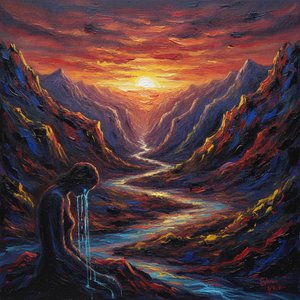
Capturing Emotion: A Journey Through the Soul of Expressionist Landscapes
Explore the profound emotional depth of Expressionist landscapes. Discover how Post-Impressionist masters moved beyond light to capture the soul through vibrant color and form. A curated journey for true art lovers seeking the beauty of expressive mastery.

Whispers of the Meadow: Capturing the Serenity of the Quiet Countryside in Impressionist Masterpieces
Embark on a visual journey through Impressionist masterpieces. Discover how masters like Monet and Renoir captured the serene beauty of the countryside through light, color, and emotion. Explore timeless landscapes designed to bring tranquility and cultural elegance to your home sanctuary.

Beyond the Light: Capturing Raw Emotion and Subjective Vision in Post-Impressionist Landscapes
Explore the profound emotional depth of Post-Impressionist landscapes. Discover how masters like Van Gogh moved beyond light to capture raw human feeling through vibrant color and expressive texture in this expert art history retrospective.

Capturing the Soul: The Most Emotionally Moving Impressionist and Post-Impressionist Masterpieces
Discover the profound emotional depth of Impressionist and Post-Impressionist masterpieces. Explore how legends like Monet, Van Gogh, and Gauguin captured light and soul through evocative landscapes and vibrant brushwork for a timeless connection to art history.