

 실제 크기로 보기
 보내기
보내기 공유하기
공유하기
 상세 보기
상세 보기 가이드 보기

 이미지 다운로드
 유사 작품 더 보기
 X-레이
X-레이 슬라이드 쇼 보기
 통계 정보
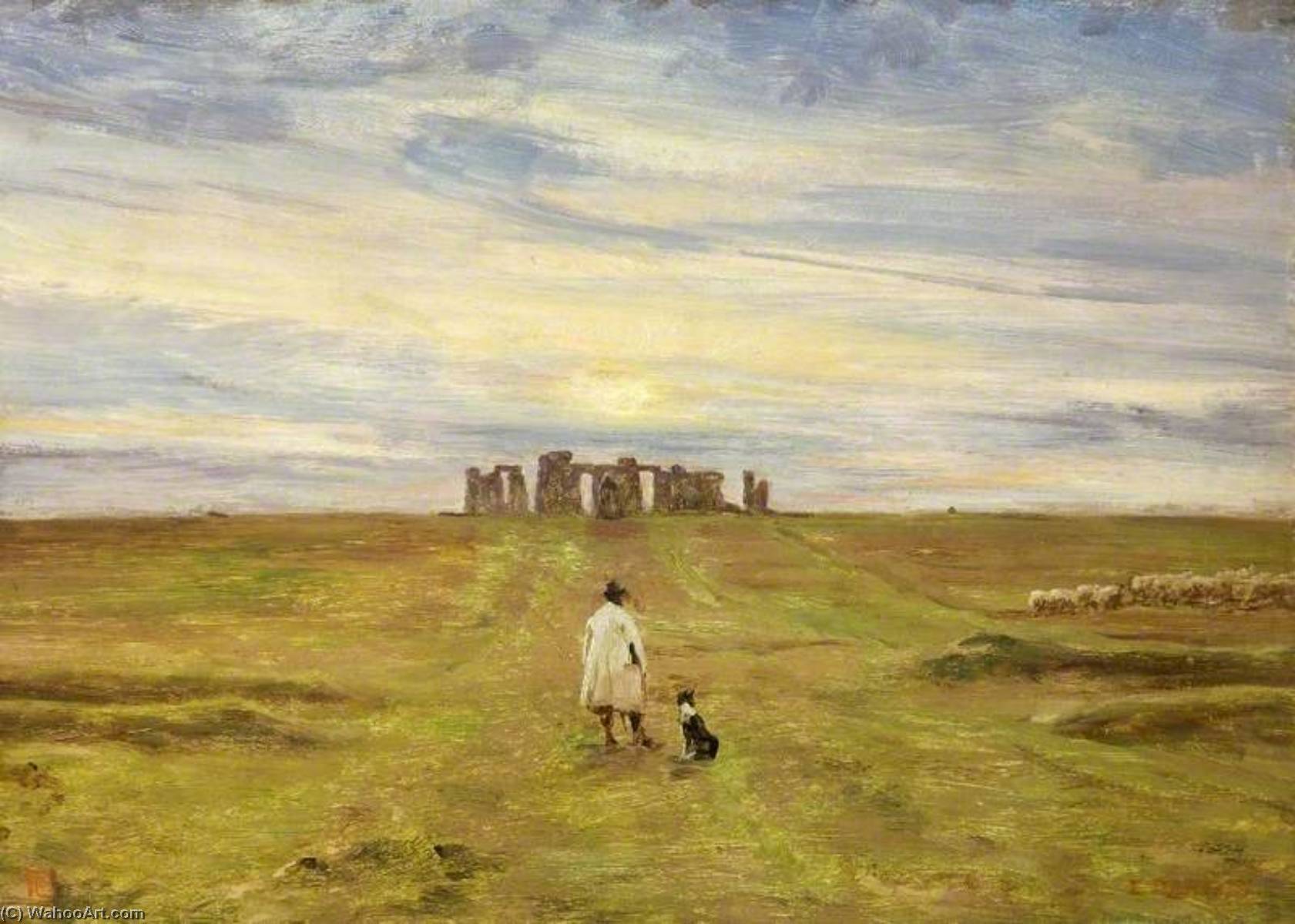
통계 정보Approach
 23.0 x 32.0 cm
 Salisbury Library - Galleries
Discover Edgar Barclay's captivating landscape paintings & genre scenes. Known for his depictions of rural life, Stonehenge, and atmospheric light, Barclay offers a glimpse into 19th-century England. Explore his art today!
 상세 보기
상세 보기
핸드메이드 유화 복제화
작가가 직접 캔버스에 손으로 그린 유화 작품으로, 원하는 크기와 액자로 맞춤 제작해 드립니다. ( 프린트 판매로 전환 디지털 이미지 판매 채널로 전환)




































표준 규격
맞춤 제작
CM
INCH
작품의 원본 비율을 그대로 유지하는 프리셋 사이즈 중에서 선택해 보세요.
Loading sizes...

가로 너비
높이
액자나 벽면 크기에 맞춰 필요한 가로와 세로 길이를 입력해 주세요. 본 작품은 수작업으로 제작되므로, 요청하신 비율에 따라 작가가 그림의 가장자리를 조금 더 넓게 그리거나 일부를 조정하여 작업할 수 있습니다. 작업 시작 전, 최종 확인을 위해 디지털 목업 이미지를 보내드립니다. 이 페이지에 표시된 이미지는 실제 결과물과 다를 수 있으며, 오직 목업 이미지만이 정확한 결과물을 보여줍니다.
변경 가능한 예시: 얼굴을 고객님의 사진으로 교체, 반려동물 추가(예: 고양이를 강아지로 변경), 배경에 숨겨진 메시지 삽입, 배경 풍경 또는 요소 변경 등
주문 완료 후 TopImpressionists.com 팀에서 상세 안내를 위해 고객님께 이메일을 보내드리며, 미리보기 시안을 함께 제공해 드립니다.
주문 완료 후 TopImpressionists.com 팀에서 상세 안내를 위해 고객님께 이메일을 보내드리며, 미리보기 시안을 함께 제공해 드립니다.


 유리 옵션은 110cm 미만 크기에서만 선택 가능합니다.

Approach
재현 매체
복제본 규격
-


총 결제 금액
₩ 364339
작가 소개
A Chronicler of Rural England: The Life and Art of Edgar Barclay
Edgar Barclay, born in 1842 and passing in 1913, remains a compelling figure within the pantheon of Victorian landscape and genre painters. Though not as widely celebrated as some of his contemporaries, Barclay’s work offers a particularly poignant window into the changing face of rural England during a period of significant social and agricultural upheaval. His canvases are imbued with a quiet dignity, capturing scenes of everyday life in Wiltshire and beyond with meticulous detail and an atmospheric sensitivity that speaks to a deep connection with the land and its people. While biographical details surrounding Barclay’s early life remain somewhat scarce, it is known he dedicated his artistic career to portraying the beauty and hardship inherent in agricultural existence, often focusing on the timeless monument of Stonehenge as a backdrop or central motif.Early Influences and Artistic Development
Barclay's artistic journey unfolded during a period when Realism was gaining prominence, challenging the idealized depictions favored by earlier generations. While direct influences are difficult to pinpoint definitively, his work shares affinities with artists like John Constable and Frederick Cordingley, both known for their faithful representations of the English countryside. However, Barclay’s palette is often softer, more muted than Constable's vibrant hues, leaning towards a tonal quality that emphasizes mood and atmosphere. He wasn’t concerned with grand historical narratives or mythological subjects; instead, he found his inspiration in the ordinary – farmers tending their fields, laborers at work, livestock grazing under expansive skies. This focus on the quotidian suggests an early embrace of the principles of Realism, coupled with a distinctly personal sensibility that prioritized emotional resonance over strict photographic accuracy. His initial training likely involved traditional academic methods, providing him with a solid foundation in draftsmanship and composition, but he quickly developed a style uniquely his own – one characterized by careful observation and a subtle poeticism.The Wiltshire Landscapes: A Recurring Theme
Wiltshire became synonymous with Barclay’s artistic output. The rolling hills, ancient stone circles, and agricultural landscapes provided an endless source of inspiration. He wasn't merely documenting the scenery; he was capturing a way of life inextricably linked to the land. Stonehenge itself appears frequently in his work, not as a majestic ruin isolated from its surroundings, but as an integral part of the living landscape – often dwarfed by the vastness of the sky or framed by working farms and grazing animals. This juxtaposition is significant; it suggests Barclay’s awareness of the passage of time and the enduring power of nature in contrast to human endeavors. His paintings of Stonehenge are not archaeological studies, but rather evocative meditations on history, memory, and the cyclical rhythms of life. Beyond Stonehenge, his depictions of rural Wiltshire life – harvesting scenes, sheep shearing, market days – offer a valuable glimpse into the daily routines and challenges faced by agricultural communities during the late 19th century.Genre Scenes and Social Commentary
While celebrated for his landscapes, Barclay also produced a significant body of genre paintings depicting rural life. These works are notable for their sensitivity and lack of overt sentimentality. He avoids romanticizing poverty or portraying agricultural workers as idealized figures; instead, he presents them with dignity and respect, capturing the weariness and resilience etched on their faces. His scenes often depict moments of quiet labor, emphasizing the physical demands of farm work and the close connection between people and the land. There’s a subtle social commentary woven into these paintings – a recognition of the hardships faced by rural communities and the changing dynamics of agricultural society. He doesn't offer solutions or explicit critiques, but rather invites viewers to contemplate the realities of life beyond the confines of urban centers. The atmospheric light in his genre scenes is particularly noteworthy, often casting long shadows that emphasize the passage of time and the weight of labor.Legacy and Historical Significance
Edgar Barclay’s work, while not achieving widespread fame during his lifetime, continues to resonate with contemporary audiences. His paintings offer a valuable historical record of rural England during a period of significant change, providing insights into agricultural practices, social structures, and the daily lives of working communities.- His meticulous attention to detail and atmospheric sensitivity make his landscapes particularly compelling.
- His genre scenes are notable for their dignity and lack of overt sentimentality.
- The recurring motif of Stonehenge adds a layer of historical depth and poetic resonance to his work.

Edgar Barclay
1842 - 1913
작가 정보 요약
- Artistic Movement Or Style: Romanticism
- Artists Or Movements Influenced By This Artist: ['Hudson Lowe']
- Artists Who Influenced This Artist: ['John Constable']
- Date Of Birth: 1842
- Date Of Death: 1913
- Full Name: Edgar Barclay
- Nationality: British
- Notable Artworks:
- March Hares
- Durrington Stone, Wiltshire, Moonrise
- Place Of Birth: Wiltshire, England