


 실제 크기로 보기
 보내기
보내기 공유하기
공유하기
 상세 보기
상세 보기 가이드 보기

 이미지 다운로드
 유사 작품 더 보기
 X-레이
X-레이 슬라이드 쇼 보기
 통계 정보
통계 정보Au Paradis


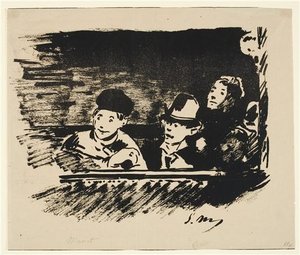
Explore Édouard Manet’s ‘Au Paradis,’ a captivating monochrome depiction of three figures in a dimly lit room, capturing the essence of Parisian life and artistic innovation.
 상세 보기
상세 보기
에두아르 마네(1832-1883), 사실주의와 인상주의를 잇는 선구자! '피크닉 하는 사람들', '올림피아' 등 현대 파리의 삶을 대담하게 담아낸 작품들을 만나보세요. 현대 미술의 흐름을 바꾼 혁신적인 화가입니다.
핸드메이드 유화 복제화
작가가 직접 캔버스에 손으로 그린 유화 작품으로, 원하는 크기와 액자로 맞춤 제작해 드립니다. ( 프린트 판매로 전환 디지털 이미지 판매 채널로 전환)




P118B ₩10

P118H ₩10

P118W ₩10

P438Z ₩10

P508JH ₩12

P508YH ₩12

P805H ₩10

P805Z ₩10

P919BZ ₩10

P919G ₩10

P919XJ ₩10

P959ZH ₩10

P968JZ ₩12

W106C ₩8

W218G ₩10

W218JH ₩8

W218Y ₩10

W307PJ ₩10

W316G ₩10

W316PJ ₩8

W316Y ₩10

W398PJ ₩8

W4111J ₩10

W500HY ₩15

W500JH ₩15

W692G ₩12

W849H ₩8

W940BG ₩15

W953PJ ₩8




표준 규격
맞춤 제작
CM
INCH
작품의 원본 비율을 그대로 유지하는 프리셋 사이즈 중에서 선택해 보세요.
Loading sizes...

가로 너비
높이
액자나 벽면 크기에 맞춰 필요한 가로와 세로 길이를 입력해 주세요. 본 작품은 수작업으로 제작되므로, 요청하신 비율에 따라 작가가 그림의 가장자리를 조금 더 넓게 그리거나 일부를 조정하여 작업할 수 있습니다. 작업 시작 전, 최종 확인을 위해 디지털 목업 이미지를 보내드립니다. 이 페이지에 표시된 이미지는 실제 결과물과 다를 수 있으며, 오직 목업 이미지만이 정확한 결과물을 보여줍니다.
변경 가능한 예시: 얼굴을 고객님의 사진으로 교체, 반려동물 추가(예: 고양이를 강아지로 변경), 배경에 숨겨진 메시지 삽입, 배경 풍경 또는 요소 변경 등
주문 완료 후 TopImpressionists.com 팀에서 상세 안내를 위해 고객님께 이메일을 보내드리며, 미리보기 시안을 함께 제공해 드립니다.
주문 완료 후 TopImpressionists.com 팀에서 상세 안내를 위해 고객님께 이메일을 보내드리며, 미리보기 시안을 함께 제공해 드립니다.


 유리 옵션은 110cm 미만 크기에서만 선택 가능합니다.

Au Paradis
재현 매체
복제본 규격
-


총 결제 금액
₩ 364339
A Quiet Encounter in the Shadows of Modernity
In the soft, muted depths of Édouard Manet’s Au Paradis, we are invited into a space that feels both profoundly intimate and hauntingly distant. This evocative work, often referred to as In the Upper Gallery, captures a fleeting moment of stillness within the bustling heart of nineteenth-century Paris. At first glance, the composition presents a trio of figures seated in a dimly lit interior, their presence anchored by a central chair that commands the viewer's attention. There is an undeniable sense of mystery held within the scene; the faces of the subjects remain partially obscured or subdued, leaving much to the imagination of the observer. As light filters through the room, it casts gentle shadows that soften the contours of the figures, creating an atmosphere of quiet introspection and a lingering, melancholic beauty that resonates deeply with anyone drawn to the poetic nuances of the human condition.
The technical mastery of Manet is on full display through his pioneering approach to light and texture. Eschewing the rigid, polished perfection demanded by the academic salons of his era, Manet embraced a more spontaneous, impressionistic technique. His brushwork is remarkably fluid, particularly around the periphery of the canvas, where edges seem to dissolve into the surrounding atmosphere. This deliberate lack of sharp definition serves a greater purpose: it captures the ephemeral quality of light as it interacts with the heavy, muted tones of browns and creams that dominate the palette. For the discerning collector or interior designer, this technique offers a sophisticated textural depth, making the piece an ideal focal point for spaces that require a sense of understated elegance and historical weight.
Symbolism and the Pulse of Parisian Life
Beyond its visual allure, Au Paradis serves as a profound window into the social anxieties of the Second Industrial Revolution. During this period, Paris was undergoing a radical transformation, with rapid modernization reshaping the urban landscape and the very fabric of social interaction. Manet, a rebel at heart, used his art to navigate these shifts. The central chair in the composition acts as more than just furniture; it is a powerful symbol of repose and contemplation amidst a world in flux. It represents a sanctuary of stillness in an age of unprecedented movement. The figures themselves, though enigmatic, embody the burgeoning disillusionment and the quiet, private moments of connection that persisted even as the external world grew increasingly frenzied.
To possess a reproduction of this masterpiece is to bring a piece of art history’s most transformative era into one's personal environment. The emotional impact of the work lies in its ability to evoke nostalgia and a sense of timelessness. It does not merely depict a scene; it invites a mood. Whether placed in a contemporary gallery-style living room or a classic study, Au Paradis provides a sophisticated narrative layer to any interior design scheme. It offers an opportunity for reflection, prompting guests and residents alike to pause and contemplate the delicate balance between the public spectacle of modern life and the private, sacred spaces we cultivate within ourselves.
질의응답
에두아르 마네의 "Au Paradis"의 색채는 얼마나 조화로운가요?
에두아르 마네의 "Au Paradis"의 색채는 Unified Palette 조화를 보여줍니다. 조화란 색상들이 서로 어떻게 어우러지는지를 의미합니다.
"Au Paradis"의 작가는 누구이며, 어떤 사조에 속하나요?
"Au Paradis"의 뒤에는 에두아르 마네와 Impressionistic Realism 운동이 자리하고 있습니다.
에두아르 마네의 "Au Paradis" 작품은 어떤 공간에 추천하시나요?
에두아르 마네의 "Au Paradis"은(는) Living Room에 추천하는 작품입니다. 이 제안은 작품의 주제, 색상 및 분위기를 바탕으로 합니다.
관련 작품들






작가 소개
파리 예술의 반항아: 에두아르 마네의 삶과 예술
에두아르 마네는 1832년, 파리의 부유한 시민 가정에서 태어났습니다. 그의 아버지는 존경받는 판사이자, 마네에게 법조계나 해군에서의 안정적인 미래를 꿈꿨지만, 젊은 시절부터 그림에 대한 열정을 품고 있었습니다. 열한 살 때 정식으로 드로잉 수업을 시작했고, 토마스 퀴투르의 제자가 되었으나 그의 엄격하고 전통적인 방식에 곧 좌절감을 느꼈습니다. 이러한 초기 저항은 예술적 관습에 끊임없이 도전하는 평생을 예고했던 것입니다. 마네는 과거를 단순히 복제하는 데 관심이 없었고, 오히려 현대 파리인의 생동감과 때로는 불편한 현실까지 포착하고자 했습니다. 그는 루브르 박물관을 자주 방문하여 고대 거장들의 작품을 모사하기보다는 그들의 기법을 해부하며 빛과 그림자가 형태를 조각하고 감정을 불러일으키는 방식을 연구했습니다. 특히, 쿠르베가 주창한 사실주의의 등장으로 마네의 창작 활동은 더욱 활기를 띠게 되었습니다. 쿠르베의 일상적인 삶에 대한 이상화 없는 묘사는 마네에게 깊이 공감되었고, 역사나 신화적 주제로부터 그를 해방시켜주었습니다.전통과의 단절: 스캔들과 혁신
1860년대는 파리에서 격렬한 예술적 변화가 일어나는 시기였으며, 마네는 그 중심에 있었습니다. 일본 판화인 *우키요에*의 등장으로 그의 미학적 감성은 크게 영향을 받았습니다. 그는 평면적인 원근법, 대담한 구도, 그리고 뚜렷한 색상 사용과 같은 요소들에 매료되었고, 이러한 요소들은 곧 그의 작품 스타일의 특징이 되었습니다. 이러한 영향과 함께 학문적 완벽함을 거부하는 경향은 파리 예술계를 충격과 스캔들을 일으키는 작품들을 탄생시켰습니다. 1863년 ‘거부당한 화가들의 살롱’에서 전시된 <풀밭 위의 점심>(Le Déjeuner sur l'herbe)은 논란의 중심에 섰습니다. 두 명의 옷을 입은 남성과 함께 피크닉을 즐기는 여성 누드의 모습은 당시 사회의 도덕적 관념과 충돌하며 큰 파장을 일으켰습니다. 마네는 전통적인 누드화에서처럼 이상화된 형태나 신화적 맥락이 아닌, 현대인의 모습을 그대로 묘사했기 때문입니다. <올림피아>(Olympia) 역시 1865년 살롱에서 전시되면서 엄청난 논쟁을 불러일으켰습니다. 티치아노의 *우르비노의 비너스*를 재해석한 이 작품은 현대의 매춘부가 대담하게 시선을 응시하는 모습을 담고 있었으며, 이는 당시 관객들에게 충격과 혐오감을 안겨주었습니다. 비평가들은 마네에게 무례함과 예술적 무능함을 비난했지만, 그 속에는 그의 그림 언어가 근본적으로 변화하고 있다는 인식이 숨어 있었습니다.인상주의를 향한 다리: 빛, 붓놀림 그리고 현대의 삶
마네는 스스로를 ‘인상주의자’로 규정하지 않았지만, 그의 영향력은 이 운동에 지대한 영향을 미쳤습니다. 그는 학문적 관습을 거부하고 빛과 대기의 일시적인 효과를 포착하려는 인상주의자들의 노력과 공통점을 공유했습니다. 모네, 르누아르, 드가 등과 함께 독립 전시회에 참여하며 아방가르드 예술계의 핵심 인물로서 그의 위치를 확고히 했습니다. 마네는 점차 더 자유로운 붓놀림을 추구하여 정확한 디테일보다 형태의 인상을 우선시했습니다. 그는 색채를 실험적으로 사용하며 극적인 효과를 내기 위해 강렬한 대비를 활용했습니다. 누드화 외에도, 그의 작품은 다양한 주제를 다루었습니다. 아내 수잔과 동료 예술가 에밀 졸라의 초상, 폴리-베르제르의 밤 문화 풍경인 <폴리-베르제르의 술집>, 그리고 현대 도시 생활의 고독과 광경을 묘사한 작품들이 있습니다. 그는 단순히 이러한 주제를 기록하는 것이 아니라, 사회적 규범에 도전하고 아름다움에 대한 기존의 개념을 질문했습니다.유산과 지속적인 영향
1883년 매독으로 인한 조기 사망은 이미 미술사의 흐름을 바꿔놓았던 그의 경력을 짧게 만들었지만, 그의 영향력은 젊은 예술가들에게 즉각적으로 느껴졌습니다. 그는 전통적인 주제, 기법 및 예술적 목적에 대한 장벽을 허물며 해방감을 선사했습니다.- 현대 생활의 포착에 대한 그의 강조는 인상주의와 후기 인상주의를 위한 길을 열었습니다.
- 그의 혁신적인 붓놀림과 색채 사용은 수많은 화가 세대에 영향을 미쳤습니다.
- 불편한 진실에 맞서 싸우려는 그의 의지는 관객들에게 자신의 가정에 대해 질문하도록 강요했습니다.

에두아르 마네
1832 - 1883 , 프랑스
작가 정보 요약
- 국적: 프랑스인
- 대표작:
- déjeuner sur l'herbe
- Olympia
- A Bar at the Folies-Bergère
- 사망일: 1883년 4월 30일
- 영향을 받은 예술가:
- 클로드 모네
- 피에르 오귀스트 르누아르
- 드가
- 영향을 준 예술가:
- 카라바지오
- 벨라스케스
- 구스타브 쿠르베
- 예술 사조: 사실주의, 인상주의
- 전체 이름: 에두아르 마네
- 출생일: 1832년 1월 23일
- 출생지: 파리, 프랑스
관련 기사

에두아르 마네 최고 걸작 25선: 현대 미술의 선구자 | TopImpressionists
에두아르 마네 최고 걸작 25선을 만나보세요. 인상주의 화가 마네의 혁신적인 기법과 파격적인 작품 세계를 탐험하고, TopImpressionists에서 고품질 명화 복제본으로 예술을 경험하세요. 지금 바로 컬렉션을 확인하세요!

White on Canvas: 10 Masterpieces & Timeless Elegance for Your Home Decor
Explore 10 iconic white paintings by Monet, Whistler & Rothko! Discover the stories behind these serene masterpieces and their impact on art history. Find museum-quality reproductions for your home decor at .

Monochrome Visions: Exploring the Aesthetic & Historical Significance of Black & White Photography
Explore the rich history & artistic power of black and white photography. From early techniques to iconic masters like Ansel Adams, discover why monochrome continues to captivate art lovers today. Expert insights for collectors.

Mars Black Masterpieces: 10 Iconic Paintings & Timeless Art Decor Ideas
Delve into the power of 'Mars Black' with 10 iconic paintings by masters like Rembrandt & Caravaggio. Explore dramatic chiaroscuro, gothic art, and timeless beauty. Find museum-quality reproductions & elevate your home decor on .

Dark Masterpieces: 10 Iconic Paintings Dominated by Black Tones |
Explore 10 iconic paintings dominated by black tones, from Rembrandt’s chiaroscuro to Goya's dark expressions. Discover the stories behind these masterpieces & find museum-quality art reproductions for your home at .
테마, 스타일, 특징별로 큐레이션된 작품들을 만나보세요.


