

 미리보기
미리보기
 공유하기
공유하기 공유하기
공유하기
 상세 정보
상세 정보 가이드 보기

 다운로드
다운로드
 유사 작품
유사 작품 X-레이
X-레이 슬라이드 쇼
 통계 정보
통계 정보The Tragic Actor


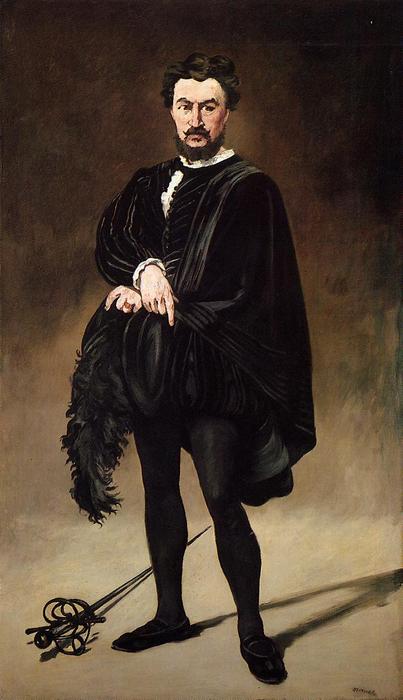
Edouard Manet's 'The Tragic Actor' (1865) captures a theatrical performance with bold brushstrokes and dramatic lighting, reflecting the artist’s fascination with modern life & art.
 더 보기
더 보기
에두아르 마네(1832-1883), 사실주의와 인상주의를 잇는 선구자! '피크닉 하는 사람들', '올림피아' 등 현대 파리의 삶을 대담하게 담아낸 작품들을 만나보세요. 현대 미술의 흐름을 바꾼 혁신적인 화가입니다.
지클레 / 아트 프린트
빠른 제작과 다양한 마감 옵션을 제공하는 박물관 품질의 지클레이 또는 캔버스 프린트. ( 손으로 그린 그림 구매 디지털 이미지로 전환)




P118B $10

P118H $10

P118W $10

P438Z $10

P508JH $12

P508YH $12

P805H $10

P805Z $10

P919BZ $10

P919G $10

P919XJ $10

P959ZH $10

P968JZ $12

W106C $8

W218G $10

W218JH $8

W218Y $10

W307PJ $10

W316G $10

W316PJ $8

W316Y $10

W398PJ $8

W4111J $10

W500HY $15

W500JH $15

W692G $12

W849H $8

W940BG $15

W953PJ $8




표준 규격
맞춤형
CM
INCH
작품의 원본 비율을 유지하는 미리 설정된 크기 중에서 선택하세요.
Loading sizes...

가로 너비
세로 길이
특정 프레임이나 공간에 맞춰 직접 치수를 입력하실 수 있습니다. 선택하신 사이즈가 원본 이미지의 비율과 일치하지 않을 경우, 작품을 크롭(자르기)하거나 이미지를 대칭 또는 단색 채우기로 확장하여 제작합니다. 제작 시작 전, 최종 확인을 위해 디지털 목업이 전송됩니다.
화면상의 미리보기는 실제 크롭이나 확장 상태를 반영하지 않으므로, 최종 구도는 오직 목업을 통해서만 정확하게 확인하실 수 있습니다.
맞춤 사이즈 제작도 가능하지만, 원본 비율을 유지하기 위해서는 사전 정의된 목록에서 치수를 선택하시는 것을 권장합니다.


 유리 옵션은 110cm 미만 크기에서만 선택 가능합니다.

The Tragic Actor
지클레 / 아트 프린트
복제본 크기
-


최종 결제 금액
$ 69
The Tragic Actor: A Window into 19th-Century Theater and Manet’s Modern Vision
Édouard Manet's “The Tragic Actor” (1865) is more than just a depiction of a stage performer; it’s a carefully constructed tableau brimming with symbolism, challenging conventions, and offering a profound glimpse into the artistic landscape of mid-19th century Paris. Housed within the National Gallery of Art in Washington D.C., this oil on canvas painting immediately draws the viewer in with its dramatic lighting and the central figure—a man enveloped in a richly textured costume, holding a prop sword, and radiating an aura of intense emotion.
The scene unfolds on what appears to be a darkened stage, though the background is deliberately vague, almost dissolving into shadow. The actor, identified as Philibert Rouvière, stands poised, his posture echoing the classic theatrical pose—a deliberate reference to earlier masters like Velázquez and Poussin. This isn’t simply a portrait; it's an *arrangement*, a carefully orchestrated composition designed to evoke a specific mood. Manet masterfully employs chiaroscuro – the dramatic contrast between light and dark – to sculpt the figure, emphasizing his musculature and highlighting the weight of his costume. The use of strong shadows creates a sense of depth and drama, pulling the viewer into the performance.
A Fusion of Realism and Artistic Tradition
Manet’s approach was revolutionary for its time. While rooted in academic traditions – he initially studied under Thomas Couture – “The Tragic Actor” moves decisively beyond mere imitation. He skillfully blends realism with a heightened sense of theatricality, drawing inspiration from the world of opera and theater, which were immensely popular during this period. The costume itself is a key element, rich in detail and suggesting a character steeped in tragedy—a reference to Shakespeare’s Hamlet, as evidenced by the actor's pose and the inclusion of a feathered hat reminiscent of the Prince’s iconic headwear.
The prop sword, held with deliberate intensity, adds another layer of meaning. It symbolizes both power and vulnerability, reflecting the precarious nature of an actor’s career and the inherent drama of his profession. The bird perched on the sword further amplifies this sense of fragility and perhaps even foreshadowing—a subtle nod to the themes of fate and destiny often explored in tragic narratives.
Technique and Context: Impressionism's Early Seeds
The painting’s execution showcases Manet’s distinctive style – bold brushstrokes, vibrant colors, and a willingness to depict modern life with unflinching honesty. He utilized oil on canvas, a common medium for the time, but his application was markedly loose and expressive, anticipating the techniques of Impressionism that would soon emerge. The National Gallery of Art's collection, encompassing works by both Manet and Monet, provides valuable context for understanding this transition in artistic style.
Furthermore, “The Tragic Actor” reflects the broader social and cultural shifts occurring in 19th-century France. The rise of theater as a popular form of entertainment, coupled with growing interest in realism and social commentary, created fertile ground for artists like Manet to challenge established conventions. His work was initially met with mixed reactions – some critics praised his innovative approach, while others condemned its perceived lack of polish or adherence to traditional artistic standards.
A Reproduction Worth Cherishing
TopImpressionists offers meticulously crafted, handmade oil painting reproductions of “The Tragic Actor,” allowing art lovers to own a tangible piece of this pivotal work. These reproductions faithfully capture the original’s dramatic lighting, rich textures, and emotional intensity, bringing Manet's vision to life in a stunningly authentic way. Beyond its aesthetic value, "The Tragic Actor" serves as a powerful reminder of Manet’s enduring legacy as one of the most important figures in modern art – an artist who dared to break with tradition and pave the way for future generations.
To explore more works by Édouard Manet or to commission your own reproduction, please visit TopImpressionists’s dedicated page.
유사한 작품들



작가 약력
파리 예술의 반항아: 에두아르 마네의 삶과 예술
에두아르 마네는 1832년, 파리의 부유한 시민 가정에서 태어났습니다. 그의 아버지는 존경받는 판사이자, 마네에게 법조계나 해군에서의 안정적인 미래를 꿈꿨지만, 젊은 시절부터 그림에 대한 열정을 품고 있었습니다. 열한 살 때 정식으로 드로잉 수업을 시작했고, 토마스 퀴투르의 제자가 되었으나 그의 엄격하고 전통적인 방식에 곧 좌절감을 느꼈습니다. 이러한 초기 저항은 예술적 관습에 끊임없이 도전하는 평생을 예고했던 것입니다. 마네는 과거를 단순히 복제하는 데 관심이 없었고, 오히려 현대 파리인의 생동감과 때로는 불편한 현실까지 포착하고자 했습니다. 그는 루브르 박물관을 자주 방문하여 고대 거장들의 작품을 모사하기보다는 그들의 기법을 해부하며 빛과 그림자가 형태를 조각하고 감정을 불러일으키는 방식을 연구했습니다. 특히, 쿠르베가 주창한 사실주의의 등장으로 마네의 창작 활동은 더욱 활기를 띠게 되었습니다. 쿠르베의 일상적인 삶에 대한 이상화 없는 묘사는 마네에게 깊이 공감되었고, 역사나 신화적 주제로부터 그를 해방시켜주었습니다.전통과의 단절: 스캔들과 혁신
1860년대는 파리에서 격렬한 예술적 변화가 일어나는 시기였으며, 마네는 그 중심에 있었습니다. 일본 판화인 *우키요에*의 등장으로 그의 미학적 감성은 크게 영향을 받았습니다. 그는 평면적인 원근법, 대담한 구도, 그리고 뚜렷한 색상 사용과 같은 요소들에 매료되었고, 이러한 요소들은 곧 그의 작품 스타일의 특징이 되었습니다. 이러한 영향과 함께 학문적 완벽함을 거부하는 경향은 파리 예술계를 충격과 스캔들을 일으키는 작품들을 탄생시켰습니다. 1863년 ‘거부당한 화가들의 살롱’에서 전시된 <풀밭 위의 점심>(Le Déjeuner sur l'herbe)은 논란의 중심에 섰습니다. 두 명의 옷을 입은 남성과 함께 피크닉을 즐기는 여성 누드의 모습은 당시 사회의 도덕적 관념과 충돌하며 큰 파장을 일으켰습니다. 마네는 전통적인 누드화에서처럼 이상화된 형태나 신화적 맥락이 아닌, 현대인의 모습을 그대로 묘사했기 때문입니다. <올림피아>(Olympia) 역시 1865년 살롱에서 전시되면서 엄청난 논쟁을 불러일으켰습니다. 티치아노의 *우르비노의 비너스*를 재해석한 이 작품은 현대의 매춘부가 대담하게 시선을 응시하는 모습을 담고 있었으며, 이는 당시 관객들에게 충격과 혐오감을 안겨주었습니다. 비평가들은 마네에게 무례함과 예술적 무능함을 비난했지만, 그 속에는 그의 그림 언어가 근본적으로 변화하고 있다는 인식이 숨어 있었습니다.인상주의를 향한 다리: 빛, 붓놀림 그리고 현대의 삶
마네는 스스로를 ‘인상주의자’로 규정하지 않았지만, 그의 영향력은 이 운동에 지대한 영향을 미쳤습니다. 그는 학문적 관습을 거부하고 빛과 대기의 일시적인 효과를 포착하려는 인상주의자들의 노력과 공통점을 공유했습니다. 모네, 르누아르, 드가 등과 함께 독립 전시회에 참여하며 아방가르드 예술계의 핵심 인물로서 그의 위치를 확고히 했습니다. 마네는 점차 더 자유로운 붓놀림을 추구하여 정확한 디테일보다 형태의 인상을 우선시했습니다. 그는 색채를 실험적으로 사용하며 극적인 효과를 내기 위해 강렬한 대비를 활용했습니다. 누드화 외에도, 그의 작품은 다양한 주제를 다루었습니다. 아내 수잔과 동료 예술가 에밀 졸라의 초상, 폴리-베르제르의 밤 문화 풍경인 <폴리-베르제르의 술집>, 그리고 현대 도시 생활의 고독과 광경을 묘사한 작품들이 있습니다. 그는 단순히 이러한 주제를 기록하는 것이 아니라, 사회적 규범에 도전하고 아름다움에 대한 기존의 개념을 질문했습니다.유산과 지속적인 영향
1883년 매독으로 인한 조기 사망은 이미 미술사의 흐름을 바꿔놓았던 그의 경력을 짧게 만들었지만, 그의 영향력은 젊은 예술가들에게 즉각적으로 느껴졌습니다. 그는 전통적인 주제, 기법 및 예술적 목적에 대한 장벽을 허물며 해방감을 선사했습니다.- 현대 생활의 포착에 대한 그의 강조는 인상주의와 후기 인상주의를 위한 길을 열었습니다.
- 그의 혁신적인 붓놀림과 색채 사용은 수많은 화가 세대에 영향을 미쳤습니다.
- 불편한 진실에 맞서 싸우려는 그의 의지는 관객들에게 자신의 가정에 대해 질문하도록 강요했습니다.

에두아르 마네
1832 - 1883 , 프랑스
주요 정보
- 국적: 프랑스인
- 대표작:
- déjeuner sur l'herbe
- Olympia
- A Bar at the Folies-Bergère
- 사망일: 1883년 4월 30일
- 영향을 받은 예술가:
- 클로드 모네
- 피에르 오귀스트 르누아르
- 드가
- 영향을 준 예술가:
- 카라바지오
- 벨라스케스
- 구스타브 쿠르베
- 예술 사조: 사실주의, 인상주의
- 전체 이름: 에두아르 마네
- 출생일: 1832년 1월 23일
- 출생지: 파리, 프랑스
관련 기사 더 보기

The Soul of Impressionism: Why Oil on Canvas Captures Eternal Light and Timeless Emotion
Discover the enchanting alchemy of Impressionism. Explore how the mastery of oil on canvas, through glazing and impasto, captures eternal light and emotion. Perfect for lovers of Monet and Van Gogh seeking the profound depth of hand-painted fine art.
테마, 스타일 및 특징별로 분류된 작품들을 만나보세요.


