


 실제 크기로 보기
 보내기
보내기 공유하기
공유하기
 상세 보기
상세 보기 가이드 보기

 이미지 다운로드
 유사 작품 더 보기
 X-레이
X-레이 슬라이드 쇼 보기
 통계 정보
통계 정보인물 I
 목판화
목판화- Expressionism
 1905
1905- 근현대
 40.0 x 54.0 cm
 뭉크 미술관
 상세 보기
상세 보기
핸드메이드 유화 복제화
작가가 직접 캔버스에 손으로 그린 유화 작품으로, 원하는 크기와 액자로 맞춤 제작해 드립니다. ( 프린트 판매로 전환 디지털 이미지 판매 채널로 전환)




P118B ₩10

P118H ₩10

P118W ₩10

P438Z ₩10

P508JH ₩12

P508YH ₩12

P805H ₩10

P805Z ₩10

P919BZ ₩10

P919G ₩10

P919XJ ₩10

P959ZH ₩10

P968JZ ₩12

W106C ₩8

W218G ₩10

W218JH ₩8

W218Y ₩10

W307PJ ₩10

W316G ₩10

W316PJ ₩8

W316Y ₩10

W398PJ ₩8

W4111J ₩10

W500HY ₩15

W500JH ₩15

W692G ₩12

W849H ₩8

W940BG ₩15

W953PJ ₩8




표준 규격
맞춤 제작
CM
INCH
작품의 원본 비율을 그대로 유지하는 프리셋 사이즈 중에서 선택해 보세요.
Loading sizes...

가로 너비
높이
액자나 벽면 크기에 맞춰 필요한 가로와 세로 길이를 입력해 주세요. 본 작품은 수작업으로 제작되므로, 요청하신 비율에 따라 작가가 그림의 가장자리를 조금 더 넓게 그리거나 일부를 조정하여 작업할 수 있습니다. 작업 시작 전, 최종 확인을 위해 디지털 목업 이미지를 보내드립니다. 이 페이지에 표시된 이미지는 실제 결과물과 다를 수 있으며, 오직 목업 이미지만이 정확한 결과물을 보여줍니다.
변경 가능한 예시: 얼굴을 고객님의 사진으로 교체, 반려동물 추가(예: 고양이를 강아지로 변경), 배경에 숨겨진 메시지 삽입, 배경 풍경 또는 요소 변경 등
주문 완료 후 TopImpressionists.com 팀에서 상세 안내를 위해 고객님께 이메일을 보내드리며, 미리보기 시안을 함께 제공해 드립니다.
주문 완료 후 TopImpressionists.com 팀에서 상세 안내를 위해 고객님께 이메일을 보내드리며, 미리보기 시안을 함께 제공해 드립니다.


 유리 옵션은 110cm 미만 크기에서만 선택 가능합니다.

인물 I
재현 매체
복제본 규격
-


총 결제 금액
₩ 372636
Man and Woman I: A Descent into Emotional Intensity
Edvard Munch’s *Man and Woman I*, painted in 1905, isn't merely a depiction of two figures; it’s a raw, visceral plunge into the heart of human experience. This work, housed within The Munch Museum in Oslo, Norway, stands as a cornerstone of Expressionism, a movement defined not by objective representation but by the unfiltered conveyance of inner turmoil and psychological states. Measuring just 40 x 54 cm on wood, its compact size belies the monumental emotional weight contained within. From the outset, the painting confronts us with an intimacy both unsettling and profoundly moving – two individuals pressed together, their faces turned towards a shared, unseen horizon. Munch’s genius lies in his ability to distill complex emotions—love, anxiety, perhaps even betrayal—into a carefully orchestrated symphony of color, line, and form. The somber tones dominate, punctuated by the arresting red background, which doesn't simply provide a backdrop but actively participates in the painting’s emotional narrative, intensifying the sense of unease and drawing the viewer into the scene’s shadowed depths.The Language of Emotion: Style and Technique
Munch’s approach to *Man and Woman I* is deeply rooted in his Expressionist philosophy – a rejection of academic realism in favor of subjective experience. He abandons precise detail, opting instead for bold, simplified forms that prioritize emotional impact. The figures themselves are rendered with an almost brutal directness; their faces are not idealized but etched with the anxieties of the human condition. Notice the stark contrast between the man’s face, positioned on the left, and the woman's to his right – a deliberate arrangement designed to amplify the sense of shared intensity. Munch masterfully employs contrasting lines: sharp, angular strokes delineate the figures’ forms, while smoother, more flowing lines suggest the swirling currents of emotion within them. The use of blocks of color—particularly the dominant red—creates a dynamic tension, preventing the scene from settling into complacency and forcing the viewer to confront its underlying emotional charge. The wood panel itself contributes to the painting's texture and feel, adding a layer of tactile immediacy.Symbolism and the Echoes of Preceding Movements
To understand *Man and Woman I*, it’s crucial to recognize Munch’s place within the broader artistic landscape of the late 19th century. He was deeply influenced by Symbolism, a movement that sought to evoke emotions and ideas through suggestive imagery rather than literal representation. This influence is evident in the painting's atmospheric quality and its reliance on symbolic color—the red representing passion, danger, or perhaps even impending doom. Furthermore, Munch’s work builds upon the foundations laid by artists like Paul Gauguin, Vincent van Gogh, and Henri de Toulouse-Lautrec, all of whom experimented with bold colors, distorted forms, and emotionally charged subjects. Munch's association with August Strindberg in Berlin further shaped his artistic trajectory, leading to a series of paintings—the “Frieze of Life”—that explored themes of love, jealousy, and the complexities of human relationships. The painting’s composition subtly echoes these earlier explorations, suggesting a deeper engagement with the anxieties of modern life.A Legacy of Psychological Depth
*Man and Woman I* is more than just a beautiful painting; it's a profound meditation on the human psyche. Its enduring power lies in its ability to tap into universal emotions—fear, longing, vulnerability—that resonate deeply with viewers across generations. Despite being banned during Nazi rule, Munch’s work ultimately survived, securing his place as one of the most important artists of the 20th century. The painting's themes – love, anxiety, and the struggle between men and women – remain remarkably relevant today. Considered a precursor to Expressionism, *Man and Woman I* continues to inspire artists and captivate audiences with its raw emotional honesty. TopImpressionists offers meticulously crafted hand-painted reproductions that faithfully capture the essence of this iconic masterpiece, allowing you to experience Munch’s profound vision in stunning detail. Explore our collection today and bring this powerful work into your home or office. For more information on Edvard Munch and his works, visit The Kiss and The Munch Museum (Oslo, Norway).작가 소개
어드반트 문크: 불안과 고독의 선구자
1863년 노르웨이 아델스브루크에서 태어난 어드반트 문크는 현대 미술, 특히 표현주의에 지대한 영향을 미친 화가입니다. 그의 삶은 어린 시절의 비극적인 경험과 끊임없는 정신적 고통으로 얼룩져 있었고, 이러한 개인적인 투쟁들은 그의 작품 전체를 관통하는 불안, 죽음, 고독이라는 주제로 이어졌습니다. 문크는 단순한 현실 묘사를 넘어 인간 내면의 심오하고 복잡한 감정을 표현하고자 했습니다. 그는 자신의 그림들을 통해 정신적 고통을 시각화하고, 이를 통해 관객들에게 깊은 공감과 울림을 선사했습니다.
불안정한 어린 시절과 예술적 기틀
문크의 어린 시절은 질병과 상실로 가득했습니다. 어머니와 여동생이 모두 결핵으로 세상을 떠난 경험은 그의 삶에 깊은 상처를 남겼고, 이는 그의 작품에서 반복적으로 나타나는 죽음과 슬픔이라는 주제의 근원이 되었습니다. 아버지의 엄격한 종교적 신념과 정신 질환 또한 문크에게 불안과 공포심을 심어주었으며, 이러한 어두운 경험들은 그의 예술 세계를 형성하는 데 결정적인 영향을 미쳤습니다. 크리스티아니아(오슬로) 왕립 미술학교에서 정식 교육을 받았지만, 그는 전통적인 회화 기법에 얽매이지 않고 자신만의 독특한 표현 방식을 추구했습니다. 특히 실존주의 철학자 한스 예거와의 만남은 문크에게 기존의 예술적 관습을 벗어나 자신의 내면세계를 솔직하게 드러내는 ‘영혼의 그림’을 그리도록 격려하는 계기가 되었습니다.
파리에서의 영향과 표현주의로의 진화
1890년대 파리로 건너간 문크는 폴 고갱, 빈센트 반 고흐, 앙리 드 툴루즈 로트렉 등 당시 유럽 미술계를 주도하던 인상주의 화가들의 작품을 접하며 큰 영향을 받았습니다. 그들의 대담한 색채 사용과 강렬한 표현력은 문크의 예술적 실험에 새로운 활력을 불어넣었습니다. 그러나 문크는 단순히 다른 화가들의 스타일을 모방하는 데 그치지 않고, 자신만의 독특한 시각과 감성을 담아내며 점차 표현주의의 선구자적인 면모를 드러냈습니다. 특히 그의 작품에서 나타나는 왜곡된 형태와 불안정한 색채는 관객들에게 강렬한 인상을 남기며, 인간 내면의 고통과 절망을 효과적으로 전달합니다.
대표작: ‘절규’와 그 이면에 숨겨진 의미
‘절규’(The Scream)는 문크를 세계적인 명성을 얻게 해준 작품이자, 현대 미술의 상징과도 같은 존재입니다. 붉은 노을 아래 서 있는 인간 형상이 절망적으로 울부짖는 모습은 불안과 공포에 휩싸인 현대인의 심리를 극명하게 드러냅니다. 문크 자신은 이 그림이 자연의 거대한 비명을 듣고 느낀 감정을 표현한 것이라고 말했습니다. ‘절규’는 단순한 풍경화가 아닌, 인간 존재의 근원적인 불안과 고독을 담아낸 상징적인 작품으로 평가받고 있습니다. 또한 마돈나, 병든 아이, 멜랑콜리아 1 & 2 등 문크의 다른 작품들 역시 죽음, 슬픔, 사랑과 같은 보편적인 인간 경험을 다루며 깊은 감동과 울림을 선사합니다.
표현주의의 선구자이자 현대 미술에 미친 영향
어드반트 문크는 표현주의 운동의 발전에 지대한 영향을 미쳤으며, 그의 작품은 이후 독일 표현주의 화가들에게 영감을 주었습니다. 그는 전통적인 회화 기법에서 벗어나 주관적인 감정과 내면세계를 자유롭게 표현하는 새로운 예술적 가능성을 제시했습니다. 문크의 작품은 현대 미술에 있어서 인간 심리의 복잡성과 불안을 탐구하는 중요한 전환점을 마련했으며, 그의 유산은 오늘날까지도 많은 예술가들에게 영감을 주고 있습니다. 그는 단순히 그림을 그리는 화가가 아니라, 인간 존재의 어두운 면을 직시하고 이를 예술로 승화시킨 위대한 사상가이자 선구자였습니다.

에드바르 뭉크
1863 - 1944 , 스웨덴
작가 정보 요약
- 국적: 노르웨이
- 대표 작품:
- 절규
- 마돈나
- 병든 아이
- 우울 I & II
- 사망일: 1944년 1월 23일
- 영향을 받은 예술 사조: ['독일 표현주의']
- 영향을 준 예술가:
- 폴 고갱
- 빈센트 반 고흐
- 투루 쇠 라트르크
- 예술 사조: 표현주의
- 전체 이름: 에드바르 뭉크
- 출생일: 1863년 12월 12일
- 출생지: 아델스브루크, 스웨덴
관련 기사

Edvard Munch: Anxiety, Modernity & the Dawn of Expressionism
Explore the profound world of Edvard Munch, pioneer of Expressionism. Discover the origins of 'The Scream' & his haunting depictions of anxiety, mortality, and love. Expert analysis & high-quality reproductions at TopImpressionists.

에드바르 뭉크 대표작 25선: 불안과 고독을 담은 예술의 심연 (TopImpressionists)
에드바르 뭉크의 대표작 25선을 만나보세요. '절규'를 비롯한 불안과 고독을 담은 표현주의 걸작들의 숨겨진 이야기와 예술적 의미를 TopImpressionists에서 탐험하세요. 명화 복제, 인테리어 액자 등 다양한 컬렉션을 온라인으로 감상하고 특별한 공간을 완성해보세요.

Cubist Expressionism's 10 Defining Masterpieces | Art for Your Home
Explore 10 defining Cubist Expressionism masterpieces by Picasso, Braque & more. Discover the stories behind these bold, geometric paintings and bring museum-quality art to your home with TopImpressionists.com. Explore the full collection online.
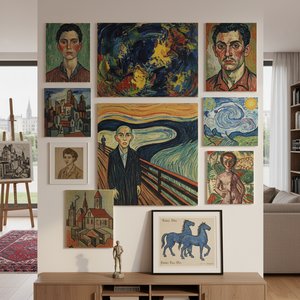
표현주의를 정의한 명작 10선: 예술, 영혼, 그리고 공간의 미학 | TopImpressionists
뭉크, 키르히너 등 거장들의 작품으로 표현주의 미술의 정수를 만나보세요. 강렬한 색채와 감정적 깊이가 깃든 명작 10선을 통해 예술의 세계를 탐험하고, TopImpressionists에서 고품질 아트 프린트를 소장하세요. 지금 바로 온라인 컬렉션을 확인하세요!

The Raw Emotion of Expressionism: A Deep Dive into its History, Characteristics & Enduring Influence
Explore the raw emotion of Expressionism with TopImpressionists. Discover its history, key artists like Kirchner & Munch, and lasting influence on modern art. Expert insights for collectors & enthusiasts.
테마, 스타일, 특징별로 큐레이션된 작품들을 만나보세요.


