






























작품의 원본 비율을 유지하는 미리 설정된 크기 중에서 선택하세요.

특정 프레임이나 공간에 맞춰 직접 치수를 입력하실 수 있습니다. 선택하신 사이즈가 원본 이미지의 비율과 일치하지 않을 경우, 작품을 크롭(자르기)하거나 이미지를 대칭 또는 단색 채우기로 확장하여 제작합니다. 제작 시작 전, 최종 확인을 위해 디지털 목업이 전송됩니다.
화면상의 미리보기는 실제 크롭이나 확장 상태를 반영하지 않으므로, 최종 구도는 오직 목업을 통해서만 정확하게 확인하실 수 있습니다.
맞춤 사이즈 제작도 가능하지만, 원본 비율을 유지하기 위해서는 사전 정의된 목록에서 치수를 선택하시는 것을 권장합니다.

untitled (2766)
복제본 크기
Edvard Munch's “Untitled (2766),” often referred to as "Woman on the Rocks," isn’t merely a depiction of a figure by the sea; it’s a visceral embodiment of anxiety, isolation, and the profound melancholy that defined the artist’s life. Painted in 1893, during a period of intense personal struggle and burgeoning artistic experimentation, this work stands as a cornerstone of Expressionism, capturing not just an external scene but the turbulent landscape of Munch's inner world. The painting immediately draws the viewer into a space of quiet desperation, a feeling amplified by the muted palette—primarily blues, greys, and ochres—that evokes a sense of perpetual twilight and impending doom.
The subject herself is rendered with an almost unsettling simplicity. A woman sits perched precariously on jagged rocks, her gaze fixed out towards the turbulent sea. Her posture is one of profound contemplation, yet there’s no joy or serenity in her expression; rather, a haunting stillness suggests a deep-seated sadness and perhaps even a sense of foreboding. The loose brushstrokes and distorted perspective contribute to an atmosphere of instability, mirroring the emotional turmoil at play. Notice how Munch deliberately avoids sharp lines or clear definition, opting instead for amorphous shapes that seem to bleed into one another, reflecting the blurring boundaries between reality and inner experience.
Understanding “Untitled (2766)” requires acknowledging the deeply personal context of Edvard Munch’s life. His childhood was marked by a series of devastating losses – the deaths of his mother and sister from tuberculosis, events that instilled in him a lifelong preoccupation with mortality and illness. These experiences weren't simply biographical details; they became the very foundation of his artistic vision, fueling an unrelenting exploration of themes like grief, fear, and the fragility of human existence. The woman on the rocks can be interpreted as a self-portrait, embodying Munch’s own feelings of isolation and vulnerability in the face of overwhelming emotional pain.
Furthermore, the painting resonates with broader Symbolist concerns—the exploration of psychological states through evocative imagery. The sea itself is laden with symbolic weight; it represents both the vastness of the unknown and the potential for destruction. The rocks beneath her feet symbolize instability and precariousness, mirroring the woman’s emotional state. Munch's use of color further reinforces this symbolism: the cool blues and greys evoke a sense of sadness and despair, while the stark contrast between light and shadow heightens the painting’s dramatic effect.
Munch’s technique in “Untitled (2766)” is characterized by its raw emotionality and expressive brushwork. He employed a method of applying paint directly to the canvas, often with his fingers or palette knife, creating a textured surface that adds to the painting's tactile quality. The loose, swirling strokes convey a sense of movement and turbulence, mirroring the subject’s inner turmoil. The use of color is equally significant; Munch deliberately avoids naturalistic representation, opting instead for colors that are emotionally charged and symbolic. He was deeply influenced by Impressionism and Post-Impressionism, but he pushed these movements in new directions, prioritizing emotional expression over objective observation.
Notably, the painting’s composition is deceptively simple yet profoundly effective. The woman's placement on the rocks creates a sense of imbalance and precariousness, drawing the viewer's eye to her isolated figure. The distant boats in the background offer a subtle suggestion of human connection, but they also serve to emphasize the woman’s solitude. Munch masterfully uses these compositional elements to create a powerful and enduring image of emotional isolation.
“Untitled (2766)” remains one of Edvard Munch's most iconic works, captivating viewers with its haunting beauty and profound psychological depth. It’s a testament to the artist’s ability to translate his own inner turmoil into a visual language that resonates deeply with audiences across generations. Reproductions of this painting continue to be highly sought after by collectors and interior designers alike, drawn to its evocative power and timeless appeal. Its enduring relevance speaks volumes about Munch's pioneering role in shaping modern art and his profound understanding of the human condition.
1863년 노르웨이 아델스브루크에서 태어난 어드반트 문크는 현대 미술, 특히 표현주의에 지대한 영향을 미친 화가입니다. 그의 삶은 어린 시절의 비극적인 경험과 끊임없는 정신적 고통으로 얼룩져 있었고, 이러한 개인적인 투쟁들은 그의 작품 전체를 관통하는 불안, 죽음, 고독이라는 주제로 이어졌습니다. 문크는 단순한 현실 묘사를 넘어 인간 내면의 심오하고 복잡한 감정을 표현하고자 했습니다. 그는 자신의 그림들을 통해 정신적 고통을 시각화하고, 이를 통해 관객들에게 깊은 공감과 울림을 선사했습니다.
문크의 어린 시절은 질병과 상실로 가득했습니다. 어머니와 여동생이 모두 결핵으로 세상을 떠난 경험은 그의 삶에 깊은 상처를 남겼고, 이는 그의 작품에서 반복적으로 나타나는 죽음과 슬픔이라는 주제의 근원이 되었습니다. 아버지의 엄격한 종교적 신념과 정신 질환 또한 문크에게 불안과 공포심을 심어주었으며, 이러한 어두운 경험들은 그의 예술 세계를 형성하는 데 결정적인 영향을 미쳤습니다. 크리스티아니아(오슬로) 왕립 미술학교에서 정식 교육을 받았지만, 그는 전통적인 회화 기법에 얽매이지 않고 자신만의 독특한 표현 방식을 추구했습니다. 특히 실존주의 철학자 한스 예거와의 만남은 문크에게 기존의 예술적 관습을 벗어나 자신의 내면세계를 솔직하게 드러내는 ‘영혼의 그림’을 그리도록 격려하는 계기가 되었습니다.
1890년대 파리로 건너간 문크는 폴 고갱, 빈센트 반 고흐, 앙리 드 툴루즈 로트렉 등 당시 유럽 미술계를 주도하던 인상주의 화가들의 작품을 접하며 큰 영향을 받았습니다. 그들의 대담한 색채 사용과 강렬한 표현력은 문크의 예술적 실험에 새로운 활력을 불어넣었습니다. 그러나 문크는 단순히 다른 화가들의 스타일을 모방하는 데 그치지 않고, 자신만의 독특한 시각과 감성을 담아내며 점차 표현주의의 선구자적인 면모를 드러냈습니다. 특히 그의 작품에서 나타나는 왜곡된 형태와 불안정한 색채는 관객들에게 강렬한 인상을 남기며, 인간 내면의 고통과 절망을 효과적으로 전달합니다.
‘절규’(The Scream)는 문크를 세계적인 명성을 얻게 해준 작품이자, 현대 미술의 상징과도 같은 존재입니다. 붉은 노을 아래 서 있는 인간 형상이 절망적으로 울부짖는 모습은 불안과 공포에 휩싸인 현대인의 심리를 극명하게 드러냅니다. 문크 자신은 이 그림이 자연의 거대한 비명을 듣고 느낀 감정을 표현한 것이라고 말했습니다. ‘절규’는 단순한 풍경화가 아닌, 인간 존재의 근원적인 불안과 고독을 담아낸 상징적인 작품으로 평가받고 있습니다. 또한 마돈나, 병든 아이, 멜랑콜리아 1 & 2 등 문크의 다른 작품들 역시 죽음, 슬픔, 사랑과 같은 보편적인 인간 경험을 다루며 깊은 감동과 울림을 선사합니다.
어드반트 문크는 표현주의 운동의 발전에 지대한 영향을 미쳤으며, 그의 작품은 이후 독일 표현주의 화가들에게 영감을 주었습니다. 그는 전통적인 회화 기법에서 벗어나 주관적인 감정과 내면세계를 자유롭게 표현하는 새로운 예술적 가능성을 제시했습니다. 문크의 작품은 현대 미술에 있어서 인간 심리의 복잡성과 불안을 탐구하는 중요한 전환점을 마련했으며, 그의 유산은 오늘날까지도 많은 예술가들에게 영감을 주고 있습니다. 그는 단순히 그림을 그리는 화가가 아니라, 인간 존재의 어두운 면을 직시하고 이를 예술로 승화시킨 위대한 사상가이자 선구자였습니다.

1863 - 1944 , 스웨덴
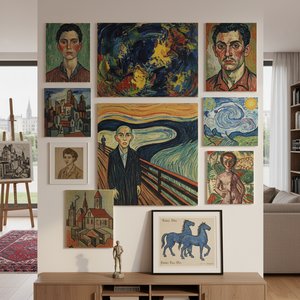
뭉크, 키르히너 등 거장들의 작품으로 표현주의 미술의 정수를 만나보세요. 강렬한 색채와 감정적 깊이가 깃든 명작 10선을 통해 예술의 세계를 탐험하고, TopImpressionists에서 고품질 아트 프린트를 소장하세요. 지금 바로 온라인 컬렉션을 확인하세요!

Explore the powerful world of Expressionism with TopImpressionists. Discover key artists like Kirchner & Nolde, understand its emotional impact, and learn about this revolutionary art movement's lasting legacy. Handmade oil paintings available.
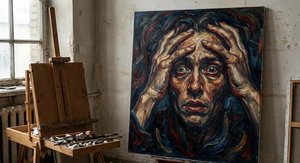
Explore the powerful world of Figurative Expressionism with TopImpressionists. Discover key artists like Kirchner & Beckmann, understand its emotional depth, and learn how to collect this influential 20th-century art movement.

에드바르 뭉크의 대표작 25선을 만나보세요. '절규'를 비롯한 불안과 고독을 담은 표현주의 걸작들의 숨겨진 이야기와 예술적 의미를 TopImpressionists에서 탐험하세요. 명화 복제, 인테리어 액자 등 다양한 컬렉션을 온라인으로 감상하고 특별한 공간을 완성해보세요.

Explore 10 legendary 'Acrylic on Paper' masterpieces by artists like Helen Frankenthaler & Gerhard Richter. Discover abstract expressionism, color field painting & the evolution of modern art. Find museum-quality reproductions for your home at TopImpressionists.com.


최신 미술 뉴스, 특별 혜택 및 인테리어 아이디어를 가장 먼저 만나보세요.
프로젝트에 대해 알려주시면 저희 미술 전문가들이 맞춤형 아트 제안 3가지를 전달해 드립니다.
당신만을 위한 맞춤형 옵션 3가지를 무료로 추천해 드립니다!

 작품 구매하기
 공유하기
공유하기 공유하기
공유하기
 상세 정보
상세 정보

 다운로드
다운로드
 유사 작품
유사 작품 X-레이
X-레이 슬라이드 쇼

 더 보기
더 보기









 유리 옵션은 110cm 미만 크기에서만 선택 가능합니다.


