

표시된 작품: · 액자 포함:
 미리보기

 공유하기
 공유하기
 상세 정보
 가이드 보기


 다운로드
 유사 작품 더 보기
 X-레이
 슬라이드 쇼 보기
 질의응답
 통계 정보

₩ 356178
핸드메이드 유화 복제화
작가가 직접 캔버스에 손으로 그린 유화 작품으로, 원하는 크기와 액자로 맞춤 제작해 드립니다. ( 프린트 판매로 전환 디지털 이미지로 전환)
본 작품은 저작권법의 보호를 받습니다.
이 페이지에 표시된 작품은 저작권법의 보호를 받으며, 이에 따라 동일한 복제품을 제작하거나 판매하는 것은 법으로 금지되어 있습니다. 이러한 권리 보호는 다음과 같은 국제 협약에 따라 시행됩니다. 베른 협약 또한 다음에서 명시하는 법률을 포함한 국내법에 의해 보호됩니다. 미국 저작권법 제17조.
저희는 존중을 담은 합법적인 대안으로서, 원작에서 영감을 받은 맞춤형 수제 유화 작품을 제공합니다. 저희의 숙련된 전문 화가들은 원작의 스타일, 분위기, 예술적 정수를 면밀히 연구하여, 그 자체로 독창적인 창작물이면서도 원작과 동일한 감동을 불러일으키는 새로운 작품을 만들어냅니다.
이 방식은 저작권 보호를 받는 예술 작품을 복제하거나 그대로 재현하는 것이 아니기에 저작권 규정을 완벽히 준수합니다. 대신, 이는 창의적인 재해석의 과정을 거칩니다. 즉, 원작에서 영감을 받되 원작과 동일하지 않은 새로운 회화 작품을 의미합니다.
 더 알아보기
사이즈
·표준 규격
맞춤형
CM
INCH
작품의 원본 비율을 그대로 유지하는 프리셋 사이즈 중에서 선택해 보세요.
사이즈 불러오는 중...

가로 너비
세로 길이
액자나 벽면 크기에 맞춰 필요한 가로와 세로 길이를 입력해 주세요. 본 작품은 수작업으로 제작되므로, 요청하신 비율에 따라 작가가 그림의 가장자리를 조금 더 넓게 그리거나 일부를 조정하여 작업할 수 있습니다. 작업 시작 전, 최종 확인을 위해 디지털 목업 이미지를 보내드립니다. 이 페이지에 표시된 이미지는 실제 결과물과 다를 수 있으며, 오직 목업 이미지만이 정확한 결과물을 보여줍니다.
완료
·
화이트 테두리 ₩1

블러사이드 ₩1

옆면 확장형 ₩1

P118B ₩10

P118H ₩10

P118W ₩10

P438Z ₩10

P508JH ₩12

P508YH ₩12

P805H ₩10

P805Z ₩10

P919BZ ₩10

P919G ₩10

P919XJ ₩10

P959ZH ₩10

P968JZ ₩12

W106C ₩8

W218G ₩10

W218JH ₩8

W218Y ₩10

W307PJ ₩10

W316G ₩10

W316PJ ₩8

W316Y ₩10

W398PJ ₩8

W4111J ₩10

W500HY ₩15

W500JH ₩15

W692G ₩12

W849H ₩8

W940BG ₩15

W953PJ ₩8

H24-GOLD ₩30

H24-SILVER ₩30

H36-GOLD ₩45

H36-SILVER ₩45
보호용 튜브에 담겨 안전하게 배송되며, 고객님께서 직접 액자에 끼워 사용하실 수 있습니다.
105cm를 초과하는 프레임은 전문 액자 제작사를 위한 키트 형태로 배송됩니다 — 자세한 내용을 확인하세요.
추가 서비스
선택 사항추가 구성품에는 무엇이 포함되어 있나요?
변경 가능한 예시: 얼굴을 고객의 사진으로 교체, 반려동물 추가 (예: 고양이를 강아지로 변경), 배경에 숨겨진 메시지 포함, 배경 풍경 또는 요소 변경.
주문 완료 후, TopImpressionists.com 팀에서 상세 안내를 위해 고객님께 이메일을 보내드리며, 시안 미리보기를 제공해 드립니다.
주문 완료 후, TopImpressionists.com 팀에서 상세 안내를 위해 고객님께 이메일을 보내드리며, 시안 미리보기를 제공해 드립니다.
전 세계 배송()은 표준 5주 대신 3~4주 내에 완료됩니다. (23 11월). 품질에는 어떠한 타협도 하지 않습니다.
보호용 바니시
작품 설명문
동판 각인 상세 정보
This elegant plaque features the artist's name and the title of the artwork, finely engraved for a timeless presentation.
It is made from bronze with a refined, elegant finish. The text is precisely laser-engraved for a sharp and permanent result. Measuring 9x2 cm, the plaque is compact yet easy to read. It's built to be durable and scratch-resistant, offering a professional, museum-quality look. Mounting is simple thanks to the included adhesive backing.
투명 아크릴 명판 상세 정보
The plaque includes essential engraved details such as the artist's name, the title of the artwork, the date it was created, the type of media used-like oil on canvas or watercolor-a brief description of the piece, and a QR code that links to the complete artwork information.
It is crafted from clear acrylic, offering a sleek, modern appearance. The text is UV-engraved in black to ensure strong visual contrast. With a size of 10x15 cm, it ensures optimal readability. It comes equipped with two metal hooks for secure wall mounting. The plaque is designed to be weather-resistant, making it suitable for various environments, and it includes interactive features that work seamlessly with smartphone scanning.
블랙 아크릴 명판 상세 정보
This elegant plaque includes engraved information such as the artist's name, the title of the artwork, the date it was created, the type of media used (like oil on canvas or watercolor), a short description of the artwork, and a QR code for quick access to more information.
The plaque itself is made from refined black acrylic with a premium finish. The text is laser-engraved in white for high contrast and readability. Its size is 10x15 cm, designed to be easy to read. It comes with two metal hooks for professional mounting. The design is sleek and fits any interior style. It is also weather-resistant and durable, with built-in digital integration for mobile compatibility.
유리 옵션은 110cm 미만 크기에서만 선택 가능합니다.
 유리 옵션은 110cm 미만 크기에서만 선택 가능합니다.
- 전 세계 무료 특급 배송
- 프리미엄 린넨 캔버스
- 배송 전 과정 보험 적용
- 관세 및 수입세 환급 보장 서비스
- 원본과 동일한 색상 구현 보장
- 100일 이내 반품 정책 (결함 발생 시)
- 100% 환불 보장
- 다량 구매 할인 혜택


수집품 상세 설명
Edward Hopper's 'Intermission' captures a solitary woman in a theater aisle, evoking quiet contemplation and the poignant beauty of modern isolation. A timeless masterpiece.
작품 정보
The Quiet Drama of a Waiting Room
Edward Hopper’s Intermission, painted in 1963, isn't merely a depiction of a theater lobby; it’s a meticulously crafted tableau of human isolation and the poignant beauty of unspoken moments. The painting immediately draws the viewer into a scene steeped in a muted, almost melancholic atmosphere – a stark contrast to the vibrant energy typically associated with theatrical performances. Hopper masterfully employs his signature style, characterized by simplified forms, precise lines, and an astute observation of light and shadow, to create a space that feels both familiar and profoundly unsettling.
The composition itself is a study in restraint and suggestion. A woman, seated alone in a green aisle seat, dominates the foreground, her posture conveying a quiet contemplation that invites speculation about her thoughts and experiences. The surrounding chairs, arranged in neat rows, contribute to a sense of impersonal order, emphasizing her solitude within this public space. Hopper’s use of horizontal lines – the walls, the floor, the seats – creates a feeling of stillness, while subtle variations in tone and texture hint at the underlying complexity of the scene.
A Masterclass in Light and Shadow
Hopper's technical skill is evident in his precise rendering of light. The diffused illumination emanating from the unseen stage casts soft shadows that subtly define the forms, creating a sense of depth without resorting to dramatic contrasts. This delicate handling of light isn’t merely aesthetic; it serves to heighten the painting’s emotional impact, suggesting both vulnerability and resilience. Notice how the light catches the woman's dress, highlighting her form while simultaneously obscuring details, adding to the air of mystery surrounding her.
The color palette—predominantly muted greens, grays, and blacks—further reinforces the painting’s somber mood. The subtle shifts in tone within these hues create a sense of visual richness, preventing the scene from feeling flat or lifeless. Hopper's choice of colors is deliberate, evoking the atmosphere of a late-night theater lobby – a space often associated with anticipation, reflection, and perhaps even a touch of melancholy.
Symbolism and the Poetics of Modern Life
Intermission resonates deeply because it taps into universal themes of loneliness, isolation, and the passage of time. The woman’s solitary presence in the theater lobby speaks to the human condition—the feeling of being present yet detached, observing life from a distance. The clock visible in the background subtly reinforces this sense of temporal awareness, reminding us that time continues to move forward even as we remain suspended in these moments of quiet contemplation.
Hopper’s work is often interpreted as a reflection on the alienation and anonymity of modern urban life. The theater itself can be seen as a metaphor for the human drama—a stage upon which we all play our roles, often feeling like solitary figures amidst a vast audience. The painting's enduring appeal lies in its ability to capture these complex emotions with remarkable subtlety and grace.
A Legacy of Quiet Observation
Intermission stands as a testament to Edward Hopper’s extraordinary talent for capturing the essence of American life—its beauty, its loneliness, and its quiet moments of introspection. Painted in his later years, it represents a culmination of his artistic vision, demonstrating his mastery of light, composition, and symbolism. Reproductions of this iconic work continue to captivate viewers, inviting us to pause, reflect, and contemplate the universal themes that resonate within its carefully constructed scene.
질의응답
"Intermission"의 주제가 에드워드 호퍼 작가의 평소 작업 세계와 어떤 연관이 있나요?
"Intermission"은(는) waiting room, isolation, theater, loneliness, diner, mid-century, hopper을(를) 묘사하고 있는 반면, 에드워드 호퍼의 기존 주제들은 hopper’s realism, urban isolation, american life, mid-century themes, theater, cinema, performance spaces, solitude입니다. 이 두 가지를 비교해 보면 해당 작품이 작가의 통상적인 소재와 어떻게 연관되는지 알 수 있습니다.
"Intermission"은(는) 어느 작가의 작품인가요?
"Intermission"의 작가는 에드워드 호퍼입니다.
에드워드 호퍼의 "Intermission"에서 어떤 감정이 느껴지나요?
에드워드 호퍼의 "Intermission"은(는) 전반적인 Calm 분위기 속에서 Melancholic한 느낌을 전달합니다.
주요 정보 및 아트 퀴즈
에드워드 호퍼 소개

에드워드 호퍼
1882 - 1967, 미국
작가 정보
미국적 풍경의 정적
에드워드 호퍼는 미국 뉴욕주 어퍼 나이악에서 태어났습니다. 그의 어린 시절은 세상을 관찰하는 흔들림 없는 시선과 함께 흘러갔으며, 이는 날짜와 서명이 정성스럽게 남겨진 어린 시절의 스케치들에서부터 그 시작을 엿볼 수 있습니다. 부모님은 그에게 상업 삽화가라는 실용적인 길을 권유하기도 했지만, 그의 시선은 언제나 순수 미술을 향해 있었습니다. 그는 뉴욕 미술 학교에서 윌리엄 메릿 채스와 로버트 헨리의 가르침을 받으며 수학했습니다. 이 시기는 그에게 세상을 꾸밈없이, 그리고 정직하게 묘사하는 데 필요한 기술적 숙련도를 길러주었습니다. 그는 파리에서 접했던 인상주의자들의 찰나적인 붓터치를 쫓지 않았습니다. 대신, 군중의 움직임보다는 순간의 정적을 선호하는 그만의 독특한 시각을 구축해 나갔습니다.
그의 작품은 종종 일상적인 것들에 집중합니다. 그는 집, 식당, 사무실, 그리고 호텔 방을 응시했습니다. 그는 장면 이면에 숨겨진 감정적 진실을 찾아내기 위해 불필요한 세부 사항들을 걷어냈습니다. 철길 옆의 집(1925)에서 보여주는 단순한 구도는 신비로움과 고립감을 동시에 드러냅니다. 그는 빛과 그림자를 단순히 공간을 설명하기 위한 도구가 아니라, 특유의 분위기를 조성하기 위한 수단으로 사용했습니다. 벽에 드리워진 그림자의 정교한 묘사나 창가로 스며드는 빛의 방식은 대상의 심리적 상태를 전달하는 그만의 언어가 되었습니다.
빛과 도시의 내부
공간 속으로 스며드는 빛의 방식은 그의 회화에서 핵심적인 역할을 수행하는 주인공과도 같습니다. 나이트호크스(1942)에서 심야 식당의 강렬한 형광등 빛은 인적이 끊긴 도시 거리의 어둠을 가로지릅니다. 식당 안의 인물들은 물리적으로는 가까이 있지만, 각자의 생각에 잠긴 채 서로 단절된 모습으로 보입니다. 이러한 군중 속의 익명성은 그의 반복되는 주제가 되었습니다. 그는 오토매트와 작은 도시의 사무실 같은 작품에서 느껴지듯, 공공장소에서 홀로 있을 때의 긴장감을 포착해냈습니다. 그는 인공적인 빛이 밤의 자연스러운 어둠과 상호작용하는 방식에 깊은 관심을 가졌습니다.
그의 아내 조세핀 니비슨 호퍼는 그의 삶에서 늘 곁을 지키는 존재였습니다. 그녀는 동료 예술가로서 종종 그의 모델이 되어주었으며, 그의 작품 속 수많은 여성 인물의 캐릭터에 그녀의 존재감이 투영되어 있습니다. 두 사람은 함께 소박한 삶을 꾸려나갔으며, 종종 뉴잉글랜드에서 여름을 보냈는데 이는 그가 그리는 풍경화에도 영향을 미쳤습니다. 도시와 농촌을 아우르는 그의 미국적 풍경 묘사는 종종 특유의 황량함이나 공허함을 강조합니다. 가스(1940)에 등장하는 길가의 주유소든, 호텔의 고요한 방이든, 그의 주제는 언제나 물리적 장소와 개인의 내면적 경험이 교차하는 지점을 향해 있습니다.
관찰이 남긴 유산
에드워드 호퍼의 영향력은 영화와 문학의 시각적 언어에까지 뻗어 있습니다. 구도를 통해 심리적 긴장감을 만들어내는 그의 능력은 이미지를 통해 이야기가 전달되는 방식을 연구하는 이들에게 많은 주목을 받아왔습니다. 그의 회화 작품들은 오늘날에도 전 세계 주요 미술관에 소장되어 있으며, 휘트니 미술관과 보스턴의 미술관 등이 그 대표적인 곳입니다. 그는 거창한 역사적 서사를 추구하지 않았습니다. 대신 일상의 고요한 구석에서 소재를 발견하며, 단순한 창문이나 스쳐 지나가는 낯선 이를 인간 조건에 대한 탐구의 대상으로 탈바꿈시켰습니다. 그의 작업은 사람과 사람 사이에 존재하는 침묵에 대한 끊임없는 탐구로 남아 있습니다.
에드워드 호퍼에 관한 주요 정보
- Artistic Movement Or Style: 미국 사실주의
- Artists Or Movements Influenced By This Artist: ['피에르 샌포드 로스']
- Artists Who Influenced This Artist:
- 윌리엄 메릿 채스
- 로버트 헨리
- 에드가 드가
- 에두아르 마네
- Date Of Birth: 1931
- Date Of Death: 1967
- Full Name: 에드워드 호퍼
- Nationality: 미국인
- Notable Artworks:
- 나이트호크스
- 가스
- 철도 옆의 집
- 오토매트
- 작은 도시의 사무실
- 서머타임
- Place Of Birth: 미국 어퍼 나이악
테마, 스타일, 특징별로 분류된 작품들을 만나보세요.


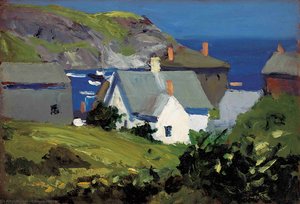


에드워드 호퍼
Intermission
() ·
액자 포함: · 린넨 위에 유채로 직접 그린 작품
총액