
 Acrylic On CanvasWallArtContemporary Realism
 1904
1904 61.0 x 24.0 cm
빠른 제작과 다양한 마감 옵션을 제공하는 박물관 품질의 지클레이 또는 캔버스 프린트. ( 손으로 그린 그림 구매 이미지 구매)





























작품의 원본 비율을 유지하는 미리 설정된 크기 중에서 선택하세요.

특정 프레임이나 공간에 맞춰 직접 치수를 입력하실 수 있습니다. 선택하신 사이즈가 원본 이미지의 비율과 일치하지 않을 경우, 작품을 크롭(자르기)하거나 이미지를 대칭 또는 단색 채우기로 확장하여 제작합니다. 제작 시작 전, 최종 확인을 위해 디지털 목업이 전송됩니다.
화면상의 미리보기는 실제 크롭이나 확장 상태를 반영하지 않으므로, 최종 구도는 오직 목업을 통해서만 정확하게 확인하실 수 있습니다.
맞춤 사이즈 제작도 가능하지만, 원본 비율을 유지하기 위해서는 사전 정의된 목록에서 치수를 선택하시는 것을 권장합니다.

Male Nude
복제본 크기
Edward Hopper, a name inextricably linked to the quietude and subtle melancholy that permeated 20th-century American life, wasn’t simply a painter of scenes; he was a poet of light and shadow, a chronicler of modern isolation. Born in Nyack, New York, in 1882, to middle-class parents of Dutch ancestry, Hopper's early years provided a stable upbringing that nurtured his artistic inclinations. From childhood sketches meticulously dated and signed, it became evident that keen observation and an innate talent for drawing were central to his being.
Though initially encouraged towards commercial illustration – a pragmatic suggestion from his parents – Hopper’s ambitions leaned toward fine art, leading him to the New York School of Art where he studied under William Merritt Chase and Robert Henri. These formative years instilled not only technical skill but also an appreciation for realism and a commitment to depicting the world as he saw it. He absorbed influences from Impressionism and Post-Impressionism, particularly Cézanne’s geometric simplification and Monet’s atmospheric effects, shaping his distinctive visual vocabulary.
Hopper's artistic style is instantly recognizable for its austere compositions, muted color palettes dominated by earthy tones—browns, grays, ochres—and a masterful manipulation of light and shadow. He eschewed dramatic narratives or flamboyant gestures, instead focusing on capturing fleeting moments of everyday life with remarkable precision. His paintings often depict solitary figures inhabiting sparsely furnished interiors, conveying a profound sense of loneliness and introspection. This deliberate restraint wasn’t merely stylistic; it reflected Hopper's deep engagement with psychological themes—the anxieties of modern existence, the complexities of human relationships, and the yearning for connection.
Among Hopper’s most celebrated paintings are “Nighthawks” (1942), a depiction of a late-night diner scene bathed in artificial light, and “Moonrise Over Saint Louis” (1927), which captures the stillness of twilight over a Midwestern cityscape. Recurring motifs—empty rooms, solitary figures gazing out windows, urban landscapes devoid of human presence—underscore Hopper’s preoccupation with themes of alienation and psychological isolation. These images resonate powerfully with viewers because they tap into universal anxieties about solitude and the challenges of navigating modern life.
Edward Hopper's work continues to inspire artists and designers alike, cementing his place as one of America’s most influential painters. His uncompromising realism combined with poetic sensitivity—a careful balance between observation and emotion—established a new standard for depicting the human condition in art. He remains a cornerstone of American Realism, demonstrating that profound artistic expression can emerge from seemingly unremarkable subjects.

1931 - 1967 , 미국

Explore the profound beauty of American Realism. From the Ashcan School's urban grit to intimate portraits, discover how artists captured the authentic soul of a nation through unvarnished truth and masterful observation.
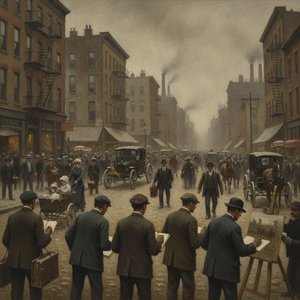
Discover the raw beauty of the Ashcan School. Explore how masters like Bellows and Henri captured the gritty, vibrant soul of early 20th-century New York through profound American Realism and evocative urban landscapes.


최신 미술 뉴스, 특별 혜택 및 인테리어 아이디어를 가장 먼저 만나보세요.
프로젝트에 대해 알려주시면 저희 미술 전문가들이 맞춤형 아트 제안 3가지를 전달해 드립니다.
당신만을 위한 맞춤형 옵션 3가지를 무료로 추천해 드립니다!


 미리보기
미리보기
 공유하기
공유하기 공유하기
공유하기
 상세 정보
상세 정보

 다운로드
다운로드
 유사 작품
유사 작품 X-레이
X-레이 슬라이드 쇼
 더 보기
더 보기









 유리 옵션은 110cm 미만 크기에서만 선택 가능합니다.


