미리보기
미리보기
 공유하기
공유하기 공유하기
공유하기
 상세 정보
상세 정보 가이드 보기

 다운로드
다운로드
 유사 작품 더 보기
 X-레이
X-레이 슬라이드 쇼 보기
 질의응답
질의응답 통계 정보
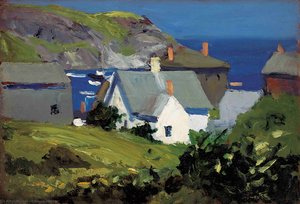
통계 정보여름날

- 74.0 x 112.0 cm


 더 보기
더 보기
이 페이지에 표시된 작품은 저작권법의 보호를 받으며, 이에 따라 동일한 복제품을 제작하거나 판매하는 것은 법으로 금지되어 있습니다. 이러한 권리 보호는 다음과 같은 국제 협약에 따라 시행됩니다. 베른 협약 또한 다음에서 명시하는 법률을 포함한 국내법에 의해 보호됩니다. 미국 저작권법 제17조.
이 방식은 저작권 보호를 받는 예술 작품을 복제하거나 그대로 재현하는 것이 아니기에 저작권 규정을 완벽히 준수합니다. 대신, 이는 창의적인 재해석의 과정을 거칩니다. 즉, 원작에서 영감을 받되 원작과 동일하지 않은 새로운 회화 작품을 의미합니다.
지클레 / 아트 프린트
빠른 제작과 다양한 마감 옵션을 제공하는 박물관 수준의 지클레이 및 캔버스 프린트. ( 수작업 채색 복제본 주문하기 디지털 이미지로 전환)




P118B ₩10

P118H ₩10

P118W ₩10

P438Z ₩10

P508JH ₩12

P508YH ₩12

P805H ₩10

P805Z ₩10

P919BZ ₩10

P919G ₩10

P919XJ ₩10

P959ZH ₩10

P968JZ ₩12

W106C ₩8

W218G ₩10

W218JH ₩8

W218Y ₩10

W307PJ ₩10

W316G ₩10

W316PJ ₩8

W316Y ₩10

W398PJ ₩8

W4111J ₩10

W500HY ₩15

W500JH ₩15

W692G ₩12

W849H ₩8

W940BG ₩15

W953PJ ₩8




표준 규격
맞춤형
CM
INCH
작품의 원본 비율을 그대로 유지하는 프리셋 사이즈 중에서 선택해 보세요.
Loading sizes...

가로 너비
세로 길이
액자나 벽면 크기에 맞춰 필요한 가로와 세로 길이를 입력해 주세요. 프린트는 원본 이미지보다 크게 제작할 수 없으며 오직 자르는 것만 가능하므로, 비율이 다른 사이즈를 선택할 경우 이미지의 일부가 잘려 나갈 수 있습니다. 인쇄 작업에 들어가기 전, 최종 확인을 위해 디지털 목업을 보내드립니다. 이 페이지에 표시된 이미지는 실제 잘리는 영역을 나타내지 않으며, 오직 목업을 통해서만 정확한 확인이 가능합니다.


 유리 옵션은 110cm 미만 크기에서만 선택 가능합니다.

여름날
지클레 / 아트 프린트
복제본 크기
-


최종 결제 금액
₩ 93362
멈춰진 순간: 호퍼의 “여름날”을 탐구하다
사회적 격변과 전쟁의 불확실성이 가득했던 1943년에 그려진 “여름날”은 현대 미국 삶의 고요한 드라마를 포착해내는 에드워드 호퍼의 거장다운 능력을 보여주는 전형적인 작품입니다. 이 감성을 자극하는 작품은 단순히 계단에 서 있는 여성을 묘사하는 것을 넘어, 고독과 기다림, 그리고 도시적 존재 방식에 내재된 미묘한 불안감을 가슴 아프게 탐구합니다.
장면과 예술적 스타일
그림 속에는 웅장하고 고전적인 양식의 건물로 이어지는 콘크리트 계단 위에 한 젊은 여성이 머물러 있습니다. 하늘색 드레스와 밀짚모자를 쓴 그녀는 마치 누군가를 기다리거나, 생각에 잠겨 있거나, 혹은 그저 주변을 관찰하며 잠시 시간이 멈춘 듯한 모습입니다. 호퍼 특유의 미국 재현주의 스타일은 형태의 정밀한 묘사, 빛과 그림자에 대한 세심한 주의, 그리고 과도한 감정 표현을 절제하는 방식에서 즉각적으로 드러납니다. 이러한 의도적인 절제는 작품 밑바닥에 흐르는 심리적 긴장감을 더욱 증폭시킵니다.
기법과 구성의 숙련도
호퍼는 캔버스 위에 유화 물감을 부드럽고 통제된 방식으로 사용하여, 표현적인 붓터치보다는 명확성과 정확성을 추구했습니다. 화면의 구성은 건물의 건축적 요소를 정의하는 강렬한 수직선과 수평선이 지배하며 강력한 기하학적 구조를 이룹니다. 이러한 딱딱한 구조는 여성의 부드러운 곡선과 극명한 대조를 이루며, 관객의 시선을 초점인 그녀에게로 자연스럽게 이끕니다. 또한 긴 그림자를 드리우고 건축적 디테일을 강조하는 전략적인 빛의 사용은 공간의 깊이와 손에 잡힐 듯한 분위기를 만들어냅니다.
역사적 맥락과 상징적 울림
제2차 세계 대전 중에 탄생한 “여름날”은 당시 시대가 가졌던 불확실성과 고립된 정서를 미묘하게 반영하고 있습니다. 전쟁을 직접적으로 언급하지는 않지만, 작품이 담고 있는 외로움과 소외라는 주제는 그 시대의 불안감과 깊은 공명을 이룹니다. 화면을 압도하는 건물은 사회적 구조나 기대치를 상징하는 것으로 해석될 수 있으며, 이는 개인을 경직된 틀 안에 가두는 역할을 하기도 합니다. 호퍼는 20세기 미국 삶의 변화하는 풍경을 투영하며 이러한 주제들을 빈번하게 탐구해 왔습니다.
정서적 충격과 영원한 매력
“여름날”을 진정으로 특별하게 만드는 것은 최소한의 디테일만으로 강력한 정서적 반응을 이끌어내는 능력입니다. 여성의 모호한 표정과 고립된 자세는 관객으로 하여금 자신의 경험과 해석을 장면 속에 투영하게 하며, 깊고 개인적인 연결을 만들어냅니다. 이러한 지속적인 가치는 이 작품을 개인 소장가들은 물론, 자신의 공간에 명상적인 아름다움을 채우고자 하는 이들에게도 매력적인 예술품으로 만들어 줍니다. 이 상징적인 작품의 재현은 일상 속에서 시적인 순간을 찾아내는 호퍼만의 독특한 시각을 당신의 가정이나 사무실로 가져다줄 것입니다.


작가 정보
미국적 풍경의 정적
에드워드 호퍼는 미국 뉴욕주 어퍼 나이악에서 태어났습니다. 그의 어린 시절은 세상을 관찰하는 흔들림 없는 시선과 함께 흘러갔으며, 이는 날짜와 서명이 정성스럽게 남겨진 어린 시절의 스케치들에서부터 그 시작을 엿볼 수 있습니다. 부모님은 그에게 상업 삽화가라는 실용적인 길을 권유하기도 했지만, 그의 시선은 언제나 순수 미술을 향해 있었습니다. 그는 뉴욕 미술 학교에서 윌리엄 메릿 채스와 로버트 헨리의 가르침을 받으며 수학했습니다. 이 시기는 그에게 세상을 꾸밈없이, 그리고 정직하게 묘사하는 데 필요한 기술적 숙련도를 길러주었습니다. 그는 파리에서 접했던 인상주의자들의 찰나적인 붓터치를 쫓지 않았습니다. 대신, 군중의 움직임보다는 순간의 정적을 선호하는 그만의 독특한 시각을 구축해 나갔습니다.
그의 작품은 종종 일상적인 것들에 집중합니다. 그는 집, 식당, 사무실, 그리고 호텔 방을 응시했습니다. 그는 장면 이면에 숨겨진 감정적 진실을 찾아내기 위해 불필요한 세부 사항들을 걷어냈습니다. 철길 옆의 집(1925)에서 보여주는 단순한 구도는 신비로움과 고립감을 동시에 드러냅니다. 그는 빛과 그림자를 단순히 공간을 설명하기 위한 도구가 아니라, 특유의 분위기를 조성하기 위한 수단으로 사용했습니다. 벽에 드리워진 그림자의 정교한 묘사나 창가로 스며드는 빛의 방식은 대상의 심리적 상태를 전달하는 그만의 언어가 되었습니다.
빛과 도시의 내부
공간 속으로 스며드는 빛의 방식은 그의 회화에서 핵심적인 역할을 수행하는 주인공과도 같습니다. 나이트호크스(1942)에서 심야 식당의 강렬한 형광등 빛은 인적이 끊긴 도시 거리의 어둠을 가로지릅니다. 식당 안의 인물들은 물리적으로는 가까이 있지만, 각자의 생각에 잠긴 채 서로 단절된 모습으로 보입니다. 이러한 군중 속의 익명성은 그의 반복되는 주제가 되었습니다. 그는 오토매트와 작은 도시의 사무실 같은 작품에서 느껴지듯, 공공장소에서 홀로 있을 때의 긴장감을 포착해냈습니다. 그는 인공적인 빛이 밤의 자연스러운 어둠과 상호작용하는 방식에 깊은 관심을 가졌습니다.
그의 아내 조세핀 니비슨 호퍼는 그의 삶에서 늘 곁을 지키는 존재였습니다. 그녀는 동료 예술가로서 종종 그의 모델이 되어주었으며, 그의 작품 속 수많은 여성 인물의 캐릭터에 그녀의 존재감이 투영되어 있습니다. 두 사람은 함께 소박한 삶을 꾸려나갔으며, 종종 뉴잉글랜드에서 여름을 보냈는데 이는 그가 그리는 풍경화에도 영향을 미쳤습니다. 도시와 농촌을 아우르는 그의 미국적 풍경 묘사는 종종 특유의 황량함이나 공허함을 강조합니다. 가스(1940)에 등장하는 길가의 주유소든, 호텔의 고요한 방이든, 그의 주제는 언제나 물리적 장소와 개인의 내면적 경험이 교차하는 지점을 향해 있습니다.
관찰이 남긴 유산
에드워드 호퍼의 영향력은 영화와 문학의 시각적 언어에까지 뻗어 있습니다. 구도를 통해 심리적 긴장감을 만들어내는 그의 능력은 이미지를 통해 이야기가 전달되는 방식을 연구하는 이들에게 많은 주목을 받아왔습니다. 그의 회화 작품들은 오늘날에도 전 세계 주요 미술관에 소장되어 있으며, 휘트니 미술관과 보스턴의 미술관 등이 그 대표적인 곳입니다. 그는 거창한 역사적 서사를 추구하지 않았습니다. 대신 일상의 고요한 구석에서 소재를 발견하며, 단순한 창문이나 스쳐 지나가는 낯선 이를 인간 조건에 대한 탐구의 대상으로 탈바꿈시켰습니다. 그의 작업은 사람과 사람 사이에 존재하는 침묵에 대한 끊임없는 탐구로 남아 있습니다.

에드워드 호퍼
1931 - 1967 , 미국
작가 정보 요약
- Artistic Movement Or Style: 미국 사실주의
- Artists Or Movements Influenced By This Artist: ['피에르 샌포드 로스']
- Artists Who Influenced This Artist:
- 윌리엄 메릿 채스
- 로버트 헨리
- 에드가 드가
- 에두아르 마네
- Date Of Birth: 1931
- Date Of Death: 1967
- Full Name: 에드워드 호퍼
- Nationality: 미국인
- Notable Artworks:
- 나이트호크스
- 가스
- 철도 옆의 집
- 오토매트
- 작은 도시의 사무실
- 서머타임
- Place Of Birth: 미국 어퍼 나이악
관련 콘텐츠

Solitude in Color: 10 Masterpieces That Capture the Essence of Loneliness
Explore iconic works by Hopper and Dalí that capture profound solitude. Discover all masterpieces on TopImpressionists.com.

Mastering Solitude: The Top 25 Iconic Artworks by Edward Hopper
Step into the quiet world of American Realism with our curated guide to the top 25 Edward Hopper artworks. Explore the light, shadow, and solitude behind his most iconic masterpieces. Find museum-quality reproductions and decor inspiration. Discover all masterpieces on TopImpressionists.com.

10 Iconic Masterpieces That Defined Contemporary Realism
Journey through the breathtaking world of Contemporary Realism. Explore 10 iconic masterpieces, their legendary artists, and the techniques that define modern realism. Find museum-quality art reproductions for your decor. Discover all masterpieces on TopImpressionists.com.