


 실제 크기로 보기
 보내기
보내기 공유하기
공유하기
 상세 보기
상세 보기 가이드 보기

 이미지 다운로드
 유사 작품 더 보기
 X-레이
X-레이 슬라이드 쇼 보기
 통계 정보
통계 정보Landscape with Windmill

Discover Edward Seago’s ‘Landscape with Windmill,’ an evocative oil painting of coastal tranquility. Explore its Impressionistic style & serene beauty – a timeless piece.
에드워드 시고(1910-1974)를 만나보세요. 서정적인 풍경화와 해경, 매력적인 전원 풍경으로 유명한 영국의 저명한 인상주의 화가입니다. 영국 왕실의 사랑을 받은 그의 작품은 영국과 그 너머의 아름다움을 담아냅니다.
 상세 보기
상세 보기
이 페이지에 표시된 작품은 저작권법의 보호를 받으며, 이에 따라 동일한 복제품을 제작하거나 판매하는 것은 법으로 금지되어 있습니다. 이러한 권리 보호는 다음과 같은 국제 협약에 따라 시행됩니다. 베른 협약 또한 다음에서 명시하는 법률을 포함한 국내법에 의해 보호됩니다. 미국 저작권법 제17조.
이 방식은 저작권 보호를 받는 예술 작품을 복제하거나 그대로 재현하는 것이 아니기에 저작권 규정을 완벽히 준수합니다. 대신, 이는 창의적인 재해석의 과정을 거칩니다. 즉, 원작에서 영감을 받되 원작과 동일하지 않은 새로운 회화 작품을 의미합니다.
지클레 / 아트 프린트
빠른 제작과 다양한 마감 옵션을 선택할 수 있는 박물관 수준의 지클레이 및 캔버스 프린트. ( 수작업 채색 복제본 주문하기 디지털 이미지 판매 채널로 전환)




































표준 규격
맞춤 제작
CM
INCH
작품의 원본 비율을 그대로 유지하는 프리셋 사이즈 중에서 선택해 보세요.
Loading sizes...

가로 너비
높이
액자나 벽면 크기에 맞춰 필요한 가로와 세로 길이를 입력해 주세요. 프린트는 원본 이미지보다 크게 제작할 수 없으며 오직 자르는 것만 가능하므로, 비율이 다른 사이즈를 선택할 경우 이미지의 일부가 잘려 나갈 수 있습니다. 인쇄 작업에 들어가기 전, 최종 확인을 위해 디지털 목업을 보내드립니다. 이 페이지에 표시된 이미지는 실제 잘리는 영역을 나타내지 않으며, 오직 목업을 통해서만 정확한 확인이 가능합니다.


 유리 옵션은 110cm 미만 크기에서만 선택 가능합니다.

Landscape with Windmill
지클레 / 아트 프린트
복제본 규격
-


총 결제 금액
₩ 93667
관련 작품들


작가 소개
이스트 앵글리아의 빛: 에드워드 시고의 삶과 유산
에드워드 시고의 캔버스 속을 거니는 것은 영국 풍경의 심장부로 떠나는 감각적인 여정과도 같습니다. 그곳의 공기는 바다 안개의 짠 기운으로 가득 차 있고, 빛은 노퍽 습지 위에서 찬란하게 춤을 춥니다. 1910년 3월 31일 노리치에서 태어난 시고는 이스트 앵글리아의 토양 및 바다와 운명적으로 연결된 예술가였습니다. 석탄 상인의 아들로 태어났음에도 그의 영혼은 결코 일상적인 삶에 머물지 않았으며, 대신 자연 세계가 선사하는 찰나의 찬란함에 매료되었습니다. 어린 시절부터 주변 환경과 맺었던 깊은 유대감은 훗날 마치 살아 숨 쉬는 듯한 생동감을 내뿜는 작품들로 발현되었습니다. 비록 소년 시절 발작성 빈맥이라는 희귀한 심장 질환으로 인해 집 안에 머물러야 하는 시간이 많았지만, 역설적이게도 그 강요된 정적의 시간은 그의 관찰력을 꽃피우는 계기가 되었습니다. 그는 이 시기에 빛과 그림자의 미묘한 변화를 깊이 연구했으며, 이는 훗날 그의 화풍을 상징하는 독보적인 특징이 되었습니다.
시고의 예술적 진화는 스스로 향한 열정과 거장들의 영향력이 완벽하게 어우러진 결과물이었습니다. 그는 상당 부분 독학으로 예술 세계를 구축했으나, 서 알프레드 머닝스와 버트람 프리스트먼 같은 거장들의 지도는 그의 길을 밝혀주는 등불이 되었습니다. 이러한 만남은 사실적인 묘사와 후기 인상주의 특유의 자유롭고 표현적인 붓터치를 결합하는 능력을 정교하게 다듬어 주었습니다. 존 싱어 사전트의 빛나는 터치와 자주 비교되는 그의 기법은 단순한 지형적 정확성을 넘어, 세심한 색채 조절을 통해 대기의 분위기를 불러일으키는 데 집중했습니다. 수채화의 투명하고 유려한 매력부터 유화의 풍부하고 질감 있는 깊이감에 이르기까지, 시고는 서퍽 해변에 몰려드는 폭풍우나 겨울 정원의 고요하고 차분한 고독처럼 찰나의 "본질"을 포착하는 보기 드문 능력을 지니고 있었습니다.
전쟁과 왕실 속에서 빚어진 예술적 비전
시고의 경력은 제2차 세계대전이라는 격동의 시기를 거치며 깊은 변화를 맞이했습니다. 많은 예술가가 전쟁으로 인해 창작 활동이 중단된 것과 달리, 시고의 독특한 재능은 조국을 위해 쓰였습니다. 왕립 공병대에 입대하게 된 그는 색채와 형태에 대한 예리한 안목을 활용하여 위장 기술을 개발했는데, 이는 풍경 속에서 빛과 질감이 어떻게 섞이는지에 대한 깊은 이해를 필요로 하는 작업이었습니다. 이 군 복무 기간은 그의 창의성을 억누르기는커녕, 오히려 시각의 기만적인 특성을 다루는 기술적 통제력을 심화시켰습니다. 전쟁의 그림자가 걷히고 세상이 다시 빛을 찾았을 때, 시고의 명성은 새로운 정점에 도달하며 영국 사회 최상류층의 찬사를 받게 되었습니다.
영국 해안과 농촌 생활의 아름다움을 기록하는 그의 능력은 영국 왕실의 마음을 깊이 움직였습니다. 엘리자베스 왕대비(Queen Mother)와 필립 공 같은 인물들이 그의 작품을 수집했다는 사실은 영국 풍경의 독보적인 기록가로서 그의 위상을 확고히 해주었습니다. 그의 작품 세계는 익숙한 노퍽의 지평선을 넘어 프랑스 여행지에서 마주한 서정적인 장면들로 확장되었습니다. 특히 루앙에서의 평온한 묘사는 절제된 색조와 대기감이 느껴지는 자유로운 붓놀림으로 강가의 황혼을 완벽하게 포착해냈습니다. 친밀한 거리 풍경부터 서퍽 해변(Suffolk Beach)과 같이 광활하고 폭풍우 치는 바다 풍경에 이르기까지, 그의 폭넓은 주제 의식은 그가 지역 관찰자인 동시에 위대한 여행가였음을 증명합니다.
거장이 남긴 영원한 인상
1974년 런던에서 생을 마감한 에드워드 시고의 삶을 되돌아볼 때, 우리는 전통적인 사실주의와 인상주의의 감성적 자유 사이의 간극을 성공적으로 메운 예술가를 발견하게 됩니다. 그의 진정한 가치는 단순한 기술적 숙련도에 있는 것이 아니라, 사라져가는 삶의 방식을 지켜낸 수호자로서의 역할에 있습니다. 그의 눈을 통해 우리는 노퍽 해안선의 영원한 아름다움, 턴(Thurne)의 풍차들이 만들어내는 리듬감 있는 움직임, 그리고 하프 타이드, 핀 밀(Half-Tide, Pin Mill)에 깃든 해양 생활의 고요한 품격을 목격합니다. 그의 작품은 우리에게 친숙하면서도 천상처럼 아름다운 풍경으로 향하는 향수 어린 창문이 되어줍니다.
오늘날 시고의 유산은 전 세계 저명한 기관들에 보존되어, "빛으로 그려진 그의 삶"이 새로운 세대의 수집가와 애호가들에게 끊임없이 영감을 주고 있습니다. 영국 미술사에 남긴 그의 공헌은 다음과 같은 영원한 주제들로 요약될 수 있습니다.
- 대기의 마스터리: 색채 조절을 통해 영국 시골 특유의 습도, 빛, 그리고 날씨를 재현해내는 탁월한 능력.
- 기술적 다재다능함: 수채화의 섬세한 뉘앙스와 유화의 강건한 질감 사이를 넘나드는 매끄러운 전환.
- 문화적 연결고리: 이스트 앵글리아 풍경에 대한 깊은 애착을 바탕으로 영국 풍경화의 결정적인 목소리가 됨.
- 역사적 공명: 20세기 중반 영국 정신의 회복력을 거울처럼 투영해낸 예술적 여정.

에드워드 시고
1910 - 1974 , 영국
작가 정보 요약
- Artistic Movement Or Style: 인상주의
- Artists Or Movements Influenced By This Artist: ['후기 인상주의']
- Artists Who Influenced This Artist: ['클로드 모네']
- Date Of Birth: 1910
- Date Of Death: 1974
- Full Name: 에드워드 브라이언 시고
- Nationality: 영국
- Notable Artworks: ['겨울 아침']
- Place Of Birth: 영국 노리치
관련 기사
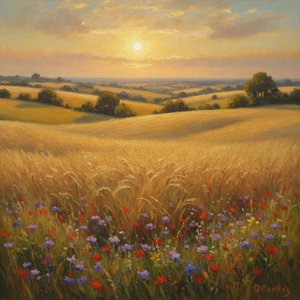
Golden Fields & Sun-Drenched Meadows: Capturing the Soul of Impressionist Landscapes
Immerse yourself in the luminous world of Impressionist landscapes. Discover how masters like Monet and Gauguin captured ephemeral light through plein air painting, and learn to bring the soul of sun-drenched meadows into your home with exquisite, hand-painted oil reproductions.

Beyond the Light: Capturing Raw Emotion and Subjective Vision in Post-Impressionist Landscapes
Explore the profound emotional depth of Post-Impressionist landscapes. Discover how masters like Van Gogh moved beyond light to capture raw human feeling through vibrant color and expressive texture in this expert art history retrospective.

Enchanting Strokes: Unveiling the Luminous Magic and Timeless Soul of Impressionist Masterpieces
Immerse yourself in the luminous beauty of Impressionism. TopImpressionists.com offers exquisite, hand-painted oil reproductions of masters like Monet and Van Gogh. From museum-quality landscapes to bespoke portraits from photos, we bring timeless artistry and soul to your collection.
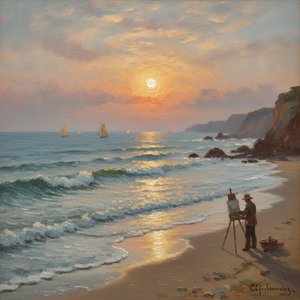
Whispers of the Waves: Discovering the Luminous Beauty and Timeless Light of Impressionist Coastal Art
Experience the breathtaking luminosity of Impressionist coastal art. From Monet’s shores to Sorolla’s sun-drenched waves, discover our exquisite hand-painted oil reproductions and bespoke commissions. Bring the timeless beauty of maritime masters into your home with TopImpressionists.com.

Capturing the Soul: The Most Emotionally Moving Impressionist and Post-Impressionist Masterpieces
Discover the profound emotional depth of Impressionist and Post-Impressionist masterpieces. Explore how legends like Monet, Van Gogh, and Gauguin captured light and soul through evocative landscapes and vibrant brushwork for a timeless connection to art history.