
빠른 제작과 다양한 마감 옵션을 제공하는 박물관 품질의 지클레이 또는 캔버스 프린트. ( 손으로 그린 그림 구매 이미지 구매)





























작품의 원본 비율을 유지하는 미리 설정된 크기 중에서 선택하세요.

특정 프레임이나 공간에 맞춰 직접 치수를 입력하실 수 있습니다. 선택하신 사이즈가 원본 이미지의 비율과 일치하지 않을 경우, 작품을 크롭(자르기)하거나 이미지를 대칭 또는 단색 채우기로 확장하여 제작합니다. 제작 시작 전, 최종 확인을 위해 디지털 목업이 전송됩니다.
화면상의 미리보기는 실제 크롭이나 확장 상태를 반영하지 않으므로, 최종 구도는 오직 목업을 통해서만 정확하게 확인하실 수 있습니다.
맞춤 사이즈 제작도 가능하지만, 원본 비율을 유지하기 위해서는 사전 정의된 목록에서 치수를 선택하시는 것을 권장합니다.

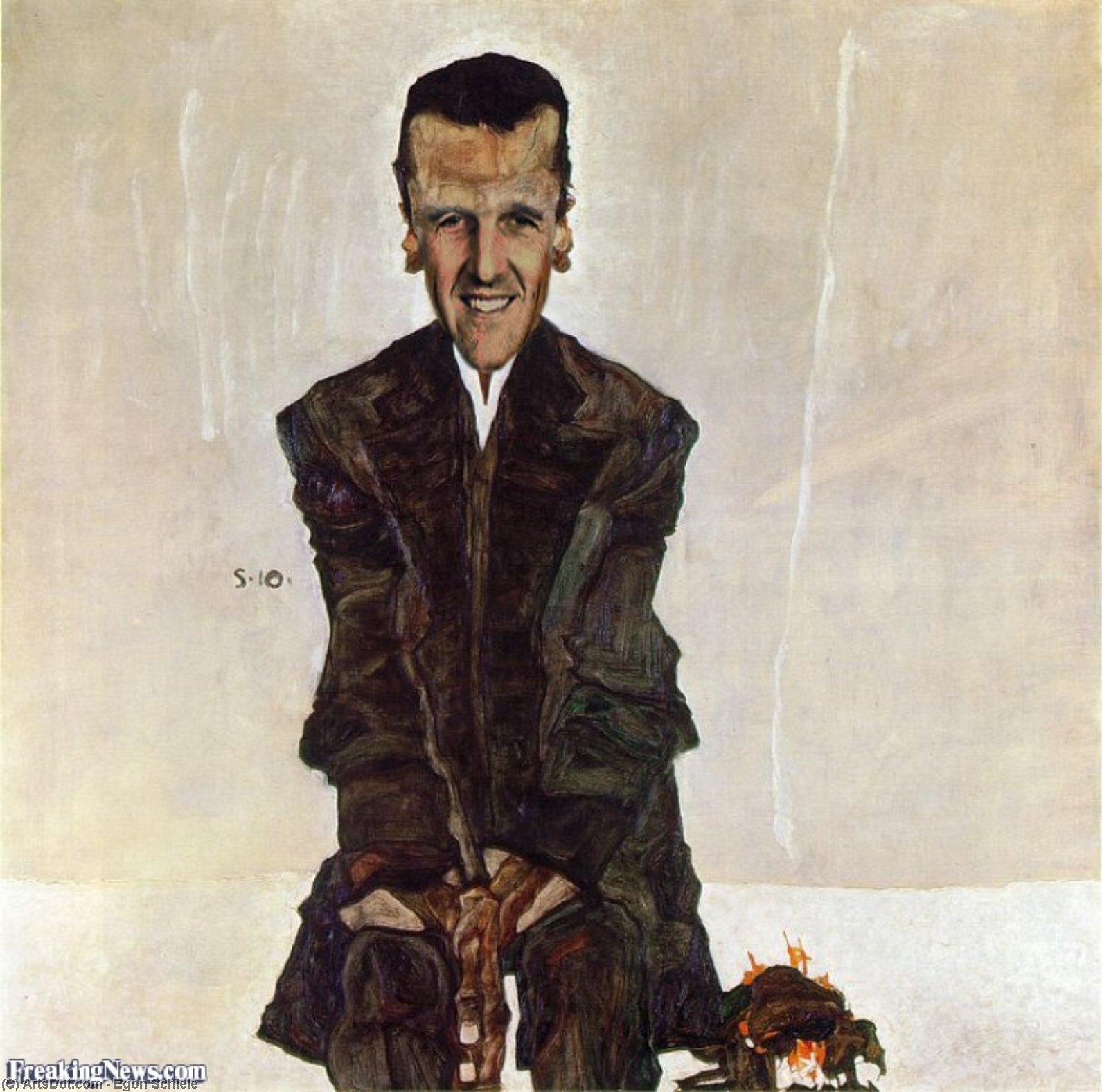
Eduard Kosmack1910
복제본 크기
Egon Schiele's 1910 portrait of Eduard Kosmack is not merely a depiction of a man; it’s an excavation of the psyche, rendered with a raw intensity that defines the burgeoning Expressionist movement. Kosmack, a publisher who supported Schiele during a challenging period in his career, becomes less a specific individual and more a vessel for exploring themes of anxiety, introspection, and the unsettling nature of modern existence. The painting’s power lies not in its flattering representation, but in its unflinching honesty – a quality that both captivated and disturbed audiences of its time, and continues to resonate today.
Schiele abandons the traditional pursuit of realistic likeness, instead employing a visual language built on distortion and expressive line. The figure of Kosmack is not smoothly modeled or idealized; rather, he appears almost contorted, his limbs angular and his features subtly exaggerated. This deliberate departure from academic convention reflects Schiele’s rejection of societal norms and his desire to convey inner emotional states over superficial appearances. The brushwork itself is crucial – loose, visible strokes build up a textured surface, creating a sense of restless energy. Impasto, the thick application of paint, further emphasizes this tactile quality, inviting the viewer to not just *see* the portrait but almost *feel* its emotional weight. The muted palette of browns, grays, and ochres contributes to the somber mood, reinforcing the feeling of psychological depth. The flattened perspective adds to the sense of claustrophobia, drawing the viewer into Kosmack’s internal world.
To understand “Eduard Kosmack” fully, one must consider its historical context. Vienna at the turn of the century was a hotbed of artistic and intellectual ferment. The established order was crumbling, giving rise to new ideas about psychology, sexuality, and the human condition. Figures like Sigmund Freud were challenging conventional understandings of the mind, and artists like Gustav Klimt – who served as a mentor to Schiele – were pushing the boundaries of representation. Schiele’s work emerged from this environment, reflecting the anxieties and uncertainties of a rapidly changing world. His willingness to confront taboo subjects, particularly those related to sexuality and mortality, made him a controversial figure, even leading to his brief imprisonment on charges of obscenity. However, it was precisely this uncompromising vision that established him as a pivotal voice in modern art.
The power of “Eduard Kosmack” extends beyond its stylistic innovations to its subtle yet potent symbolism. Kosmack's unsettling smile, coupled with his intense, unwavering gaze, suggests a complex inner life – perhaps one marked by anxiety or hidden desires. The way he holds his hands, bony and clasped tightly, speaks to a sense of restraint or even repression. While the painting doesn’t offer easy answers, it invites us to contemplate the complexities of human emotion and the masks we wear to navigate the world. The very act of portraiture itself becomes a form of psychological inquiry, as Schiele attempts to capture not just Kosmack's physical appearance but also his inner essence. The work is a testament to Schiele’s belief that art should be an expression of subjective experience, rather than a mere imitation of reality.

1890 - 1918 , 오스트리아 크로아티아

에곤 시엘레 최고 걸작 25선을 만나보세요. 표현주의 화가 시엘레의 삶과 죽음, 불안을 담은 인물화 작품들을 감상하고 그 의미를 탐구합니다. TopImpressionists에서 명작 복제본으로 예술적인 공간을 완성하세요. 지금 바로 컬렉션을 확인하세요!

Explore the emotionally charged world of Egon Schiele (1890-1918). Discover his Expressionist masterpieces, psychological themes, and lasting impact on modern art. A comprehensive guide for collectors & enthusiasts.

Explore 10 iconic paintings with captivating 'mushroom' tones! Discover Van Gogh, Monet & Rembrandt’s masterpieces—earthy palettes, rich history & artistic techniques. Find museum-quality art reproductions and curated decor ideas at

Journey through 10 iconic paintings bathed in 'sand' tones – from Van Gogh to Monet. Explore the stories, techniques & warm palettes of these timeless masterpieces. Find museum-quality art reproductions at and bring classic beauty home.
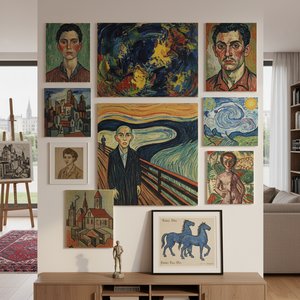
뭉크, 키르히너 등 거장들의 작품으로 표현주의 미술의 정수를 만나보세요. 강렬한 색채와 감정적 깊이가 깃든 명작 10선을 통해 예술의 세계를 탐험하고, TopImpressionists에서 고품질 아트 프린트를 소장하세요. 지금 바로 온라인 컬렉션을 확인하세요!


최신 미술 뉴스, 특별 혜택 및 인테리어 아이디어를 가장 먼저 만나보세요.
프로젝트에 대해 알려주시면 저희 미술 전문가들이 맞춤형 아트 제안 3가지를 전달해 드립니다.
당신만을 위한 맞춤형 옵션 3가지를 무료로 추천해 드립니다!

 미리보기
미리보기
 공유하기
공유하기 공유하기
공유하기
 상세 정보
상세 정보

 다운로드
다운로드
 유사 작품
유사 작품 X-레이
X-레이 슬라이드 쇼

 더 보기
더 보기









 유리 옵션은 110cm 미만 크기에서만 선택 가능합니다.


