


 실제 크기로 보기
 보내기
보내기 공유하기
공유하기
 상세 보기
상세 보기 가이드 보기

 이미지 다운로드
 유사 작품 더 보기
 X-레이
X-레이 슬라이드 쇼 보기
 통계 정보
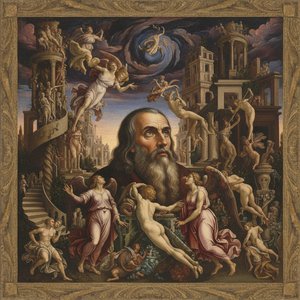
통계 정보The Modena Triptych (front panels)
 Acrylic On Canvas
- WallArt
- Expressionistic Mannerism
 1568
1568 37.0 x 23.0 cm
 Galleria Estense
Discover El Greco's 'The Modena Triptych' (front panels) – a masterpiece of dramatic storytelling and vibrant color from 1568, now available as a stunning hand-painted reproduction.
 상세 보기
상세 보기
엘 그레코: 16세기 스페인 미술의 거장! 만예리즘과 바로크 양식을 넘어선 독창적인 스타일로 '토ledo의 장례', '성 세바스티안' 등 종교적 열정과 강렬한 감성을 담은 걸작들을 남겼습니다. 표현주의와 입체주의에 영향을 준 선구자!
핸드메이드 유화 복제화
작가가 직접 캔버스에 손으로 그린 유화 작품으로, 원하는 크기와 액자로 맞춤 제작해 드립니다. ( 프린트 판매로 전환 디지털 이미지 판매 채널로 전환)




P118B ₩10

P118H ₩10

P118W ₩10

P438Z ₩10

P508JH ₩12

P508YH ₩12

P805H ₩10

P805Z ₩10

P919BZ ₩10

P919G ₩10

P919XJ ₩10

P959ZH ₩10

P968JZ ₩12

W106C ₩8

W218G ₩10

W218JH ₩8

W218Y ₩10

W307PJ ₩10

W316G ₩10

W316PJ ₩8

W316Y ₩10

W398PJ ₩8

W4111J ₩10

W500HY ₩15

W500JH ₩15

W692G ₩12

W849H ₩8

W940BG ₩15

W953PJ ₩8




표준 규격
맞춤 제작
CM
INCH
작품의 원본 비율을 그대로 유지하는 프리셋 사이즈 중에서 선택해 보세요.
Loading sizes...

가로 너비
높이
액자나 벽면 크기에 맞춰 필요한 가로와 세로 길이를 입력해 주세요. 본 작품은 수작업으로 제작되므로, 요청하신 비율에 따라 작가가 그림의 가장자리를 조금 더 넓게 그리거나 일부를 조정하여 작업할 수 있습니다. 작업 시작 전, 최종 확인을 위해 디지털 목업 이미지를 보내드립니다. 이 페이지에 표시된 이미지는 실제 결과물과 다를 수 있으며, 오직 목업 이미지만이 정확한 결과물을 보여줍니다.
변경 가능한 예시: 얼굴을 고객님의 사진으로 교체, 반려동물 추가(예: 고양이를 강아지로 변경), 배경에 숨겨진 메시지 삽입, 배경 풍경 또는 요소 변경 등
주문 완료 후 TopImpressionists.com 팀에서 상세 안내를 위해 고객님께 이메일을 보내드리며, 미리보기 시안을 함께 제공해 드립니다.
주문 완료 후 TopImpressionists.com 팀에서 상세 안내를 위해 고객님께 이메일을 보내드리며, 미리보기 시안을 함께 제공해 드립니다.


 유리 옵션은 110cm 미만 크기에서만 선택 가능합니다.

The Modena Triptych (front panels)
재현 매체
복제본 규격
-


총 결제 금액
₩ 365166
The Modena Triptych: A Glimpse into El Greco’s Soul
The Modena Triptych, created in 1568 by the visionary artist Doménikos Theotokopoulos – better known as El Greco – stands as a pivotal work in his artistic journey. More than just a religious depiction, it's a profound exploration of faith, humanity, and the burgeoning Expressionist currents that would later define European art. Housed within the Galleria Estense in Modena, Italy, this tempera painting offers a rare window into El Greco’s unique synthesis of Byzantine tradition, Venetian influence, and his own intensely personal vision. The triptych's three panels – each meticulously rendered with vibrant colors and dramatic lighting – tell layered stories, inviting contemplation on themes of salvation, earthly struggles, and the divine presence within the human experience.
El Greco’s early training in Crete instilled a deep reverence for Byzantine iconography, evident in the meticulous detail and stylized figures. However, his time in Venice exposed him to the dynamism of the Venetian Renaissance, particularly the works of Titian and Tintoretto, which he skillfully integrated into his own style. This fusion is strikingly apparent in the Modena Triptych: the formal rigor of Byzantine painting coexists with a heightened sense of drama, elongated forms, and an emotional intensity that foreshadows the expressive power of later movements. The use of tempera paint – known for its luminous quality and slow drying time – allowed El Greco to build up layers of color and create subtle gradations of light and shadow, contributing significantly to the painting’s ethereal atmosphere.
Panel Breakdown: Narratives of Faith and Humanity
The triptych unfolds as a series of interconnected narratives. The central panel depicts the Adoration of the Shepherds, a scene brimming with symbolic weight. A Christian knight, resplendent in armor, is crowned by Christ – an image laden with meaning representing divine grace and earthly triumph. Below, the shepherds kneel in adoration, their faces etched with reverence. To either side are scenes from the Baptism of Jesus and the Adoration of the Magi, further reinforcing the central theme of salvation through faith. The back panels offer a contrasting perspective, showcasing biblical events such as the Annunciation to Mary, the revelation at Mount Sinai, and the creation of Adam and Eve. These scenes, rendered with a similar level of detail and emotional intensity, underscore the enduring struggle between good and evil, obedience and rebellion, within the human story.
Notably, El Greco’s compositional choices are deliberate and impactful. The figures are elongated and often appear to be caught in moments of intense emotion – a characteristic that would become synonymous with his style. He employs dramatic diagonals and swirling drapery to create a sense of movement and dynamism, drawing the viewer's eye through the complex arrangement of figures and objects. The use of color is equally striking; vibrant reds, blues, and golds dominate the palette, creating a visually arresting effect that amplifies the emotional impact of each scene.
Symbolism and El Greco’s Vision
Beyond their literal depictions, the scenes in the Modena Triptych are rich in symbolism. The presence of Saint Catherine, with her wheel – a potent symbol of martyrdom and devotion – is particularly significant. Her inclusion suggests a connection to El Greco's Cretan roots and his deep faith. The recurring motif of light, often associated with divine illumination, permeates the entire triptych, guiding the viewer’s eye and reinforcing the central theme of spiritual enlightenment. El Greco wasn’t simply illustrating biblical stories; he was attempting to convey a profound emotional experience – a glimpse into the soul of humanity and its relationship with the divine.
The Modena Triptych represents a crucial stage in El Greco's artistic development, bridging the gap between his Byzantine training and his later, more individualistic style. It’s a testament to his ability to synthesize diverse influences – religious iconography, Venetian painting, and his own deeply personal vision – into a uniquely powerful and emotionally resonant work of art. Today, reproductions of this masterpiece offer an accessible way to appreciate the genius of El Greco and experience the enduring power of his artistic legacy.
질의응답
"The Modena Triptych (front panels)"에 사용된 기법은 무엇이며, 제작 시기는 언제인가요?
"The Modena Triptych (front panels)"은(는) 1568년에 Acrylic On Canvas 기법으로 제작되었습니다.
엘 그레코의 "The Modena Triptych (front panels)"의 방문객들은 어디에서 오나요?
엘 그레코의 "The Modena Triptych (front panels)"의 통계 페이지에서는 해당 작품의 월간 방문 수, 작가의 가장 많이 조회된 작품과의 비교, 그리고 방문자 유입 경로 등 공개 방문 통계를 제공합니다.
엘 그레코의 "The Modena Triptych (front panels)"의 전반적인 분위기는 어떠한가요?
"The Modena Triptych (front panels)"은(는) Dramatic 분위기를 자아냅니다.
작가 소개
빛과 신앙으로 빚어진 삶: 엘 그레코
도메니코스 테오토콜로풀로스, 세상에 ‘엘 그레코’(El Greco, 그리스인이라는 뜻)라는 이름으로 알려진 그는 단순하게 규정할 수 없는 삶과 작품 세계를 가진 화가였습니다. 1541년 크레타 섬에서 태어나 베네치아 공화국의 지배를 받던 그의 예술 여정은 로마를 거쳐 마침내 스페인의 영적인 중심지, 토레데에 정착했습니다. 엘 그레코는 단순히 이 곳들의 영향을 받은 것이 아니라, 그 모든 것을 융합하여 이전에는 없었던 독자적인 스타일을 창조했습니다. 이는 수백 년 후 표현주의의 감정적 강렬함과 입체주의의 파편화된 형태를 예견하는 듯했습니다. 그의 초기 교육은 비잔틴 전통 안에서 이루어졌으며, 이를 통해 세부 묘사에 대한 탁월한 이해와 종교적인 상징에 대한 깊이 있는 통찰력을 얻었습니다. 하지만 이러한 기반은 그를 가두지 못했습니다. 그는 작품에 그리스어로 서명하며, 자신의 고향인 크레타(Krḗs)라는 단어를 덧붙여 자부심을 드러냈습니다. 그의 독특한 스타일의 씨앗은 단순히 기법뿐만 아니라 조국에서의 열렬한 종교적 분위기와 베네치아 예술의 풍요로운 태피스트리 속에서 뿌리를 내렸습니다.베네치아에서 토레데로: 변모
1567년경 베네치아로 이주한 것은 그의 인생에서 중요한 전환점이 되었습니다. 활기찬 예술계에 몰두하며 티치아노, 틴토레토, 베로네세 등 거장들의 작품을 연구하며 색채, 구도, 극적인 조명 기법의 숙달을 배웠습니다. 그는 붓놀림을 부드럽게 하고, 유화 물감의 감각적인 매력을 받아들이며, 이전에는 볼 수 없었던 역동성을 지닌 인물을 표현하기 시작했습니다. 베네치아의 이러한 영향은 1600년에 그린 <성 세바스티안>에서 잘 드러나는데, 해부학적 디테일과 거의 극적인 조명 효과가 완벽하게 어우러져 있습니다. 이후 로마를 방문하여 마니에리즘 양식 – 길쭉한 형태, 왜곡된 원근법, 정교한 구성을 특징으로 하는 스타일 – 에 노출되었지만, 경쟁이 치열한 로마 미술계에서 널리 인정받기는 어려웠습니다. 1577년 토레데로 이주하여 비로소 그의 독특한 비전이 꽃피울 수 있었습니다. 당시 종교적 열기가 뜨거웠던 토레데는 반종교개혁 시대에 후원과 함께 그의 강렬한 영적인 그림을 위한 분위기를 제공했습니다.그 어떤 작품보다 독특한 스타일
엘 그레코의 예술적 스타일은 즉시 알아볼 수 있으며, 완전히 매혹적입니다. 그의 인물들은 종종 극적으로 길쭉하며, 영적인 황홀경이나 깊은 고뇌를 표현하는 듯한 자세로 몸이 늘어나고 뒤틀립니다. 이는 단순한 양식상의 장식이 아니라, 보이는 것 너머의 보이지 않는 감정적, 정신적 현실을 묘사하려는 시도입니다. 그는 색채를 능숙하게 사용하여 – 반드시 현실적인 색채는 아니지만, 생생하고 종종 비현실적인 색조 – 작품의 감정적 영향을 증폭시켰습니다. 강렬한 명암 대비를 통해 극적인 조명을 활용하여 연극적인 효과를 창출하며, 보는 이들을 장면의 중심부로 끌어들입니다. 1586년에서 1588년에 걸쳐 완성된 그의 대표작 <오르가즈 백작의 장례>는 이러한 특징을 완벽하게 보여줍니다. 이 그림은 경건한 귀족을 매장하기 위해 성자들이 강림하는 기적적인 사건을 묘사하며, 동시대 인물의 사실적인 묘사와 신성한 개입을 나타내는 에테르 같은 길쭉한 형태가 놀랍도록 조화를 이루고 있습니다. 그는 비잔틴 전통과 이탈리아 르네상스 기술을 결합하여 혁신적이면서도 매우 개인적인 스타일을 구축했습니다. 그의 후기 작품은 점점 더 신비주의적 경향을 보이며, 자신의 깊은 종교적 믿음과 기존의 예술 규범으로부터의 점진적인 거리를 반영합니다.유산과 재발견
1614년 사망 당시 상당한 성공을 거두었음에도 불구하고 – 토레데의 교회와 수도원에서 중요한 의뢰를 받았습니다 – 엘 그레코의 작품은 세기가 흐르면서 상대적으로 잊혀졌습니다. 수세기 동안 그는 예술사학자들에게 간과되었으며, 괴짜나 지방 화가로 여겨졌습니다. 20세기에 이르러서야 그의 천재성이 완전히 인정받기 시작했습니다. 피카소와 브라크와 같은 예술가들은 그를 현대 미술의 선구자로 인식하며, 왜곡된 형태와 비정통적인 원근법을 높이 평가했습니다. 그의 표현력 있는 스타일은 감정적 강렬함을 과감한 색채와 극적인 구성을 통해 전달하려 했던 표현주의자들에게 반향을 일으켰습니다. 오늘날 엘 그레코는 서구 미술사에서 가장 중요한 인물 중 하나로 기념되고 있습니다. 그의 작품은 영적인 깊이, 감정의 힘, 독특한 예술적 비전으로 관객들을 사로잡으며 끊임없이 영감을 주고 있습니다. 그의 그림들은 단순한 종교 장면의 묘사가 아니라, 영혼 속으로 통하는 창문이자 믿음의 지속적인 힘에 대한 증거이며, 인간 정신의 초월성을 기념하는 작품입니다.주요 작품
- 오르가즈 백작의 장례 (1586-1588): 현실과 영적 강렬함이 완벽하게 조화를 이룬 그의 대표작
- 토레데 전경 (1596-1600): 소용돌이치는 대기 속에서 도시의 본질을 사로잡는 극적인 풍경화
- 다섯 번째 봉인이 열리는 장면 (1608-1614): 요한계시록에 영감을 받은 연작 중 하나로, 그의 종말론적 비전과 극적인 구성을 보여줍니다.
- 성 세바스티안 (1600): 해부학적 디테일, 극적인 조명, 감정적 강렬함이 어우러진 성인의 강력한 묘사
- 예수의 옷을 벗기는 장면 (1577-1579): 그의 베네치아 영향과 색채 및 조명의 극적인 사용을 보여주는 초기 작품

엘 그레코
1541 - 1614 , 그리스
작가 정보 요약
- 국적: 그리스-스페인
- 대표 작품:
- 오르가즈 백작의 장례식
- 토레도 전경
- 엘 에스폴리오
- 성 세바스티안
- 사망일: 1614년
- 영향을 받은 예술 사조:
- 표현주의
- 입체주의
- 영향을 준 예술가:
- 티치아노
- 틴토레토
- 예술 사조: 마니에리즘, 바로크 미술
- 전체 이름: 도메니코스 테오토콜로풀로스
- 출생일: 1541년
- 출생지: 크레타, 그리스
관련 기사

프라도 미술관 최고 걸작 25선: 역사와 예술의 숨결을 담은 명화 컬렉션 | TopImpressionists
프라도 미술관 최고 걸작 25선을 만나보세요. 벨라스케스, 고야, 엘 그레코 등 거장들의 숨겨진 이야기와 명화의 아름다움을 탐험합니다. 유럽 미술의 정수를 TopImpressionists.com에서 감상하고, 특별한 인테리어 액자로 예술을 경험하세요.

Mannerism Explained: The Dramatic Evolution of Renaissance Art and the Rise of El Greco
Explore the dramatic evolution of Mannerism from High Renaissance perfection to El Greco's spiritual intensity. Discover the history, techniques, and enduring legacy of this transformative era through an expert art-history lens.

El Greco: Spirituality, Style & Innovation – A Renaissance Master's Legacy
Explore the captivating world of El Greco! Discover his unique style, spiritual intensity, and lasting impact on art history. Learn about this Renaissance master's life, iconic paintings & legacy.
Mannerism Unveiled: The Dramatic Evolution of Renaissance Art and the Visionary Legacy of El Greco
Explore the dramatic transition from High Renaissance harmony to Mannerist tension. Discover how masters like El Greco redefined art through distortion and spiritual intensity. An expert guide for art enthusiasts seeking deep historical context and museum-quality inspiration.

엘 그레코 걸작 25선: 영혼을 울리는 신성한 예술의 세계 | TopImpressionists
엘 그레코의 영혼을 담은 걸작 25선을 만나보세요. 스페인 화가 엘 그레코의 종교화, 마니에리스모 스타일, 그리고 그의 대표작들을 TopImpressionists에서 감상하고 특별한 인테리어 아트 아이디어를 얻으세요. 지금 바로 컬렉션을 탐험하세요!


