


 실제 크기로 보기
 보내기
보내기 공유하기
공유하기
 상세 보기
상세 보기 가이드 보기

 이미지 다운로드
 유사 작품 더 보기
 X-레이
X-레이 슬라이드 쇼 보기
 통계 정보
통계 정보Mountain Magic, Himalayas
 Impressionism
 31.0 x 41.0 cm
Discover 'Mountain Magic, Himalayas' by Eliot Clark – an evocative Impressionist landscape capturing the sublime beauty of the mountains. Oil on canvas, 1883-1980.
Eliot Clark (1883-1980) was an American Impressionist painter known for evocative landscapes, particularly scenes of the Himalayas & India. Son of Tonalist Walter Clark, he captured nature's beauty with subtle color and a spiritual depth. Explore his
 상세 보기
상세 보기
이 페이지에 표시된 작품은 저작권법의 보호를 받으며, 이에 따라 동일한 복제품을 제작하거나 판매하는 것은 법으로 금지되어 있습니다. 이러한 권리 보호는 다음과 같은 국제 협약에 따라 시행됩니다. 베른 협약 또한 다음에서 명시하는 법률을 포함한 국내법에 의해 보호됩니다. 미국 저작권법 제17조.
저희는 존중을 담은 합법적인 대안으로서, 원작에서 영감을 받은 맞춤형 수제 유화 작품을 제공합니다. 저희의 숙련된 전문 화가들은 원작의 스타일, 분위기, 예술적 정수를 면밀히 연구하여, 그 자체로 독창적인 창작물이면서도 원작과 동일한 감동을 불러일으키는 새로운 작품을 만들어냅니다.
이 방식은 저작권 보호를 받는 예술 작품을 복제하거나 그대로 재현하는 것이 아니기에 저작권 규정을 완벽히 준수합니다. 대신, 이는 창의적인 재해석의 과정을 거칩니다. 즉, 원작에서 영감을 받되 원작과 동일하지 않은 새로운 회화 작품을 의미합니다.
핸드메이드 유화 복제화
작가가 직접 캔버스에 손으로 그린 유화 작품으로, 원하는 크기와 액자로 맞춤 제작해 드립니다. ( 프린트 판매로 전환 디지털 이미지 판매 채널로 전환)




































표준 규격
맞춤 제작
CM
INCH
작품의 원본 비율을 그대로 유지하는 프리셋 사이즈 중에서 선택해 보세요.
Loading sizes...

가로 너비
높이
액자나 벽면 크기에 맞춰 필요한 가로와 세로 길이를 입력해 주세요. 본 작품은 수작업으로 제작되므로, 요청하신 비율에 따라 작가가 그림의 가장자리를 조금 더 넓게 그리거나 일부를 조정하여 작업할 수 있습니다. 작업 시작 전, 최종 확인을 위해 디지털 목업 이미지를 보내드립니다. 이 페이지에 표시된 이미지는 실제 결과물과 다를 수 있으며, 오직 목업 이미지만이 정확한 결과물을 보여줍니다.
변경 가능한 예시: 얼굴을 고객님의 사진으로 교체, 반려동물 추가(예: 고양이를 강아지로 변경), 배경에 숨겨진 메시지 삽입, 배경 풍경 또는 요소 변경 등
주문 완료 후 TopImpressionists.com 팀에서 상세 안내를 위해 고객님께 이메일을 보내드리며, 미리보기 시안을 함께 제공해 드립니다.
주문 완료 후 TopImpressionists.com 팀에서 상세 안내를 위해 고객님께 이메일을 보내드리며, 미리보기 시안을 함께 제공해 드립니다.


 유리 옵션은 110cm 미만 크기에서만 선택 가능합니다.

Mountain Magic, Himalayas
재현 매체
복제본 규격
-


총 결제 금액
₩ 364339
관련 작품들


작가 소개
Eliot Clark: A Spiritual Landscape Painter
Eliot Clark (1883-1980) wasn’t a name immediately recognized in the bustling galleries of his time, yet within the quiet depths of American Impressionism, he carved out a distinctive and profoundly moving space. Born in New York City amidst the vibrant cultural currents of the Gilded Age, Clark's artistic journey was shaped by a complex interplay of familial influences – notably his Tonalist father, Walter Clark – and a deep-seated yearning to capture the essence of nature’s grandeur, particularly the stark beauty of the Himalayas and the spiritual resonance of India. His work isn’t merely depictions of landscapes; they are imbued with a contemplative spirit, inviting viewers into a realm where earthly beauty intertwines with something far more profound.
Clark's early life was marked by both privilege and isolation. Raised in a prominent Boston Brahmin family, he spent his formative years navigating the social complexities of New York City before relocating to Washington, D.C., at the age of eleven. This move profoundly impacted him, fostering a deep connection to the American landscape – particularly the rolling hills of Virginia and the rugged beauty of the Appalachian Mountains. His father, Walter Clark, a Tonalist painter known for his muted palettes and atmospheric effects, instilled in young Eliot a reverence for nature’s subtle nuances. However, it was a brief stint with his uncle, a prominent figure in the burgeoning field of anthropology, that truly ignited Clark's fascination with Eastern cultures, particularly the Himalayas and India. This exposure to ancient spiritual traditions would become a recurring theme in his work, informing his color choices, compositional arrangements, and overall sense of atmosphere.
Clark’s artistic development unfolded gradually over several decades. Initially influenced by the Tonalist movement, characterized by its emphasis on tonal harmony and atmospheric effects, he steadily evolved toward a more Impressionistic style, embracing brighter colors, looser brushwork, and a greater focus on capturing fleeting moments of light and color. His early works in Virginia – landscapes of rolling hills, misty valleys, and sun-drenched fields – demonstrate this transition with remarkable clarity. However, it was his extended sojourns to India and the Himalayas in the 1920s and 30s that fundamentally reshaped his artistic vision. These experiences profoundly impacted his palette, introducing him to vibrant hues of saffron, turquoise, and ochre, which he skillfully integrated into his landscapes, creating a sense of otherworldly beauty. The scale of these vistas – towering peaks, vast plains, and seemingly endless skies – demanded a new approach to composition, often employing dramatic perspectives and expansive views to convey the immensity of nature’s power.
The Himalayas and India: A Spiritual Lens
Clark's travels to the Himalayas and India weren't simply expeditions for artistic inspiration; they were deeply spiritual journeys. He sought not just to document these exotic landscapes but to understand their underlying essence, believing that they held profound symbolic significance. His paintings of the Himalayas are particularly striking in this regard. Rather than literal representations, they convey a sense of awe and reverence, capturing the majesty of the mountains while simultaneously hinting at the spiritual realm. The use of color is crucial here – deep blues and purples evoke the vastness of the sky, while warm yellows and oranges suggest the warmth of the sun and the inner light of enlightenment.
Similarly, his depictions of Indian scenes—often featuring temples, bustling marketplaces, and serene riverbanks—are imbued with a sense of timelessness and spiritual depth. He wasn’t interested in portraying the superficial details of these cultures but rather in capturing their underlying spirit – a blend of ancient traditions, vibrant colors, and profound philosophical insights. The influence of Buddhist and Hindu iconography is subtly present in his compositions, often manifesting as stylized figures, intricate patterns, and symbolic motifs. Clark's approach to color was particularly influenced by the Indian tradition of using pigments derived from natural sources, resulting in a rich, earthy palette that perfectly complemented the landscapes he depicted.
Technique and Style
Clark’s technique evolved over his long career, reflecting his growing confidence and artistic maturity. Initially, his brushwork was relatively tight and controlled, characteristic of the Tonalist style. However, as he embraced Impressionism, his brushstrokes became looser and more expressive, allowing for a greater sense of spontaneity and immediacy. He favored layering colors to create depth and luminosity, often applying thin glazes over dry underpaintings to achieve a remarkable sense of transparency and atmospheric perspective. His use of light was particularly masterful – he skillfully captured the shifting qualities of sunlight, creating a dynamic interplay of highlights and shadows that brought his landscapes to life.
A key element of Clark’s style is his ability to evoke a sense of atmosphere—a feeling of stillness, contemplation, and connection to nature. He achieved this through careful attention to detail – the subtle variations in color, the delicate textures of foliage, and the evocative patterns of light and shadow. His paintings are not simply representations of landscapes; they are invitations to immerse oneself in their beauty and contemplate their profound meaning. He often worked *en plein air*, directly from nature, which allowed him to capture the fleeting effects of light and atmosphere with remarkable accuracy.
Legacy and Significance
Eliot Clark’s work represents a significant contribution to American Impressionism. While he shared many stylistic affinities with other Impressionist painters—such as Monet and Renoir—he developed a unique voice, characterized by his spiritual sensibility and his distinctive use of color. His paintings of the Himalayas and India are particularly noteworthy for their ability to transport viewers to distant lands and evoke a sense of wonder and awe. Clark’s legacy extends beyond his individual works; he helped to elevate the status of landscape painting as a vehicle for expressing profound philosophical and spiritual ideas.
Today, Eliot Clark's paintings are exhibited in museums and private collections around the world. His work continues to resonate with viewers who appreciate its beauty, its spirituality, and its enduring connection to nature. He remains an important figure in American art history, a testament to the power of observation, imagination, and artistic vision.

Eliot Clark
1883 - 1980
작가 정보 요약
- Full Name: Eliot Clark
- Nationality: American
- Date Of Birth: 1883
- Date Of Death: 1980
- Place Of Birth: New York City, USA
- Notable Artworks:
- Cape Blomaden, Nova Scotia
- Benares Scenes
- Virginia Landscapes
- Artistic Movement Or Style: Impressionism
- Artists Who Influenced This Artist: ['Walter Clark']
- Artists Or Movements Influenced By This Artist: ['Tonalism']
관련 기사
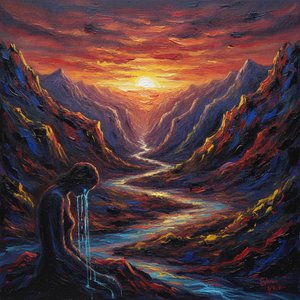
Capturing Emotion: A Journey Through the Soul of Expressionist Landscapes
Explore the profound emotional depth of Expressionist landscapes. Discover how Post-Impressionist masters moved beyond light to capture the soul through vibrant color and form. A curated journey for true art lovers seeking the beauty of expressive mastery.

Beyond the Light: Capturing Raw Emotion and Subjective Vision in Post-Impressionist Landscapes
Explore the profound emotional depth of Post-Impressionist landscapes. Discover how masters like Van Gogh moved beyond light to capture raw human feeling through vibrant color and expressive texture in this expert art history retrospective.