


 실제 크기로 보기
 보내기
보내기 공유하기
공유하기
 상세 보기
상세 보기 가이드 보기

 이미지 다운로드
 유사 작품 더 보기
 X-레이
X-레이 슬라이드 쇼 보기
 Q&A
Q&A 통계 정보
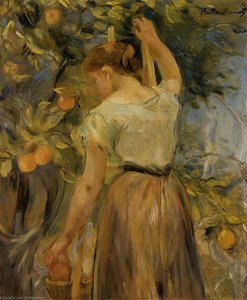
통계 정보Tree
 27.0 x 22.0 cm
Discover Elizabeth Muntz's evocative landscapes & studies of nature (1894-1977). Explore her detailed depictions of trees, boats, and harbors through TopImpressionists.
 상세 보기
상세 보기
이 페이지에 표시된 작품은 저작권법의 보호를 받으며, 이에 따라 동일한 복제품을 제작하거나 판매하는 것은 법으로 금지되어 있습니다. 이러한 권리 보호는 다음과 같은 국제 협약에 따라 시행됩니다. 베른 협약 또한 다음에서 명시하는 법률을 포함한 국내법에 의해 보호됩니다. 미국 저작권법 제17조.
저희는 존중을 담은 합법적인 대안으로서, 원작에서 영감을 받은 맞춤형 수제 유화 작품을 제공합니다. 저희의 숙련된 전문 화가들은 원작의 스타일, 분위기, 예술적 정수를 면밀히 연구하여, 그 자체로 독창적인 창작물이면서도 원작과 동일한 감동을 불러일으키는 새로운 작품을 만들어냅니다.
이 방식은 저작권 보호를 받는 예술 작품을 복제하거나 그대로 재현하는 것이 아니기에 저작권 규정을 완벽히 준수합니다. 대신, 이는 창의적인 재해석의 과정을 거칩니다. 즉, 원작에서 영감을 받되 원작과 동일하지 않은 새로운 회화 작품을 의미합니다.
핸드메이드 유화 복제화
작가가 직접 캔버스에 손으로 그린 유화 작품으로, 원하는 크기와 액자로 맞춤 제작해 드립니다. ( 프린트 판매로 전환 디지털 이미지 판매 채널로 전환)




































표준 규격
맞춤 제작
CM
INCH
작품의 원본 비율을 그대로 유지하는 프리셋 사이즈 중에서 선택해 보세요.
Loading sizes...

가로 너비
높이
액자나 벽면 크기에 맞춰 필요한 가로와 세로 길이를 입력해 주세요. 본 작품은 수작업으로 제작되므로, 요청하신 비율에 따라 작가가 그림의 가장자리를 조금 더 넓게 그리거나 일부를 조정하여 작업할 수 있습니다. 작업 시작 전, 최종 확인을 위해 디지털 목업 이미지를 보내드립니다. 이 페이지에 표시된 이미지는 실제 결과물과 다를 수 있으며, 오직 목업 이미지만이 정확한 결과물을 보여줍니다.
변경 가능한 예시: 얼굴을 고객님의 사진으로 교체, 반려동물 추가(예: 고양이를 강아지로 변경), 배경에 숨겨진 메시지 삽입, 배경 풍경 또는 요소 변경 등
주문 완료 후 TopImpressionists.com 팀에서 상세 안내를 위해 고객님께 이메일을 보내드리며, 미리보기 시안을 함께 제공해 드립니다.
주문 완료 후 TopImpressionists.com 팀에서 상세 안내를 위해 고객님께 이메일을 보내드리며, 미리보기 시안을 함께 제공해 드립니다.


 유리 옵션은 110cm 미만 크기에서만 선택 가능합니다.

Tree
재현 매체
복제본 규격
-


총 결제 금액
₩ 364118


작가 소개
Elizabeth Muntz: A Dorset Visionary of Trees and Light
Born in Toronto, Canada, in 1894, Elizabeth Muntz’s artistic journey was one shaped by a confluence of European influences and a deep connection to the natural world. Her early life provided a foundation rooted in Canadian heritage, yet it was her relocation to Paris at a young age that truly ignited her creative spirit. Studying under Antoine Bourdelle at the Académie de la Grande Chaumière, Muntz absorbed the principles of classical sculpture while simultaneously embracing the burgeoning Impressionist movement – a synthesis that would profoundly inform her later work. This formative period instilled in her a meticulous attention to form and an appreciation for capturing fleeting moments of light and atmosphere, qualities she would carry with her throughout her career.
Returning to England in the mid-1920s, Muntz established herself as a significant figure within the British art scene. She quickly joined influential groups like The Artist-Craftsmen Group and the London Group, demonstrating a willingness to engage with contemporary artistic dialogues. Her relocation to Dorset, specifically to Apple Tree Cottage in East Chaldon, proved to be a pivotal moment. This idyllic setting, nestled amidst rolling hills and ancient woodlands, became the primary source of inspiration for her art – particularly her celebrated depictions of trees and landscapes. Her close relationship with her aunt, Laura Muntz Lyall, another accomplished Canadian painter, undoubtedly contributed to her artistic sensibilities, fostering an appreciation for capturing the beauty of the natural world through a sensitive and observant lens.
The Language of Trees: Style and Technique
Muntz’s art is characterized by a remarkable sensitivity to detail and a masterful command of technique. While she initially trained in sculpture, her paintings demonstrate a profound understanding of color, texture, and composition. Her landscapes are not merely representations of scenery; they are imbued with a palpable sense of atmosphere – the dappled sunlight filtering through leaves, the subtle shifts in tone as clouds drift across the sky, the quiet stillness of a coastal harbor. She frequently employed a loose, expressive brushstroke, prioritizing capturing the *feeling* of a place over precise realism. Her use of color was particularly noteworthy; she favored warm, earthy tones – ochres, siennas, and umbers – to evoke the richness and depth of the Dorset countryside.
A key element of Muntz’s artistic practice was her meticulous study of trees. She produced numerous detailed studies of individual specimens, capturing their unique forms, textures, and patterns of light and shadow. These studies weren't simply botanical illustrations; they were explorations of the tree as a living entity – a symbol of resilience, growth, and connection to the earth. Her work often reveals an almost meditative quality, suggesting a deep reverence for the natural world.
A Dorset Legacy: Exhibitions and Recognition
Throughout her career, Muntz exhibited widely in both Britain and abroad, gaining recognition from prominent art critics and collectors. She was a regular participant in London Group exhibitions, showcasing her paintings alongside works by other leading artists of the period. Her work also appeared at The Modern Group of Artist-Craftsmen Second Exhibition and with the Seven and Five Society at the Beaux Arts Gallery. In 1932, she held a solo exhibition featuring drawings and sculptures at Cooling Galleries in London. Later in her career, Muntz’s paintings were exhibited at the Royal Academy, Goupil Gallery, and the Society of Women Artists, demonstrating her continued relevance within the British art world.
Notably, Muntz was awarded the title of Freeman of the Ancient Order of Purbeck Marblers and Stonecutters in 1960 – a testament to her connection with the local community and her appreciation for Dorset’s rich artistic heritage. Her legacy extends beyond her individual artworks; she also played a role in nurturing young artists, offering instruction at Bryanston School. A memorial stone carved by Muntz honoring Llewelyn Powys stands on the Dorset Cliffs, serving as a lasting reminder of her contribution to the region's cultural landscape.
The Enduring Vision
Elizabeth Muntz’s art continues to resonate with viewers today due to its profound sense of place and its intimate portrayal of the natural world. Her paintings offer a glimpse into a bygone era, yet they retain a timeless quality – a testament to her skill as an artist and her deep connection to the Dorset countryside. Her work is held in several British collections, including those at Dorset Museum & Art Gallery, ensuring that her vision will continue to inspire and captivate audiences for generations to come.

Elizabeth Muntz
1894 - 1977
작가 정보 요약
- Full Name: Elizabeth Muntz
- Nationality: Canadian
- Date Of Birth: 1894
- Date Of Death: 1977
- Place Of Birth: Toronto, Canada
- Notable Artworks:
- Study of Fence & Trees
- Queen Elizabeth II Law Courts
- Artistic Movement Or Style: Impressionism
- Artists Who Influenced This Artist:
- Antoine Bourdelle
- Frank Dobson
- Artists Or Movements Influenced By This Artist:
- Maillolesque tradition
- London Group