
 Acrylic On CanvasWallArtExpressionist Movement
 193219th Century
 52.0 x 36.0 cm




























작품의 원본 비율을 유지하는 미리 설정된 크기 중에서 선택하세요.

특정 프레임이나 공간에 맞도록 직접 크기를 입력할 수 있습니다. 선택하신 크기가 원본 이미지의 비율과 일치하지 않는 경우, 작품을 자르거나 추가적인 손으로 그린 요소를 사용하여 그림을 확장합니다. 제작 시작 전 승인을 위해 디지털 목업을 보내드립니다.
화면 미리 보기는 실제 자르기 또는 확장을 반영하지 않습니다. 최종 구성은 목업을 통해서만 정확하게 확인하실 수 있습니다.
맞춤 크기 제작도 가능하지만, 원본 비율을 유지하기 위해 사전 정의된 목록에서 크기를 선택하시는 것을 권장합니다.

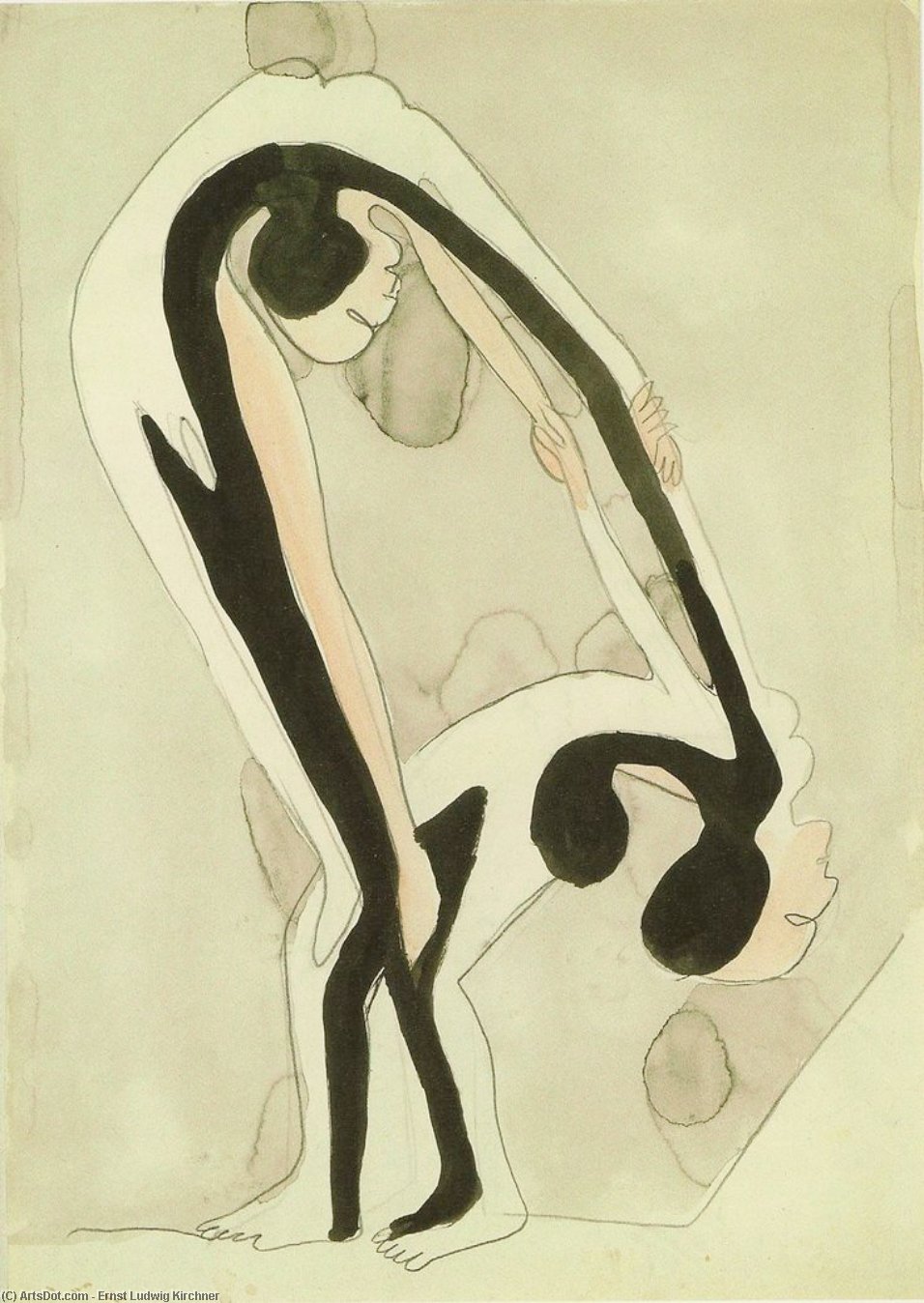
Arcrobats
복제본 크기
Ernst Ludwig Kirchner’s ‘Arcrobats,’ painted in 1932, is not merely a depiction of two figures; it’s a visceral plunge into the anxieties and uncertainties that defined the era. This work, rendered in stark black and white, exemplifies the core tenets of Expressionism – a movement born from a desire to translate inner emotional states onto canvas rather than simply mirroring external reality. Kirchner, a pivotal figure within the Brücke group, sought to dismantle traditional artistic conventions, employing bold lines, jarring color contrasts (though here presented in monochrome, the *effect* is powerfully chromatic), and deliberately distorted forms to evoke a profound sense of unease and psychological tension.
'Arcrobats’ was created during a period of significant social and political upheaval in Germany. The rise of industrialization, coupled with the growing sense of alienation and disillusionment fostered by rapid change, fueled the Expressionist movement's exploration of psychological themes. Kirchner himself experienced personal struggles – including bouts of depression – which undoubtedly informed his artistic vision. This painting can be seen as a reflection of the anxieties prevalent in Weimar Republic Germany, a nation grappling with economic instability, political extremism, and a profound sense of cultural disorientation.
Kirchner’s work aligns perfectly with the broader Expressionist project of confronting uncomfortable truths about the human condition. Unlike Impressionism's focus on capturing fleeting moments of beauty, Kirchner sought to expose the darker aspects of modern life – the isolation, the fear, and the potential for psychological breakdown.
While the precise meaning behind ‘Arcrobats’ remains open to interpretation, the figures themselves are rich with symbolic resonance. Their awkward poses can be read as representing a loss of control, a struggle against external forces, or perhaps even a confrontation with one's own inner demons. The white background, devoid of any comforting elements, symbolizes isolation and vulnerability. Some scholars suggest that the acrobats represent the precariousness of modern life – a world where individuals are constantly performing for an unseen audience, struggling to maintain their balance amidst chaos.
This 52 x 36 cm reproduction captures the essence of Kirchner’s masterpiece with exceptional detail and fidelity. It's a powerful addition to any collection seeking to engage with the intensity and emotional depth of Expressionist art. For those interested in exploring similar works, we encourage you to investigate other pieces within our extensive collection of Expressionist paintings, including Clyfford Still’s evocative abstractions or Ignaz Maybaum’s poignant depictions of urban life. Discover more about Kirchner's artistic journey and the broader context of Expressionism through links to related artworks and resources.

1880 - 1938 , 독일

Explore the raw emotional power of German Expressionism. From Kirchner to Die Brücke, discover how artists used distortion and vibrant color to unmask the human psyche. A deep dive into art history for the discerning collector and enthusiast.


최신 미술 뉴스, 특별 혜택 및 인테리어 아이디어를 가장 먼저 만나보세요.
프로젝트에 대해 알려주시면 저희 미술 전문가들이 맞춤형 아트 제안 3가지를 전달해 드립니다.
당신만을 위한 맞춤형 옵션 3가지를 무료로 추천해 드립니다!

 미리보기
미리보기
 프린트 구매
 공유하기
공유하기 공유하기
공유하기
 상세 정보
상세 정보

 다운로드
다운로드
 유사 작품
유사 작품 X-레이
X-레이 슬라이드 쇼
 더 보기
더 보기









 유리 옵션은 110cm 미만 크기에서만 선택 가능합니다.


