

 미리보기
미리보기
 공유하기
공유하기 공유하기
공유하기
 상세 정보
상세 정보 가이드 보기

 다운로드
다운로드
 유사 작품 더 보기
 X-레이
X-레이 슬라이드 쇼 보기
 질의응답
질의응답 통계 정보
통계 정보A breton boy

- 93.0 x 74.0 cm


Discover Paul Gauguin’s ‘A Breton Boy,’ a captivating post-impressionist oil painting from 1889. Explore its bold style, vibrant colors & unique composition – a timeless masterpiece.
 더 보기
더 보기
파블로 피카소와 같은 예술가들에게 영감을 받은 프랑스 화가 폴 고흐는 인상주의 이후의 새로운 스타일인 상징주의를 개척했습니다. 그의 작품은 태히트 예술과 서구 사회에 대한 반항 정신으로 가득 차 있으며 현대 미술의 중요한 이정표입니다.
지클레 / 아트 프린트
빠른 제작과 다양한 마감 옵션을 제공하는 박물관 수준의 지클레이 및 캔버스 프린트. ( 수작업 채색 복제본 주문하기 디지털 이미지로 전환)




P118B ₩10

P118H ₩10

P118W ₩10

P438Z ₩10

P508JH ₩12

P508YH ₩12

P805H ₩10

P805Z ₩10

P919BZ ₩10

P919G ₩10

P919XJ ₩10

P959ZH ₩10

P968JZ ₩12

W106C ₩8

W218G ₩10

W218JH ₩8

W218Y ₩10

W307PJ ₩10

W316G ₩10

W316PJ ₩8

W316Y ₩10

W398PJ ₩8

W4111J ₩10

W500HY ₩15

W500JH ₩15

W692G ₩12

W849H ₩8

W940BG ₩15

W953PJ ₩8




표준 규격
맞춤형
CM
INCH
작품의 원본 비율을 그대로 유지하는 프리셋 사이즈 중에서 선택해 보세요.
Loading sizes...

가로 너비
세로 길이
액자나 벽면 크기에 맞춰 필요한 가로와 세로 길이를 입력해 주세요. 프린트는 원본 이미지보다 크게 제작할 수 없으며 오직 자르는 것만 가능하므로, 비율이 다른 사이즈를 선택할 경우 이미지의 일부가 잘려 나갈 수 있습니다. 인쇄 작업에 들어가기 전, 최종 확인을 위해 디지털 목업을 보내드립니다. 이 페이지에 표시된 이미지는 실제 잘리는 영역을 나타내지 않으며, 오직 목업을 통해서만 정확한 확인이 가능합니다.


 유리 옵션은 110cm 미만 크기에서만 선택 가능합니다.

A breton boy
지클레 / 아트 프린트
복제본 크기
-


최종 결제 금액
₩ 94003
A Glimpse into Breton Life: Paul Gauguin’s ‘A Breton Boy’
Paul Gauguin's 1889 masterpiece, *A Breton Boy*, offers a captivating window into the lives of rural Brittany and marks a pivotal moment in the artist’s stylistic evolution. This oil on canvas (93 x 74 cm) isn’t merely a portrait; it’s an exploration of identity, simplicity, and the burgeoning Post-Impressionist aesthetic. The painting depicts a young Breton man, standing confidently against a backdrop of vibrant greenery, embodying both strength and vulnerability. Gauguin's choice to portray everyday individuals – rather than mythological or historical figures – was radical for its time, reflecting his growing interest in authentic representation and rejecting academic conventions.Synthetism & Cloisonnism: A Revolutionary Style
Gauguin deliberately moved away from the fleeting impressions of Impressionism towards a more structured and symbolic approach. *A Breton Boy* exemplifies this shift through its embrace of Synthetism and Cloisonnism. Synthetism prioritized flat planes of color and simplified forms over realistic depiction, aiming to express an idea rather than merely replicate visual reality. This is beautifully evident in the boy’s form and the surrounding foliage. Cloisonnism, inspired by medieval stained glass and Japanese prints, further emphasizes this effect through bold outlines defining areas of color – creating a sense of deliberate construction and graphic clarity. The result isn't photographic realism but an emotionally resonant image imbued with symbolic weight. Gauguin’s brushstrokes are visible and purposeful, contributing to the painting’s textured surface and expressive power.Brittany & Beyond: Historical Context & Influence
In 1886, seeking respite from Parisian life and artistic constraints, Gauguin first travelled to Brittany, drawn by its rugged landscapes and traditional culture. He found in the Breton people a sense of authenticity and connection to the land that resonated with his own spiritual searching. *A Breton Boy* is part of a series of works created during this period, documenting the lives and customs of the region. However, Gauguin wasn’t simply recording reality; he was interpreting it through his unique artistic lens. His work in Brittany paved the way for his later explorations in Tahiti, where he continued to develop his distinctive style and delve into themes of primitivism and spirituality. Comparisons can be drawn with contemporaries like Vincent van Gogh – both artists shared a passion for bold color and expressive brushwork, yet Gauguin’s focus on simplification and symbolism sets him apart.Emotional Resonance & Enduring Appeal
*A Breton Boy* evokes a sense of quiet contemplation and youthful strength. The boy's direct gaze engages the viewer, inviting us to consider his story and inner world. The vibrant colors and simplified forms create an atmosphere of both serenity and intensity. This painting isn’t just visually striking; it possesses a profound emotional depth that continues to captivate audiences today. Its enduring appeal lies in its ability to transcend time and culture, offering a timeless reflection on youth, identity, and the beauty of simplicity. A reproduction of this work would bring a touch of Post-Impressionist elegance and thoughtful introspection to any interior space.질의응답
"A breton boy"의 색감은 얼마나 채도가 높나요?
"A breton boy"의 색채 구성은 채도가 Clear Color Presence입니다.
폴 가우거인의 "A breton boy"과(와) 비슷한 느낌의 작품을 어떻게 찾을 수 있나요?
폴 가우거인의 "A breton boy"의 유사한 작품들 페이지에서 관련 작품들을 만나보세요.
폴 가우거인의 "A breton boy"의 프린트 제품은 어디에서 구매할 수 있나요?
폴 가우거인의 "A breton boy"의 프린트는 해당 파인 아트 프린트 페이지에서 바로 주문하실 수 있습니다: 코튼 캔버스 또는 아카이브용 캔버스지에 인쇄된 파인 아트 프린트
유사한 작품들


작가 정보
대담한 붓터치로 그려낸 삶: 폴 고갱의 세계
강렬한 색채와 반항적인 정신을 떠올리게 하는 이름, 에갱 앙리 폴 고갱은 인상주의에서 현대 미술로 넘어가는 전환기의 핵심적인 인물입니다. 1848년 파리에서 태어난 그의 삶은 결코 평범하지 않았습니다. 그의 어린 시절은 매우 독특한 환경 속에서 형성되었습니다. 언론인이었던 아버지와 페루 귀족 가문의 혈통을 이어받은 어머니 사이에서 자란 그는, 선구적인 페미니스트이자 사회주의 작가였던 외할머니 플로라 트리스탄의 이상주의적 정신이 흐르는 가정 환경 속에서 성장했습니다. 이러한 유산은 고갱의 예술적 비전에 깊은 영향을 미쳤으며, 유럽 너머의 문화에 대한 매혹을 심어주었습니다. 1850년 가족과 함께 페루로 이주하여 보낸 유년 시절은 파리 사회와는 전혀 다른 세계를 경험하게 했고, 이 기억은 마음속에 남아 결국 예술적 진정성을 찾아 떠나는 그의 여정에 불을 지폈습니다. 아버지가 세상을 떠난 후 프랑스로 돌아온 고갱은 정규 교육을 받았으나, 학문보다는 급성장하던 금융계에 매료되어 주식 중개인으로서의 커리어를 시작했습니다. 이는 그를 기다리고 있던 예술적 운명과는 상호 모순되어 보이는 길이었습니다.금융가에서 예술적 소명으로
수년 동안 고갱은 사업을 성실히 수행하면서도 마음 한편으로는 그림에 대한 열정을 몰래 키워나가는 이중적인 삶을 살았습니다. 초기에는 인상주의자들의 영향을 받아 여가 시간에 색채와 빛을 실험하기 시작했으나, 곧 찰나의 현실을 포착하는 데만 집중하는 그들의 방식에 한계를 느끼게 되었습니다. 1882년의 경제 위기는 전환점이 되었고, 그는 수익성 높은 직업을 포기하고 예술적 소명을 온전히 받아들이기로 결심합니다. 이는 단순한 직업의 변화가 아닌, 세계관의 근본적인 전환이었습니다. 그는 카미유 피사로에게 가르침을 구하며 파리의 아방가르드 예술계에 발을 들였으나, 곧 인상주의적 원칙에서 벗어나기 시작했습니다. 그는 단순히 눈에 보이는 것뿐만 아니라 자신이 *느끼는* 것을 전달할 수 있는, 더욱 표현적이고 상징적인 매체를 갈망했습니다. 이러한 열망은 그를 파리의 살롱을 넘어 '원시' 문화의 심장부로 이끄는 예술적 탐험의 여정으로 인도했습니다. 그는 단순히 이 문화를 묘사하는 데 그치지 않고, 서구 문명에서 상실된 순수함이 그곳에 있다고 믿으며 그 본질을 흡수하고자 했습니다.브르타뉴와 타히티의 부름
고갱의 예술적 진화는 그의 여행과 떼려나 놓을 수 없는 관계였습니다. 그는 브르타뉴에서 시간을 보내며 그 지역의 거친 풍경과 깊게 뿌리 내린 전통에 매료되었습니다. 이 시기에 그는 형태를 평면화하고, 대담한 윤곽선을 사용하며, 구도를 단순화하는 실험을 이어갔습니다. 이러한 기법들은 그를 사실주의로부터 멀어지게 하고 더욱 상징적인 언어에 가깝게 만들었습니다. 하지만 그의 창조적 잠재력을 진정으로 폭발시킨 것은 1891년 타히티로 떠난 여정이었습니다. 유럽 문명의 답답한 제약으로부터 도피처를 찾던 고갱은 폴리네시아 문화가 더 순수하고 진정한 삶의 방식을 제공할 것이라 믿으며 영감을 얻고자 했습니다. 이는 단순한 예술적 추구가 아닌 영적인 탐구였습니다. 그는 현지의 관습과 신앙에 몰입하여 폴리네시아 여성, 풍경, 그리고 종교적 의례를 자신만의 독특한 시각으로 그려냈습니다. 일본 판화의 영향인 자포니즘(Japonisme)과 중세 미술의 영향을 받아, 그는 강렬한 색채와 이국적인 소재, 그리고 신비로운 분위기가 특징인 독창적인 미학을 구축했습니다. “망고를 든 여인(Vahine no te miti)”, “죽은 자의 영혼이 지켜보는 모습(Manao Tupapau)”, 그리고 “신의 날(The Day of Gods)”과 같은 상징적인 작품들이 이 시기에 탄생하며 선구적인 예술가로서 그의 명성을 공고히 했습니다. 그의 색채 사용은 점점 더 대담해지고 비사실적으로 변해갔는데, 이는 현실을 복제하기 위함이 아니라 감정과 영적 의미를 표현하기 위한 수단이었습니다.유산과 논쟁
예술적 돌파구에도 불구하고 고갱의 삶은 종종 고난으로 점철되었습니다. 타히티와 이후 정착한 마르키즈 제도에서의 삶은 경제적 어려움과 건강 악화로 힘들었습니다. 그럼에도 그는 삶과 죽음, 그리고 영성에 대한 주제를 끊임없이 탐구하며 다작을 이어갔습니다. 1903년 마르키즈 제도의 외딴 섬인 히바 오아에서 그는 자신의 천재성을 거의 인정받지 못한 채 생을 마감했습니다. 고갱의 작품이 마땅한 찬사를 받기 시작한 것은 그가 죽은 이후였습니다. 오늘날 그는 인상주의와 상징주의 사이의 가교 역할을 하며 야수파와 같은 운동의 길을 닦은 현대 미술 발전의 핵심 인물로 추앙받습니다. 그의 색채 사용, 단순화된 형태, 그리고 상징적 이미지는 파블로 피카소, 앙리 마티스 등 수많은 예술가에게 깊은 영향을 미쳤습니다. 그러나 고갱은 개인적인 삶의 측면, 특히 젊은 폴리네시아 여성들과의 관계 때문에 여전히 논쟁적인 인물로 남아 있으며, 이는 현대의 윤리적 관점에서 계속해서 재해해석되고 있습니다. 그럼에도 불구하고 그의 예술적 공헌은 부정할 수 없으며, 그의 유산은 전 세계 예술가와 애호가들에게 끊임없는 영감을 주고 있습니다. 그는 관습에 도전하고 자신만의 길을 개척한 진정한 혁신가였으며, 그 자신만큼이나 매혹적이고 수수께끼 같은 작품들을 세상에 남겼습니다.주요 영향 및 예술적 특징
- 인상주의: 초기 색채와 빛에 영향을 주었으나, 찰나의 현실에만 집중한다는 이유로 이후 거부함.
- 자포니즘(Japonisme): 평면적인 원근법, 대담한 윤곽선, 그리고 장식적인 패턴에 영감을 줌.
- 중세 미술: 상징적인 이미지와 엄격한 사실주의의 거부에 영향을 미침.
- 종합주의(Synthetism): 객관적 관찰보다는 주관적 경험에 기반하여 예술을 창조하는 고갱만의 양식.
- 원시주의(Primitivism): 비서구 문화가 더 진정성 있고 영적인 삶의 방식을 제공한다고 믿으며 가졌던 매혹. 이는 그의 소재와 양식적 선택에 그대로 반영됨.

폴 가우거인
1848 - 1903 , 프랑스
작가 정보 요약
- Artistic Movement Or Style: 후기인상주의 및 상징주의
- Artists Or Movements Influenced By This Artist: ['파블로 피카소']
- Artists Who Influenced This Artist: ['카밀 페사로']
- Date Of Birth: 1848년 6월 7일
- Date Of Death: 1903년 5월 8일
- Full Name: Eugène Henri Paul Gauguin
- Nationality: 프랑스인
- Notable Artworks:
- 클리어링
- 바히네 노 테 미티
- 마나오 투파우
- Place Of Birth: 파리 프랑스
관련 콘텐츠
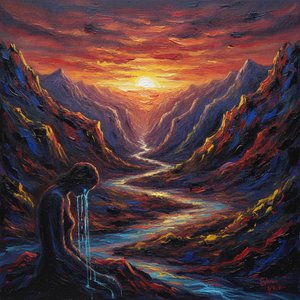
Capturing Emotion: A Journey Through the Soul of Expressionist Landscapes
Explore the profound emotional depth of Expressionist landscapes. Discover how Post-Impressionist masters moved beyond light to capture the soul through vibrant color and form. A curated journey for true art lovers seeking the beauty of expressive mastery.
테마, 스타일, 특징별로 분류된 작품들을 만나보세요.


