Atelier — Complimentary worldwide shipping — 배송 기간 2~6주
Wishlist 장바구니
프린트 구매하기 프린트 구매하기이미지 구매하기 이미지 구매하기 공유하기공유하기
상세 정보상세 정보 즐겨찾기에 추가 즐겨찾기에 추가 다운로드다운로드 유사 작품유사 작품 X-레이X-레이 슬라이드 쇼슬라이드 쇼

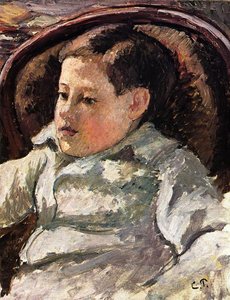
클로비스

폴 고갱의 ‘클로비스’, 1886년 포스터 작품으로, 책에 잠긴 소년을 담아 포스트인프레스니즘의 아름다움과 상징성을 보여줍니다. TopImpressionists.com에서 풍부한 디테일을 탐험해보세요.

파블로 피카소와 같은 예술가들에게 영감을 받은 프랑스 화가 폴 고흐는 인상주의 이후의 새로운 스타일인 상징주의를 개척했습니다. 그의 작품은 태히트 예술과 서구 사회에 대한 반항 정신으로 가득 차 있으며 현대 미술의 중요한 이정표입니다.

수제 유화 복제품

원하는 크기와 액자로 주문 제작되는, 작가들이 직접 캔버스에 손으로 그린 유화 작품입니다.

P118B $10
P118H $10
P118W $10
P438Z $10
P508JH $12
P508YH $12
P805H $10
P805Z $10
P919BZ $10
P919G $10
P919XJ $10
P959ZH $10
P968JZ $12
W106C $8
W218G $10
W218JH $8
W218Y $10
W307PJ $10
W316G $10
W316PJ $8
W316Y $10
W398PJ $8
W4111J $10
W500HY $15
W500JH $15
W692G $12
W849H $8
W940BG $15
W953PJ $8

Standard
custom
CM
INCH

작품의 원본 비율을 유지하는 미리 설정된 크기 중에서 선택하세요.

가로 너비
세로 길이

특정 프레임이나 공간에 맞도록 직접 크기를 입력할 수 있습니다. 선택하신 크기가 원본 이미지의 비율과 일치하지 않는 경우, 작품을 자르거나 추가적인 손으로 그린 요소를 사용하여 그림을 확장합니다. 제작 시작 전 승인을 위해 디지털 목업을 보내드립니다.
화면 미리 보기는 실제 자르기 또는 확장을 반영하지 않습니다. 최종 구성은 목업을 통해서만 정확하게 확인하실 수 있습니다.
맞춤 크기 제작도 가능하지만, 원본 비율을 유지하기 위해 사전 정의된 목록에서 크기를 선택하시는 것을 권장합니다.

변경 가능한 예시: 얼굴을 고객의 사진으로 교체, 반려동물 추가(예: 고양이를 강아지로 변경), 배경에 숨겨진 메시지 삽입, 배경 풍경 또는 요소 변경 등
주문 후 TopImpressionists.com 팀에서 상세 안내를 위해 고객님께 이메일을 보내드리며, 미리보기 시안을 제공해 드립니다.

전 세계 배송()은 표준 5주 대신 3~4주 내에 완료됩니다. (17 7월). 품질에는 어떠한 타협도 하지 않습니다.

why_choose_icon
전 세계 무료 특급 배송
why_choose_icon
프리미엄 린넨 캔버스
why_choose_icon
전체 배송 보험 보장
why_choose_icon
관세 환불 보장
why_choose_icon
실제 색상 일치 보장
why_choose_icon
60일 이내 반품 정책 (제조 결함 시)
why_choose_icon
100% 환불 보장
why_choose_icon
다량 구매 할인 혜택

총 합계 금액

-

reproduction

클로비스

재현 기법

복제본 크기

-

최종 결제 금액

-

작품 정보 요약

  • Dimensions: 56 x 40 cm
  • Artist: Paul Gauguin
  • Movement: Post-Impressionism
  • Medium: Oil on canvas
  • Notable elements: Boy reading, flowers
  • Influences:
    • Pissarro
    • Van Gogh
  • Title: Clovis

예술 상식 퀴즈

각 질문의 정답은 하나뿐입니다.

질문 1:
What artistic movement is Paul Gauguin most closely associated with?
질문 2:
In ‘Clovis,’ what is the young boy primarily engaged in?
질문 3:
What color dominates the background of ‘Clovis,’ creating a sense of tranquility?
질문 4:
Which museum houses the original painting, ‘Clovis’?
질문 5:
What does the presence of two figures in the background suggest about the scene?

작품 상세 설명

폴 가우거인의 “클로비스”: 낭만주의 시대의 색채와 평온

19세기 후반 미술계에 혁명적인 파장을 일으킨 폴 가우거인은 그의 과감한 실험 정신과 깊이 있는 개인적 비전을 통해 회화의 흐름을 완전히 바꾸어 놓았습니다. 1886년 작품인 “클로비스”는 뉴어크 박물관 소장품으로, 이 예술적 자유분방주의자의 세계를 한눈에 보여주는 작품입니다. 색채가 지배적인 세상에서 형태는 단순화되고, 인간 경험의 본질은 강렬한 붓터치로 압축됩니다. 단순한 초상화를 넘어 “클로비스”는 잠시 멈춰 서서, 일상의 아름다움을 음미하고 사색하며 조용히 감상할 수 있는 초대입니다.

그림 자체는 매우 단순해 보이는 장면을 담고 있습니다. 클로비스라는 이름의 어린 소년이 편안하게 의자에 앉아 책에 몰두하는 모습입니다. 가우거인은 그의 특징적인 ‘신세티스트’ 스타일을 사용하여 관점을 평면화하고, 꼼꼼한 묘사보다는 색채를 우선시합니다. 배경은 의도적으로 차분하게 처리되었는데, 꽃으로 가득 찬 화병이 방 안의 더 온순한 색감에 생동감 넘치는 색채를 불어넣습니다. 이러한 색채 사용은 즉각적인 시선을 중앙 인물에게 집중시키며, 구도를 안정화시킵니다. 가우거인은 푸른색과 주황색과 같은 보색을 사용하여 시각적 흥미와 깊이를 더하고, 이전 시대의 예술가들이 추구했던 엄격한 사실주의를 피합니다.

예술가의 배경: 가우거인의 여정과 상징

“클로비스”를 제대로 이해하려면 작품이 탄생한 맥락을 파악하는 것이 중요합니다. 가우거인의 예술적 경로는 진정성을 추구하고 학문적인 관습을 거부하는 것으로 특징지어집니다. 초기에는 인상주의의 영향을 받았지만, 곧 그 덧없는 효과를 넘어 인간의 깊은 감정적 진실을 상징적인 이미지로 포착하고자 했습니다. 타히티에서의 시간은 그의 작품에 원시미즘, 신비주의, 서구 문명과 토착 문화 간의 충돌이라는 주제를 소개했습니다. “클로비스”에서 책을 읽는 소년은 순수함, 사색, 그리고 현대 사회의 복잡성으로부터 도피하고자 하는 갈망의 상징으로 해석될 수 있으며, 가우거인이 자신의 삶에서 찾던 안식처와도 같습니다.

기법 및 재료: 색채와 질감 연구

유화로 제작된 “클로비스”는 가우거인의 독특한 기법을 보여줍니다. 그는 두껍고 눈에 띄는 붓터치를 사용하여 그림을 표현했는데, 이는 그의 스타일의 특징적인 요소입니다. 이러한 붓터치는 관람객이 작품과 신체적으로 교감할 수 있도록 촉각적인 표면을 만듭니다. 색채는 강렬하고 채도가 높으며, 블렌딩 없이 튜브에서 직접 사용되는 경우가 많아 모자이크와 같은 효과를 만들어냅니다. 이러한 의도적인 디테일 부족은 색채와 질감을 서로 연관시키는 데 집중하게 하며, 사진과 같이 정확한 묘사를 추구하는 것을 방해합니다. 캔버스 자체는 두꺼운 제르마(gesso)층으로 코팅되어 있어 작품의 견고함에 기여하고 또 시각적인 흥미를 더합니다.

유산 및 영향: 가우거인의 지속적인 유효성

폴 가우거인의 예술가 후속 세대에 미친 영향은 부인할 수 없습니다. 그의 과감한 색채 사용, 단순화된 형태, 상징적 주제 탐구는 fauve주의와 표현주의와 같은 운동의 길을 열었습니다. 빈센트 반 고흐와 같이 가우거인이 복잡한 관계를 맺었던 예술가들은 그의 색채와 감정적 표현에 대한 접근 방식을 깊이 영감을 받았습니다. 심지어 오늘날 “클로비스”는 아름다움과 성찰의 순간을 포착하는 예술가의 비전을 증명하는 작품으로, 가우거인의 예술 유산을 직접 경험할 수 있는 기회를 제공합니다. TopImpressionists.com과 같은 플랫폼에서 판매되는 이 걸작의 복제품은 그 깊이와 풍부함을 경험할 수 있는 탁월한 방법입니다.

가우거인의 삶과 작품에 대해 더 깊이 이해하고 싶다면 뉴어크 박물관 컬렉션, 폴 가우거인과 호프스트라 대학교 미술관에 대한 위키피디아 기사 등 관련 자료를 탐색하는 것을 권장합니다. 또한 인상주의 맥락에서 빈센트 반 고흐의 “두 파종꾼과 나무 그림”과 같은 작품을 살펴보는 것도 좋습니다.


작가 약력

Eugène Henri Paul Gauguin: A Revolutionary Post-Impressionist Painter

Paul Gauguin, a name synonymous with bold color and rebellious spirit, stands as a cornerstone of the transition from Impressionism to modern art—a figure whose artistic vision irrevocably altered the course of European painting. Born in Paris on June 7, 1848, his life unfolded far from the conventional paths expected of a young man of privilege, shaping him into an artist unlike any other. His father, Gustave Gauguin, was a journalist, instilling in him a passion for storytelling and observation; his mother, Sophia Pompidou, descended from Peruvian aristocracy—a lineage imbued with traditions of artistic patronage and intellectual curiosity—influencing his worldview profoundly. This unique upbringing fostered within him an innate fascination with cultures beyond the confines of Europe, a preoccupation that would become central to his artistic endeavors. ### Early Years & Influences: Impressionism's Shadow Gauguin’s formative years were marked by a restless spirit and a burgeoning interest in art. Despite receiving a formal education—primarily focused on mathematics and classics—he eschewed academic pursuits, gravitating instead toward the vibrant world of Parisian finance where he secured a position as a stockbroker. However, it was during this period that he encountered Impressionism—a movement captivated by capturing fleeting moments of light and color—and its luminaries like Claude Monet and Camille Pissarro. Initially influenced by Impressionistic techniques, Gauguin experimented with color palettes and brushstrokes, attempting to distill the sensory experience of nature onto canvas. Yet, he soon recognized the limitations of Impressionism’s preoccupation with optical realism, perceiving it as incapable of conveying deeper emotional truths. This dissatisfaction fueled his desire for something more profound—a style that would transcend mere representation and delve into the realm of subjective feeling. ### Japonisme & The Seeds of Symbolism A pivotal encounter occurred when Gauguin stumbled upon Japanese prints—Japonisme—during a trip to Düsseldorf, Germany. These prints captivated him with their flattened perspectives, bold outlines, decorative patterns, and simplified compositions—elements that challenged the conventions of Western art and offered an alternative aesthetic vocabulary. The influence of Japonisme became palpable in his subsequent paintings, informing his stylistic choices and contributing to the emergence of Symbolism—a movement he would wholeheartedly embrace as Impressionism waned. Symbolist artists sought to express inner states of mind and spiritual ideas through evocative imagery and symbolic color—rejecting naturalistic representation for a more expressive purpose. Gauguin’s artistic explorations extended beyond Japonisme, drawing inspiration from medieval art—particularly Byzantine iconography—which emphasized stylized figures and luminous colors—reflecting his fascination with religious symbolism and transcendence. ### Tahiti & The Pursuit of Authenticity The turning point in Gauguin's artistic trajectory arrived in 1891 when he embarked on a daring journey to Tahiti, French Polynesia—a decision that would irrevocably alter the course of his life and solidify his reputation as an iconoclast. Driven by a yearning for escape from the pressures of Parisian society and disillusioned with the perceived superficiality of bourgeois culture, Gauguin sought refuge in the unspoiled landscapes and traditions of Polynesian life. He envisioned Tahiti as a sanctuary—a place where he could reconnect with primal instincts and discover the essence of human spirituality—free from the constraints of Western rationalism. This ambition fueled his artistic experimentation, resulting in paintings that captured the beauty of Tahitian flora and fauna—often rendered in vibrant hues—and depicted Polynesian rituals and myths—infused with symbolic imagery rooted in ancient beliefs. His depictions of Tahitian women—particularly Orita Teira—became subjects of considerable controversy, sparking debates about colonialism, gender roles, and artistic ethics. ### Legacy & Artistic Impact Gauguin’s uncompromising vision and stylistic innovations profoundly impacted subsequent generations of artists—establishing him as a pivotal figure in the development of modern art. His bold use of color—often rejecting naturalistic hues for emotionally charged shades—became a hallmark of Fauvism—a movement championed by Henri Matisse—and influenced countless painters who sought to express emotion through vibrant pigment. Furthermore, Gauguin’s simplified forms and symbolic imagery resonated with Cubists like Pablo Picasso—who admired his willingness to challenge artistic conventions—and contributed to the broader exploration of abstraction in art. Despite facing criticism during his lifetime for his unconventional lifestyle and controversial depictions of Polynesian culture, Gauguin's legacy endured—inspiring artists across disciplines—from literature to music—to grapple with themes of identity, spirituality, and the relationship between humanity and nature. His unwavering commitment to artistic freedom cemented his place as a visionary artist—a rebel who dared to forge his own path—leaving behind a body of work that continues to captivate audiences worldwide.
폴 가우거인

폴 가우거인

1848 - 1903 , 프랑스

주요 정보

  • Artistic Movement Or Style: 후기인상주의 및 상징주의
  • Artists Or Movements Influenced By This Artist: ['파블로 피카소']
  • Artists Who Influenced This Artist: ['카밀 페사로']
  • Date Of Birth: 1848년 6월 7일
  • Date Of Death: 1903년 5월 8일
  • Full Name: Eugène Henri Paul Gauguin
  • Nationality: 프랑스인
  • Notable Artworks:
    • 클리어링
    • 바히네 노 테 미티
    • 마나오 투파우
  • Place Of Birth: 파리 프랑스
테마, 스타일 및 특징별로 분류된 작품들을 만나보세요.
© TopImpressionists.com — All Rights Reserved  ·  100% 수작업 페인팅 · 만족 보장 · 전 세계 무료 배송
VISA MASTERCARD