































작품의 원본 비율을 유지하는 미리 설정된 크기 중에서 선택하세요.

특정 프레임이나 공간에 맞도록 직접 크기를 입력할 수 있습니다. 선택하신 크기가 원본 이미지의 비율과 일치하지 않는 경우, 작품을 자르거나 추가적인 손으로 그린 요소를 사용하여 그림을 확장합니다. 제작 시작 전 승인을 위해 디지털 목업을 보내드립니다.
화면 미리 보기는 실제 자르기 또는 확장을 반영하지 않습니다. 최종 구성은 목업을 통해서만 정확하게 확인하실 수 있습니다.
맞춤 크기 제작도 가능하지만, 원본 비율을 유지하기 위해 사전 정의된 목록에서 크기를 선택하시는 것을 권장합니다.

Maternité
복제본 크기
Born in 1884 in Livorno, Italy—a vibrant port city steeped in Jewish heritage and a haven for those seeking refuge from persecution—Amedeo Modigliani’s life was one of both profound artistic brilliance and heartbreaking struggle. His early years were marked by exposure to the rich artistic traditions of antiquity and the Renaissance, nurtured within his family's intellectual environment. This foundation would later inform his distinctive style, characterized by elongated forms, expressive eyes, and a hauntingly melancholic beauty. Moving to Paris in 1906, he plunged headfirst into the heart of the burgeoning avant-garde, becoming inextricably linked with the School of Paris—a melting pot of artistic innovation that redefined modern art.
Modigliani’s early work was heavily influenced by African sculpture and the works of Paul Gauguin. He experimented with various mediums – primarily sculpture and drawing – before finding his true voice in painting. His portraits, particularly those of women, quickly gained recognition for their arresting intensity and psychological depth. He wasn't simply rendering likenesses; he was capturing a fleeting essence, an inner world revealed through subtle shifts in expression and posture. The faces of his subjects—often models from the Parisian bohemian scene—were elongated and subtly distorted, creating a sense of timelessness and dreamlike quality. This stylistic choice, coupled with his masterful use of color and light, set him apart from his contemporaries.
Modigliani’s life was tragically cut short in 1920 at the age of 35 due to complications from tuberculosis. His struggles with illness were intertwined with a tumultuous personal life, marked by passionate but ultimately destructive relationships. His most enduring connection was with Jeanne Hébuterne, a young model and his muse, whom he married in 1918. Their relationship, though intense, was fraught with instability and sorrow; Jeanne succumbed to tuberculosis just two years later. The loss of Jeanne profoundly impacted Modigliani, deepening his melancholy and contributing to his declining health.
The First World War cast a long shadow over Europe, and Modigliani’s experiences as an army war artist further exacerbated his emotional turmoil. He documented the horrors of trench warfare with unflinching honesty, creating powerful images that captured the physical and psychological toll of conflict. These wartime paintings, often starkly rendered in muted tones, stand in sharp contrast to the vibrant colors and sensual beauty of his earlier work, revealing a deeper layer of vulnerability beneath his artistic facade.
Modigliani’s artistic development was significantly shaped by his encounter with the Neo-Impressionist movement. Initially drawn to the principles of Pointillism, pioneered by Georges Seurat and Paul Signac, he adopted this technique—applying tiny dots of pure color to create an optical illusion of blended hues—to achieve luminosity and vibrancy in his paintings. However, Modigliani quickly moved beyond strict adherence to Pointillist dogma, incorporating elements of Cubism and Fauvism into his own unique style. He skillfully manipulated color and form to evoke emotion and psychological states, rather than simply replicating visual reality.
During his lifetime, Modigliani’s work was largely misunderstood and undervalued. His unconventional style and association with the bohemian underworld of Paris did little to enhance his reputation. However, after his death, his paintings began to attract increasing attention from collectors and critics. Today, Modigliani is considered one of the most important artists of the 20th century—a master of portraiture whose hauntingly beautiful images continue to captivate audiences worldwide. His elongated figures, expressive eyes, and evocative use of color have had a profound influence on generations of artists, solidifying his place as a pivotal figure in modern art history.
His works are held in major museums globally, including the Musée du Louvre in Paris, the Metropolitan Museum of Art in New York, and the National Gallery in London. The enduring appeal of Modigliani’s art lies not only in its aesthetic beauty but also in its poignant exploration of human emotion—a testament to the enduring power of a tragically short but remarkably brilliant life.

1884 - 1926 , Poland

Fall in love with art! Explore 10 iconic romantic paintings – from Renaissance classics to Impressionist masterpieces. Discover the stories behind artists like Monet & Klimt, and find museum-quality reproductions for your home at .
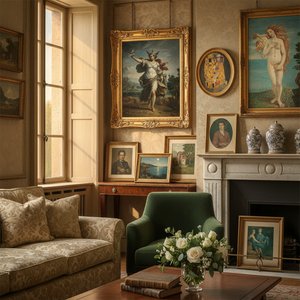
Fall in love with art! Explore 10 iconic romantic paintings – from Monet & Bouguereau to Fragonard. Discover the stories behind these masterpieces and find museum-quality reproductions for your home decor at .

Explore the captivating world of Romantic art! Discover its history, psychological depth, key artists like Friedrich & Goya, and find timeless pieces for your collection at TopImpressionists.com.

가츠시카 호쿠사이의 최고 걸작 25선을 만나보세요. 우키요에, 대판화 기법과 후지산 풍경의 아름다움을 담은 명작들을 감상하고, TopImpressionists에서 고품질 아트 프린트와 인테리어 액자를 찾아보세요. 지금 바로 컬렉션을 탐험하세요!

Explore the opulent world of Rococo art! Discover Watteau, Boucher & Nattier's masterpieces. Expert insights for collectors seeking museum-quality reproductions and custom portraits at TopImpressionists.


최신 미술 뉴스, 특별 혜택 및 인테리어 아이디어를 가장 먼저 만나보세요.
프로젝트에 대해 알려주시면 저희 미술 전문가들이 맞춤형 아트 제안 3가지를 전달해 드립니다.
당신만을 위한 맞춤형 옵션 3가지를 무료로 추천해 드립니다!
 프린트 구매하기
 공유하기
공유하기 공유하기
공유하기
 상세 정보
상세 정보

 다운로드
다운로드
 유사 작품
유사 작품 X-레이
X-레이 슬라이드 쇼
 더 보기
더 보기









 유리 옵션은 110cm 미만 크기에서만 선택 가능합니다.


