


 실제 크기로 보기
 보내기
보내기 공유하기
공유하기
 상세 보기
상세 보기 가이드 보기

 이미지 다운로드
 유사 작품 더 보기
 X-레이
X-레이 슬라이드 쇼 보기
 통계 정보
통계 정보Against the Light


A tranquil sunset landscape featuring a serene forest and mountains by Argentine Impressionist Faustino Eugenio Brughetti, capturing the warmth of 1912 through soft light and inviting you to bring this peaceful scene home.
Explore the Impressionist landscapes & still lifes of Faustino Eugenio Brughetti (1877-1955), a key figure in early 20th century Argentine painting. Discover his serene style and European influences.
 상세 보기
상세 보기
핸드메이드 유화 복제화
작가가 직접 캔버스에 손으로 그린 유화 작품으로, 원하는 크기와 액자로 맞춤 제작해 드립니다. ( 프린트 판매로 전환 디지털 이미지 판매 채널로 전환)




P118B ₩10

P118H ₩10

P118W ₩10

P438Z ₩10

P508JH ₩12

P508YH ₩12

P805H ₩10

P805Z ₩10

P919BZ ₩10

P919G ₩10

P919XJ ₩10

P959ZH ₩10

P968JZ ₩12

W106C ₩8

W218G ₩10

W218JH ₩8

W218Y ₩10

W307PJ ₩10

W316G ₩10

W316PJ ₩8

W316Y ₩10

W398PJ ₩8

W4111J ₩10

W500HY ₩15

W500JH ₩15

W692G ₩12

W849H ₩8

W940BG ₩15

W953PJ ₩8




표준 규격
맞춤 제작
CM
INCH
작품의 원본 비율을 그대로 유지하는 프리셋 사이즈 중에서 선택해 보세요.
Loading sizes...

가로 너비
높이
액자나 벽면 크기에 맞춰 필요한 가로와 세로 길이를 입력해 주세요. 본 작품은 수작업으로 제작되므로, 요청하신 비율에 따라 작가가 그림의 가장자리를 조금 더 넓게 그리거나 일부를 조정하여 작업할 수 있습니다. 작업 시작 전, 최종 확인을 위해 디지털 목업 이미지를 보내드립니다. 이 페이지에 표시된 이미지는 실제 결과물과 다를 수 있으며, 오직 목업 이미지만이 정확한 결과물을 보여줍니다.
변경 가능한 예시: 얼굴을 고객님의 사진으로 교체, 반려동물 추가(예: 고양이를 강아지로 변경), 배경에 숨겨진 메시지 삽입, 배경 풍경 또는 요소 변경 등
주문 완료 후 TopImpressionists.com 팀에서 상세 안내를 위해 고객님께 이메일을 보내드리며, 미리보기 시안을 함께 제공해 드립니다.
주문 완료 후 TopImpressionists.com 팀에서 상세 안내를 위해 고객님께 이메일을 보내드리며, 미리보기 시안을 함께 제공해 드립니다.


 유리 옵션은 110cm 미만 크기에서만 선택 가능합니다.

Against the Light
재현 매체
복제본 규격
-


총 결제 금액
₩ 365046
관련 작품들


작가 소개
The Luminous Legacy of Faustino Eugenio Brughetti
In the golden light of the early twentieth century, a profound transformation swept through the Argentine art scene, and at its heart stood Faustino Eugenio Brughetti. Born in Buenos Aires in 1877, Brughetti was a man of dual sensibilities, possessing both the precision of a painter and the soul of a musician. He inherited an innate appreciation for visual harmony from his father, Lorenzo Brughetti, an architect whose influence provided the structural foundation upon which Faustino would build his ethereal, atmospheric worlds. His early years in Argentina were marked by a rigorous academic discipline, yet there was always a restless yearning within him to capture something more fleeting than mere form—to grasp the very essence of light as it dances across the Pampas.
This quest for luminosity led him on a transformative journey to Paris in 1896. Immersed in the vibrant, avant-garde atmosphere of the Académie Julian, Brughetti found himself at the epicenter of a revolution. It was here that he encountered the profound tenets of Impressionism, absorbing the techniques of masters like Claude Monet and Pierre-Auguste Renoir. He learned to see not just objects, but the way light dissolves edges and how color can evoke the warmth of a summer afternoon or the cool mist of dawn. This European immersion did not alienate him from his roots; rather, it provided him with a sophisticated vocabulary to translate the Argentine landscape into a universal language of emotion and atmosphere.
A Symphony of Light and Landscape
Upon his return to South America, Brughetti’s work began to reflect a unique synthesis of European technique and local sentiment. His canvases became windows into the serene beauty of the Argentine countryside, characterized by a delicate touch and a soft, nuanced palette. He moved beyond simple representation, employing luminism and plein air techniques to capture the ephemeral qualities of the natural world. Whether he was depicting the vast, rolling plains or the intimate details of a still life, his brushstrokes remained fluid and expressive, inviting the viewer to experience the sensory richness of the moment.
His repertoire was remarkably diverse, showcasing an ability to find majesty in both the grand and the mundane:
- Landscape Painting: His most celebrated contributions involve the sweeping vistas of the Pampas, where he utilized soft color transitions to convey depth and the shifting moods of the sky.
- Genre Scenes: Works such as “Lavanderas” (1900) demonstrate his skill in capturing human rhythm and daily ritual, imbuing everyday labor with a sense of poetic dignity.
- Still Lifes and Portraits: Through careful attention to texture and light, he brought a quiet, contemplative energy to smaller-scale compositions, often exploring the interplay of shadow and brilliance.
- Religious and Social Themes: Pieces like “Procesión” reveal his ability to weave communal spirit and cultural tradition into his impressionistic framework.
Historical Significance and Enduring Spirit
The significance of Faustino Eugenio Brughetti extends far beyond the borders of Argentina. He acted as a vital bridge between the classical traditions of the nineteenth century and the modern, light-filled explorations of the twentieth. By integrating the sophisticated Impressionist methods learned in Paris with the distinct light and subject matter of his homeland, he helped define a national aesthetic that was both deeply local and internationally relevant. His work remains a testament to the power of observation and the enduring beauty of the natural world.
Though he passed away in 1956, leaving behind a legacy etched in oil and light, Brughetti’s influence continues to resonate. He taught subsequent generations of artists that painting is not merely about documenting reality, but about capturing the feeling of reality—the way a shadow falls, the way the air grows heavy before a storm, and the way light can turn a simple landscape into a profound spiritual experience. Today, his works stand as cherished treasures in collections, reminding us of a period when art sought to harmonize the human spirit with the infinite beauty of the earth.

Faustino Eugenio Brughetti
1877 - 1955 , Argentina
작가 정보 요약
- Full Name: Faustino Eugenio Brughetti
- Nationality: Argentine
- Date Of Birth: 1877
- Date Of Death: 1955
- Place Of Birth: Buenos Aires, Argentina
- Notable Artworks:
- Lavanderas
- Procesión
- Artistic Movement Or Style: Impressionism
- Artists Who Influenced This Artist:
- Thibon de Libian
- Ramón Silva
- Artists Or Movements Influenced By This Artist: ['Florian Paucke']
관련 기사
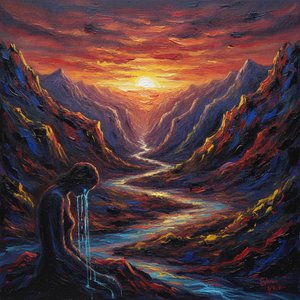
Capturing Emotion: A Journey Through the Soul of Expressionist Landscapes
Explore the profound emotional depth of Expressionist landscapes. Discover how Post-Impressionist masters moved beyond light to capture the soul through vibrant color and form. A curated journey for true art lovers seeking the beauty of expressive mastery.