

표시된 작품: · 액자 포함:
 미리보기
미리보기
 공유하기
공유하기 공유하기
공유하기
 상세 정보
상세 정보 가이드 보기

 다운로드
다운로드
 유사 작품 더 보기
 X-레이
X-레이 슬라이드 쇼 보기
 질의응답
질의응답 통계 정보
통계 정보

₩ 389570
핸드메이드 유화 복제화
작가가 직접 캔버스에 손으로 그린 유화 작품으로, 원하는 크기와 액자로 맞춤 제작해 드립니다. ( 프린트 판매로 전환 디지털 이미지로 전환)
사이즈
·표준 규격
맞춤형
CM
INCH
작품의 원본 비율을 그대로 유지하는 프리셋 사이즈 중에서 선택해 보세요.
사이즈 불러오는 중...

가로 너비
세로 길이
액자나 벽면 크기에 맞춰 필요한 가로와 세로 길이를 입력해 주세요. 본 작품은 수작업으로 제작되므로, 요청하신 비율에 따라 작가가 그림의 가장자리를 조금 더 넓게 그리거나 일부를 조정하여 작업할 수 있습니다. 작업 시작 전, 최종 확인을 위해 디지털 목업 이미지를 보내드립니다. 이 페이지에 표시된 이미지는 실제 결과물과 다를 수 있으며, 오직 목업 이미지만이 정확한 결과물을 보여줍니다.
 더 알아보기
완료
·
화이트 테두리 ₩1

블러사이드 ₩1

옆면 확장형 ₩1

P118B ₩10

P118H ₩10

P118W ₩10

P438Z ₩10

P508JH ₩12

P508YH ₩12

P805H ₩10

P805Z ₩10

P919BZ ₩10

P919G ₩10

P919XJ ₩10

P959ZH ₩10

P968JZ ₩12

W106C ₩8

W218G ₩10

W218JH ₩8

W218Y ₩10

W307PJ ₩10

W316G ₩10

W316PJ ₩8

W316Y ₩10

W398PJ ₩8

W4111J ₩10

W500HY ₩15

W500JH ₩15

W692G ₩12

W849H ₩8

W940BG ₩15

W953PJ ₩8

H24-GOLD ₩30

H24-SILVER ₩30

H36-GOLD ₩45

H36-SILVER ₩45
보호용 튜브에 담겨 안전하게 배송되며, 고객님께서 직접 액자에 끼워 사용하실 수 있습니다.
105cm를 초과하는 프레임은 전문 액자 제작사를 위한 키트 형태로 배송됩니다 — 자세한 내용을 확인하세요.
추가 서비스
선택 사항추가 구성품에는 무엇이 포함되어 있나요?
변경 가능한 예시: 얼굴을 고객의 사진으로 교체, 반려동물 추가 (예: 고양이를 강아지로 변경), 배경에 숨겨진 메시지 포함, 배경 풍경 또는 요소 변경.
주문 완료 후, TopImpressionists.com 팀에서 상세 안내를 위해 고객님께 이메일을 보내드리며, 시안 미리보기를 제공해 드립니다.
주문 완료 후, TopImpressionists.com 팀에서 상세 안내를 위해 고객님께 이메일을 보내드리며, 시안 미리보기를 제공해 드립니다.
전 세계 배송()은 표준 5주 대신 3~4주 내에 완료됩니다. (25 11월). 품질에는 어떠한 타협도 하지 않습니다.
보호용 바니시
작품 설명문
동판 각인 상세 정보
This elegant plaque features the artist's name and the title of the artwork, finely engraved for a timeless presentation.
It is made from bronze with a refined, elegant finish. The text is precisely laser-engraved for a sharp and permanent result. Measuring 9x2 cm, the plaque is compact yet easy to read. It's built to be durable and scratch-resistant, offering a professional, museum-quality look. Mounting is simple thanks to the included adhesive backing.
투명 아크릴 명판 상세 정보
The plaque includes essential engraved details such as the artist's name, the title of the artwork, the date it was created, the type of media used-like oil on canvas or watercolor-a brief description of the piece, and a QR code that links to the complete artwork information.
It is crafted from clear acrylic, offering a sleek, modern appearance. The text is UV-engraved in black to ensure strong visual contrast. With a size of 10x15 cm, it ensures optimal readability. It comes equipped with two metal hooks for secure wall mounting. The plaque is designed to be weather-resistant, making it suitable for various environments, and it includes interactive features that work seamlessly with smartphone scanning.
블랙 아크릴 명판 상세 정보
This elegant plaque includes engraved information such as the artist's name, the title of the artwork, the date it was created, the type of media used (like oil on canvas or watercolor), a short description of the artwork, and a QR code for quick access to more information.
The plaque itself is made from refined black acrylic with a premium finish. The text is laser-engraved in white for high contrast and readability. Its size is 10x15 cm, designed to be easy to read. It comes with two metal hooks for professional mounting. The design is sleek and fits any interior style. It is also weather-resistant and durable, with built-in digital integration for mobile compatibility.
유리 옵션은 110cm 미만 크기에서만 선택 가능합니다.
 유리 옵션은 110cm 미만 크기에서만 선택 가능합니다.
- 전 세계 무료 특급 배송
- 프리미엄 린넨 캔버스
- 배송 전 과정 보험 적용
- 관세 및 수입세 환급 보장 서비스
- 원본과 동일한 색상 구현 보장
- 100일 이내 반품 정책 (결함 발생 시)
- 100% 환불 보장
- 다량 구매 할인 혜택


수집품 상세 설명
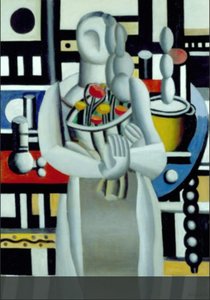
Explore Fernand Leger’s ‘Reading’ (1924): A stylized Cubist masterpiece featuring two figures in a flat, geometric composition. Discover its calm contemplation & unique artistic style.
작품 정보
A Symphony of Form: Reimagining Fernand Léger’s Reading
In the quietude of an ambiguous interior, two figures sit side-by-side, lost in the profound intimacy of shared silence and individual discovery. Fernand Léger’s 1924 masterpiece, Reading, is far more than a mere depiction of a leisure activity; it is a rhythmic exploration of the modern soul. Through his signature lens, the act of reading becomes a structural event, where the human form and the objects of intellect merge into a singular, captivating composition. The painting invites the viewer into a world that feels both incredibly solid and strikingly abstract, offering a moment of contemplative stillness amidst the perceived chaos of the twentieth century.
The brilliance of this work lies in Léger’s revolutionary approach to shape, often described as Tubism. Moving away from the fractured, splintered planes of traditional Cubism, Léger embraced the cylinder and the rectangle, imbuing his subjects with a sense of mechanical precision and sculptural weight. In Reading, we see this manifest in the way the figures are rendered through bold, geometric volumes. There is a palpable sense of strength in their silhouettes, as if they were forged from the very industrial progress of the era. The technique is remarkably smooth, with colors applied in flat, seamless areas that eliminate distracting textures and force the eye to focus on the pure interplay of light and geometry.
The Pulse of the Machine Age
To understand the emotional resonance of this piece, one must look back to the transformative era of its creation. Emerging from the shadows of World War I, Léger sought a visual language that celebrated the vitality of contemporary life—the beauty of the machine, the clarity of industry, and the dignity of the everyday. Reading embodies this post-war optimism through its clean lines and structured clarity. The background, composed of blocky, architectural elements, provides a simplified stage that emphasizes the subjects without overwhelming them. This deliberate flattening of perspective creates a shallow depth of field, pushing the figures toward the viewer and creating an immediate, almost confrontational, presence in any space.
For the discerning collector or interior designer, this artwork offers a unique balance of intellectual depth and aesthetic versatility. The composition is masterfully balanced, utilizing a subtle asymmetry that keeps the eye moving across the canvas. While the subject matter—the pursuit of knowledge through books—carries a timeless symbolic weight, the execution is unapologetically modern. It serves as a sophisticated focal point that can anchor a contemporary room, providing a sense of calm, structured elegance. Whether placed in a minimalist gallery setting or a richly textured study, Reading radiates an aura of quiet observation and enduring strength, making it a profound addition to any curated collection.
주요 정보 및 아트 퀴즈
페르낭 레제 소개

페르낭 레제
1881 - 1955, 프랑스
작가 정보
페르난 레제의 삶
페르난 레제의 이야기는 노르망디 하부 지역의 오른(Orne) 주에 위치한 아쟁탕이라는 작은 마을에서 시작됩니다. 1881년 2월 4일, 외아들로 세상에 태어난 그의 유년 시절은 프랑스 전원 지대의 고요함과 어머니 마리-아델 도누(Marie-Adèle Daunou)의 보살핌 속에서 형성되었습니다. 가축 상인으로 생계를 이어가던 아버지는 페르난이 아주 어린 시절 세상을 떠났고, 아이는 경건하면서도 겸손한 성품을 지닌 어머니의 손에서 자라나게 되었습니다.
노르망디의 농촌 풍경 속에서 보낸 이러한 성장 배경은, 훗날 그가 프랑스 문화의 중심지에서 누리게 될 역동적인 삶과 극명한 대조를 이룹니다. 그의 뿌리는 대지와 농경 생활의 물리적 실체에 닿아 있었지만, 그의 정신은 현대 문명이 지닌 복잡한 이면으로 끊임없이 이끌렸습니다. 결국 그는 아쟁탕의 경계를 훨씬 넘어 다양한 예술적 영역을 개척하는 인물이 되었습니다. 그는 단순히 캔버스라는 틀에 자신을 가두지 않았으며, 조각과 영화라는 움직이는 이미지를 통해 자신의 예술적 비전을 확장하고자 끊임없이 갈구했습니다.
그의 삶은 유년 시절의 유기적인 질감과 도시의 구조적이고 기계적인 리듬 사이를 끊임없이 오가는 여정이었습니다. 변화하는 세기의 격변을 헤쳐 나가는 과정에서 이러한 이중성은 그의 존재를 정의하는 핵심적인 요소가 되었습니다. 그의 행보는 결코 평탄하지 않았습니다. 어린 시절 경험한 전통적인 세계와, 훗날 그의 예술을 통해 정의하게 될 미래의 급격한 산업적 맥동 사이의 팽팽한 긴장감이 그의 삶을 관통하고 있었습니다.
유년 시절, 가족 그리고 예술적 훈련
페르난 레제의 예술적 비전은 프랑스 노르망디 하부 지역의 오른(Orne) 주, 아쟁탕의 평온한 농촌 풍경 속에 그 뿌리를 두고 있습니다. 축산업이 중심이던 세상에서 태어난 그의 유년 시절은 대지의 물리적인 질감과 농경 생활의 규칙적인 리듬에 의해 형성되었습니다. 이러한 실재하는 노동의 세계에 대한 경험은 훗날 그가 펼쳐 보일 더욱 복잡하고 심오한 예술적 탐구 아래에 고요한 밑바탕으로 남게 됩니다. 외아들로 태어난 그는 경건하면서도 겸손한 어머니의 보살핌 속에서 성장했으며, 그의 초기 행보는 건축이라는 구조적이고 규율 잡힌 학문으로 향했습니다. 1897년부터 1899년까지 그는 이 기술적인 공예에 전념하며 공간의 논리와 정밀한 제도(製圖)의 필요성을 익혔습니다.
1900년에 이르러 도시가 내뿜는 강렬한 이끌림을 이기지 못한 그는 파리로 이주합니다. 그는 건축 제도사로서 생계를 이어갔는데, 이는 선과 비례를 포착하는 예리한 안목을 요구하는 일이었습니다. 건축을 통해 다져진 구조적 이해는 그의 예술적 토대가 되었지만, 그의 마음은 점차 캔버스를 향해 흐르기 시작했습니다. 그는 명문 에콜 데 보자르(École des Beaux-Arts)에 입학하기를 갈망했으나, 정식 학생으로서의 지위를 얻지는 못했습니다. 하지만 그는 좌절하지 않고 비정규 학생으로서 학교를 다니며, 아카데믹한 예술계의 주변부를 맴돌면서도 거장들의 가르침을 스펀지처럼 흡수했습니다. 때로는 방황의 시기로 묘사되기도 하는 이 학습의 기간은, 훗날 그가 자신만의 시각으로 세상을 해체하고 재구성하는 데 사용할 기술적 숙련도를 연마하는 데 있어 필수적인 과정이었습니다.
세잔과 입체주의의 영향
1907년, 살롱 도톤느(Salon d'Automne)에서 열린 세잔의 회고전을 마주한 순간, 페르난 레제의 예술 세계에는 거대한 전환점이 찾아왔습니다. 이 강렬한 만남은 촉매제가 되어 그를 유년기의 부드러운 인상주의적 화풍에서 끌어내어, 사물의 구조를 꿰뚫어 보는 보다 근원적인 시각으로 인도했습니다. 그는 이제 사물의 표면 너머를 응시하기 시작했습니다. 대신 세상을 정의하는 근본적인 기하학적 질서를 탐구하기 시작한 것입니다. 1909년에 이르러 파리의 예술적 흐름 속에서 그의 존재감은 더욱 뚜렷해졌습니다. 알렉산드르 아르치펜코, 자크 리피츠, 샤임 수틴, 그리고 로베르 들로네와 같은 거장들과의 교류는 단순한 사교를 넘어, 새로운 사상들이 충돌하며 그의 예술적 비전을 구체화하는 결정적인 계기가 되었습니다.
시간이 흐르며 그는 '황금 비율(Section d'Or)'로도 알려진 퓌토 그룹(Puteaux Group)의 예술적 궤도 안으로 깊숙이 들어갔습니다. 장 메칭거, 앙리 르 파우니에와 함께 활동하며 그는 이 새로운 시각 언어가 지닌 수학적, 구조적 가능성을 끊임없이 탐구했습니다. 그는 단순히 앞선 이들이 닦아놓은 길을 따르는 것에 만족하지 않았습니다. 대신 당대의 미학을 정의하던 파편화된 평면과 중첩된 형태들 사이에서 자신만의 독창적인 길을 개척하고자 분투했습니다. 이러한 치열한 실험의 시간은 1911년 살롱 데 앵데팡당(Salon des indépendants)에서 열린 그의 첫 주요 전시로 이어졌고, 그곳에서 그는 숲속의 누드(Nudes in the Forest)를 선보이며 세상에 자신의 존재를 각인시켰습니다.
- 숲속의 누드 (1911)
전쟁과 기계적 시기
제1차 세계 대전의 혼돈은 예술가를 파리의 화실에서 끌어내어 전장의 가혹한 현실 속으로 던져놓았습니다. 1914년부터 1917년까지 프랑스군에서 복무한 페르난 레제는 아르곤 숲에서 2년이라는 고통스러운 시간을 보냈습니다. 이 전쟁은 단순히 그의 삶을 둘러싼 배경에 머물지 않고, 형태를 바라보는 그의 근본적인 지각을 뒤흔든 변혁적인 힘이 되었습니다. 1916년, 겨우 목숨을 건진 머스터드 가스 공격은 그를 회복의 시간으로 몰아넣었고, 그가 회복하는 동안 주변 세계는 산업적 파괴가 지닌 압도적인 힘에 의해 재편되고 있었습니다. 같은 해 짧은 휴가를 얻었을 때조차 그는 붓을 들 수밖에 없었고, 그렇게 파이프를 든 군인을 탄생시켰습니다. 이 작품은 전장을 지배하는 기계의 특성이 인간의 형상에 스며들기 시작한, 새로운 현실의 감각을 포착해 냈습니다.
1917년에 이르러 그의 창조적 정신에는 뚜렷한 변화가 찾아왔으며, 이는 훗날 '기계적 시기'라 불리게 될 예술적 여정의 시작을 알렸습니다. 그는 현대 전쟁과 산업 기술의 도구들 속에서 기묘하고도 리드미컬한 아름다움을 발견했습니다. 매끄러운 원통형의 형태와 정밀한 기계 부품들은 그의 새로운 시각 언어가 되었습니다. 그는 이러한 사물들을 차갑거나 비인격적인 것으로 간주하지 않았습니다. 오히려 그 강인함과 현대적 존재의 혼돈을 질서 있게 조직하는 능력에 매료되었습니다. 전쟁은 초기 작품들이 지녔던 부드러운 경계들을 앗아갔고, 그 자리를 변화하는 시대의 강철과 피스톤을 닮은, 날카롭고 구조적인 명료함으로 채워 넣었습니다.
기법과 스타일
페르난 레제의 붓질은 마치 산업 현장의 기계처럼 리드미컬하고 정교한 정확성을 띠며, 변화하는 시대의 맥박을 포착해 냈습니다. 그는 과거의 부드럽고 모호한 그림자에서 벗어나, 대신 강건하고 기하학적인 힘을 가진 언어를 통해 화면을 구성하기 시작했습니다. 이러한 시도는 비평가들로부터 "튜브즘(Tubism)"이라 불리는 그만의 독창적인 입체주의 양식을 탄생시켰습니다. 이 스타일 안에서 세상은 원통형, 원뿔형, 그리고 입방체 형태를 통해 재해석되었으며, 이는 견고하면서도 역동적인 부피감을 만들어냈습니다. 그는 단순히 사물을 재현하는 것에 그치지 않고, 사물이 지닌 본질적이고 구조적인 논리를 찾아내고자 했습니다.
그가 선택한 색채는 그 색이 채워진 형태만큼이나 확고하고 대담했습니다. 그는 원색이 주를 이루는 팔레트를 선호했으며, 때때로 강렬한 흑백의 대비를 더해 대상의 날카로운 경계선을 명확히 정의했습니다. 전통적인 환영주의적 기법에 의존하는 대신, 그는 대담하고 평면적인 색면을 통해 물감을 칠해 나갔습니다. 또한 캔버스 위에서 매체의 물리적 존재감을 강조하는 두터운 임파스토(impasto) 기법을 자주 사용하여, 그가 그토록 찬미했던 기계와 도시 구조물의 질감을 작품에 투영했습니다. 이러한 질감 중심의 접근 방식은 그의 작품이 현실에 단단히 뿌리 내린 물질성을 갖게 했으며, 그의 인물들은 종종 매끄럽고 기계적인 형태를 띠며 유기적인 인간의 형상과 현대 시대의 공학적 정밀함 사이의 경계를 허물었습니다.
- 숲속의 누드 (1910)
- 푸른 옷을 입은 여인 (1912)
- 파이프를 든 군인 (1916)
- 기술자 (1920)
말년과 서거
세계적인 갈등의 거센 파도는 결국 예술가를 파리의 예술적 교류로부터 멀어지게 하여 대서양 너머로 이끌었습니다. 1940년부터 1945년 사이의 미국 생활은 그가 오랫동안 캔버스 위에 옮기고자 애썼던 현대 세계에 대해 전혀 다른 관점을 선사한 시기였습니다. 이 해외 체류 기간은 그의 긴 예술적 진화 과정에서 잠시 숨을 고르는 휴식기이자, 언젠가 다시 돌아갈 프랑스의 토양을 꿈꾸며 거쳐 가는 전환의 순간이었습니다.
고국으로 돌아온 후, 그의 개인적인 삶에도 중대한 변화가 찾아왔습니다. 1952년 2월, 그는 나디아 코다세비치와 결혼하며 삶의 마지막 장을 열었습니다. 이 시기에도 그의 예술적 열정은 멈추지 않았으며, 거대한 규모의 벽화부터 섬세한 스테인드글라스에 이르기까지 다채로운 작품 활동을 이어갔습니다. 세월이 흘러 노년에 접어들었음에도 불구하고, 국제 무대에서 그의 위상은 변함없이 빛났습니다. 1955년, 그는 상파울루 비엔날레에서 대상(Grand Prize)을 수상하며 예술가로서 최고의 영예를 안았는데, 이는 안타깝게도 그가 세상을 떠난 해와 같았습니다. 페르난 레제는 1955년 8월 17일, 프랑스 지프쉬르이베트에서 생을 마감했습니다.
유산과 영향력
페르난 레제는 당대의 전위적인 예술계를 훨씬 넘어선 깊은 발자취를 남겼습니다. 그는 추상 예술과 구상적 재현 사이의 간극을 메움으로써, 예술가들이 인간이라는 주제를 완전히 포기하지 않으면서도 현대 세계와 소통할 수 있는 새로운 길을 제시했습니다. 그의 접근 방식은 기하학적 구조의 논리와 사람 및 사물이 지닌 인지 가능한 존재감 사이의 대화를 가능하게 했습니다. 순수하게 관념적인 영역과 만질 수 있는 실재 사이에서 중도적인 지점을 찾아낸 이러한 능력은, 이후 등장한 수많은 예술적 흐름의 방향을 형성하는 데 결정적인 역할을 했습니다.
형태를 과감하게 단순화하는 그의 방식과 대량 생산 미학에 대한 매혹은 훗날 팝 아트 운동의 선구자적 역할을 했습니다. 그는 기계 시대의 반복적이고 기능적인 특성 속에서 특유의 아름다움을 발견했으며, 이러한 관점은 이후 새로운 세대의 창작자들에게 깊은 울림을 주었습니다. 로이 리히텐슈타인과 앤디 워홀 같은 예술가들은 대담한 윤곽선과 기계적 이미지를 활용한 그의 실험에서 대중문화에 대한 자신들만의 탐구로 이어지는 명확한 계보를 찾아냈습니다. 그는 자신이 캔버스 위에 옮기고자 노력했던 바로 그 산업적이고 상업적인 요소들을 찬미하게 될 시대의 시각적 언어를 미리 준비시킨 선구자였습니다.
오늘날 그의 작품을 만나는 곳
페르난 레제의 예술적 비전이 지닌 실재하는 존재감을 마주하기 위해 우리는 프랑스 남부, 특히 알프스 마리팀 주의 비오(Biot)로 여정을 떠날 수 있습니다. 이곳에는 그의 창조적 산물을 연구하고 보존하는 데 전념하는 공간인 국립 페르난 레제 미술관(Musée national Fernand Léger)이 자리하고 있습니다. 미술관은 과거 예술가 자신이 거주했던 빌라인 마스 생트-앙드레(Mas Saint-André)에 자리 잡고 있습니다. 이 벽면과 주변의 정원 안에서 그의 다채로운 세라믹 조각들은 본래 의도된 환경을 되찾아, 지중해 풍경의 빛과 공간 속에서 그의 형태들이 어떻게 상호작용하는지를 관람객에게 생생하게 보여줍니다.
이 특별한 성소를 넘어, 그의 캔버스와 조각들은 세계 곳곳의 유서 깊은 기관들에 소장되어 있습니다. 프랑스의 예술역사박물관(Musée d'Art et d'Histoire)은 그의 작품들을 꾸준히 관리하며 프랑스 미술사의 거대한 흐름 속에 그의 존재를 각인시키고 있습니다. 이러한 소장품들은 그가 기계 시대의 역동성을 어떻게 정지된, 그러나 맥동하는 시각적 형태로 번역해냈는지를 지속적으로 연구할 수 있게 해줍니다. 그의 독특한 미학을 찾는 여행자들은 다음과 같은 주요 컬렉션에서 그의 흔적을 발견할 수 있습니다.
- 포트 워스 킴벨 미술관(Kimbell Art Museum)
- 뉴욕 현대 미술관(Museum of Modern Art)
- 비오의 국립 페르난 레제 미술관
그의 영향력은 다른 예술가들의 작품 속에서도 여전히 잔향처럼 남아있지만, 그의 손길이 직접 닿은 예술을 목격하는 가장 확실한 방법은 이처럼 확립된 예술의 보고를 찾는 것입니다. 미술관의 정돈된 공간에서 대담한 원통형 형태를 관찰하든, 고요한 정원에서 그의 조각을 마주하든, 관람객은 그의 평생의 업적을 정의했던 구조적 명료함을 동일하게 경험하게 됩니다. 그의 유산은 바로 이 장소들에 닻을 내린 채, 기하학의 진실을 갈구하는 이들을 위해 그의 회화가 지닌 묵직하고 기계적인 리듬을 영원히 간직하고 있습니다.
페르낭 레제에 관한 주요 정보
- Artistic Movement Or Style:
- 입체주의
- 튜브즘
- 황금 비율
- 순수주의
- 다다이즘
- 구성주의
- Artists Or Movements Influenced By This Artist:
- 팝 아트
- 로이 리히텐슈타인
- 앤디 워홀
- Artists Who Influenced This Artist: ['폴 세잔']
- Date Of Birth: 1881
- Date Of Death: 1955
- Full Name: 조제프 페르낭 엔리 레제
- Nationality: 프랑스
- Notable Artworks:
- 숲속의 누드
- 도시
- 기술자
- 세 여인
- 푸른 옷을 입은 여인
- Place Of Birth: 프랑스 아쟁탕
테마, 스타일, 특징별로 분류된 작품들을 만나보세요.




페르낭 레제
Reading
() ·
액자 포함: · 린넨 위에 유채로 직접 그린 작품
총액