


 실제 크기로 보기
 보내기
보내기 공유하기
공유하기
 상세 보기
상세 보기 가이드 보기

 이미지 다운로드
 유사 작품 더 보기
 X-레이
X-레이 슬라이드 쇼 보기
 통계 정보
통계 정보Sagittarius


Fernando Gallego's 'Sagittarius' depicts a heroic archer amidst celestial stars and a soaring bird. A masterful example of Hispano-Flemish art, showcasing dynamic composition & rich detail.
 상세 보기
상세 보기
페르난도 가예고(c. 1440-1507)는 히스파노-플랑드르 양식의 핵심적인 카스티야 화가입니다. 정교한 종교적 제단화, 생생한 환영주의, 시우다드 로드리구 제단화 등의 작품으로 잘 알려져 있습니다. 그의 유산을 확인해 보세요!
핸드메이드 유화 복제화
작가가 직접 캔버스에 손으로 그린 유화 작품으로, 원하는 크기와 액자로 맞춤 제작해 드립니다. ( 프린트 판매로 전환 디지털 이미지 판매 채널로 전환)




P118B ₩10

P118H ₩10

P118W ₩10

P438Z ₩10

P508JH ₩12

P508YH ₩12

P805H ₩10

P805Z ₩10

P919BZ ₩10

P919G ₩10

P919XJ ₩10

P959ZH ₩10

P968JZ ₩12

W106C ₩8

W218G ₩10

W218JH ₩8

W218Y ₩10

W307PJ ₩10

W316G ₩10

W316PJ ₩8

W316Y ₩10

W398PJ ₩8

W4111J ₩10

W500HY ₩15

W500JH ₩15

W692G ₩12

W849H ₩8

W940BG ₩15

W953PJ ₩8




표준 규격
맞춤 제작
CM
INCH
작품의 원본 비율을 그대로 유지하는 프리셋 사이즈 중에서 선택해 보세요.
Loading sizes...

가로 너비
높이
액자나 벽면 크기에 맞춰 필요한 가로와 세로 길이를 입력해 주세요. 본 작품은 수작업으로 제작되므로, 요청하신 비율에 따라 작가가 그림의 가장자리를 조금 더 넓게 그리거나 일부를 조정하여 작업할 수 있습니다. 작업 시작 전, 최종 확인을 위해 디지털 목업 이미지를 보내드립니다. 이 페이지에 표시된 이미지는 실제 결과물과 다를 수 있으며, 오직 목업 이미지만이 정확한 결과물을 보여줍니다.
변경 가능한 예시: 얼굴을 고객님의 사진으로 교체, 반려동물 추가(예: 고양이를 강아지로 변경), 배경에 숨겨진 메시지 삽입, 배경 풍경 또는 요소 변경 등
주문 완료 후 TopImpressionists.com 팀에서 상세 안내를 위해 고객님께 이메일을 보내드리며, 미리보기 시안을 함께 제공해 드립니다.
주문 완료 후 TopImpressionists.com 팀에서 상세 안내를 위해 고객님께 이메일을 보내드리며, 미리보기 시안을 함께 제공해 드립니다.


 유리 옵션은 110cm 미만 크기에서만 선택 가능합니다.

Sagittarius
재현 매체
복제본 규격
-


총 결제 금액
₩ 367123
Fernando Gallego’s Sagittarius: A Tapestry of Myth and Majesty
The painting “Sagittarius,” attributed to the Spanish master Fernando Gallego (c. 1440 – 1507), is not merely a depiction of an archer; it's a vibrant portal into the heart of ancient mythology, rendered with a meticulous realism that speaks volumes about the artistic currents of late 15th-century Castile. Gallego, a pivotal figure in the burgeoning Hispano-Flemish style – a synthesis of Northern European precision and Iberian warmth – crafted this piece likely for an altarpiece, imbuing it with a solemnity and narrative power characteristic of his religious commissions. The painting’s enduring appeal lies not just in its technical skill but also in its ability to distill the essence of Sagittarius, the zodiac sign associated with travel, wisdom, and philosophical inquiry – qualities embodied by the figure at its center.
The subject itself is instantly recognizable: a powerfully built man, clad in armor and helmet, poised to release an arrow. However, Gallego elevates this familiar image through a masterful use of detail and composition. The archer’s stance is dynamic, suggesting both readiness and control; his gaze is fixed on the distant target, inviting the viewer into the scene. Crucially, he's not simply shooting at a mark; he’s engaged in a symbolic act – an embodiment of Sagittarius’s quest for knowledge and truth. The surrounding landscape, rendered with a subtle yet effective illusionistic depth, hints at a vast, open world, mirroring the sign’s association with exploration and adventure. Notice the careful rendering of textures: the gleam of the armor, the rough bark of the trees, the flowing fabric of the man's garments – all contribute to a sense of tangible reality.
The Echoes of Flemish Influence
Gallego’s style is deeply rooted in the artistic innovations sweeping through Northern Europe at the time. Like many Spanish artists working during this period, he was profoundly influenced by the Flemish masters, particularly Rogier van der Weyden and Simon Marmion. This influence manifests itself in several key ways: the meticulous attention to detail, the use of oil paint to achieve rich colors and subtle gradations, and a penchant for depicting figures with a remarkable sense of volume and realism. However, Gallego doesn’t simply mimic his Flemish predecessors; he adapts their techniques to create a distinctly Iberian aesthetic. The palette is warmer, more vibrant than typical Flemish works, reflecting the Spanish tradition of using bright pigments and incorporating gold leaf – elements that add an opulent quality to the painting.
Furthermore, Gallego demonstrates a sophisticated understanding of perspective and spatial relationships, hallmarks of Flemish art. The use of aerial perspective—where distant objects appear paler and less detailed—creates a convincing sense of depth and atmosphere. This technique, combined with the carefully arranged composition, draws the viewer’s eye towards the central figure and invites contemplation.
Symbolism and Mythological Resonance
Beyond its purely visual qualities, “Sagittarius” is rich in symbolic meaning. The archer himself represents Sagittarius's defining characteristic: the pursuit of knowledge and enlightenment. The arrow, a potent symbol of direction and purpose, signifies the path one must follow to achieve wisdom. The distant target embodies the ultimate goal – truth itself. The two stars visible on either side of the scene further enhance this symbolism, representing celestial guidance and divine inspiration. The bird soaring above the archer adds another layer of meaning, suggesting freedom, aspiration, and a connection to the heavens.
Interestingly, Sagittarius is associated with Chiron, the centaur who was renowned for his wisdom and skill as a healer and teacher in Greek mythology. Gallego’s depiction subtly evokes this legendary figure, reinforcing the painting's message of knowledge, guidance, and the pursuit of virtue. The image resonates deeply with the philosophical and spiritual currents of the Renaissance, which emphasized human potential and the importance of seeking truth through reason and experience.
A Legacy in Reproduction
Today, “Sagittarius” by Fernando Gallego stands as a testament to the enduring power of art to capture both the beauty and the complexity of the human experience. Reproductions offer an accessible way to appreciate this remarkable work, bringing its rich symbolism and artistic mastery into homes and galleries worldwide. When selecting a reproduction, consider the quality of materials used – archival-quality prints on canvas or fine art paper will ensure that the colors remain vibrant for generations to come. This painting is more than just a beautiful image; it’s a window into a bygone era, inviting us to contemplate the timeless themes of wisdom, knowledge, and the pursuit of truth.
질의응답
증강 현실(AR)을 사용하여 제 방에 페르난도 가예고의 "Sagittarius"를 배치해 볼 수 있나요?
페르난도 가예고의 "Sagittarius"의 AR 미리보기 페이지에서는 증강 현실(AR) 기술을 사용하여 호환 가능한 기기를 통해 작품이 사용자의 공간에 배치된 모습을 미리 확인할 수 있습니다.
"Sagittarius"의 화풍은 작가가 활동했던 시대와 어떤 연관이 있나요?
"Sagittarius"은(는) Hispano-Flemish Style 사조에 속하며, 작가는 르네상스 시대에 활동했습니다.
페르난도 가예고의 "Sagittarius"의 전반적인 색조는 무엇인가요?
페르난도 가예고의 "Sagittarius"의 주된 색조는 Ochre to Sepia입니다. 이 색조는 팔레트의 바탕이 되는 톤을 형성합니다.
작가 소개
페르난도 가예고: 히스파노-플랑드르 양식의 거장
스페인 미술사에서 신비에 싸여 있으면서도 깊은 울림을 주는 이름, 페르난도 가예고는 15세기 후반과 16세기 초반에 찬란하게 꽃피웠던 카스티야의 화가입니다. 1440년경 살라망카에서 태어나 1507년 이전에 세상을 떠나기까지, 그의 삶은 북유럽의 사실주의와 태동하던 이탈리아 르네상스의 이상이 만나는 예술적 전환기의 결정적인 순간들을 관통했습니다. 가예고의 유산은 단순히 거대하고 고립된 걸작들로 정의되지 않습니다. 오히려 당대의 시각 문화를 엿볼 수 있는 소중한 통찰을 제공하는, 정교하게 제작된 종교적 패널, 특히 제단화와 레타블로(retablos)의 방대한 작업물을 통해 증명됩니다. 비록 확정적인 전기적 세부 사항은 부족하지만, 작품의 귀속과 역사적 기록을 추적해 보면 로저 판 데르 바이던의 작품을 비롯한 플랑드르 회화의 깊은 영향을 받으면서도 스페인 예술 전통에 단단히 뿌리를 내린 예술가의 매혹적인 초상이 그려집니다.초기 생애와 예술적 훈련 – 불확실성의 그림자
페르난도 가예고의 예술적 훈련이 어디서 시작되었는지에 대한 정확한 기원은 여전히 모호하며, 이는 오랫동안 미술사학자들의 호기심을 자극해 온 요소입니다. 살라망카와 그 너머의 작업실들과 그를 연결하려는 여러 추측에도 불구하고, 구체적인 증거는 매우 제한적입니다. 그는 아마도 당대 풍부한 종교적 후원이 이루어지던 카스티야와 에스트레마두라의 활기찬 예술적 환경 속에서 경력을 시작했을 것입니다. 지배적인 이론에 따르면, 그는 플랑드르 회화, 특히 로저 판 데라 바이던의 작품에서 보이는 형태의 자연주의적 처리와 기술적 숙련도에 깊은 연관이 있었을 것으로 보입니다. 세밀한 묘사, 깊은 정서적 울림, 그리고 빛과 그림자의 정교한 사용이 특징인 이 양식은 초기 네덜란드 회화의 생생한 환영주의 및 복잡한 도상학과 함께 가예고의 구도와 인물 묘사 방식에 심오한 영향을 미쳤습니다. 비록 확인되지는 않았으나, 그가 플랑더스에서 수학했을 가능성도 제기됩니다. 흥미롭게도, 그의 작품으로 알려진 것들은 그의 작업실 조수였을 것으로 추정되는 프란시스코 가예고의 화풍과 유사성을 공유하는데, 이러한 관계는 가예고의 예술적 발전을 이해하는 데 또 다른 복잡한 층위를 더해줍니다.번영의 시대: 제단화와 레타블로
가예고의 경력은 주로 더 큰 제단화, 즉 레타블로의 일부로 통합되기 위해 제작된 작은 패널들을 만드는 데 전념되었습니다. 이러한 신심 깊은 작품들은 15세기 스페인 종교 생활의 중심이었으며, 교회와 예배당 내에서 예배의 초점이자 시각적 서사의 역할을 수행했습니다. 가예적의 기술은 매끄러운 채색, 정교한 옷주름 표현, 사실적인 인물 묘사로 입증되는 기술적 숙련도에만 머물지 않았습니다. 그는 이러한 장면들에 손에 잡힐 듯한 드라마와 정서적 강렬함을 불어넣는 능력을 갖추고 있었습니다. 성경 이야기, 성인들의 생애, 기독교 역사의 에피소드들을 자주 묘사하면서, 그는 사실주의와 상징적 표현 사이의 세심하게 조율된 균형을 유지했습니다. 특히 주목할 만한 예는 마스터 바르톨로메와 협력하여 제작한 기념비적인 작품인 '시우다드 로드리고의 레타블로'로, 이는 가예고의 세밀한 주의력과 단일 패널 안에 여러 서사를 통합하는 능력을 여실히 보여줍니다. 당시 종교 예술의 중요성을 증명하는 이 프로젝트의 규모는 카스티야를 대표하는 선도적인 예술가로서 가예고의 위상을 잘 나타냅니다.주요 작품과 예술적 기법
현존하는 가예고의 작품 중 몇몇은 예술적 가치와 역사적 중요성 면에서 독보적입니다. 게티 미술관에 소장된 "가톨릭 국왕들의 마돈나"는 색채, 빛, 구도를 숙련되게 사용하여 성모 마리아와 아기 예수의 모습을 깊은 감동을 주는 모습으로 구현해 낸 그의 정수를 보여줍니다. 또한 살라망카 대학교를 장식하고 있는 거대한 천장 벽화인 "아라(Ara, 살라망카의 하늘)"는 가예고의 야심과 기술적 역량을 증명하는 기념비적인 성취입니다. 천문학적 장면과 별자리를 묘사한 이 프레스코화는 복잡한 과학적 개념을 시각적으로 매혹적인 이미지로 변환시키는 그의 능력을 보여줍니다. 가예고는 주로 패널 위에 유채로 작업했으나, 초기작에서는 템페라 기법도 사용했습니다. 세밀한 디테일에 대한 집착과 원근법 및 공간 관계에 대한 이해가 결합되어, 그의 회화는 놀랍도록 사실적이고 생동감 넘치는 품질을 낳았습니다. 그는 장면 속 인물들을 정성스럽게 개별화하여 드라마틱한 호소력을 높이는 동시에 자신의 기술적 기량을 과시하는 것으로도 유명했습니다.유산과 역사적 의의
페르난도 가예고가 스페인 미술에 미친 영향은 그의 삶을 둘러싼 제한된 기록에도 불구하고 매우 중대합니다. 그는 15세기 스페인을 형성한 초기 플랑드르의 영향과, 곧 예술 지형을 지배하게 될 태동기 르네상스 양식 사이를 잇는 결정적인 연결 고리 역할을 합니다. 그의 작품은 당대의 종교적 신념, 사회적 관습, 그리고 예술적 관행에 대한 귀중한 통찰을 제공합니다. 비록 더 유명한 동시대 작가들의 그늘에 가려질 때도 있지만, 스페인 회화의 발전에 기여한 가예고의 공로는 부정할 수 없습니다. 그의 레타블로와 패널들에 대한 지속적인 연구는 15세기 스페인의 신앙 세계를 들여다보는 창이 되어주며, 종교적 도상학, 예술적 기법, 그리고 이 강력한 예술 작품들을 의뢰하고 향유했던 사람들의 삶에 대한 풍부한 정보를 드러냅니다. 그의 유산은 회화가 지닌 아름다움과 정서적 울림을 통해 영원히 지속되며, 시대를 초월하여 관객과 교감하는 시각적 스토리텔링의 불멸의 힘을 우리에게 상기시켜 줍니다.
페르난도 가예고
1440 - 1507 , 스페인
작가 정보 요약
- Artistic Movement Or Style: 히스파노-플랑드르 양식
- Artists Who Influenced This Artist: ['로히르로 반 더 웨이덴']
- Date Of Birth: 약 1440년, 살라망카
- Date Of Death: 1507년, 살라망카
- Full Name: 페르난도 가예고
- Nationality: 카스티야
- Notable Artworks:
- 살라망카의 하늘
- 시우다드 로드리구 레타블로
- 피에타 (게티 미술관)
- Place Of Birth: 스페인, 살라망카
관련 기사

The Noble Steed on Canvas: A Historical & Artistic Exploration of Horse Painting Across Cultures
Explore the rich history of horse painting! Discover masterpieces from Stubbs to Munnings & learn about symbolism, techniques & artists. Find museum-quality reproductions at TopImpressionists.

The Equine Muse: A Historical & Artistic Exploration of Horses in Painting
Explore the captivating history of horses in painting! Discover Renaissance masterpieces, Baroque grandeur & expert insights for collecting equestrian art. Learn about symbolism, techniques & lasting value with TopImpressionists.
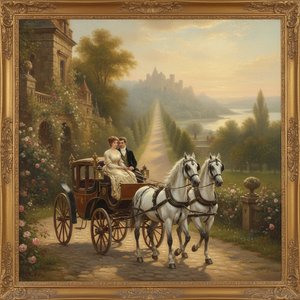
Timeless Elegance: A Visual Journey Through the Romance of Horse Carriage Artworks
Embark on a visual journey through the romantic world of horse carriage art. Discover the mastery of equestrian oil paintings, from Impressionist textures to classical realism, and learn how to bring timeless elegance into your home with museum-quality reproductions.

German Expressionism's 10 Defining Masterpieces | Art for Your Home
Explore 10 defining German Expressionism masterpieces – from Munch's 'The Scream' to Kandinsky’s abstracts. Discover the artists, stories & bold colors behind this powerful art movement. Find museum-quality reproductions at TopImpressionists.com.

The Noble Steed: A Historical and Artistic Exploration of Horses in Fine Art
Explore the rich history of horses in fine art! From ancient depictions to Renaissance masterpieces & beyond, discover iconic artworks and artists. Learn about symbolism, techniques, and find museum-quality reproductions at TopImpressionists.