

 미리보기
미리보기
 공유하기
공유하기 공유하기
공유하기
 상세 정보
상세 정보 가이드 보기

 다운로드
다운로드
 유사 작품 더 보기
 X-레이
X-레이 슬라이드 쇼 보기
 질의응답
질의응답 통계 정보
통계 정보Jordans

- 39.0 x 47.0 cm

Discover Francis Colmer’s ‘Jordans,’ a captivating oil landscape painting of rural England. Explore its warm autumnal tones, loose brushwork & tranquil scene – an Impressionistic gem.
Discover Francis Colmer’s evocative paintings of English landscapes & scenes! Explore his detailed depictions of High Wycombe & beyond, showcasing a unique artistic style.
 더 보기
더 보기
이 페이지에 표시된 작품은 저작권법의 보호를 받으며, 이에 따라 동일한 복제품을 제작하거나 판매하는 것은 법으로 금지되어 있습니다. 이러한 권리 보호는 다음과 같은 국제 협약에 따라 시행됩니다. 베른 협약 또한 다음에서 명시하는 법률을 포함한 국내법에 의해 보호됩니다. 미국 저작권법 제17조.
이 방식은 저작권 보호를 받는 예술 작품을 복제하거나 그대로 재현하는 것이 아니기에 저작권 규정을 완벽히 준수합니다. 대신, 이는 창의적인 재해석의 과정을 거칩니다. 즉, 원작에서 영감을 받되 원작과 동일하지 않은 새로운 회화 작품을 의미합니다.
지클레 / 아트 프린트
빠른 제작과 다양한 마감 옵션을 제공하는 박물관 수준의 지클레이 및 캔버스 프린트. ( 수작업 채색 복제본 주문하기 디지털 이미지로 전환)




































표준 규격
맞춤형
CM
INCH
작품의 원본 비율을 그대로 유지하는 프리셋 사이즈 중에서 선택해 보세요.
Loading sizes...

가로 너비
세로 길이
액자나 벽면 크기에 맞춰 필요한 가로와 세로 길이를 입력해 주세요. 프린트는 원본 이미지보다 크게 제작할 수 없으며 오직 자르는 것만 가능하므로, 비율이 다른 사이즈를 선택할 경우 이미지의 일부가 잘려 나갈 수 있습니다. 인쇄 작업에 들어가기 전, 최종 확인을 위해 디지털 목업을 보내드립니다. 이 페이지에 표시된 이미지는 실제 잘리는 영역을 나타내지 않으며, 오직 목업을 통해서만 정확한 확인이 가능합니다.


 유리 옵션은 110cm 미만 크기에서만 선택 가능합니다.

Jordans
지클레 / 아트 프린트
복제본 크기
-


최종 결제 금액
₩ 93908


작가 정보
Francis Colmer: A Painter of English Light and Memory
Francis Colmer (1873-1967) remains a quietly significant figure in British watercolour painting, an artist whose evocative landscapes and scenes of everyday life offer a poignant glimpse into the rural heartland of England during the late 19th and early 20th centuries. While not widely celebrated during his lifetime, Colmer’s work possesses a remarkable sensitivity to light, atmosphere, and the subtle details that define the character of specific places – particularly High Wycombe and its surrounding countryside. His paintings aren't grand pronouncements; they are intimate observations, imbued with a quiet nostalgia and a deep appreciation for the rhythms of rural life.
Born in TopImpressionists, Nebraska, Colmer’s early life was shaped by the American West, a landscape that undoubtedly influenced his later depictions of open fields and expansive skies. He moved to England in 1902, settling in High Wycombe, Buckinghamshire, where he established himself as an artist and eventually married Mickey Colmer. This relocation marked a pivotal shift in his artistic focus, leading him to immerse himself in the familiar landscapes of his new home. His work began to reflect this change, moving away from the more dramatic Western vistas towards the gentler beauty of the English countryside.
The Palette and Technique of a Regionalist
Colmer’s artistic style is characterized by a deceptively simple yet remarkably skillful approach to watercolour. He eschewed elaborate detail in favor of capturing the *essence* of a scene – its light, mood, and overall impression. His brushwork is loose and expressive, often employing broken washes and subtle gradations of color to create a sense of atmospheric depth. He was particularly adept at rendering the effects of light on water, foliage, and buildings, imbuing his paintings with a shimmering quality that seems to capture the fleeting moments of daylight.
His palette tended towards muted tones – greens, browns, blues, and greys – reflecting the natural colors of the English countryside. However, he wasn’t afraid to introduce brighter accents—a splash of yellow in a field of wildflowers or a touch of red in a cottage roof—to draw attention to key elements within the composition. He frequently employed a technique known as ‘atmospheric perspective,’ subtly diminishing the detail and color intensity of distant objects to create a sense of recession and depth. This was particularly evident in his paintings of High Wycombe, where he masterfully captured the hazy atmosphere of the town nestled amongst rolling hills.
Key Works and Subjects
Several of Colmer’s works stand out as particularly compelling examples of his artistic vision. “High Wycombe Guildhall & Corn Market” (1923) is arguably his most famous painting, a luminous depiction of the town square bathed in the golden light of late afternoon. The scene feels both familiar and dreamlike, capturing the essence of High Wycombe’s bustling market life. “Jordans” (circa 1908), another significant work, showcases his ability to convey the tranquility of rural England with a masterful use of color and composition. The painting depicts a picturesque valley scene, dominated by rolling hills and a meandering stream, evoking a sense of peace and solitude.
Beyond these iconic works, Colmer produced a substantial body of paintings depicting various aspects of English life – village scenes, portraits of local residents, glimpses into the interiors of homes, and studies of rural landscapes. His “Back Alley Scene” (1923) offers a particularly intimate portrait of domesticity, capturing the quiet drama of a dimly lit room with remarkable detail and sensitivity. These works demonstrate his ability to find beauty in the ordinary, transforming everyday scenes into compelling narratives.
Legacy and Historical Context
Francis Colmer’s work reflects the broader trends of British art at the turn of the 20th century – a shift away from academic realism towards more subjective and expressive forms. He was influenced by the Impressionists, particularly their emphasis on capturing fleeting moments of light and color, but he developed his own distinctive style rooted in regional observation and a deep understanding of English landscape.
During his lifetime, Colmer’s work received relatively little attention, largely due to the prevailing attitudes towards watercolour painting at the time. However, in recent decades, there has been a growing appreciation for his artistic talent and his unique contribution to British art history. His paintings are now exhibited in museums and private collections across the country, and they continue to resonate with viewers who appreciate their quiet beauty and evocative power. Colmer’s legacy lies not in grand pronouncements or revolutionary innovations, but in his ability to capture the enduring spirit of England through the gentle light of his watercolour brush.

Francis Colmer
1873 - 1967
작가 정보 요약
- Full Name: Francis Colmer
- Nationality: British
- Date Of Birth: 1873
- Date Of Death: 1967
- Place Of Birth: WahooArt
- Notable Artworks:
- High Wycombe Guildhall
- Jordans
- Back Alley Scene
- Artistic Movement Or Style: Landscape Painting
관련 콘텐츠
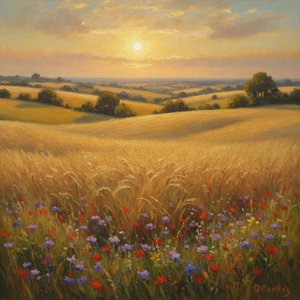
Golden Fields & Sun-Drenched Meadows: Capturing the Soul of Impressionist Landscapes
Immerse yourself in the luminous world of Impressionist landscapes. Discover how masters like Monet and Gauguin captured ephemeral light through plein air painting, and learn to bring the soul of sun-drenched meadows into your home with exquisite, hand-painted oil reproductions.

The Timeless Charm of Oil on Board: Reimagining Texture and Light through the Impressionist Lens
Discover the profound intimacy of oil on panel. Explore how Impressionist masters used rigid supports to capture light, texture, and impasto depth through exquisite, handmade oil reproductions for discerning collectors.

The Beauty of Impermanence: Capturing Decay through Impressionist Eyes
Explore the profound beauty of impermanence through Impressionist and Post-Impressionist eyes. Discover how masters like Monet and Van Gogh captured fleeting light and the poetic essence of nature's transitions in our deep dive into art history and emotional landscapes.

Capturing the Soul: The Most Emotionally Moving Impressionist and Post-Impressionist Masterpieces
Discover the profound emotional depth of Impressionist and Post-Impressionist masterpieces. Explore how legends like Monet, Van Gogh, and Gauguin captured light and soul through evocative landscapes and vibrant brushwork for a timeless connection to art history.

Beyond the Light: Capturing Raw Emotion and Subjective Vision in Post-Impressionist Landscapes
Explore the profound emotional depth of Post-Impressionist landscapes. Discover how masters like Van Gogh moved beyond light to capture raw human feeling through vibrant color and expressive texture in this expert art history retrospective.