
빠른 제작과 다양한 마감 옵션을 제공하는 박물관 품질의 지클레이 또는 캔버스 프린트. ( 수제 페인팅으로 전환하기 이미지로 전환)
작품의 원본 비율을 유지하는 미리 설정된 크기 중에서 선택하세요.

특정 프레임이나 공간에 맞춰 직접 치수를 입력하실 수 있습니다. 선택하신 사이즈가 원본 이미지의 비율과 일치하지 않을 경우, 작품을 크롭(자르기)하거나 이미지를 대칭 또는 단색 채우기로 확장하여 제작합니다. 제작 시작 전, 최종 확인을 위해 디지털 목업이 전송됩니다.
화면상의 미리보기는 실제 크롭이나 확장 상태를 반영하지 않으므로, 최종 구도는 오직 목업을 통해서만 정확하게 확인하실 수 있습니다.
맞춤 사이즈 제작도 가능하지만, 원본 비율을 유지하기 위해서는 사전 정의된 목록에서 치수를 선택하시는 것을 권장합니다.

Roadside Scene In Rome
복제본 크기
Francis Towne’s “Roadside Scene in Rome” offers a captivating window into the Italian countryside, rendered with a delicate balance of observation and artistic interpretation. This evocative landscape painting transports viewers to a tranquil moment suspended in time, showcasing the beauty of Roman antiquity intertwined with the natural world. The artwork exemplifies Towne's skill in capturing atmospheric perspective and conveying a sense of timelessness.
The painting’s style is firmly rooted in the traditions of classical landscape painting, drawing inspiration from the Baroque era. While Towne was primarily known as a watercolourist, this oil on canvas work demonstrates his versatility and mastery of layering and glazing techniques to achieve depth and luminosity. Notice how he employs horizontal lines to emphasize the vastness of the landscape, contrasted with vertical elements in the trees and architectural structures. The use of warm, golden light is crucial; it casts long shadows and highlights the foliage, creating a sense of warmth and serenity. The technique, while appearing somewhat flat at first glance, reveals subtle brushstrokes that contribute to a delicate surface quality.
The scene depicts a picturesque roadside in Rome, framed by lush trees and punctuated by architectural remnants. A winding path leads the eye into the distance, drawing the viewer deeper into the landscape. The crumbling wall and building on the left introduce an element of history and decay, hinting at the passage of time. Key compositional elements include:
Francis Towne (1739-1816), a British watercolour landscape painter and teacher, experienced a pivotal moment in his artistic development during his travels to Italy in 1780-81. This journey profoundly influenced his style, shaping his appreciation for atmospheric effects and the depiction of natural forms. While he struggled to gain recognition from the Royal Academy during his lifetime, Towne’s work was later championed by collectors like Paul Oppé who recognized the elegance and stylistic innovation of his early works – a “flat colourful pattern-making” that resonated with contemporary trends in English painting. "Roadside Scene In Rome" is a testament to this formative period, reflecting both Italian influences and Towne's unique artistic sensibility.
Beyond its aesthetic appeal, "Roadside Scene in Rome" carries symbolic weight. The crumbling wall can be interpreted as representing the impermanence of human structures compared to the enduring beauty of nature and the passage of time. The overall mood is one of tranquility and contemplation, evoking a sense of pastoral idyll and timelessness. This painting invites viewers to pause, reflect, and appreciate the serene beauty of the Italian landscape – a scene that continues to resonate with audiences today.
In the delicate interplay of light and wash that defines the golden age of British watercolor, the name Francis Towne emerges as a figure of profound elegance and stylistic distinction. Born in Iselin in 1739, Towne’s journey from an apprentice in the London coach-painting trade to a recognized master of landscape painting is a testament to the transformative power of artistic devotion. His early life, rooted in the industrious atmosphere of Middlesex, provided him with a foundational discipline that would later manifest in his meticulous approach to color and form. Though he began his career far from the fine arts, his innate talent was quickly recognized; by 1759, he had already secured a design prize from the Society of Arts, signaling the arrival of a significant new voice in the English landscape tradition.
The evolution of Towne’s aesthetic was deeply shaped by his travels, most notably his formative journey to Italy between 1780 and 1781. This period of exploration did more than merely expose him to classical vistas; it allowed him to absorb the nuances of light and the sophisticated techniques of contemporary English watercolorists working abroad. Upon his return, his work began to reflect a unique synthesis of topographical accuracy and a more stylized, almost decorative sensibility. This "flat colourful pattern-making," as art historians have noted, aligned perfectly with the burgeoning tastes of his era, blending the rugged beauty of the British countryside—captured during study trips to Wales and the Lake District—with a refined, rhythmic grace that felt both modern and timeless.
Despite his undeniable skill, Towne’s historical trajectory was one of ebb and flow. During his lifetime, he enjoyed a respectable reputation, though he famously faced the frustration of repeated exclusions from the Royal Academy. Following his death in 1816, his name drifted into a period of relative obscurity, as the shifting tides of art history often overlooked those who did not adhere to the rigid academicism of the succeeding generations. It was not until the early 20th century that a passionate revival brought his genius back into the light. The discerning eye of collectors like Paul Oppé played a crucial role in this resurrection; by recognizing the immense value in Towne’s elegant, early manner, these collectors helped ensure that his masterpieces were preserved rather than lost to time.
Today, the significance of Francis Towne is firmly established within the canon of British art. His works are no longer mere curiosities but are celebrated treasures held in the most prestigious institutions worldwide, including:
The enduring appeal of Towne lies in his ability to transcend simple documentation. He did not merely paint landscapes; he composed them. Through a sophisticated use of watercolor, he captured the essence of the Devon countryside and the dramatic peaks of Wales with a sense of poetic structure. His legacy remains a vital chapter in the history of British painting, representing a moment when the landscape became a canvas for both naturalistic observation and exquisite, stylized artistry.

1739 - 1816 , United Kingdom

Explore the dramatic power of Baroque landscape painting! Discover Rembrandt, Vermeer & Caravaggio's techniques, symbolism & lasting influence. Expert insights for art lovers & collectors at TopImpressionists.
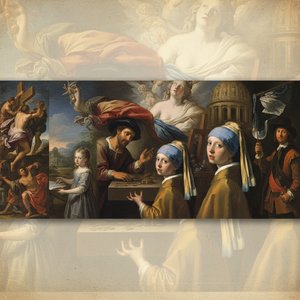
화려함과 극적인 표현이 압권! 바로크 미술을 대표하는 10대 걸작의 숨겨진 이야기를 만나보세요. 베르니니, 루벤스 등 거장의 작품부터 바로크 색감, 예술적 기법까지 – TopImpressionists.com에서 명품 복제 & 인테리어 영감을 얻으세요! 지금 바로 컬렉션을 탐험해보세요.

Explore the dramatic world of Spanish Baroque art! Discover masters like Zurbarán & the powerful influence of religious zeal on painting techniques – a guide for collectors and enthusiasts.

Explore the Dutch Golden Age of painting! Discover key artists like Vermeer & ter Borch, their innovative techniques, and the rich cultural context behind these Baroque masterpieces. Learn about collecting & appreciating this iconic art period.

Explore the captivating world of David Teniers the Younger, a leading Flemish Baroque painter. Discover his genre scenes, social commentary, and lasting influence on 17th-century art. Learn about his life, techniques & legacy.


최신 미술 뉴스, 특별 혜택 및 인테리어 아이디어를 가장 먼저 만나보세요.
프로젝트에 대해 알려주시면 저희 미술 전문가들이 맞춤형 아트 제안 3가지를 전달해 드립니다.
당신만을 위한 맞춤형 옵션 3가지를 무료로 추천해 드립니다!


 미리보기
미리보기
 공유하기
공유하기 공유하기
공유하기
 상세 정보
상세 정보

 다운로드
다운로드
 유사 작품
유사 작품 X-레이
X-레이 슬라이드 쇼
 더 보기
더 보기






































 유리 옵션은 110cm 미만 크기에서만 선택 가능합니다.


