

 미리보기
미리보기
 공유하기
공유하기 공유하기
공유하기
 상세 정보
상세 정보 가이드 보기

 다운로드
다운로드
 유사 작품 더 보기
 X-레이
X-레이 슬라이드 쇼 보기
 질의응답
질의응답 통계 정보
통계 정보Black Fan

- 424.0 x 637.0 cm


Fujishima Takeji's 'Black Fan,' painted in 1909, showcases a woman gracefully adorned with a white veil and clutching a black fan. Inspired by the taste for Spanish culture, the painting utilizes vibrant hues and dynamic brushstrokes to convey elegance and mystery, embodying the artist’s signature style.
 더 보기
더 보기
Discover Fujishima Takeji (1867-1943), a pivotal figure in Japanese Yōga painting. Explore his romantic, post-impressionist & Art Nouveau masterpieces like 'Mourning for Butterflies,' bridging Eastern and Western art traditions.
지클레 / 아트 프린트
빠른 제작과 다양한 마감 옵션을 제공하는 박물관 수준의 지클레이 및 캔버스 프린트. ( 수작업 채색 복제본 주문하기 디지털 이미지로 전환)




P118B ₩10

P118H ₩10

P118W ₩10

P438Z ₩10

P508JH ₩12

P508YH ₩12

P805H ₩10

P805Z ₩10

P919BZ ₩10

P919G ₩10

P919XJ ₩10

P959ZH ₩10

P968JZ ₩12

W106C ₩8

W218G ₩10

W218JH ₩8

W218Y ₩10

W307PJ ₩10

W316G ₩10

W316PJ ₩8

W316Y ₩10

W398PJ ₩8

W4111J ₩10

W500HY ₩15

W500JH ₩15

W692G ₩12

W849H ₩8

W940BG ₩15

W953PJ ₩8




표준 규격
맞춤형
CM
INCH
작품의 원본 비율을 그대로 유지하는 프리셋 사이즈 중에서 선택해 보세요.
Loading sizes...

가로 너비
세로 길이
액자나 벽면 크기에 맞춰 필요한 가로와 세로 길이를 입력해 주세요. 프린트는 원본 이미지보다 크게 제작할 수 없으며 오직 자르는 것만 가능하므로, 비율이 다른 사이즈를 선택할 경우 이미지의 일부가 잘려 나갈 수 있습니다. 인쇄 작업에 들어가기 전, 최종 확인을 위해 디지털 목업을 보내드립니다. 이 페이지에 표시된 이미지는 실제 잘리는 영역을 나타내지 않으며, 오직 목업을 통해서만 정확한 확인이 가능합니다.


 유리 옵션은 110cm 미만 크기에서만 선택 가능합니다.

Black Fan
지클레 / 아트 프린트
복제본 크기
-


최종 결제 금액
₩ 93908
The Enigma of Black Fan
To gaze upon Fujishima Takeji's "Black Fan" is to step directly into a moment suspended between cultures and memories. This magnificent painting, executed in 1909, captures a portrait of profound mystery embodied by a woman adorned with an ethereal white veil. The subject commands attention not merely through her presence, but through the exquisite tension held within the objects she carries—most notably, the striking black fan. Fujishima’s connection to this piece was deeply personal; it remained with him until his final days, suggesting that the canvas itself served as a tangible anchor to cherished memories of Italy, a place that clearly resonated profoundly within his artistic soul.
A Tapestry of Color and Technique
Technically, the painting is a masterclass in controlled contrast. While Fujishima worked with what might appear to be a restricted palette, it is precisely the deliberate placement of vibrant hues that elevates the work from mere depiction to high art. Observe the luminous quality achieved through his use of translucent blue for shadows, juxtaposed against the startling brightness of pink highlighting her left cheek. These accents draw the eye immediately, guiding the viewer across the delicate contours of her face. The contrast between the stark white veil and the deep void of the black fan is breathtaking; the brushwork applied to both elements possesses a palpable sense of speed and contained power, suggesting an almost kinetic energy barely restrained.
Symbolism and Cultural Echoes
The interplay of these symbolic elements—the veil, the fan, the Italian setting—suggests a rich confluence of influences. The white veil and the black fan are often interpreted by scholars as reflecting a distinct taste for Spanish aesthetics, lending the portrait an air of exotic drama. Her gaze, directed outward toward the viewer, is not confrontational but rather deeply intriguing, inviting speculation about her thoughts. Coupled with the striking features—the firm red lips set against the cool blue of her eyes—the painting becomes less a likeness and more an allegory for veiled emotion and cultural exchange.
Bringing Italian Romance Home
For the collector or designer seeking to infuse a space with the romance of turn-of-the-century European artistry filtered through Japanese genius, "Black Fan" offers unparalleled depth. Its scale, spanning impressively across the frame, ensures it functions as a monumental focal point. Owning a reproduction allows one to possess not just a painting, but a narrative—a story of an artist bridging worlds, capturing the fleeting beauty of a moment steeped in foreign allure and personal devotion. It is a piece that whispers tales of sun-drenched Italian afternoons and artistic obsession.
질의응답
Fujishima Takeji의 "Black Fan"의 대비는 어느 정도로 강한가요?
Fujishima Takeji의 "Black Fan"은(는) 밝은 부분과 어두운 부분 사이의 Bold 대비를 보여줍니다.
"Black Fan"은(는) 어떤 분위기를 자아내나요?
Fujishima Takeji의 "Black Fan"은(는) Romantic한 분위기를 자아냅니다. 이러한 특징을 통해 작품을 공간의 무드에 맞춰 선택하는 데 도움을 얻을 수 있습니다.
"Black Fan"의 형태와 크기는 어떻게 되나요?
"Black Fan"의 형식은 Portrait이며, 원작의 크기는 424 x 637 cm입니다. 두 정보 모두 복제본 제작을 계획할 때 유용합니다.
유사한 작품들

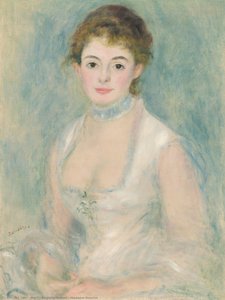


작가 정보
A Bridge Between Worlds: The Life and Art of Fujishima Takeji
Fujishima Takeji, born in Kagoshima in 1867, emerged as a pivotal figure during a period of profound transformation in Japanese art. His life coincided with the rapid modernization of Japan following the Meiji Restoration, an era that witnessed a fervent embrace of Western ideas alongside a deep reverence for traditional culture. This dynamic tension became the defining characteristic of Takeji’s artistic journey, positioning him at the forefront of the *yōga* movement – the adoption of Western painting techniques by Japanese artists. His early life, rooted in the samurai class through his father's lineage as a retainer to the Shimazu clan, instilled within him a sense of discipline and tradition that would subtly inform his later artistic explorations. Though initially studying traditional *nihonga* painting with Hirayama Tōgaku, Takeji felt an undeniable pull towards the innovations unfolding in Western art, leading him to Tokyo and a dedicated pursuit of oil painting under masters like Yamamoto Hōsui and Yukihiko Soyama.Forging a New Aesthetic: Romanticism, Impressionism, and Art Nouveau
Takeji’s artistic style wasn't defined by strict adherence to any single Western school but rather by a masterful synthesis of various influences. He absorbed the tenets of Romanticism, imbuing his works with a sense of emotional depth and dramatic narrative. This was coupled with an appreciation for Impressionism’s emphasis on capturing fleeting moments and the effects of light – though filtered through a distinctly Japanese sensibility. His 1891 debut piece, “Muzan” (Cruelty), garnered attention from the influential novelist Mori Ōgai, signaling his rising prominence within the art world. Later, a sojourn to Europe in 1905 proved transformative. Studying under Fernand Cormon and Carolus-Duran in Paris and Italy respectively, he honed his technical skills while further refining his artistic vision. The influence of Art Nouveau began to subtly weave its way into his compositions, adding an element of decorative elegance and flowing lines. This unique blend resulted in a style that was both distinctly Japanese and undeniably modern – a harmonious fusion of East and West. Works like “Woman of Italy” (1909) beautifully demonstrate this synthesis, showcasing Western portraiture techniques applied to a subject imbued with a delicate Japanese aesthetic.Themes and Techniques: A Celebration of Beauty and Nostalgia
Throughout his career, Fujishima Takeji consistently explored themes that resonated deeply within the Japanese cultural landscape. He frequently depicted women – often historical figures or idealized representations of feminine beauty – rendered with a sensitivity and grace that captivated audiences. Flowers, butterflies, and landscapes also featured prominently in his oeuvre, serving as vehicles for expressing both aesthetic pleasure and subtle emotional undertones. “From the Notebooks: Mourning for Butterflies” exemplifies this approach; its delicate watercolor rendering evokes a sense of wistful melancholy and fleeting beauty, reminiscent of *ukiyo-e* prints yet executed with a distinctly Western painterly technique. His landscapes, such as "Distant View of Awajishima" (1929), are not merely representations of scenery but rather evocative mood pieces that capture the serene atmosphere and subtle nuances of the natural world. Takeji’s technical mastery was evident in his skillful handling of oil paint and watercolor, achieving a remarkable balance between realism and expressive brushwork.Legacy and Influence: Shaping Modern Japanese Art
Fujishima Takeji's impact on the development of modern Japanese painting is undeniable. As a professor at the Tokyo Art School and a member of the Imperial Art Academy, he played a crucial role in shaping the next generation of artists. While not directly involved with the *nihonga* movement – which sought to revitalize traditional Japanese art forms – his work within the *yōga* sphere indirectly influenced its development by demonstrating the possibilities of incorporating Western techniques while retaining a distinctly Japanese identity. He paved the way for other artists to explore new avenues of artistic expression, bridging the gap between tradition and modernity. His recognition with the prestigious Order of Culture in 1937 solidified his position as one of Japan’s most important artists. Today, his works are held in prominent collections, including the Fujikawa Galleries in Japan, continuing to inspire and captivate audiences with their timeless beauty and enduring artistic significance. He remains a testament to the power of cross-cultural exchange and the transformative potential of art.
Fujishima Takeji
1867 - 1943 , Japan
작가 정보 요약
- Full Name: Fujishima Takeji
- Nationality: Japanese
- Date Of Birth: 1867
- Date Of Death: 1943
- Place Of Birth: Kagoshima, Japan
- Notable Artworks:
- Mourning for Butterflies
- Woman of Italy
- Distant View Awajishima
- Artistic Movement Or Style:
- Yōga
- Post-Impressionism
- Art Nouveau
- Romanticism
- Artists Who Influenced This Artist:
- Yamamoto Hōsui
- Kuroda Seiki
- Artists Or Movements Influenced By This Artist: ['Nihonga movement']
관련 콘텐츠

폴 세잔 명작 25선: 시대를 초월하는 예술과 공간의 미학 | TopImpressionists
폴 세잔의 시대를 초월하는 명작 25점을 만나보세요. 인상주의를 넘어 후기 인상주의를 개척한 화가의 예술 세계와 정물화, 풍경화 속 숨겨진 이야기를 TopImpressionists에서 감상하세요. 고품질 아트 프린트와 캔버스 액자로 공간에 예술을 더해보세요! 지금 바로 컬렉션을 탐험하세요.

Dark Masterpieces: 10 Iconic Paintings Dominated by Black Tones |
Explore 10 iconic paintings dominated by black tones, from Rembrandt’s chiaroscuro to Goya's dark expressions. Discover the stories behind these masterpieces & find museum-quality art reproductions for your home at .

Romantic Realism's Finest: 10 Masterpieces for Your Home | TopImpressionists
Explore 10 defining masterpieces of Romantic Realism! Discover Courbet, Millet & Daumier's powerful paintings—capturing emotion and social realities. Find museum-quality reproductions for your home at TopImpressionists.com.

Mars Black Masterpieces: 10 Iconic Paintings & Timeless Art Decor Ideas
Delve into the power of 'Mars Black' with 10 iconic paintings by masters like Rembrandt & Caravaggio. Explore dramatic chiaroscuro, gothic art, and timeless beauty. Find museum-quality reproductions & elevate your home decor on .

Impressionism's Masterpieces: 10 Paintings That Defined a Movement | TopImpressionists
Journey through Impressionism's heart with 10 iconic paintings by Monet, Renoir & Degas. Explore light, color & the stories behind these masterpieces. Find museum-quality art reproductions and elevate your home decor on TopImpressionists.com.