

 실제 크기로 보기
 보내기
보내기 공유하기
공유하기
 상세 보기
상세 보기 가이드 보기

 이미지 다운로드
 유사 작품 더 보기
 X-레이
X-레이 슬라이드 쇼 보기
 Q&A
Q&A 통계 정보
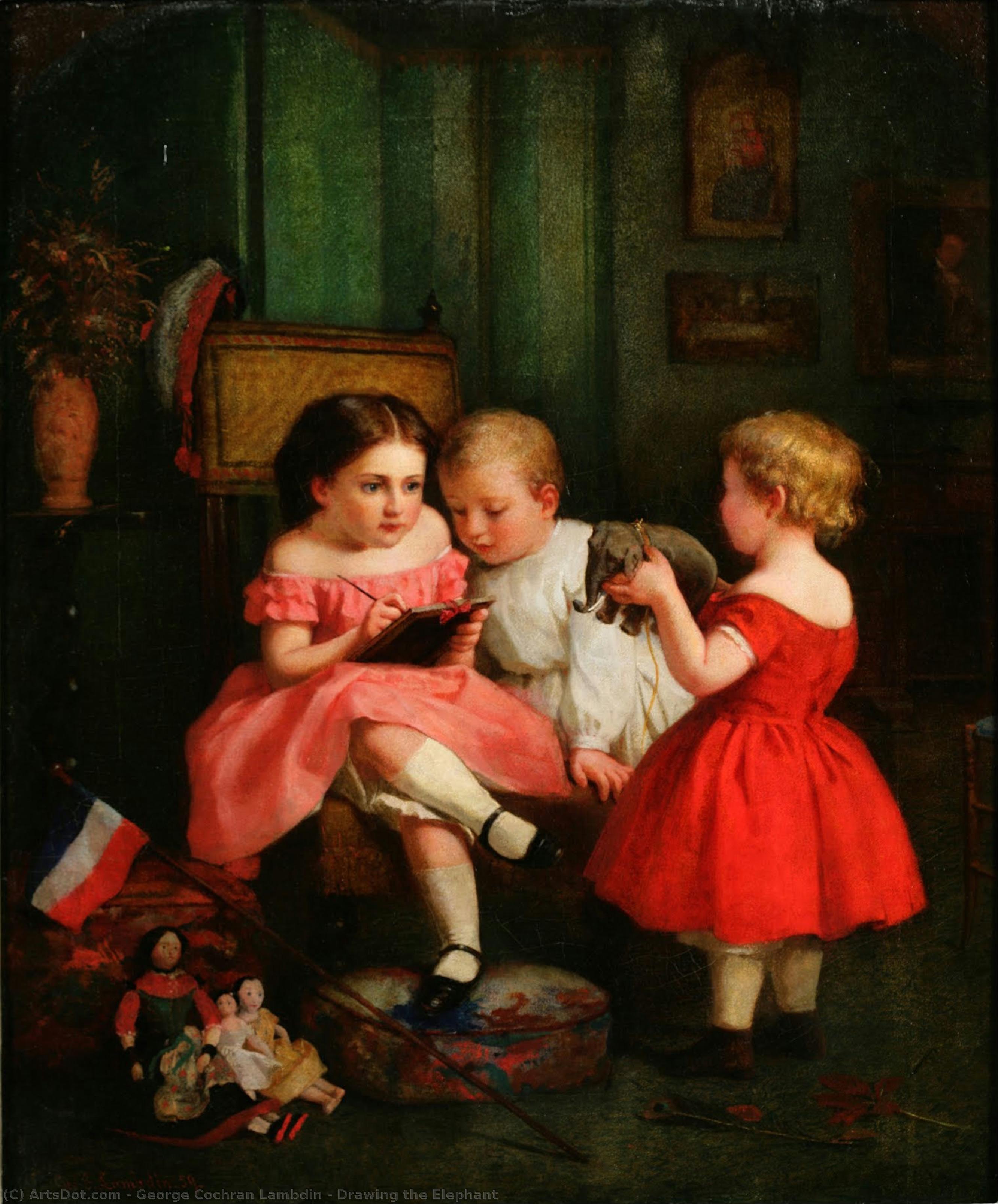
통계 정보Drawing the Elephant

 상세 보기
상세 보기
웹 미리보기 화면을 훨씬 뛰어넘는 인쇄용 파일을 만나보세요. 저희가 판매하는 모든 디지털 이미지는 스톡 데이터베이스 내의 고해상도 마스터 파일(일반적으로 가로 5,000~15,000픽셀)을 기반으로 합니다. 따라서 대형 인쇄나 정밀한 크롭 작업 시에도 세밀한 디테일을 자신 있게 구현할 수 있습니다.
저희 스튜디오를 거치는 모든 파일은 정교한 손길을 거칩니다. 디지털 전문가가 원작과 대조하여 색상을 점검하고 필요 시 보정하며, 전문 리터칭 도구를 사용하여 선명도와 디테일을 높입니다. 이 과정에서 작가의 붓 터치와 화풍을 충실히 유지하는 것을 원칙으로 합니다. 그 결과, 단순한 스캔본에 필터를 입힌 듯한 느낌이 아닌, 마치 실제 회화 작품을 보는 듯한 이미지를 구현해냅니다.
최종 완료 전 확인 단계가 있습니다. 전문가가 검토하실 수 있도록 72시간 이내에 이메일로 이미지를 보내드립니다. 결과물이 만족스럽지 않으신가요? 수정이나 보완을 요청하시거나, 품질이 기대에 미치지 못할 경우 환불을 요청하실 수 있습니다.
출판사, 디자인 스튜디오, 갤러리 및 인쇄소가 신뢰하는 바로 그 품질입니다.
디지털 이미지
개인 소장 및 전시, 인쇄, 창작 프로젝트를 위한 고해상도 파일을 다운로드하세요. ( 프린트 판매로 전환 수작업 채색 복제본 주문하기)
모든 디지털 이미지 주문 시 제공되는 혜택
전문적인 디지털 이미지 전송 보장
TopImpressionists.com를 선택하시면 단순히 이미지를 받는 것을 넘어, 정밀한 보정 과정을 거쳐 완성된 전문적인 디지털 예술 작품을 만나보실 수 있습니다. 모든 작품에는 만족 보장 서비스가 함께 제공되며, 주문 시 다음과 같은 사항들이 자동으로 포함됩니다:

빠른 이메일 수령
주문 후 72시간 이내에 고해상도 디지털 이미지 파일이 이메일로 발송되며, 즉시 사용하실 수 있습니다.

AI 기술로 최적화된 디지털 파일
귀하의 작품은 고급 AI 기술과 정교한 수동 편집 과정을 거쳐 전문적으로 최적화되며, 이를 통해 디테일과 선명도, 색상의 정확도를 극대화합니다.

평생 무료 재전송 서비스
파일을 실수로 삭제하거나 분실하셨나요? 걱정 마세요. 언제든 무료로 다시 보내드립니다.

추가 수입 비용 없음 - 언제나
관세나 부가세, 배송비 부담 없이 작품을 즉시 소장하세요 - 디지털 다운로드는 언제나 면세 혜택이 적용됩니다.

정확한 색상 보장
전문적인 도구와 색상 관리 시스템을 통해 디지털 이미지가 원본의 색상을 최대한 정확하게 구현하도록 보장합니다.

100일 만족 보장제
구매하신 디지털 이미지에 만족하지 못하실 경우, 100일 이내에 별도의 조건 없이 수정 또는 100% 환불을 진행해 드립니다.

100% 환불 보장
만족스럽지 않으신가요? 디지털 파일을 받으신 후 100일 이내에 조건 없이 전액 환불해 드립니다.

대량 주문 할인
이미지 3매 구매 시 10% 할인 - 5매 구매 시 15% 할인 - 10매 이상 구매 시 20% 할인. 크리에이티브 프로젝트, 갤러리, 에이전시에 매우 유용합니다.
From 1855-1857, Lambdin studied art in Paris and Munich. Upon returning to Philadelphia he specialized in painting scenes of childhood life.
질의응답
George Cochran Lambdin의 "Drawing the Elephant"의 제작 연도는 언제인가요?
"Drawing the Elephant"은(는) 1859년에 제작되었습니다. 이 시기는 George Cochran Lambdin의 예술적 경력과 당시의 시대상을 잘 보여줍니다.
George Cochran Lambdin의 "Drawing the Elephant"의 대비(contrast) 수준은 어느 정도인가요?
George Cochran Lambdin의 "Drawing the Elephant"의 대비 수준은 Balanced입니다.
"Drawing the Elephant"의 미리보기를 어디에서 볼 수 있나요?
George Cochran Lambdin의 "Drawing the Elephant"의 미리보기를 작품의 미리보기 페이지에서 확인하실 수 있습니다.
아티스트 프로필
A Florist's Vision of Victorian America
George Cochran Lambdin (1830-1896) stands as a singular figure in American art history—a painter who dedicated his artistic life to capturing the exquisite beauty of flowers, specifically roses, during the Victorian era. Born in Pittsburgh, Pennsylvania, Lambdin’s artistic journey began under the tutelage of his father, James Reid Lambdin, a celebrated portraitist whose influence undoubtedly shaped George's early sensibilities towards meticulous observation and skillful representation. Studying at the Pennsylvania Academy of Fine Arts in Philadelphia solidified his technical foundation, allowing him to hone his craft amidst a burgeoning artistic community. His early years were marked by a transition from the shadows of his father's prestigious legacy into a distinct voice that would eventually find its most profound expression in the delicate petals of botanical subjects.
Lambdin’s career unfolded against the backdrop of the American Civil War, a period that introduced a more somber and humanistic dimension to his repertoire. Recognizing the need for morale-boosting imagery amongst Union soldiers, he volunteered with the United Sentary Commission and skillfully documented camp life—scenes rendered with remarkable detail and sensitivity—often featuring depictions of soldiers interacting with their surroundings. These works weren't merely aesthetically pleasing; they served as tangible reminders of home and offered solace to those serving on the front lines. His artistic output during this era reflected a profound empathy for the human condition, mirroring the broader Victorian preoccupation with moral responsibility and social reform, as he moved between capturing grander genre scenes of women and children and the gritty realities of wartime domesticity.
The Mastery of Botanical Elegance
Despite facing health challenges in his later years, Lambdin persevered in his passion for floral painting, establishing himself in Germantown, Philadelphia. This period witnessed an astonishing transformation—Lambdin transitioned from capturing grand portraits and genre scenes to immersing himself in the subtle nuances of botanical art. He meticulously studied flower specimens, employing techniques honed by generations of artists before him, yet injecting them with a distinctly Victorian aesthetic. The resulting paintings are characterized by luminous color palettes and textured surfaces that breathe life into every bloom.
His later works, particularly his celebrated studies of roses, represent the pinnacle of his technical achievement. In these compositions, Lambdin achieved a sense of trompe l'oeil realism, where the velvety texture of a petal or the dewdrop clinging to a stem feels almost tactile. This dedication to the botanical world was likely inspired by Philadelphia itself, which at the time was affectionately known as the "City of Flowers." Through his brush, the ephemeral beauty of nature was granted a sense of permanence, turning simple floral arrangements into profound meditations on life, fragility, and the enduring grace of the natural world.
Legacy and Artistic Significance
The historical significance of George Cochran Lambdin lies in his ability to bridge the gap between the formal traditions of 19th-century portraiture and the intimate, decorative beauty of botanical still life. His work was not only celebrated in prestigious institutions like the National Academy of Design but also reached a much wider audience through reproduction. His paintings were widely reproduced as chromolithographs, allowing his vibrant floral visions to enter the homes of many, becoming part of the very fabric of Victorian domestic decor.
Today, Lambdin is remembered not just as a skilled technician, but as an artist who captured the soul of an era. His contributions can be summarized through several key artistic milestones:
- Technical Foundation: Mastery of light and texture developed through early training under his father and studies in Europe, including Munich.
- Versatility of Subject: A unique progression from Civil War genre scenes and portraiture to highly specialized botanical excellence.
- Cultural Impact: The widespread dissemination of his floral imagery via chromolithography, influencing American aesthetic tastes.
- Historical Documentation: His sensitive portrayal of camp life and domesticity during the American Civil War.
In the annals of American art, Lambdin remains a master of the delicate and the profound, leaving behind a legacy of luminous color and a timeless appreciation for the quiet splendor of the natural world.

George Cochran Lambdin
1830 - 1896 , United States of America
핵심 정보
- Artistic Movement Or Style: Victorian; Botanical and Genre painting
- Artists Who Influenced This Artist: ['James Reid Lambdin']
- Full Name: George Cochran Lambdin
- Nationality: American
- Place Of Birth: Pittsburgh, United States of America
- Date Of Birth: 1830
- Date Of Death: 1896