


 실제 크기로 보기
 보내기
보내기 공유하기
공유하기
 상세 보기
상세 보기 가이드 보기

 이미지 다운로드
 유사 작품 더 보기
 X-레이
X-레이 슬라이드 쇼 보기
 통계 정보
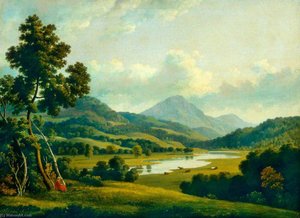
통계 정보Derwentwater
 1850
1850 57.0 x 77.0 cm
 Government Art Collection
 상세 보기
상세 보기
핸드메이드 유화 복제화
작가가 직접 캔버스에 손으로 그린 유화 작품으로, 원하는 크기와 액자로 맞춤 제작해 드립니다. ( 프린트 판매로 전환 디지털 이미지 판매 채널로 전환)




































표준 규격
맞춤 제작
CM
INCH
작품의 원본 비율을 그대로 유지하는 프리셋 사이즈 중에서 선택해 보세요.
Loading sizes...

가로 너비
높이
액자나 벽면 크기에 맞춰 필요한 가로와 세로 길이를 입력해 주세요. 본 작품은 수작업으로 제작되므로, 요청하신 비율에 따라 작가가 그림의 가장자리를 조금 더 넓게 그리거나 일부를 조정하여 작업할 수 있습니다. 작업 시작 전, 최종 확인을 위해 디지털 목업 이미지를 보내드립니다. 이 페이지에 표시된 이미지는 실제 결과물과 다를 수 있으며, 오직 목업 이미지만이 정확한 결과물을 보여줍니다.
변경 가능한 예시: 얼굴을 고객님의 사진으로 교체, 반려동물 추가(예: 고양이를 강아지로 변경), 배경에 숨겨진 메시지 삽입, 배경 풍경 또는 요소 변경 등
주문 완료 후 TopImpressionists.com 팀에서 상세 안내를 위해 고객님께 이메일을 보내드리며, 미리보기 시안을 함께 제공해 드립니다.
주문 완료 후 TopImpressionists.com 팀에서 상세 안내를 위해 고객님께 이메일을 보내드리며, 미리보기 시안을 함께 제공해 드립니다.


 유리 옵션은 110cm 미만 크기에서만 선택 가능합니다.

Derwentwater
재현 매체
복제본 규격
-


총 결제 금액
₩ 367123
The Derwentwater painting, created by George Frederick Buchanan in 1850, is a breathtaking oil on canvas artwork that showcases the artist's exceptional skill in capturing serene landscapes. Measuring 57 x 77 cm, this stunning piece is part of the Government Art Collection (London, United Kingdom).
The Derwentwater painting is a testament to George Frederick Buchanan's skill as a landscape artist, and its serene beauty continues to captivate art lovers to this day. For handmade oil paintings reproductions of this masterpiece, visit https://TopImpressionists.com.
Artistic Style and Composition
The painting depicts a tranquil scene of a lake with mountains in the background, surrounded by trees and a small village near the water's edge. The village features several buildings, including a church steeple and a barn, while a boat on the lake adds to the peaceful atmosphere. Two birds can be seen flying above the lake, and two dogs are resting near the village, creating a harmonious balance between nature and human-made structures. Key elements of the painting include the use of soft colors, delicate brushstrokes, and a sense of depth that draws the viewer into the scene. The artist's attention to detail is evident in the intricate textures and patterns found throughout the painting. For more information on George Frederick Buchanan's works, visit /art/list/?Filter=AS7SKD-George-Frederick-Buchanan-Derwentwater.Similar Works by George Frederick Buchanan
Some of George Frederick Buchanan's other notable works include:- Scene in the Lake District, another oil on canvas painting created in 1850, measuring 56 x 76 cm, and part of the Government Art Collection (London, United Kingdom). More details can be found at /art/list/?Filter=AQZHYC-George-Frederick-Buchanan-Scene-in-the-Lake-District.
- Landscape with a Lake, a stunning oil on canvas painting measuring 60 x 91 cm, also part of the Government Art Collection (London, United Kingdom). Visit /art/list/?Filter=AQZR6W-George-Frederick-Buchanan-Landscape-with-a-Lake for more information.
The Derwentwater painting is a testament to George Frederick Buchanan's skill as a landscape artist, and its serene beauty continues to captivate art lovers to this day. For handmade oil paintings reproductions of this masterpiece, visit https://TopImpressionists.com.
질의응답
George Frederick Buchanan의 "Derwentwater"의 저작권으로 복제가 가능한가요?
"Derwentwater"의 원작은 Government Art Collection에 소장되어 있으며, 이 작품은 퍼블릭 도메인 - 저작권 보호 기간이 만료되었습니다 상태입니다.
학생들을 위한 George Frederick Buchanan의 "Derwentwater" 관련 팩트시트가 있나요?
George Frederick Buchanan의 "Derwentwater"에 대한 가이드 페이지를 이용하실 수 있습니다. 이 페이지는 학생들과 수업용으로 제작된, 인쇄 가능한 작품 정보 시트를 제공합니다.
George Frederick Buchanan의 "Derwentwater"의 전반적인 색조는 무엇인가요?
"Derwentwater"은(는) Ochre to Sepia 톤에 가깝습니다.
작가 소개
The Soul of the Scottish Highlands: The Life and Art of George Frederick Buchanan
In the quiet, mist-shrouded valleys of the nineteenth century, a particular kind of magic was being captured on canvas by an artist who preferred the whispers of nature to the clamor of the city. George Frederick Buchanan (1800–1864) emerged as a vital voice within the Romantic movement, a painter whose work serves as a window into the tranquil, enduring beauty of the Lake District and the Scottish Highlands. While history often reserves its brightest spotlights for the tempestuous drama of J.M.W. Turner or the rugged realism of John Constable, Buchanan carved out a unique sanctuary in the art world through his devotion to serenity, light, and the profound stillness of the natural landscape.
Born in Kendal, Cumbria, into a family deeply rooted in the Quaker tradition, Buchanan’s early life was shaped by values of integrity and a quiet, observant intellect. His upbringing instilled in him a reverence for the world around him, though his path to formal artistry was not without hesitation. The moral convictions of his youth initially made him wary of the pursuit of formal training; however, his innate curiosity eventually led him to the Newcastle upon Tyne Art Academy. It was there that he encountered the profound influence of John Sell Cotman, a master of landscape whose delicate handling of light and structure would leave an indelible mark on Buchanan’s developing aesthetic.
A Journey Through Light and Water
The true metamorphosis of Buchanan’s style occurred when he relocated to Keswick in 1835. This move placed him at the very heart of his greatest inspiration: the breathtaking scenery of Derwentwater and Bassenthwaite Lake. The dramatic topography of the region—characterized by towering, verdant mountains and shimmering, mirror-like waters—became the primary protagonist in his oeuvre. Buchanan did not merely seek to document these locations; he sought to translate their emotional resonance. Through a meticulous, layered technique, often beginning with precise underdrawings followed by delicate washes of color, he achieved a luminous quality that made the atmosphere feel almost tangible.
His mastery was particularly evident in his ability to balance the monumental with the intimate. In works such as Landscape with a Lake and a Shepherd, Buchanan weaves human presence into the vastness of nature without disrupting its peace. The inclusion of a shepherd and his dogs near the water's edge provides a sense of scale and life, grounding the epic landscape in a moment of pastoral quietude. His palette, often favoring muted and earthy hues, reflected the subdued grandeur of the English and Scottish landscapes, avoiding unnecessary flash in favor of a sophisticated, tonal harmony that invites the viewer into a state of contemplation.
Legacy of the Romantic Landscape
As his career progressed, Buchanan’s reputation grew through exhibitions at prestigious institutions such as the Royal Academy and the British Institution. His ability to capture the essence of specific locales—from the iconic Kilchurn Castle on Loch Awe to the serene vistas of Derwentwater—ensured that his work became a vital part of the British landscape tradition. Even as the art world moved toward new movements, Buchanan remained steadfast in his commitment to the Romantic ideal: the belief that nature is a source of spiritual renewal and profound emotional truth.
Today, the significance of George Frederick Buchanan lies in his role as a chronicler of a vanishing tranquility. His paintings remain much more than mere topographical records; they are poetic meditations on the permanence of the earth against the fleeting passage of time. To look upon a Buchanan landscape is to experience a moment of stillness, a breath held in reverence of the mountains and lakes that continue to define the spirit of the North.
George Frederick Buchanan
1800 - 1864
작가 정보 요약
- Full Name: George Frederick Buchanan
- Nationality: British
- Date Of Birth: 1800
- Date Of Death: 1864
- Place Of Birth: Keswick, England
- Notable Artworks: ['Derwentwater']
- Artistic Movement Or Style: Romantic Landscape