

 미리보기
미리보기
 공유하기
공유하기 공유하기
공유하기
 상세 정보
상세 정보 가이드 보기

 다운로드
다운로드
 유사 작품 더 보기
 X-레이
X-레이 슬라이드 쇼 보기
 질의응답
질의응답 통계 정보
통계 정보Interrogation

- 46.0 x 59.0 cm


George Grosz’s haunting ‘Interrogation,’ painted in 1938, confronts viewers with a brutal depiction of political repression and violence during the Weimar Republic era. The artist's sharp lines and unsettling imagery capture a moment of intense confrontation amidst blood-splattered walls—explore this dramatic masterpiece.
 더 보기
더 보기
조지 그로츠(1893-1959)는 베를린 다다와 새로운 사실주의의 주요 화가입니다. 바이마르 독일, 파시즘, 사회 악을 비판하는 그의 풍자적인 그림과 강렬한 캐리커처를 탐험해보세요.
이 페이지에 표시된 작품은 저작권법의 보호를 받으며, 이에 따라 동일한 복제품을 제작하거나 판매하는 것은 법으로 금지되어 있습니다. 이러한 권리 보호는 다음과 같은 국제 협약에 따라 시행됩니다. 베른 협약 또한 다음에서 명시하는 법률을 포함한 국내법에 의해 보호됩니다. 미국 저작권법 제17조.
이 방식은 저작권 보호를 받는 예술 작품을 복제하거나 그대로 재현하는 것이 아니기에 저작권 규정을 완벽히 준수합니다. 대신, 이는 창의적인 재해석의 과정을 거칩니다. 즉, 원작에서 영감을 받되 원작과 동일하지 않은 새로운 회화 작품을 의미합니다.
지클레 / 아트 프린트
빠른 제작과 다양한 마감 옵션을 제공하는 박물관 수준의 지클레이 및 캔버스 프린트. ( 수작업 채색 복제본 주문하기 디지털 이미지로 전환)




P118B ₩10

P118H ₩10

P118W ₩10

P438Z ₩10

P508JH ₩12

P508YH ₩12

P805H ₩10

P805Z ₩10

P919BZ ₩10

P919G ₩10

P919XJ ₩10

P959ZH ₩10

P968JZ ₩12

W106C ₩8

W218G ₩10

W218JH ₩8

W218Y ₩10

W307PJ ₩10

W316G ₩10

W316PJ ₩8

W316Y ₩10

W398PJ ₩8

W4111J ₩10

W500HY ₩15

W500JH ₩15

W692G ₩12

W849H ₩8

W940BG ₩15

W953PJ ₩8




표준 규격
맞춤형
CM
INCH
작품의 원본 비율을 그대로 유지하는 프리셋 사이즈 중에서 선택해 보세요.
Loading sizes...

가로 너비
세로 길이
액자나 벽면 크기에 맞춰 필요한 가로와 세로 길이를 입력해 주세요. 프린트는 원본 이미지보다 크게 제작할 수 없으며 오직 자르는 것만 가능하므로, 비율이 다른 사이즈를 선택할 경우 이미지의 일부가 잘려 나갈 수 있습니다. 인쇄 작업에 들어가기 전, 최종 확인을 위해 디지털 목업을 보내드립니다. 이 페이지에 표시된 이미지는 실제 잘리는 영역을 나타내지 않으며, 오직 목업을 통해서만 정확한 확인이 가능합니다.


 유리 옵션은 110cm 미만 크기에서만 선택 가능합니다.

Interrogation
지클레 / 아트 프린트
복제본 크기
-


최종 결제 금액
₩ 93908
A Visceral Encounter with Shadows
In the haunting depths of George Grosz’s 1938 masterpiece, Interrogation, the viewer is not merely an observer but a silent witness to a moment of profound psychological and physical violation. The painting presents a scene of stark, unsettling tension: three men are locked in a grim confrontation within a room that feels heavy with the scent of dread. At the center of this drama, a man sits with his hands bound behind his back, his very posture a testament to vulnerability and resistance. Surrounding him, the figures of his interrogators loom, their presence injecting a palpable sense of menace into the composition. The room itself tells a story of recent violence; bloodstains mar the floor and walls, suggesting that the interrogation is but one chapter in a larger cycle of brutality. This is not a static portrait, but a living, breathing fragment of a much darker narrative, capturing the precise second where tension threatens to erupt into tragedy.
To gaze upon this work is to experience the raw power of Brutal Realism infused with the jagged, emotive distortions of Expressionism. Grosz, a master of dissecting the societal rot of his era, eschews the polished aesthetics of traditional academic art in favor of a more visceral truth. His technique relies on sharp, angular lines and a deliberate use of light and shadow to amplify the dramatic conflict. The artist utilizes oil on canvas to create a surface that feels almost tactile; one can sense the weight of the textures as they depict the grim reality of the setting. The stark contrasts do not merely illuminate the subjects but serve to carve them out of the darkness, emphasizing the psychological torment etched into their features and the cold, unforcketing atmosphere of the room.
The Echoes of a Crumbling Republic
To understand the profound emotional impact of Interrogation, one must look toward the turbulent landscape of late Weimar Germany. Created in 1938, as the shadows of fascism were lengthening across Europe, the painting serves as a chilling reflection of the political polarization and systemic violence that defined the era. Grosz, a prominent figure in the Berlin Dada and New Objectivity movements, used his brush as a weapon to indict the moral decay of his time. This specific work carries deep personal and historical resonance, referencing the persecution and even the murder of figures like the anarchist Erich Mühsam. The painting captures the pervasive disillusionment of an intellectual class caught between the collapse of democracy and the rise of an oppressive new order.
For the discerning collector or interior designer, Interrogation offers more than just a striking visual; it provides a profound conversation piece that explores themes of power, justice, and human resilience. As a high-quality reproduction, this piece brings a sophisticated, intellectual gravity to any space, whether it be a private study, a gallery, or a curated contemporary living area. It is an artwork for those who appreciate the capacity of fine art to confront uncomfortable truths and to find beauty in the unflinching examination of the human condition. Owning such a work is an invitation to engage with history, to contemplate the fragility of peace, and to celebrate the enduring power of the artist's voice against the tide of silence.
질의응답
게오르크 그로츠의 "Interrogation"의 원화는 어디에서 감상할 수 있나요?
Interrogation의 원작은 Ben Uri Gallery and Museum, 런던, United Kingdom에서 만나보실 수 있습니다.
"Interrogation"의 작가는 누구이며 어떤 화풍인가요?
게오르크 그로츠은(는) Expressionist Satire 운동의 흐름 속에서 "Interrogation"을(를) 제작했습니다.
"Interrogation"은(는) 어느 작가의 작품인가요?
"Interrogation"은(는) 게오르크 그로츠의 작품입니다. 이 페이지의 정보는 게오르크 그로츠의 원작에 대해 설명합니다.
작가 정보
부서진 세계의 풍자가: 조지 그로츠의 삶과 예술
1893년 베를린에서 게오르크 에렌프리트 그로스로 태어난 조지 그로츠는 사회적 쇠퇴와 정치적 격변을 기록한 시각적 연대기 작가였습니다. 그의 예술은 단순히 혼란스러운 바이마르 공화국과 파시즘의 부상이라는 시대상을 반영하는 데 그치지 않았습니다. 그것은 시대에 대한 본능적인 반응이었으며, 거친 선과 기괴한 캐리으로 표현된 격렬한 고발장이었습니다. 그로츠는 단순히 베를린을 묘사한 것이 아니라, 그 도시를 해부하여 도덕적 부패를 가차 없는 정직함으로 드러냈습니다. 어린 시절, 아버지의 죽음 이후 찾아온 불안정한 환경은 그의 어머니가 장교 식당을 운영하게 만들었고, 이로 인해 어린 게오르크는 프로이센의 군국주의와 엄격한 사회적 계층 구조라는 세계 속에 놓이게 되었습니다. 이는 훗날 그가 끊임없이 풍자하게 될 바로 그 세계였습니다. 그의 정식 미술 교육은 에두아르트 폰 그뤼츠너와 같은 전통적인 네덜란드 거장들의 작품을 세밀하게 모사하는 것으로 시작되었으며, 이러한 기술적 연마는 그가 학구적인 관습을 버리고 훨씬 더 도발적인 길을 선택하기 전 탄탄한 밑거름이 되었습니다.다다, 신즉물주의, 그리고 비판적 시각의 탄생
그로츠의 예술적 발전은 제1차 세계대전 이후 독일에서 번창했던 아방가르드 운동과 불가분하게 연결되어 있었습니다. 그는 베를린 다다의 중심 인물이 되어 허무주의적 정신과 반체제적 열정을 받아들였습니다. 그러나 순수한 부조리 자체를 즐겼던 일부 다다이스트 동료들과 달리, 그로츠는 다다의 반항적인 에너지를 날카로운 사회적 논평으로 승화시켰습니다. 이 시기의 작품들, 예를 들어작품인 The Pit(1921)와 The Pillars of Society(1926)는 독일 부르주아지, 군부 엘리트, 그리고 국가를 파멸로 몰아넣은 부패한 정치 체제에 대한 통렬한 비판입니다. 그는 미적 아름다움에는 관심이 없었습니다. 대신 충격을 주고, 도발하며, 위선을 폭로하고자 했습니다. 이러한 사회 비판에 대한 헌신은 현대 삶을 사실적이면서도 감상에 치우치지 않게 묘사하는 운동인 Neue Sachlichkeit(신즉물주의) 참여로 이어졌습니다. 신즉물주의의 사실주의적 초점에 발을 맞추면서도, 그로츠는 이 그룹과 연관된 다른 예술가들과 차별화되는 독보적이고 날카로운 풍자를 불어넣었습니다. 그의 회화와 드로잉은 단순한 현실의 재현이 아니라, 붕괴 직전에 놓인 사회를 왜곡된 거울처럼 비춘 것이었습니다.
망명과 변모: 새로운 세계, 변화하는 양식
1933년 나치즘의 부상은 그로츠를 망명길로 내몰았습니다. 그는 미국에서 안식처를 찾았고 1나 1938년에 시민권을 취득했습니다. 이러한 이주는 그의 예술적 커리어에 중대한 전환점이 되었습니다. 자신의 가장 강력한 작품들을 탄생시켰던 즉각적인 맥락으로부터 멀어지고, 서로 다른 사회적, 정치적 현실에 직면하면서 그로츠의 화풍은 변화하기 시작했습니다. 노골적이고 공격적이었던 캐리커처는 점차 절제된 풍경화와 초상화로 바뀌었으며, 그 안에는 종종 우울함과 환멸의 정서가 깃들어 있었습니다. 뉴욕의 아트 스튜던츠 리그에서 전시와 강의를 이어갔음에도 불구하고, 그의 작품에서는 베를린 시절의 가공되지 않은 긴박함이 사라져 갔습니다. 새로운 환경에서 그는 소외감과 예술적 불확실성과 싸우며 자신의 입지를 찾기 위해 고군분투했습니다. 이 시기에 나타난 종말론적 비전들, 즉 황량한 풍경과 파편화된 인물들을 묘사한 그림들은 유럽에서 벌어지는 참상뿐만 아니라 그 자신의 내면적 혼란을 반영하고 있었습니다.유산과 영원한 생명력
조지 그로츠는 사망 직전인 1959년 베를린으로 돌아왔습니다. 이는 그에게 영감을 주기도 했고 동시에 괴롭히기도 했던 도시로의 애틋한 귀환이었습니다. 그의 유산은 바이마르 독일이라는 역사적 맥락을 훨씬 넘어 확장됩니다. 그는 불편한 진실에 맞서고 사회적 규범에 도전했던 예술가의 강력한 표본으로 남아 있습니다. 그의 작품은 정치적 극단주의, 사회적 불의, 그리고 통제되지 않은 권력의 위험성에 대한 경종을 울리는 교훈 역할을 합니다.- 풍자의 힘: 그로로츠의 숙련된 캐리커처 사용법은 오늘날의 예술가와 비평가들에게 계속해서 영감을 주고 있습니다.
- 사회적 논평: 사회적 병폐에 대한 그의 가차 없는 비판은 불평등, 부패, 정치적 양극화와 여전히 싸우고 있는 현대 세계에서도 놀라울 정도로 유효합니다.
- 역사의 증인: 그의 예술은 전간기 독일의 사회적, 정치적 기후에 대한 귀중한 통찰을 제공하며, 제2차 세계대전으로 이어진 힘들에 대한 본능적인 이해를 돕습니다.

게오르크 그로츠
1893 - 1959 , 독일
작가 정보 요약
- Artistic Movement Or Style: 다다, 신객관주의
- Date Of Birth: 1893년 7월 26일
- Date Of Death: 1959년 7월 6일
- Full Name: 조지 그로츠
- Nationality: 독일인
- Notable Artworks (List Of Titles):
- The Pit
- Pillars of Society
- Place Of Birth (City And Country): 독일 베를린
관련 콘텐츠

베를린 국립 박물관 최고 걸작 25선: 예술과 역사의 향연 (TopImpressionists)
베를린 국립 박물관 최고 걸작 25선을 만나보세요. 네페르티티 흉상, 렘브란트 그림 등 역사와 예술이 담긴 명화를 감상하고 숨겨진 이야기를 탐구하세요. TopImpressionists에서 고품질 미술 복제화 및 인테리어 디자인 영감을 얻으세요! 지금 바로 컬렉션을 확인하세요.

The Sharpest Wit: A Historical Exploration of Satire in Visual Culture
Explore the history of satire in art! From ancient masters like Aristophanes to Goya & Grosz, discover how artists use wit and critique to reflect—and challenge—society. Expert insights at TopImpressionists.

Dramatic Masterpieces: 10 Artworks for a Powerful Home Decor Statement |
Explore 10 dramatic artworks by masters like Caravaggio, Van Gogh & Munch. Uncover the stories behind these powerful paintings and find museum-quality reproductions to transform your home decor. Discover all masterpieces on .
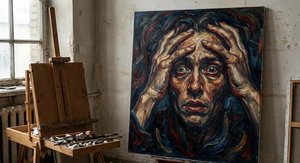
Figurative Expressionism: Emotional Intensity & Subjective Reality in 20th-Century Art
Explore the powerful world of Figurative Expressionism with TopImpressionists. Discover key artists like Kirchner & Beckmann, understand its emotional depth, and learn how to collect this influential 20th-century art movement.

The Sharpest Wit: A Critical Exploration of Satire in Art History – From Hogarth to Contemporary Critique
Explore the history of satire in art! From Hogarth's London to contemporary critique, discover how artists use wit & visual power to reflect and challenge society. Expert insights at TopImpressionists.
테마, 스타일, 특징별로 분류된 작품들을 만나보세요.


