


 실제 크기로 보기
 보내기
보내기 공유하기
공유하기
 상세 보기
상세 보기 가이드 보기

 이미지 다운로드
 유사 작품 더 보기
 X-레이
X-레이 슬라이드 쇼 보기
 통계 정보
통계 정보A Day in June


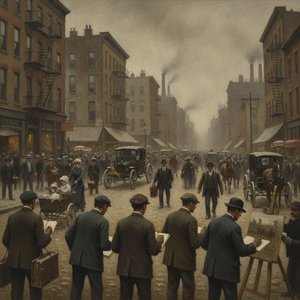
Experience 'A Day in June' by George Bellows! This vibrant 1913 painting captures a lively park scene with diverse figures, showcasing the artist’s dynamic style and urban realism. A must-see masterpiece!
 상세 보기
상세 보기
조지 벨로스는 20세기 초 미국의 생동감 넘치는 도시 생활을 그린 사실주의 화가입니다. 애쉬캔 스쿨의 영향을 받아 노동자 계층과 권투 장면을 대담하게 표현했으며, 역동적인 구도와 강렬한 색채로 미국 미술사에 중요한 발자취를 남겼습니다.
핸드메이드 유화 복제화
작가가 직접 캔버스에 손으로 그린 유화 작품으로, 원하는 크기와 액자로 맞춤 제작해 드립니다. ( 프린트 판매로 전환 디지털 이미지 판매 채널로 전환)




P118B ₩10

P118H ₩10

P118W ₩10

P438Z ₩10

P508JH ₩12

P508YH ₩12

P805H ₩10

P805Z ₩10

P919BZ ₩10

P919G ₩10

P919XJ ₩10

P959ZH ₩10

P968JZ ₩12

W106C ₩8

W218G ₩10

W218JH ₩8

W218Y ₩10

W307PJ ₩10

W316G ₩10

W316PJ ₩8

W316Y ₩10

W398PJ ₩8

W4111J ₩10

W500HY ₩15

W500JH ₩15

W692G ₩12

W849H ₩8

W940BG ₩15

W953PJ ₩8




표준 규격
맞춤 제작
CM
INCH
작품의 원본 비율을 그대로 유지하는 프리셋 사이즈 중에서 선택해 보세요.
Loading sizes...

가로 너비
높이
액자나 벽면 크기에 맞춰 필요한 가로와 세로 길이를 입력해 주세요. 본 작품은 수작업으로 제작되므로, 요청하신 비율에 따라 작가가 그림의 가장자리를 조금 더 넓게 그리거나 일부를 조정하여 작업할 수 있습니다. 작업 시작 전, 최종 확인을 위해 디지털 목업 이미지를 보내드립니다. 이 페이지에 표시된 이미지는 실제 결과물과 다를 수 있으며, 오직 목업 이미지만이 정확한 결과물을 보여줍니다.
변경 가능한 예시: 얼굴을 고객님의 사진으로 교체, 반려동물 추가(예: 고양이를 강아지로 변경), 배경에 숨겨진 메시지 삽입, 배경 풍경 또는 요소 변경 등
주문 완료 후 TopImpressionists.com 팀에서 상세 안내를 위해 고객님께 이메일을 보내드리며, 미리보기 시안을 함께 제공해 드립니다.
주문 완료 후 TopImpressionists.com 팀에서 상세 안내를 위해 고객님께 이메일을 보내드리며, 미리보기 시안을 함께 제공해 드립니다.


 유리 옵션은 110cm 미만 크기에서만 선택 가능합니다.

A Day in June
재현 매체
복제본 규격
-


총 결제 금액
₩ 365651
A Moment Frozen in Time: "A Day in June" by George Wesley Bellows
George Wesley Bellows’ “A Day in June” isn't merely a depiction of a park scene; it’s a vibrant snapshot of American leisure and social interaction captured with the bold, unapologetic energy that defined his career. Painted in 1913, during a period of rapid industrialization and shifting social landscapes, this canvas offers a glimpse into a world where the rhythms of urban life momentarily yielded to the pleasures of a sun-drenched afternoon. The painting immediately draws the eye with its dynamic composition – a carefully orchestrated gathering of figures sprawled across an open field, bathed in the golden light of a summer day.
Bellows, a key figure in the Ashcan School movement, rejected the idealized representations prevalent in academic art, instead choosing to portray everyday life—often gritty and unvarnished—with unflinching honesty. “A Day in June” exemplifies this approach. The subjects aren’t posed for a grand narrative; they are simply *being*, engaged in conversation, reclining on blankets, or lost in their own thoughts. The artist masterfully uses loose brushstrokes and vibrant color to convey the feeling of warmth and spontaneity—a deliberate contrast to the often-stiff formality of traditional portraiture.
A Study in Light and Movement
Technically, Bellows’ technique is remarkably fluid. He employs a broken color approach, layering thin washes of paint to create an illusion of depth and luminosity. Notice how he captures the dappled sunlight filtering through the trees – not with precise detail, but with suggestive strokes that evoke the play of light and shadow across the scene. The figures themselves are rendered with a sense of movement; their postures suggest relaxation, conversation, and shared enjoyment. Bellows’ use of color is particularly striking—a rich palette of greens, blues, and yellows dominates, punctuated by the warm tones of skin and clothing. This creates a visually arresting effect, drawing the viewer into the heart of the scene.
The composition isn't symmetrical; it feels deliberately unbalanced, mirroring the casual, unscripted nature of the gathering itself. The figures are arranged in a loose cluster, with some closer to the foreground and others receding into the distance, creating a sense of depth and inviting the viewer to become part of the scene.
Echoes of an Era: Context and Symbolism
“A Day in June” was painted during a period of significant social change in America. The early 20th century witnessed rapid urbanization, immigration, and the rise of consumer culture. Bellows’ work reflects these shifts, capturing the spirit of a nation grappling with modernity while simultaneously celebrating its traditions. The painting can be interpreted as an affirmation of American leisure—a moment of respite from the pressures of industrial life.
The title itself is significant. “June” evokes images of summer, warmth, and abundance – all associated with carefree enjoyment. Furthermore, the scene’s depiction of a diverse group of people engaged in social interaction speaks to the growing sense of inclusivity that was beginning to emerge in American society during this period. The painting subtly hints at the complexities of urban life—the juxtaposition of leisure and labor, wealth and poverty—without offering easy answers or moral judgments.
A Legacy of Realism
George Wesley Bellows’ “A Day in June” remains a powerful testament to his artistic vision. It's more than just a pretty picture; it’s a window into the soul of America, capturing a fleeting moment of joy and connection amidst the challenges of a rapidly changing world. Reproductions of this iconic work offer an opportunity to bring this vibrant scene into your home or office, serving as a reminder of the enduring appeal of Bellows' distinctive style—a bold blend of realism, energy, and social commentary.
질의응답
조지 웨슬리 벨로스의 "A Day in June"의 형식에는 어떤 배치가 어울릴까요?
조지 웨슬리 벨로스의 "A Day in June"의 작품 형태(Landscape)와 추천 공간(Living Room)은 이 작품에 기록된 두 가지 배치 정보입니다.
"A Day in June"은(는) 조지 웨슬리 벨로스의 다른 작품들과 어떤 공통점을 지니고 있나요?
조지 웨슬리 벨로스의 작품 세계에서 "A Day in June"은 ashcan school influence, urban life depiction, social commentary themes, boxing scene portrayal, american modernism focus라는 주제와 더불어 American Realism 양식을 보여줍니다.
조지 웨슬리 벨로스의 "A Day in June"은(는) 무엇을 묘사하고 있으며, 어떤 분위기를 담고 있나요?
조지 웨슬리 벨로스의 "A Day in June"은(는) park scene, outdoor gathering, people, leisure, summer day, socializing, urban landscape와(과) Dramatic 분위기가 어우러진 작품입니다.


작가 소개
미국의 역동적인 삶: 조지 웨슬리 벨로우스의 세계
조지 웨슬리 벨로우스(1882년 8월 12일 또는 19일 출생)는 20세기 초 미국의 생생한 에너지와 떠오르는 현대성을 상징하는 인물로서, 사실주의 회화의 중요한 인물로 부상했습니다. 오하이오주 콜럼버스에서 태어난 그는 운동선수의 재능에서 예술적 명성으로 나아간 여정은 열정과 흔들림 없는 헌신의 힘을 증명합니다. 정규 교육을 받기 전부터 어린 조지는 타고난 그림 재능을 보이며, 관찰력 있는 시각과 잠재력을 암시하는 스케치로 가득 찬 노트를 채웠습니다. 그의 성장 배경은 예술에만 집중된 것이 아니었습니다. 그는 오하이오 주립대학교에서 야구와 농구를 모두 능숙하게 구사하며 운동에도 뛰어났는데, 이는 그의 예술적 관점에 깊은 영향을 미쳐 작품에 역동적인 움직임과 신체감을 불어넣었습니다. 이러한 운동선수로서의 경험은 그에게 규율을 심어주었을 뿐만 아니라 인간 형태에 대한 감사를 키워주었고, 이것은 그의 가장 유명한 그림에서 중요한 주제가 되었습니다. 그는 대학을 졸업하기 직전 뉴욕시와 예술 훈련의 약속에 이끌려 떠났습니다.길을 개척하다: 애쉬캔 스쿨과 그 너머
1904년 뉴욕시에 도착한 벨로우스는 빠르게 애쉬캔 스쿨의 선두 주자인 로버트 헨리의 지도를 받았습니다. 존 슬론, 윌리엄 글래킨스, 조지 루크스를 포함하는 이 예술가 그룹은 학문적 관습에서 의도적으로 벗어나 도시 생활의 거친 현실을 묘사하기로 선택했습니다. 벨로우스는 처음에는 헨리의 자유로운 붓질과 사회 사실주의에 대한 헌신을 반영했지만, 단순히 그의 스승의 스타일을 복제하는 데 만족하지 않았습니다. 그는 자신만의 독특한 예술적 목소리를 형성하려는 야망을 가지고 있었습니다. 1906년 동료 예술가 에드워드 키프와 함께 스튜디오를 설립하여 실험과 성장의 다작기 시기를 시작했습니다. 그의 초기 작품은 1908년에 전시되었는데, 비평가들은 일부는 조잡하다고 평가했지만 다른 일부는 대담함과 혁신적인 정신을 인정했습니다. 벨로우스의 주제는 당시에는 논란이 많았고, 기존의 "허용 가능한" 예술에 대한 관념에 도전했습니다. 그는 가난, 노동, 여가를 솔직하게 포착하여 도시 생활의 덜 화려한 측면을 회피하지 않았습니다.삶의 투기장: 권투와 도시 광경
벨로우스의 작품은 초상화, 풍경화, 해경화를 포함하는 다양한 주제를 아우르지만, 그는 권투 경기를 강력하게 묘사한 것으로 가장 잘 알려져 있습니다. 그에게 이러한 것은 단순한 스포츠 행사가 아니었습니다. 그것들은 투쟁, 회복력, 경쟁을 주도하는 원초적인 본능을 구현하는 인간 드라마의 미니어처였습니다. 그는 연기가 자욱한 권투 클럽을 자주 방문하여 격투기의 움직임, 시선의 강렬함, 군중의 생생한 에너지를 세심하게 연구했습니다. *클럽 회원 모두* (1909) 및 *샤키의 사슴* (1909)와 같은 그림은 극적인 조명, 역동적인 구도, 눈에 띄는 긴장감을 활용하여 이러한 분위기를 포착하는 그의 능력을 보여주는 걸작입니다. 권투 장면은 스포츠 자체에 관한 것이 아니라 당시 미국 사회에서 만연했던 사회적 다윈주의를 반영하는 삶의 전투에 대한 은유였습니다. 권투 외에도 벨로우스는 도시 생활의 다른 광경, 즉 퍼레이드, 서커스, 붐비는 거리에서도 영감을 얻어 움직임, 에너지, 집단적 경험을 탐구할 기회를 제공했습니다.진화하는 스타일과 지속적인 유산
벨로우스가 성숙한 예술가로 발전하면서 그의 스타일은 미묘하지만 중요한 변화를 겪었습니다. 그는 사실주의에 대한 헌신을 유지하면서 초기 작품의 자유로운 붓질에서 벗어나 부드러운 곡선, 기념비적인 형태, 고조된 드라마 감각이 특징인 양식화된 미학을 채택하기 시작했습니다. 이러한 변화는 전설적인 권투 경기의 절정 순간을 숨막힐 듯한 강렬함으로 포착하는 *뎀프시와 피르포* (1924)와 같은 후기 작품에서 분명하게 드러납니다. 그는 또한 리소그래피를 실험하여 선과 음영에 대한 그의 능력을 보여주는 일련의 놀라운 판화를 제작했습니다. 생전에 상당한 성공을 거두었음에도 불구하고(1913년에 국립 디자인 아카데미에 선출됨), 벨로우스는 예술적 경계를 밀어붙이고 기존 규범에 도전하려는 의지를 유지했습니다. 1925년 42세의 나이로 갑작스럽게 사망하면서 유망한 경력이 단절되었지만, 그의 유산은 미국 사실주의 화가 중 한 명으로 남아 있습니다. 그는 오늘날에도 관객들에게 공감을 불러일으키는 작품을 남겼으며, 20세기 초 미국의 강력하고 솔직한 초상화를 제공했습니다. 그의 영향력은 현대 도시 경험의 역동성과 복잡성을 포착하려고 노력한 후대 예술가들에서 볼 수 있습니다. 조지 벨로우스는 그림을 그리는 것이 아니라 한 시대의 기록을 남겼습니다.주요 작품 및 인정
- *클럽 회원 모두* (1909) – 권투 클럽의 분위기를 포착한 기념비적인 작품입니다.
- *샤키의 사슴* (1909) – 극적인 조명과 구도로 유명한 또 다른 상징적인 권투 경기 묘사.
- *도크의 사람들* (1912) – 신체감과 질감을 포착하는 벨로우스의 능력을 보여주는 강력한 노동자 초상화입니다.
- *독일인의 도착* (1918) – 제1차 세계 대전 중 자행된 잔혹함을 묘사한 일련의 리소그래피는 그의 사회적, 정치적 문제 참여를 보여줍니다.
- *뎀프시와 피르포* (1924) – 권투 역사상 중요한 순간을 포착하는 기념비적인 캔버스로 벨로우스의 진화된 스타일과 구도 숙달을 보여줍니다.

조지 웨슬리 벨로스
1882 - 1925 , 미국
작가 정보 요약
- Artistic Movement Or Style: 애쉬캔 스쿨, 사실주의
- Artists Who Influenced This Artist: ['로버트 헨리']
- Date Of Birth: 1882년
- Date Of Death: 1925년
- Full Name: 조지 웨슬리 벨로스
- Nationality: 미국인
- Notable Artworks (List Of Titles):
- 센트럴 파크
- 독일군 도착
- 도크의 사람들
- Place Of Birth (City And Country): 미국 오하이오주 콜럼버스
관련 기사
The Ashcan School: Capturing the Raw, Unfiltered Soul of Urban Life through American Realism
Discover the raw beauty of the Ashcan School. Explore how masters like Bellows and Henri captured the gritty, vibrant soul of early 20th-century New York through profound American Realism and evocative urban landscapes.

The Unvarnished Truth: A Cultural Journey Through the Soul of American Realism
Explore the profound beauty of American Realism. From the Ashcan School's urban grit to intimate portraits, discover how artists captured the authentic soul of a nation through unvarnished truth and masterful observation.
