

 실제 크기로 보기
 보내기
보내기 공유하기
공유하기
 상세 보기
상세 보기 가이드 보기

 이미지 다운로드
 유사 작품 더 보기
 X-레이
X-레이 슬라이드 쇼 보기
 Q&A
Q&A 통계 정보
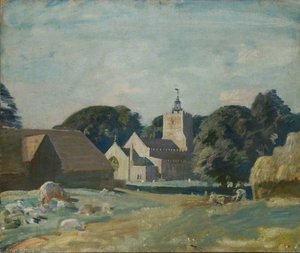
통계 정보Winter Landscape

- 56.0 x 76.0 cm
George William Bissill (1896-1973) was a British painter renowned for his powerful depictions of mining life, landscapes & woodcuts. A unique voice bridging social realism and Art Deco design. Works in Tate & more.
 상세 보기
상세 보기
이 페이지에 표시된 작품은 저작권법의 보호를 받으며, 이에 따라 동일한 복제품을 제작하거나 판매하는 것은 법으로 금지되어 있습니다. 이러한 권리 보호는 다음과 같은 국제 협약에 따라 시행됩니다. 베른 협약 또한 다음에서 명시하는 법률을 포함한 국내법에 의해 보호됩니다. 미국 저작권법 제17조.
이 방식은 저작권 보호를 받는 예술 작품을 복제하거나 그대로 재현하는 것이 아니기에 저작권 규정을 완벽히 준수합니다. 대신, 이는 창의적인 재해석의 과정을 거칩니다. 즉, 원작에서 영감을 받되 원작과 동일하지 않은 새로운 회화 작품을 의미합니다.
지클레 / 아트 프린트
빠른 제작과 다양한 마감 옵션을 선택할 수 있는 박물관 수준의 지클레이 및 캔버스 프린트. ( 수작업 채색 복제본 주문하기 디지털 이미지 판매 채널로 전환)




































표준 규격
맞춤 제작
CM
INCH
작품의 원본 비율을 그대로 유지하는 프리셋 사이즈 중에서 선택해 보세요.
Loading sizes...

가로 너비
높이
액자나 벽면 크기에 맞춰 필요한 가로와 세로 길이를 입력해 주세요. 프린트는 원본 이미지보다 크게 제작할 수 없으며 오직 자르는 것만 가능하므로, 비율이 다른 사이즈를 선택할 경우 이미지의 일부가 잘려 나갈 수 있습니다. 인쇄 작업에 들어가기 전, 최종 확인을 위해 디지털 목업을 보내드립니다. 이 페이지에 표시된 이미지는 실제 잘리는 영역을 나타내지 않으며, 오직 목업을 통해서만 정확한 확인이 가능합니다.


 유리 옵션은 110cm 미만 크기에서만 선택 가능합니다.

Winter Landscape
지클레 / 아트 프린트
복제본 규격
-


총 결제 금액
₩ 92926




작가 소개
George William Bissill: Bridging the Darkness and Light of British Art
George William Bissill (1896-1973) stands as a singular figure in 20th-century British art, a painter whose career unexpectedly blossomed from the depths of the Derbyshire coal mines to grace the walls of prestigious galleries like the Tate. His journey is one of remarkable transformation – a miner turned artist, a man who found beauty and profound social commentary within the gritty reality of his early life. Born in Fairford, Gloucestershire, Bissill’s childhood was shaped by the rhythms of rural life before he moved with his family to Langley Mill, Derbyshire, where his father worked as a railway brakesman. It was here, at the tender age of thirteen, that he began working in the mines – an experience that would indelibly inform his artistic vision and ultimately become its most potent subject matter. The harsh conditions of the mine were far from a deterrent; instead, they ignited within Bissill a desire to capture their essence on canvas. He spent several years underground, initially alongside pit ponies and later at the coal face, an experience that instilled in him a deep respect for the men who risked their lives daily. This early immersion in the world of labor, coupled with his subsequent service as a sapper during World War I – where he suffered a devastating tunnel collapse and was exposed to poisonous gas – created a unique perspective on humanity’s relationship with its environment and the dignity of work. The trauma of war, combined with the claustrophobic realities of the mines, profoundly shaped Bissill's artistic sensibility, leading him to explore themes of resilience, hardship, and the quiet heroism found in ordinary lives. Following his wartime service, Bissill sought refuge in Nottingham School of Art, where he honed his skills and began to develop his distinctive style. He quickly transitioned from a life underground to one immersed in London’s vibrant art scene. In 1922, he arrived in the capital and established himself as a pavement artist, earning a modest income while simultaneously building a reputation for his striking depictions of miners at work. This marked a pivotal moment – Bissill was the first artist to portray the lives of British coal miners with such honesty and power, challenging conventional artistic representations and offering a glimpse into a world largely unseen by the wider public. His 1925 exhibition at the Redfern Gallery, a leading contemporary art dealer, catapulted him to fame, securing critical acclaim and establishing him as a significant voice in the burgeoning British modern movement. The Redfern Gallery’s support proved crucial, providing Bissill with the platform to explore his artistic interests further. He quickly developed a fascination with Paris, where he studied wood engraving under the guidance of Arnold Haskell, a prominent art collector and critic. This experience broadened his artistic repertoire, leading him to create intricate woodcut prints depicting ballet dancers, harlequins, and scenes from Parisian life – works that showcased both his technical skill and his evolving aesthetic sensibilities. His work during this period reflects a synthesis of influences: the stark realism of his mining subjects, combined with the elegance and dynamism of Art Deco design. Bissill’s artistic output extended beyond painting and printmaking; he also designed posters for various organizations, including the London & North Eastern Railway, the Post Office, and Shell. His commissions demonstrated a versatility and an ability to translate complex ideas into visually compelling forms. Notably, his work for Shell involved creating evocative landscapes of Ireland and Gloucestershire, showcasing his talent for capturing the beauty of the British countryside – a stark contrast to the darkness he had initially depicted in the mines. His later years were spent in Ashmansworth, Hampshire, where he continued to paint landscapes, eventually becoming a respected picture restorer and dealer in local art salerooms. George William Bissill’s legacy endures not only through his remarkable body of work but also as a testament to the transformative power of art – a journey from the depths of the earth to the heights of artistic recognition.Key Works and Notable Collections
Bissill's oeuvre is characterized by a powerful blend of realism, social commentary, and technical skill. Several works stand out as particularly significant examples of his artistic vision: “Zell’s Farm, Winter, Hampshire” (19th-century landscape), a serene depiction of rural life rendered in rich oil paints; "Berkshire Landscape" (1950), an impasto oil painting capturing the vastness and romance of the Berkshire hills; and his series of woodcuts depicting miners at work. These pieces, alongside numerous other paintings and prints, are held in prominent public collections including the Tate Gallery, National Museum of Northern Ireland, and Manchester Art Gallery, solidifying Bissill’s place as a significant figure in British art history. His ability to capture both the physical hardship and the inherent dignity of his subjects cemented his reputation as an artist who offered a unique and profoundly moving perspective on the lives of ordinary people.Influences and Artistic Style
Bissill's artistic style was shaped by a confluence of influences, most notably his early experiences in the mines and his exposure to European art movements. The stark realism of Northern Renaissance painters like Pieter Bruegel the Elder informed his depictions of mining life, while the dynamism and decorative elements of Art Deco design influenced his later works. His use of impasto – applying paint thickly to create texture and visual interest – is particularly evident in “Berkshire Landscape,” contributing to the painting’s sense of depth and atmosphere. Furthermore, Bissill's work demonstrates a sensitivity to light and color, skillfully capturing the changing moods of both the industrial landscape and the natural world. His ability to convey emotion through his art—a blend of grit and grace—is what truly sets him apart.
George William Bissill
1896 - 1973
작가 정보 요약
- Full Name: George William Bissill
- Nationality: British
- Date Of Birth: 1896
- Date Of Death: 1973
- Place Of Birth: Fairford, Gloucestershire
- Notable Artworks:
- Zell’s Farm, Winter
- Berkshire Landscape
- Artistic Movement Or Style: Social realism & Art Deco