


 실제 크기로 보기
 보내기
보내기 공유하기
공유하기
 상세 보기
상세 보기 가이드 보기

 이미지 다운로드
 유사 작품 더 보기
 X-레이
X-레이 슬라이드 쇼 보기
 통계 정보
통계 정보Gloucester Scene

Discover Georges Ames Aldrich’s "Gloucester Scene," an Impressionistic landscape capturing coastal tranquility. Explore its cool tones, loose brushstrokes & maritime charm.
Georges Ames Aldrich (1872-1941) was an American artist known for his Impressionistic landscapes, serene river scenes, & industrial nocturnes. Explore paintings reflecting rural life, French villages, and the American Industrial Revolution.
 상세 보기
상세 보기
핸드메이드 유화 복제화
작가가 직접 캔버스에 손으로 그린 유화 작품으로, 원하는 크기와 액자로 맞춤 제작해 드립니다. ( 프린트 판매로 전환 디지털 이미지 판매 채널로 전환)




































표준 규격
맞춤 제작
CM
INCH
작품의 원본 비율을 그대로 유지하는 프리셋 사이즈 중에서 선택해 보세요.
Loading sizes...

가로 너비
높이
액자나 벽면 크기에 맞춰 필요한 가로와 세로 길이를 입력해 주세요. 본 작품은 수작업으로 제작되므로, 요청하신 비율에 따라 작가가 그림의 가장자리를 조금 더 넓게 그리거나 일부를 조정하여 작업할 수 있습니다. 작업 시작 전, 최종 확인을 위해 디지털 목업 이미지를 보내드립니다. 이 페이지에 표시된 이미지는 실제 결과물과 다를 수 있으며, 오직 목업 이미지만이 정확한 결과물을 보여줍니다.
변경 가능한 예시: 얼굴을 고객님의 사진으로 교체, 반려동물 추가(예: 고양이를 강아지로 변경), 배경에 숨겨진 메시지 삽입, 배경 풍경 또는 요소 변경 등
주문 완료 후 TopImpressionists.com 팀에서 상세 안내를 위해 고객님께 이메일을 보내드리며, 미리보기 시안을 함께 제공해 드립니다.
주문 완료 후 TopImpressionists.com 팀에서 상세 안내를 위해 고객님께 이메일을 보내드리며, 미리보기 시안을 함께 제공해 드립니다.


 유리 옵션은 110cm 미만 크기에서만 선택 가능합니다.

Gloucester Scene
재현 매체
복제본 규격
-


총 결제 금액
₩ 368155
관련 작품들


작가 소개
The Atmospheric Vision of Georges Ames Aldrich
Georges Ames Aldrich (1872–1941) occupied a unique space in the American artistic consciousness, acting as a bridge between the quietude of Tonalism and the vibrant energy of Impressionism. Born George Eugene Aldrich in Worcester, Massachusetts, his journey was one of profound movement—both geographical and stylistic. While his roots were firmly planted in New England, his artistic soul was shaped by the cobblestone streets of Europe and the burgeoning industrial landscapes of the American Midwest. His work does not merely depict scenes; it captures the very breath of the atmosphere, inviting viewers into worlds where light and shadow perform a delicate, eternal dance.
Aldrich’s formative years were marked by an itinerant spirit that would later define his aesthetic versatility. After initial studies at the Art Students League of New York in the early 1890s, he ventured to Paris, immersing himself in the epicenter of the modern art movement. It was during this period, between 1894 and 1900, that he absorbed the revolutionary techniques of the French masters. Influenced by the luminous touch of Claude Monet and the fluid, water-focused brilliance of Norwegian Impressionist Fritz Thaulow, Aldrich developed a signature ability to render flowing water, stone architecture, and the ephemeral quality of moonlight with remarkable precision.
A Tapestry of Landscapes and Industrial Dreams
The breadth of Aldrich’s oeuvre is nothing short of extraordinary, spanning from the romanticized charm of European villages to the gritty, transformative power of the American Industrial Revolution. His travels through France, Germany, and England left an indelible mark on his palette, resulting in evocative depictions of French villages bathed in the soft, nocturnal glow of lamplict. In works such as French Village at Night, one can feel the hush of a winter’s evening, where cool blues and whites are punctuated by the warmth of human habitation, creating a sense of profound peace.
However, Aldrich was far from a mere escapist. Upon relocating to Indiana around 1900, he turned his gaze toward the evolving American landscape. He became a significant figure within the Hoosier Salon circles, capturing the spirit of the Midwest with a nuanced eye for both its natural beauty and its industrial progress. This duality is perhaps most powerfully realized in his 1926 masterpiece, The Melting Pot. In this striking industrial nocturne, Aldrich moves away from pastoral tranquility to confront the imposing reality of the machine age. Through thick, expressive brushwork and a somber palette, he portrays smokestacks belching plumes into a bleak sky, offering a poignant commentary on the tension between technological advancement and the natural world.
Legacy and Artistic Significance
Throughout his career, Aldrich maintained a steady presence in major exhibition circuits, earning recognition from prestigious institutions such as the Art Institute of Chicago. His ability to blend the subtle tonal shifts of Tonalism with the textured, light-driven approach of Impressionism allowed him to capture subjects that were simultaneously grounded in reality and elevated by emotion. Whether he was painting the maritime charm of a Gloucester Scene or the moonlit reflections of Le Soir, River Elaune, his focus remained on the evocative power of the moment.
The historical significance of Georges Ames Aldrich lies in his role as a chronicler of change. He documented a world in transition—a period where the quiet, rural traditions of the nineteenth century were being rapidly reshaped by the industrial fervor of the twentieth. His paintings serve as windows into this era, preserving the light of vanished villages and the smoke of rising cities. Today, his work remains a testament to the enduring power of atmospheric painting, reminding us that even in the midst of profound change, there is a lasting beauty to be found in the way light touches the earth.

Georges Ames Aldrich
1872 - 1941
작가 정보 요약
- Full Name: Georges Ames Aldrich
- Nationality: American
- Date Of Birth: 1872
- Date Of Death: 1941
- Place Of Birth: Worcester, Massachusetts
- Notable Artworks:
- Le Soir, River Elaune
- Mountain Lake
- The Melting Pot
- Artistic Movement Or Style: Impressionism
- Artists Who Influenced This Artist:
- Claude Monet
- Pierre Auguste Renoir
- Artists Or Movements Influenced By This Artist: ['French Impressionism']
관련 기사

Beyond the Light: Capturing Raw Emotion and Subjective Vision in Post-Impressionist Landscapes
Explore the profound emotional depth of Post-Impressionist landscapes. Discover how masters like Van Gogh moved beyond light to capture raw human feeling through vibrant color and expressive texture in this expert art history retrospective.

The Timeless Charm of Oil on Board: Reimagining Texture and Light through the Impressionist Lens
Discover the profound intimacy of oil on panel. Explore how Impressionist masters used rigid supports to capture light, texture, and impasto depth through exquisite, handmade oil reproductions for discerning collectors.
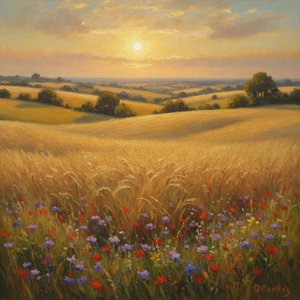
Golden Fields & Sun-Drenched Meadows: Capturing the Soul of Impressionist Landscapes
Immerse yourself in the luminous world of Impressionist landscapes. Discover how masters like Monet and Gauguin captured ephemeral light through plein air painting, and learn to bring the soul of sun-drenched meadows into your home with exquisite, hand-painted oil reproductions.

The Beauty of Impermanence: Capturing Decay through Impressionist Eyes
Explore the profound beauty of impermanence through Impressionist and Post-Impressionist eyes. Discover how masters like Monet and Van Gogh captured fleeting light and the poetic essence of nature's transitions in our deep dive into art history and emotional landscapes.

Capturing the Soul: The Most Emotionally Moving Impressionist and Post-Impressionist Masterpieces
Discover the profound emotional depth of Impressionist and Post-Impressionist masterpieces. Explore how legends like Monet, Van Gogh, and Gauguin captured light and soul through evocative landscapes and vibrant brushwork for a timeless connection to art history.