






























작품의 원본 비율을 유지하는 미리 설정된 크기 중에서 선택하세요.

특정 프레임이나 공간에 맞춰 직접 치수를 입력하실 수 있습니다. 선택하신 사이즈가 원본 이미지의 비율과 일치하지 않을 경우, 작품을 크롭(자르기)하거나 이미지를 대칭 또는 단색 채우기로 확장하여 제작합니다. 제작 시작 전, 최종 확인을 위해 디지털 목업이 전송됩니다.
화면상의 미리보기는 실제 크롭이나 확장 상태를 반영하지 않으므로, 최종 구도는 오직 목업을 통해서만 정확하게 확인하실 수 있습니다.
맞춤 사이즈 제작도 가능하지만, 원본 비율을 유지하기 위해서는 사전 정의된 목록에서 치수를 선택하시는 것을 권장합니다.

Odalisque
복제본 크기
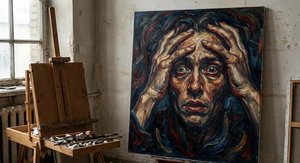
Georges Rouault's "Odalisque" isn’t merely a depiction of a reclining woman; it’s a profound meditation on isolation, spirituality, and the human condition. Painted in 1906, this work exemplifies Rouault’s unique artistic vision – a stark departure from the polished surfaces of Impressionism and Fauvism, instead embracing a raw, emotionally charged realism that would later influence Expressionist movements. The painting immediately draws the viewer into a space of quiet contemplation, dominated by a palette of deep blues, blacks, and grays punctuated by flashes of red and orange – colors deliberately chosen to evoke both melancholy and a sense of hidden intensity.
Rouault’s technical mastery is evident in every brushstroke. He employs thick, deliberate lines that define the figure's form with an almost sculptural quality. These aren’t delicate lines; they possess a palpable energy, conveying a deep sense of emotional turmoil. The layering and blending of paint create areas of rich texture – visible brushstrokes suggest a surface that is both solid and vulnerable. The use of light is dramatic, casting strong shadows that obscure parts of the scene while highlighting others, contributing to the overall atmosphere of mystery and introspection. Notice how the flattened perspective, absent of traditional depth cues, forces the viewer into an almost claustrophobic relationship with the subject, mirroring perhaps the feeling of confinement often associated with isolation.
Rouault’s artistic lineage is complex and fascinating. While he was influenced by the bold color palettes and expressive lines of artists like Vincent van Gogh, his roots lie firmly in the tradition of French academic painting, particularly the work of Jean-Auguste-Dominique Ingres. “Odalisque” shares a kinship with Ingres’s own iconic "Grande Odalisque," though Rouault's interpretation is far more psychologically complex. Just as Ingres used elongated proportions to convey sensuality and beauty, Rouault employs distortion to expose the vulnerability and perhaps even despair of his subject. The influence of Mannerist painters like Parmigianino – known for their distorted figures – can be seen in the exaggerated features and unsettling gaze of the odalisque.
However, “Odalisque” transcends mere imitation. Rouault’s personal journey—a devout Catholic seeking solace and meaning amidst the hardships of Parisian life—is deeply embedded within the painting's symbolism. The obscured figures in the background could represent voyeurism or a sense of being watched, reflecting perhaps the anxieties of modern urban existence. The overall mood is undeniably melancholic, yet there’s also an undeniable strength in the odalisque’s posture – a quiet resilience that speaks to the enduring human spirit.
“Odalisque” isn't simply a beautiful painting; it’s a powerful emotional experience. Rouault’s ability to capture the essence of human vulnerability and isolation is remarkable, making this work a timeless masterpiece. Its dark palette, distorted forms, and evocative lighting combine to create an atmosphere that is both unsettling and profoundly moving. The painting invites viewers to confront uncomfortable truths about themselves and the world around them – themes that resonate deeply with the viewer long after initial observation.
This reproduction captures Rouault’s vision with exceptional detail, allowing you to experience the full impact of this iconic artwork. It's a perfect addition to any art collection or a striking focal point for interior design, bringing a touch of emotional depth and artistic sophistication to your space.

1871 - 1958 , 프랑스

Explore the powerful world of Expressionism with TopImpressionists. Discover key artists like Kirchner & Nolde, understand its emotional impact, and learn about this revolutionary art movement's lasting legacy. Handmade oil paintings available.

Explore the evocative Victorian paintings of George Goodwin Kilburne. Discover his detailed scenes of domestic life, masterful use of light, and lasting impact on British genre painting. Learn more at TopImpressionists.
Explore the powerful world of Figurative Expressionism with TopImpressionists. Discover key artists like Kirchner & Beckmann, understand its emotional depth, and learn how to collect this influential 20th-century art movement.

앙리 마티스의 시대를 초월하는 걸작 25선을 만나보세요. 색채주의, 야수파를 대표하는 그의 삶과 예술 세계를 탐험하고, TopImpressionists에서 명화 복제본으로 거실 인테리어에 감동을 더하세요. 지금 바로 컬렉션을 확인하세요!

Explore 10 Expressionist paintings that revolutionized art! Discover Munch, Kirchner & Kandinsky's iconic works. Find museum-quality reproductions and vibrant canvas prints to elevate your home decor on TopImpressionists.com.


최신 미술 뉴스, 특별 혜택 및 인테리어 아이디어를 가장 먼저 만나보세요.
프로젝트에 대해 알려주시면 저희 미술 전문가들이 맞춤형 아트 제안 3가지를 전달해 드립니다.
당신만을 위한 맞춤형 옵션 3가지를 무료로 추천해 드립니다!

 작품 구매하기
 공유하기
공유하기 공유하기
공유하기
 상세 정보
상세 정보

 다운로드
다운로드
 유사 작품
유사 작품 X-레이
X-레이 슬라이드 쇼

 더 보기
더 보기









 유리 옵션은 110cm 미만 크기에서만 선택 가능합니다.


