






























작품의 원본 비율을 유지하는 미리 설정된 크기 중에서 선택하세요.

특정 프레임이나 공간에 맞도록 직접 크기를 입력할 수 있습니다. 선택하신 크기가 원본 이미지의 비율과 일치하지 않는 경우, 작품을 자르거나 추가적인 손으로 그린 요소를 사용하여 그림을 확장합니다. 제작 시작 전 승인을 위해 디지털 목업을 보내드립니다.
화면 미리 보기는 실제 자르기 또는 확장을 반영하지 않습니다. 최종 구성은 목업을 통해서만 정확하게 확인하실 수 있습니다.
맞춤 크기 제작도 가능하지만, 원본 비율을 유지하기 위해 사전 정의된 목록에서 크기를 선택하시는 것을 권장합니다.

Sunset
복제본 크기
Georges Rouault's ‘Figures in a Landscape,’ painted around 1905, is not merely a depiction of two individuals; it’s a profound meditation on human existence – a poignant exploration of vulnerability, isolation, and the weight of unseen forces. The painting immediately arrests the viewer with its stark contrasts: the deep, almost oppressive darkness of the background punctuated by the luminous, yet shadowed, forms of the figures. It's a work born from Rouault’s deeply personal experiences, shaped by his childhood amidst Parisian turmoil and a fervent Catholic faith that informed his artistic vision for decades. This isn’t a celebration of life; it’s an honest confrontation with its darker aspects – a recognition of our inherent fragility within a vast and often indifferent universe.

Rouault’s style, firmly rooted in the burgeoning Expressionist movement of the early 20th century, is immediately recognizable. He rejects naturalism, instead prioritizing emotional impact over photographic accuracy. The figures themselves are rendered with a deliberate distortion – elongated limbs, simplified forms – contributing to their sense of unease and vulnerability. The artist’s masterful use of impasto—thickly applied paint—adds a tactile quality to the work, creating a surface that seems to pulse with emotion. Notice how Rouault employs bold, dark outlines to frame each figure, isolating them within the darkness and intensifying their presence. This technique, inherited from his stained-glass apprenticeship, creates a powerful visual barrier, reinforcing the sense of separation and perhaps even confinement.
The dramatic interplay of light and shadow is central to the painting's symbolic weight. The warm, golden glow emanating from the upper left corner – likely representing a sun or moon – offers a glimmer of hope, yet it’s immediately swallowed by the enveloping darkness. This creates a powerful tension, suggesting that even in moments of illumination, despair and uncertainty remain. Rouault frequently employed this technique to represent spiritual struggle—the constant battle between faith and doubt, light and shadow within the human soul. The towering structures behind the figures could be interpreted as representing societal pressures, religious institutions, or perhaps simply the overwhelming nature of existence itself. The figures’ bowed postures suggest a sense of submission, but also a quiet defiance.
Georges Rouault’s ‘Figures in a Landscape’ stands as a testament to his unwavering commitment to portraying the human condition with unflinching honesty. His work resonates deeply because it doesn’t shy away from difficult emotions – sorrow, loneliness, and spiritual questioning. It is a painting that demands contemplation, inviting viewers to confront their own vulnerabilities and grapple with the fundamental mysteries of life. Rouault's influence extends far beyond his immediate contemporaries; he paved the way for later generations of artists who sought to express profound emotional truths through bold color and expressive form. Today, reproductions of this powerful work offer a unique opportunity to experience Rouault’s artistic vision firsthand – a poignant reminder of our shared humanity.

1871 - 1958 , 프랑스

Explore the captivating world of Color Field painting! Discover its origins, key artists like Rothko & Newman, philosophical depth, and lasting influence on modern art. Expert insights for collectors.

Explore the revolutionary art of Jackson Pollock & Abstract Expressionism. Discover his iconic drip paintings, lasting impact, and considerations for collecting this pivotal American artist. Expert insights at TopImpressionists.

Explore the vibrant world of Gene Davis and the Washington Color School. Discover his iconic stripe paintings, innovative techniques, and lasting impact on American abstract art. A deep dive for collectors & enthusiasts.

Explore the groundbreaking abstract expressionism of Morris Louis, a pioneer of Color Field painting. Discover his innovative techniques, influential series & lasting legacy in post-war American art. Learn more at TopImpressionists.
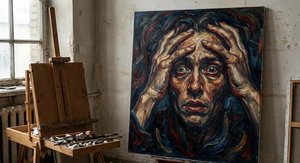
Explore the powerful world of Figurative Expressionism with TopImpressionists. Discover key artists like Kirchner & Beckmann, understand its emotional depth, and learn how to collect this influential 20th-century art movement.


최신 미술 뉴스, 특별 혜택 및 인테리어 아이디어를 가장 먼저 만나보세요.
프로젝트에 대해 알려주시면 저희 미술 전문가들이 맞춤형 아트 제안 3가지를 전달해 드립니다.
당신만을 위한 맞춤형 옵션 3가지를 무료로 추천해 드립니다!

 프린트 구매하기
 공유하기
공유하기 공유하기
공유하기
 상세 정보
상세 정보

 다운로드
다운로드
 유사 작품
유사 작품 X-레이
X-레이 슬라이드 쇼

 더 보기
더 보기









 유리 옵션은 110cm 미만 크기에서만 선택 가능합니다.


