


 미리보기
미리보기
 공유하기
공유하기 공유하기
공유하기
 상세 정보
상세 정보 가이드 보기

 다운로드
다운로드
 유사 작품
유사 작품 X-레이
X-레이 슬라이드 쇼
 통계 정보
통계 정보포르앙베생, 외항 입구


 더 보기
더 보기
수제 유화 복제품
원하는 크기와 액자로 주문 제작되는, 작가들이 직접 캔버스에 손으로 그린 유화 작품입니다. ( 프린트 판매로 전환 디지털 이미지로 전환)




P118B $10

P118H $10

P118W $10

P438Z $10

P508JH $12

P508YH $12

P805H $10

P805Z $10

P919BZ $10

P919G $10

P919XJ $10

P959ZH $10

P968JZ $12

W106C $8

W218G $10

W218JH $8

W218Y $10

W307PJ $10

W316G $10

W316PJ $8

W316Y $10

W398PJ $8

W4111J $10

W500HY $15

W500JH $15

W692G $12

W849H $8

W940BG $15

W953PJ $8




표준 규격
맞춤형
CM
INCH
작품의 원본 비율을 유지하는 미리 설정된 크기 중에서 선택하세요.
Loading sizes...

가로 너비
세로 길이
특정 프레임이나 공간에 맞도록 직접 크기를 입력할 수 있습니다. 선택하신 크기가 원본 이미지의 비율과 일치하지 않는 경우, 작품을 자르거나 추가적인 손으로 그린 요소를 사용하여 그림을 확장합니다. 제작 시작 전 승인을 위해 디지털 목업을 보내드립니다.
화면 미리 보기는 실제 자르기 또는 확장을 반영하지 않습니다. 최종 구성은 목업을 통해서만 정확하게 확인하실 수 있습니다.
맞춤 크기 제작도 가능하지만, 원본 비율을 유지하기 위해 사전 정의된 목록에서 크기를 선택하시는 것을 권장합니다.
변경 가능한 예시: 얼굴을 고객의 사진으로 교체, 반려동물 추가(예: 고양이를 강아지로 변경), 배경에 숨겨진 메시지 삽입, 배경 풍경 또는 요소 변경 등
주문 후 TopImpressionists.com 팀에서 상세 안내를 위해 고객님께 이메일을 보내드리며, 미리보기 시안을 제공해 드립니다.
주문 후 TopImpressionists.com 팀에서 상세 안내를 위해 고객님께 이메일을 보내드리며, 미리보기 시안을 제공해 드립니다.


 유리 옵션은 110cm 미만 크기에서만 선택 가능합니다.

포르앙베생, 외항 입구
재현 기법
복제본 크기
-


최종 결제 금액
$ 269
A Coastal Symphony in Pointillism: Georges Seurat’s *Port-en-Bessin, Entrance to the Outer Harbor*
Georges Pierre Seurat's 1888 masterpiece, *Port-en-Bessin, Entrance to the Outer Harbor*, is a pivotal work within the Post-Impressionist movement and a stunning example of his revolutionary Pointillist technique. Currently residing at the Museum of Modern Art in New York City, this painting invites viewers into a serene coastal scene brimming with light, color, and innovative artistic vision.The Birth of Neo-Impressionism
Emerging as a deliberate departure from the fleeting impressions captured by earlier Impressionists, Post-Impressionism sought greater structure and emotional depth. Seurat spearheaded *Neo*-Impressionism – a scientific approach to painting based on color theory and optical mixing. He believed that by juxtaposing tiny dots of pure color, the viewer’s eye would blend them optically, creating a more vibrant and luminous effect than traditional blending methods could achieve. This wasn't simply about what was seen, but *how* it was perceived.Decoding the Scene: A Moment in Port-en-Bessin
The painting depicts the bustling harbor of Port-en-Bessin, a small fishing port on the Normandy coast of France. Approximately thirteen sailboats grace the water, their forms meticulously constructed from countless points of color. The composition is horizontally oriented, emphasizing the vastness of the sea and sky. A grassy headland frames the scene, providing a grounding element to the dynamic maritime activity. Seurat doesn’t focus on dramatic action; instead, he captures a quiet moment of everyday life – a peaceful harbor scene bathed in sunlight.The Science of Color: Pointillism in Practice
Seurat's technique is undeniably the defining characteristic of this work. He painstakingly applied small, distinct dots (or points) of color—primarily blues, greens, yellows, and oranges—to the canvas. This wasn’t haphazard; it was a calculated process informed by scientific theories about optics and color perception. The effect isn't immediate. It requires the viewer to step back and allow their eye to “mix” the colors, resulting in an incredibly vibrant and textured surface. The painting appears to shimmer with light as these individual dots coalesce into recognizable forms.Symbolism & Emotional Resonance
While seemingly a straightforward depiction of a harbor scene, *Port-en-Bessin* subtly evokes themes of leisure, tranquility, and the relationship between humanity and nature. The sailboats represent not just maritime activity but also freedom and exploration. The diffused light and harmonious color palette contribute to an overall sense of calm and serenity. It’s a scene that invites contemplation and offers a respite from the bustle of modern life.Seurat's Legacy & Related Works
Seurat tragically died young, at the age of 31, but his impact on art history is immense. He left behind a small but significant body of work that continues to inspire artists today. He created several other paintings depicting Port-en-Bessin, including *Port en Bessin - The Outer Harbor at Low Tide* and *port en bessin (the outer harbor at high tide)*, demonstrating his fascination with the changing light and atmosphere of this coastal location. These works showcase his dedication to exploring the possibilities of Pointillism and capturing the essence of modern life.Bringing Seurat Home: Reproductions & Inspiration
*Port-en-Bessin, Entrance to the Outer Harbor* is more than just a painting; it’s an experience. Its unique technique and serene atmosphere make it a captivating addition to any art collection or interior space. High-quality reproductions allow you to enjoy the beauty and innovation of Seurat's masterpiece in your own home. Consider how its cool, calming palette could enhance a coastal-themed room or provide a sophisticated focal point in a modern living area.- Style: Post-Impressionism / Neo-Impressionism
- Technique: Pointillism
- Subject: Coastal Scene, Harbor, Sailboats
- Location: Museum of Modern Art, New York City
유사한 작품들


작가 약력
빛과 과학의 조화: 조르주 세라의 삶과 예술
조르주 피에르 세라는 1859년 파리에서 태어나 1891년에 짧지만 강렬한 빛을 잃은 프랑스의 화가이자 드로잉 작가입니다. 그의 대표작인 그랑드 자트 섬에서의 일요일 오후(1884-1886)는 현대 미술의 흐름을 완전히 바꾸어 놓았으며, 점묘법(Pointillism)이라는 혁신적인 기법을 통해 빛과 색채를 표현하는 새로운 가능성을 열었습니다. 세라는 단순한 회화가를 넘어 과학적 탐구와 예술적 감성이 완벽하게 조화를 이룬 선구자였습니다. 그의 삶은 끊임없는 실험 정신과 섬세한 관찰력, 그리고 빛에 대한 깊은 이해로 점철되어 있습니다. 어린 시절부터 그림 그리기에 재능을 보였던 세라는 앙리 레망의 지도를 받아 전통적인 회화 기법을 익혔지만, 곧 그것으로는 충분치 않다는 것을 깨닫고 색채와 빛에 대한 과학적 연구에 몰두하기 시작했습니다. 미셸 외귀외를 비롯한 색채 이론가들의 저서를 탐독하며 색채의 혼합과 시각적 효과에 대한 깊이 있는 이해를 쌓았고, 이는 그의 독창적인 점묘법 탄생의 토대가 되었습니다.학문적 기반에서 빛나는 혁신으로
세라의 예술적 발전은 갑작스러운 변화가 아닌 꾸준한 탐구와 실험을 통해 이루어진 진화였습니다. 초기에는 전통적인 회화 교육을 받으며 인상파 화가들의 영향을 받았지만, 점차 과학적인 접근 방식을 추구하며 자신만의 독특한 길을 개척했습니다. 그는 색채의 혼합이 캔버스 위에서 이루어지는 것이 아니라 관찰자의 눈에서 일어나는 현상이라는 것을 깨달았습니다. 이러한 이해를 바탕으로 세라는 작은 점들의 순수한 색채를 나란히 배치하여, 관찰자가 그 점들을 바라볼 때 색채가 시각적으로 혼합되어 빛나는 효과를 만들어내는 점묘법을 창시했습니다. 이 기법은 단순히 색상을 더 밝게 만드는 것을 넘어, 인간의 시각 시스템이 빛과 색채를 어떻게 인식하는지를 과학적으로 분석하고 이를 회화에 적용한 결과였습니다. 생-오엥 풍경(1882-1883)과 같은 초기 작품에서부터 세라의 점묘법은 서서히 발전해 왔으며, 그의 섬세한 드로잉 기법은 콩테 연필을 사용하여 종이에 미묘한 음영을 표현하는 데 활용되었습니다.혁신의 정수: 주요 작품과 예술적 비전
세라의 예술적 탐구의 절정기는 그랑드 자트 섬에서의 일요일 오후(1884-1886)에 명확하게 드러납니다. 이 기념비적인 작품은 점묘법을 가장 완벽하게 구현한 걸작으로 평가받으며, 파리 시민들이 센 강변에서 여가를 즐기는 모습을 담고 있습니다. 캔버스 위에 섬세하게 배치된 수많은 점들은 빛과 색채가 공기 중에 떠다니는 듯한 착각을 불러일으키며, 평화롭고 고요한 분위기를 자아냅니다. 생-데니의 보리밭(1886-1887)은 농촌 풍경에 점묘법을 적용한 작품으로, 세라가 색채 이론을 통해 자연의 아름다움을 표현하고자 했던 의도를 보여줍니다. 또한, 초기 작품인 아스니에르의 목욕하는 사람들(1884)은 그의 스타일이 발전해가는 과정을 엿볼 수 있게 하며, 에펠탑(1889)과 같은 현대적인 도시 풍경을 점묘법으로 표현하며 산업 시대의 새로운 미학을 제시했습니다. 이 작품들은 단순한 장면의 재현이 아닌, 색채와 빛에 대한 과학적 탐구를 통해 만들어진 시각적 실험작품입니다.영원한 유산: 영향력과 역사적 의의
비록 짧은 생애였지만(31세), 세라가 남긴 예술적 업적은 현대 미술사에 지대한 영향을 미쳤습니다. 그의 혁신적인 기법은 전통적인 회화 관습에 도전하며 수많은 후대 화가들에게 영감을 주었습니다. fauve회화 단체의 화가들은 세라의 색채 사용에서 영향을 받아 대담하고 표현적인 색채를 탐구했으며, 입체파 화가들은 형태를 분해하고 재구성하는 데 그의 점묘법을 응용했습니다. 또한 추상표현주의 화가들에게도 세라의 작품은 자유로운 표현과 실험 정신을 고취시키는 중요한 영감을 제공했습니다. 세라는 과학적인 접근 방식을 통해 예술의 가능성을 확장했으며, 지성과 감성이 조화를 이룬 현대 미술의 새로운 지평을 열었습니다. 그의 작품들은 오늘날에도 빛과 색채에 대한 끊임없는 탐구와 인간 삶의 아름다움을 담아내며 관객들에게 깊은 감동과 영감을 선사하고 있습니다. 세라는 단순한 회화가를 넘어, 예술과 과학이 융합된 새로운 시대의 선구자로서 그의 유산은 영원히 지속될 것입니다.
조르주 피에르 세라
1859 - 1891 , 프랑스
주요 정보
- 국적: 프랑스
- 대표 작품:
- 그랑드 자테 섬에서의 일요일 오후
- 아스니에르의 수영 선수들
- 생트오엔 풍경
- 사망일: 1891년 3월 29일
- 영향을 받은 예술 사조:
- 포비즘
- 입체주의
- 추상 표현주의
- 영향을 준 예술가:
- 미셸 외브뢰유
- 오든 루드
- 예술 사조: 신인상주의, 점묘법
- 전체 이름: 조르주 피에르 세라
- 출생일: 1859년 12월 2일
- 출생지: 파리, 프랑스
관련 기사 더 보기
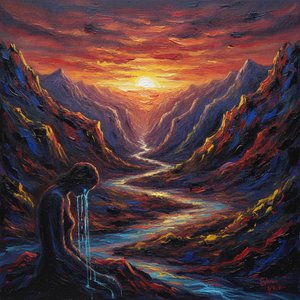
Capturing Emotion: A Journey Through the Soul of Expressionist Landscapes
Explore the profound emotional depth of Expressionist landscapes. Discover how Post-Impressionist masters moved beyond light to capture the soul through vibrant color and form. A curated journey for true art lovers seeking the beauty of expressive mastery.
테마, 스타일 및 특징별로 분류된 작품들을 만나보세요.


