





























작품의 원본 비율을 유지하는 미리 설정된 크기 중에서 선택하세요.

특정 프레임이나 공간에 맞도록 직접 크기를 입력할 수 있습니다. 선택하신 크기가 원본 이미지의 비율과 일치하지 않는 경우, 작품을 자르거나 추가적인 손으로 그린 요소를 사용하여 그림을 확장합니다. 제작 시작 전 승인을 위해 디지털 목업을 보내드립니다.
화면 미리 보기는 실제 자르기 또는 확장을 반영하지 않습니다. 최종 구성은 목업을 통해서만 정확하게 확인하실 수 있습니다.
맞춤 크기 제작도 가능하지만, 원본 비율을 유지하기 위해 사전 정의된 목록에서 크기를 선택하시는 것을 권장합니다.

Ram
복제본 크기
Georgia O’Keeffe’s “Ram,” painted in 1938, isn’t merely a depiction of an animal; it’s a profound meditation on life, death, and the enduring spirit of the American Southwest. This oil-on-canvas work, currently residing within the Georgia O'Keeffe Museum in Santa Fe, immediately commands attention with its stark simplicity and arresting composition. The ram itself—a powerful, almost skeletal figure—dominates the center of the picture plane, its head held high against a muted, atmospheric backdrop. The color palette is deliberately restrained: predominantly earthy browns, ochres, and grays punctuated by the startling blue of a single flower nestled within the creature’s mouth. This deliberate lack of vibrant hues amplifies the painting's emotional weight, forcing the viewer to confront the subject with an unblinking gaze.

O’Keeffe’s technique is characterized by a meticulous attention to detail and an almost obsessive rendering of texture. She employed a dry brushstroke, building up layers of paint to create a palpable sense of surface—the rough wool of the ram's coat, the delicate petals of the blue morning glory, even the subtle contours of the landscape behind. This tactile quality invites close inspection, encouraging the viewer to lose themselves in the intricacies of the painting. The composition itself is deceptively simple; O’Keeffe masterfully utilizes negative space—the vast expanse of sky and earth surrounding the ram—to heighten its presence and emphasize its isolation. The placement of the flower within the mouth isn't accidental; it serves as a poignant symbol, often interpreted as representing both life and death – the fleeting beauty of existence held within the jaws of mortality.
“Ram” was created during a pivotal period in O’Keeffe’s career—a time when she was increasingly experimenting with abstraction and exploring themes of nature, sexuality, and the American West. Influenced by Arthur Wesley Dow's teachings on color and line, O’Keeffe moved away from traditional representational painting toward a more subjective and emotionally resonant approach. This work reflects her growing interest in the stark beauty of the New Mexico landscape—a region that would become inextricably linked to her artistic vision. The painting can be seen as a precursor to her later, even more iconic works, such as “Jimson Weed/White Flower No. 1,” which similarly explored themes of mortality and the female form.
Beyond its formal qualities, "Ram" resonates with profound symbolic meaning. The ram itself is a powerful symbol of strength, virility, and leadership—qualities often associated with masculinity. However, in O’Keeffe's hands, the animal takes on a distinctly vulnerable quality, its head held high but its form rendered skeletal and almost ghostly. The blue flower, a rare splash of color within the composition, adds an element of fragility and beauty to this otherwise austere scene. It suggests that even in the face of mortality, there is still room for grace and wonder. The painting evokes a sense of quiet contemplation—a reminder of our own fleeting existence and the enduring power of nature.

1887 - 1986 , 미국

Explore the captivating world of Georgia O'Keeffe! Discover her groundbreaking flower paintings, New Mexico landscapes & lasting impact on American Modernism. Expert analysis and insights.

Immerse yourself in the captivating world of slate blue! Explore 10 iconic paintings by Monet, Van Gogh & Renoir. Discover their stories, techniques & find museum-quality art reproductions for your home at .
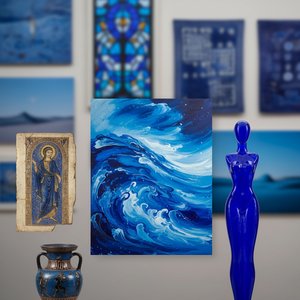
Explore the rich history of blue in art! Discover its symbolism, from ancient pigments to modern masterpieces by Kandinsky & Seurat. Uncover the psychological impact and cultural meanings behind this captivating hue.

Explore the rich history of flower symbolism in Western painting! Discover how artists from the Renaissance to Modernism used blossoms to convey meaning, emotion & beauty. Learn about iconic artworks and movements.

Explore the rich history of floral painting! Discover symbolism, techniques & masterpieces from Van Huysum to O'Keeffe. Expert insights for art lovers & collectors at TopImpressionists.


최신 미술 뉴스, 특별 혜택 및 인테리어 아이디어를 가장 먼저 만나보세요.
프로젝트에 대해 알려주시면 저희 미술 전문가들이 맞춤형 아트 제안 3가지를 전달해 드립니다.
당신만을 위한 맞춤형 옵션 3가지를 무료로 추천해 드립니다!


 미리보기
미리보기
 프린트 구매
 공유하기
공유하기 공유하기
공유하기
 상세 정보
상세 정보

 다운로드
다운로드
 유사 작품
유사 작품 X-레이
X-레이 슬라이드 쇼


 더 보기
더 보기









 유리 옵션은 110cm 미만 크기에서만 선택 가능합니다.


