


 실제 크기로 보기
 보내기
보내기 공유하기
공유하기
 상세 보기
상세 보기 가이드 보기

 이미지 다운로드
 유사 작품 더 보기
 X-레이
X-레이 슬라이드 쇼 보기
 통계 정보
통계 정보Study of Four Heads
 Oil
Oil- WallArt
- Early Netherlandish Painting
 1500
1500 72.0 x 63.0 cm
 캐나다 국립 미술관
Experience Gerard David's 'Study of Four Heads,' a captivating Renaissance portrait showcasing human emotion and masterful technique. Own a stunning reproduction of this iconic masterpiece today!
 상세 보기
상세 보기
제라르 다비드(c. 1460-1523)는 플랑드르 르네상스 시대의 거장으로, 섬세한 종교화와 혁신적인 풍경 표현으로 유명합니다. 초기 네덜란드 회화에 큰 영향을 미친 그의 작품들을 만나보세요.
지클레 / 아트 프린트
빠른 제작과 다양한 마감 옵션을 선택할 수 있는 박물관 수준의 지클레이 및 캔버스 프린트. ( 수작업 채색 복제본 주문하기 디지털 이미지 판매 채널로 전환)




P118B ₩10

P118H ₩10

P118W ₩10

P438Z ₩10

P508JH ₩12

P508YH ₩12

P805H ₩10

P805Z ₩10

P919BZ ₩10

P919G ₩10

P919XJ ₩10

P959ZH ₩10

P968JZ ₩12

W106C ₩8

W218G ₩10

W218JH ₩8

W218Y ₩10

W307PJ ₩10

W316G ₩10

W316PJ ₩8

W316Y ₩10

W398PJ ₩8

W4111J ₩10

W500HY ₩15

W500JH ₩15

W692G ₩12

W849H ₩8

W940BG ₩15

W953PJ ₩8




표준 규격
맞춤 제작
CM
INCH
작품의 원본 비율을 그대로 유지하는 프리셋 사이즈 중에서 선택해 보세요.
Loading sizes...

가로 너비
높이
액자나 벽면 크기에 맞춰 필요한 가로와 세로 길이를 입력해 주세요. 프린트는 원본 이미지보다 크게 제작할 수 없으며 오직 자르는 것만 가능하므로, 비율이 다른 사이즈를 선택할 경우 이미지의 일부가 잘려 나갈 수 있습니다. 인쇄 작업에 들어가기 전, 최종 확인을 위해 디지털 목업을 보내드립니다. 이 페이지에 표시된 이미지는 실제 잘리는 영역을 나타내지 않으며, 오직 목업을 통해서만 정확한 확인이 가능합니다.


 유리 옵션은 110cm 미만 크기에서만 선택 가능합니다.

Study of Four Heads
지클레 / 아트 프린트
복제본 규격
-


총 결제 금액
₩ 93564
The Enigmatic Faces: Unveiling Gerard David’s Study of Four Heads
Gerard David's Study of Four Heads, a masterpiece crafted in 1500, isn’t merely a portrait; it’s an intimate exploration of the human condition. Housed within the National Gallery of Canada, this oil painting transcends its simple subject matter to become a profound meditation on emotion, perspective, and the burgeoning humanist ideals of the Northern Renaissance. David, a master of his craft and shrouded in intriguing historical mystery – a figure whose life remains largely undocumented yet whose art speaks volumes – employed a technique that’s both meticulously detailed and remarkably expressive. The painting's power lies not just in its technical brilliance but in its ability to evoke a spectrum of feelings through the subtle shifts in each head’s countenance.
A Symphony of Line and Light: The Artist’s Signature Style
David's distinctive style is immediately recognizable. He was a master of intricate line work, meticulously rendering the textures of skin, hair, and clothing with an almost obsessive attention to detail. His use of shading creates a remarkable sense of depth and volume, lending each head a tangible presence within the frame. The painting’s palette is restrained – primarily dark browns, ochres, and creams – which allows David's masterful manipulation of light and shadow to truly shine. Notice how he uses highlights to accentuate the contours of the faces, drawing the viewer’s eye to the most expressive features. This careful control over line and light is a hallmark of the Early Netherlandish tradition, and David was undoubtedly one of its foremost practitioners.
Deconstructing Emotion: A Study in Contrasts
The genius of Study of Four Heads lies in its ability to convey a range of emotions through subtle variations in expression. The first head, presented in profile, exudes an intensity born from a focused gaze and a strong jawline – a sense of unwavering determination. In stark contrast, the second head, also in profile but facing left, possesses a more contemplative demeanor, with softer features and a gentle expression that suggests serenity. The third head, depicted in a three-quarter view, embodies a heightened state of emotion, marked by furrowed brows and a direct, almost challenging gaze. Finally, the fourth head, shown in a three-quarter view facing right, offers a moment of quiet repose, with closed eyes and a relaxed facial structure – a palpable sense of tranquility. David doesn’t simply depict faces; he captures fleeting moments of human experience, inviting us to contemplate the complexities of emotion.
Historical Context: Bridging Tradition and Renaissance Humanism
Created in 1500, this painting reflects the dynamic artistic landscape of the Northern Renaissance. Gerard David was a pivotal figure who skillfully blended late medieval traditions with the emerging principles of Renaissance humanism. The meticulous detail and realistic portrayal of the heads are reminiscent of earlier Flemish portraiture, while the emphasis on capturing individual expression aligns with the humanist focus on the dignity and complexity of the human being. The painting’s origins – a study for a larger work, likely a panel or altarpiece – further illuminate its significance within the context of Renaissance artistic practice, where preparatory drawings were considered essential tools for artists.
TopImpressionists.com offers a stunning handmade oil painting reproduction of Study of Four Heads, allowing art lovers to own a piece of this remarkable historical and artistic achievement. For more information on Gerard David and his works, please visit our online gallery or explore the resources at Wikipedia.
질의응답
제라르 다비트의 "Study of Four Heads"은(는) 몇 년도에 제작되었나요?
제라르 다비트의 "Study of Four Heads"은(는) 1500년에 제작되었습니다.
Early Netherlandish Painting 내에서 "Study of Four Heads"의 인지도는 어느 정도인가요?
Early Netherlandish Painting 사조 내에서, "Study of Four Heads"은(는) Iconic 정도의 인지도를 보유하고 있습니다.
제라르 다비트의 "Study of Four Heads" 복제본은 어떤 용도로 사용하기에 좋나요?
"Study of Four Heads" 프린트의 권장 용도는 Reflective입니다.
작가 소개
플랑드르 빛의 거장: 수수께끼 같은 세계, 제라르 다비
제라르 다비(Gerard David)라는 이름은 초기 네덜란드 회화의 찬란함을 상징하며, 동시에 흥미로운 미스터리로 가득한 화가입니다. 1460년경 네덜란드 아우더워터에서 태어난 그의 삶은 파편적인 기록과 그의 예술 작품을 통해 조심스럽게 재구성됩니다. 동시대 화가들과 달리 다비의 개인사는 상세하게 알려져 있지 않아, 그의 그림들이 생생한 이야기를 들려주는 역할을 합니다. 알려진 바에 따르면 그는 르네상스 시대의 예술 혁신의 중심지였던 안트베르펜과 브뤼헤에서 성공적인 경력을 쌓았을 것으로 추정됩니다. 17세기에 그의 명성은 잠시 침체되었지만, 19세기 미술사학자들에 의해 재조명되면서 북유럽 르네상스에 대한 독특한 기여가 찬사를 받았습니다. 1484년 브뤼헤의 화가 및 안장 제작자 길드에 자유 회원으로 가입한 것은 그의 예술적 성장의 중요한 전환점이었습니다. 이후 1515년에 안트베르펜 길드에 참여하면서 예술 공동체 내에서의 입지를 더욱 확고히 했습니다.형성 과정과 예술적 발전
다비의 예술 여정은 그의 스타일 기반을 형성하는 데 결정적인 영향을 미친 여러 화가들의 가르침 아래 시작되었습니다. 초기 작품에서는 야코프 얀손, 디에릭 보츠, 헤르트헨 토트 신트 얀스와 같은 화가들에게 큰 영향을 받았음을 알 수 있습니다. 이들은 세부 사항에 대한 세심한 주의와 종교적 서사에 대한 감수성을 그에게 심어주었습니다. 그는 하를렘에서 이러한 교훈을 흡수한 후 유럽 전역의 재능을 끌어모으는 활기찬 예술 중심지였던 브뤼헤로 이주했습니다. 이곳에서 다비는 얀 반 에이크, 로히에르 판 데르 베이덴, 한스멤링의 걸작들을 접하며 그들의 기법을 흡수하면서 자신만의 독특한 길을 개척했습니다. 그는 단순히 모방하지 않았습니다. 오히려 이러한 영향력을 독창적인 것으로 합성하여 빛나는 색채, 고요한 구도, 그리고 점점 더 정교해지는 풍경에 대한 이해를 특징으로 하는 스타일을 창조했습니다. 그의 초기 그림들은 이러한 변화를 보여주며, 하를렘 전통의 인형 같은 형태에서 환경에 뿌리를 둔 보다 조각적인 형태로 이동합니다. *십자가에 못 박힌 그리스도*와 같은 작품에서는 보츠의 공간 구성이 다비의 떠오르는 색채 감성과 결합된 것을 볼 수 있습니다.풍경과 종교적 서사에 대한 혁신
제라르 다비의 예술적 특징은 풍경과 종교적 주제에 대한 혁신적인 접근 방식에 있습니다. 그는 단순히 배경을 묘사하는 것이 아니라, 장면의 감정적 공명을 향상시키는 몰입형 환경을 창조했습니다. 그의 풍경은 단순한 장식이 아니라 서사에 필수적인 요소이며, 종종 상징적인 의미로 가득 차 있습니다. 이러한 자연 환경에 대한 매혹 – 울창한 숲, 완만한 언덕, 광활한 하늘 – 은 동시대 많은 화가들과 그를 구별했으며, 독립적인 장르로서 풍경 회화의 발전을 예견했습니다. *숲 속의 풍경* (triptych의 외부 날개)을 고려해 보십시오. 단순한 배경이 아니라 자체 세계이며, 세심한 디테일과 대기 원근법으로 렌더링되었습니다. 그의 종교 작품에서 다비는 심오한 영성과 인간 감정을 모두 전달하는 놀라운 능력을 보여주었습니다. *성 캐서린의 결혼*은 이러한 기술을 완벽하게 예시합니다. 장면은 절묘한 디테일로 렌더링되었지만, 인물들의 미묘한 표정 – 그들의 경건함, 사색 또는 부드러운 기쁨 – 이 진정으로 관객을 사로잡습니다. 그는 신성한 주제에 조용한 존엄성과 관련성을 부여하는 재능을 가지고 있었습니다. 제노바의 *마리아가 왕좌에 앉아 있는 삼부작*은 생생한 색채와 섬세한 디테일로 가득 찬 그의 능숙함을 보여줍니다. 브뤼헤의 시온 카르멜 수녀원에 기증된 *처녀들 사이의 성모자*는 그의 기술을 입증하는 또 다른 증거이며, 동시대 화가에게는 드문 친밀한 몸짓인 그림 자체에 초상화가 포함되어 있습니다.유산과 지속적인 영향
1523년 사망 후 잠시 명성이 쇠퇴했지만 제라르 다비의 예술 작품은 후대 화가들에게 지울 수 없는 영향을 미쳤습니다. 그의 혁신적인 색채 사용, 빛과 그림자의 능숙한 처리, 그리고 풍경에 대한 선구적인 접근 방식은 플랑드르 회화 발전에 지대한 공헌을 했습니다. 그는 야코프 파티니르와 야코프 판 루이스달과 같은 예술가들이 자연 환경의 표현 잠재력을 더욱 탐구할 수 있도록 길을 열었습니다.- 전통과 혁신의 연결: 다비는 후기 중세 전통과 떠오르는 르네상스 스타일 사이의 격차를 성공적으로 해소했습니다.
- 풍경 회화에 대한 영향: 그의 상세하고 대기 있는 풍경은 장르로서 풍경의 발전을 예견했습니다.
- 뛰어난 색채 전문가: 그는 생생한 팔레트와 감정적 영향을 창출하기 위한 색채의 능숙한 사용으로 유명했습니다.
더 자세히 알아보기
- TopImpressionists.com: *마기들의 경배*를 포함하여 제라르 다비의 그림을 광범위하게 찾아보세요.
- 숲 속의 풍경: 이 놀라운 북유럽 르네상스 풍경화를 탐구해 보세요.
- 초기 네덜란드 미술 운동: 다비 작품의 예술적 맥락에 대해 더 깊이 알아보세요.

제라르 다비트
1450 - 1523 , 네덜란드
작가 정보 요약
- Artistic Movement Or Style: 초기 네덜란드 회화
- Artists Or Movements Influenced By This Artist:
- 야콥 파티니르
- 야콥 판 루이스달
- Artists Who Influenced This Artist:
- 야콥 얀손
- 디에릭 보츠
- 헤르트겐 토트 신트 잔스
- Date Of Birth: 약 1460년
- Date Of Death: 1523년
- Full Name: 제라르 다비드
- Nationality: 네덜란드 화가
- Notable Artworks:
- 성 카타리나의 결혼
- 성모 마리아 삼부작
- 처녀들 사이의 성모자
- 숲 속 풍경
- Place Of Birth: 오우더베르덴, 네덜란드
관련 기사
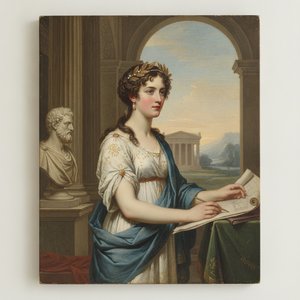
The Revival of Antiquity: Exploring Ideals of Beauty & Power in Neoclassical Portraiture
Explore the captivating world of Neoclassical portraiture! Discover the power & ideals behind masterpieces by David, Girodet & more. Expert analysis, custom reproductions & art appraisal at TopImpressionists.

The Enduring Gaze: Portraiture's Historical & Psychological Evolution
Explore the rich history of portraiture with expert analysis from TopImpressionists. Discover iconic Renaissance masterpieces, symbolism & techniques that shaped identity. Find museum-quality art for your collection.

The Enduring Legacy of Formal Portraiture: Power, Identity & Artistic Exploration
Explore the rich history of formal portraiture & its enduring power to capture identity and shape perception. Discover investment-worthy artworks, expert appraisals, and custom reproduction services at TopImpressionists.

Gerard David: Bridging Late Medieval Tradition with Early Renaissance Humanism
Explore the captivating world of Gerard David, a pivotal figure bridging late medieval artistry with the Early Renaissance. Discover his innovative techniques, religious masterpieces, and enduring legacy – a must-read for discerning art collectors.

레오나르도 다 빈치 최고 걸작 25선: 예술과 과학의 경계를 넘어서 (Leonardo da Vinci's 25 Masterpieces)
레오나르도 다 빈치의 시대를 초월하는 25개의 명작을 만나보세요. 모나리자, 최후의 만찬 등 예술과 과학이 융합된 걸작들의 숨겨진 이야기와 기법을 탐험합니다. TopImpressionists.com에서 고품질 미술 작품을 감상하고 특별한 인테리어 영감을 얻으세요.


