
 미리보기
미리보기
 공유하기
공유하기 공유하기
공유하기
 상세 정보
상세 정보 가이드 보기

 다운로드
다운로드
 유사 작품 더 보기
 X-레이
X-레이 슬라이드 쇼 보기
 질의응답
질의응답 통계 정보
통계 정보George Washington

- 74.0 x 61.0 cm


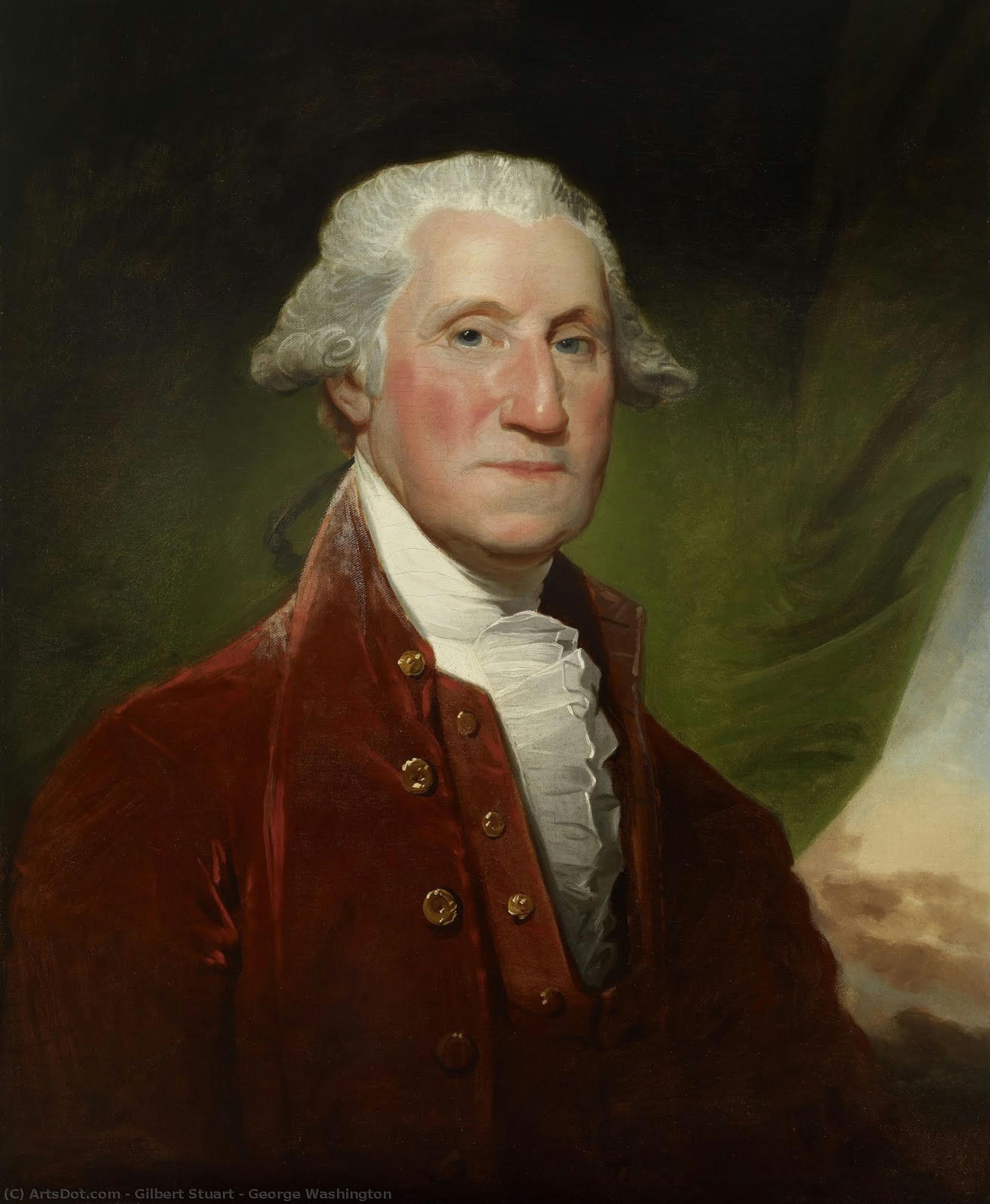
Experience Gilbert Stuart's iconic 1796 portrait of George Washington – ‘The Vaughan Type.’ Admire the neoclassical detail and historical significance of this masterpiece, a key piece of American art.
 더 보기
더 보기
길버트 스튜어트 (1755-1828): 미국의 가장 위대한 초상화가! 그의 신고전주의 양식, 1달러 지폐 속 상징적인 워싱턴 초상화, 그리고 미국 미술사에 남긴 유산을 확인해 보세요.
지클레 / 아트 프린트
빠른 제작과 다양한 마감 옵션을 제공하는 박물관 수준의 지클레이 및 캔버스 프린트. ( 수작업 채색 복제본 주문하기 디지털 이미지로 전환)




P118B ₩10

P118H ₩10

P118W ₩10

P438Z ₩10

P508JH ₩12

P508YH ₩12

P805H ₩10

P805Z ₩10

P919BZ ₩10

P919G ₩10

P919XJ ₩10

P959ZH ₩10

P968JZ ₩12

W106C ₩8

W218G ₩10

W218JH ₩8

W218Y ₩10

W307PJ ₩10

W316G ₩10

W316PJ ₩8

W316Y ₩10

W398PJ ₩8

W4111J ₩10

W500HY ₩15

W500JH ₩15

W692G ₩12

W849H ₩8

W940BG ₩15

W953PJ ₩8




표준 규격
맞춤형
CM
INCH
작품의 원본 비율을 그대로 유지하는 프리셋 사이즈 중에서 선택해 보세요.
Loading sizes...

가로 너비
세로 길이
액자나 벽면 크기에 맞춰 필요한 가로와 세로 길이를 입력해 주세요. 프린트는 원본 이미지보다 크게 제작할 수 없으며 오직 자르는 것만 가능하므로, 비율이 다른 사이즈를 선택할 경우 이미지의 일부가 잘려 나갈 수 있습니다. 인쇄 작업에 들어가기 전, 최종 확인을 위해 디지털 목업을 보내드립니다. 이 페이지에 표시된 이미지는 실제 잘리는 영역을 나타내지 않으며, 오직 목업을 통해서만 정확한 확인이 가능합니다.


 유리 옵션은 110cm 미만 크기에서만 선택 가능합니다.

George Washington
지클레 / 아트 프린트
복제본 크기
-


최종 결제 금액
₩ 93918
The Weight of Authority: Gilbert Stuart’s “George Washington”
Gilbert Stuart's "George Washington," painted in 1796, isn’t merely a portrait; it’s a carefully constructed embodiment of the nascent American republic. This remarkable work, now housed within the Frick Collection in New York City, transcends the simple act of representation and delves into the very essence of leadership, virtue, and the weighty responsibility of guiding a new nation. Stuart, a master of his craft, skillfully captures Washington’s dignified presence, imbuing him with an aura of both strength and quiet contemplation – qualities desperately needed in the years following the Revolutionary War.
The painting itself is a testament to Stuart's Neoclassical training, evident in its balanced composition and restrained palette. The muted tones of brown, gray, and green create a sense of gravitas, drawing the viewer’s eye directly to Washington’s face – a study in subtle expressions that convey both resolve and humility. The artist meticulously rendered every detail, from the texture of the fabric of his coat to the delicate lines etched by time around his eyes, revealing an almost obsessive attention to realism. Yet, it's not a literal depiction; Stuart employs chiaroscuro—the dramatic contrast between light and shadow—to sculpt Washington’s form and emphasize his importance within the scene.
A Portrait of a Nation Forged in Virtue
The historical context surrounding “George Washington” is crucial to understanding its significance. Painted just a few years after the end of the Revolutionary War, the portrait coincided with a fervent desire to establish a stable and virtuous government. Stuart’s decision to portray Washington in a formal, three-quarter pose – a departure from earlier, more informal depictions – immediately elevates him to the status of an ideal statesman. The red coat, a symbol of military honor, subtly references his role as commander-in-chief, while the white collar and cravat speak to his adherence to social decorum and respect for tradition.
Interestingly, this particular version – often referred to as the “Vaughan type” – differs slightly from other known portraits of Washington. The subtle shift in the color of the coat is a key distinguishing feature, suggesting that Stuart may have been experimenting with his technique or responding to specific requests from John Vaughan, one of the painting’s patrons. The background, a simple yet evocative landscape, reinforces the idea of Washington as a man deeply connected to the land and its future.
Symbolism Woven into the Canvas
Beyond the obvious symbolism of military rank and civic virtue, “George Washington” is rich with subtle visual cues. The careful arrangement of his hands – one resting on a book, a symbol of knowledge and wisdom, and the other holding a quill pen, representing his role as a writer and communicator – speaks to his commitment to education and informed governance. The slight furrow in his brow suggests a thoughtful consideration of the challenges facing the new nation, while his steady gaze conveys an unwavering determination to uphold its ideals.
Furthermore, the painting’s scale—measuring 74 x 61 cm—contributes to its impact. It's large enough to command attention and invite prolonged contemplation, reflecting the monumental task of building a new nation. The portrait wasn’t simply intended as a likeness; it was designed to inspire confidence and instill a sense of shared purpose within the American populace.
A Timeless Legacy for Art & Design
Gilbert Stuart's “George Washington” remains an enduring masterpiece, admired for its technical brilliance, historical significance, and profound emotional resonance. It’s a painting that speaks to the ideals upon which America was founded – liberty, justice, and self-governance – and continues to captivate viewers centuries later. Today, high-quality reproductions of this iconic portrait offer art enthusiasts and interior designers alike an opportunity to bring a touch of American history and enduring artistic excellence into their homes or offices. The painting’s dignified presence and subtle complexities make it a truly timeless addition to any collection.
질의응답
길버트 스튜어트의 "George Washington"을 관통하는 주요 색조는 무엇인가요?
길버트 스튜어트의 "George Washington"의 주된 색조는 Ochre to Sepia입니다. 이 색조는 팔레트의 바탕이 되는 톤을 형성합니다.
"George Washington"은(는) Neoclassical Portraiture 사조를 대표하는 유명한 작품인가요?
카탈로그 내 Neoclassical Portraiture 작품들 중 "George Washington"은(는) Iconic로 기록되어 있습니다.
길버트 스튜어트의 "George Washington"의 구도는 세로형, 가로형 또는 정사각형 중 무엇인가요?
"George Washington"의 형식은 Portrait입니다. 이는 작품 복제본을 배치할 공간을 계획할 때 유용합니다.
작가 정보
길버트 스튜어트: 초상화에 담긴 일생
- 출생: 1755년 12월 3일, 로드아일랜드주 손더스타운
- 사망: 1828년 7월 9일, 매사추세츠주 보스턴
- 국적: 미국
- 예술 사조: 신고전주의
- 주요 업적: 초상화, 특히 초기 미국 역사의 저명한 인물들을 그린 초상화로 유명함
유년 시절과 예술적 훈련
- 길버트 스튜어트은 스코틀랜드 혈통을 가진 가문에서 태어났습니다. 그의 아버지 길버트는 로드아일랜드 최초의 담배 가루 공장을 세운 발명가였습니다.
- 그의 예술적 재능은 어린 시절부터 빛을 발하였으며, 아주 어린 나이에도 이미 뛰어난 기량을 보여주었습니다.
- 14세 때 그는 "닥터 헌터의 스패니얼(Dr. Hunter's Spaniels)"을 그려내며 초기 천재성을 드러냈습니다.
- 1771년경 그는 코스모 알렉산더 밑에서 수학하기 위해 스코틀랜드로 떠났으나, 1775년 알렉산더가 사망한 후 돌아오게 되었습니다.
- 이후 1775년부터 1780년까지 런던에서 영국에 거주하던 저명한 미국인 화가 벤자민 웨스트를 통해 심화 교육을 받았습니다. 이 시기는 그의 예술적 스타일을 발전시키고 왕립 아카데미 내에서 인정을 받는 데 결정적인 역할을 했습니다.
예술적 경력과 주요 작품
- 미국 혁명기 동안 스튜어트의 경력은 여러 도전 과제에 직면했으며, 이로 인해 1775년 영국으로 이주하게 되었습니다.
- 그는 1782년 작 "스케이터(The Skater)"를 통해 초기 성공을 거두며 화가로서의 명성을 확립했습니다.
- 그의 가장 유명한 작품은 '아테네움 초상화(Athenaeum Portrait)'로 알려진 조지 워싱턴의 미완성 초상화입니다(1796년 시작). 이 이미지는 미국의 지폐와 우표에 등장하며 상징적인 아이콘이 되었습니다. 스튜어트는 미국과 유럽 전역의 후원자들을 위해 이 초상화의 수많은 복제본을 제작했습니다.
- 또한 그는 존 애덤스, 토머스 제퍼슨, 제임스 매디슨을 비롯하여 연방주의 엘리트 계층의 여러 저명한 인물들의 초상화를 그렸습니다.
- 스튜어트의 화풍은 사실주의를 강조하고 대상의 외형과 성품을 포착하는 신고전주의적 접근법이 특징입니다. 그는 초상화의 극적인 효과를 높이기 위해 빛과 그림자를 드라마틱하게 사용하는 경우가 많았습니다.
예술적 영향과 발전
- 코스모 알렉산더는 그에게 기법과 구도에 관한 초기 훈련을 제공했습니다.
- 벤자민 웨스트의 영향은 매우 지대하였으며, 초상화에 대한 스튜어트의 이해와 예술적 원칙을 형성하는 데 기여했습니다.
- 고전적인 형태와 이상을 강조하는 신고전주의 운동은 그의 화풍에 깊은 영향을 미쳤습니다.
- 대상과의 직접적인 관찰과 교감은 그의 초상화에 심리적 깊이와 사실성을 더해주었습니다. 그는 단순히 외형을 닮게 그리는 것을 넘어, 인물의 성격과 개성까지도 포착하고자 노력했습니다.
역사적 의의와 유산
- 길버트 스튜어트는 미국의 초기 역사를 기록하는 데 중추적인 역할을 수행한, 미국 최고의 초상화가 중 한 명으로 평가받습니다.
- 조지 워싱턴의 '아테네움 초상화'는 미국적 정체성과 리더십을 상징하는 영원한 상징물이 되었습니다.
- 그의 초상화들은 18세기 후반과 19세기 초반 저명인사들의 삶과 모습에 대한 귀중한 역사적 통찰을 제공합니다.
- 스튜어트의 작품들은 미국과 유럽의 주요 박물관들에 소장되어 있으며, 그의 유산이 세대를 넘어 계속해서 찬사를 받을 수 있도록 하고 있습니다.
- 그는 유럽의 기법과 독특한 미국의 감성을 결합하여 차별화된 미국식 초상화 양식을 확립했습니다.

길버트 스튜어트
1755 - 1828 , 미국
작가 정보 요약
- Artistic Movement Or Style: 신고전주의
- Artists Who Influenced This Artist:
- 코스모 알렉산더
- 벤자민 웨스트
- Date Of Birth: 1755년 12월 3일
- Date Of Death: 1828년 7월 9일
- Full Name: 길버트 찰스 스튜어트
- Nationality: 미국인
- Notable Artworks:
- 헌터 박사의 스패니얼
- 스케이트 타는 사람
- 워싱턴의 아테네움 초상화
- Place Of Birth: 영국 선더스타운
관련 콘텐츠

The Unvarnished Truth: A Cultural Journey Through the Soul of American Realism
Explore the profound beauty of American Realism. From the Ashcan School's urban grit to intimate portraits, discover how artists captured the authentic soul of a nation through unvarnished truth and masterful observation.