

표시된 작품: · 액자 포함:
 미리보기
미리보기
 공유하기
공유하기 공유하기
공유하기
 상세 정보
상세 정보 가이드 보기

 다운로드
다운로드
 유사 작품 더 보기
 X-레이
X-레이 슬라이드 쇼 보기
 질의응답
질의응답 통계 정보
통계 정보
- 578.0 x 406.0 cm


₩ 361239
핸드메이드 유화 복제화
작가가 직접 캔버스에 손으로 그린 유화 작품으로, 원하는 크기와 액자로 맞춤 제작해 드립니다. ( 프린트 판매로 전환 디지털 이미지로 전환)
사이즈
·표준 규격
맞춤형
CM
INCH
작품의 원본 비율을 그대로 유지하는 프리셋 사이즈 중에서 선택해 보세요.
사이즈 불러오는 중...

가로 너비
세로 길이
액자나 벽면 크기에 맞춰 필요한 가로와 세로 길이를 입력해 주세요. 본 작품은 수작업으로 제작되므로, 요청하신 비율에 따라 작가가 그림의 가장자리를 조금 더 넓게 그리거나 일부를 조정하여 작업할 수 있습니다. 작업 시작 전, 최종 확인을 위해 디지털 목업 이미지를 보내드립니다. 이 페이지에 표시된 이미지는 실제 결과물과 다를 수 있으며, 오직 목업 이미지만이 정확한 결과물을 보여줍니다.
 더 알아보기
완료
·
화이트 테두리 ₩1

블러사이드 ₩1

옆면 확장형 ₩1

P118B ₩10

P118H ₩10

P118W ₩10

P438Z ₩10

P508JH ₩12

P508YH ₩12

P805H ₩10

P805Z ₩10

P919BZ ₩10

P919G ₩10

P919XJ ₩10

P959ZH ₩10

P968JZ ₩12

W106C ₩8

W218G ₩10

W218JH ₩8

W218Y ₩10

W307PJ ₩10

W316G ₩10

W316PJ ₩8

W316Y ₩10

W398PJ ₩8

W4111J ₩10

W500HY ₩15

W500JH ₩15

W692G ₩12

W849H ₩8

W940BG ₩15

W953PJ ₩8

H24-GOLD ₩30

H24-SILVER ₩30

H36-GOLD ₩45

H36-SILVER ₩45
보호용 튜브에 담겨 안전하게 배송되며, 고객님께서 직접 액자에 끼워 사용하실 수 있습니다.
105cm를 초과하는 프레임은 전문 액자 제작사를 위한 키트 형태로 배송됩니다 — 자세한 내용을 확인하세요.
추가 서비스
선택 사항추가 구성품에는 무엇이 포함되어 있나요?
변경 가능한 예시: 얼굴을 고객의 사진으로 교체, 반려동물 추가 (예: 고양이를 강아지로 변경), 배경에 숨겨진 메시지 포함, 배경 풍경 또는 요소 변경.
주문 완료 후, TopImpressionists.com 팀에서 상세 안내를 위해 고객님께 이메일을 보내드리며, 시안 미리보기를 제공해 드립니다.
주문 완료 후, TopImpressionists.com 팀에서 상세 안내를 위해 고객님께 이메일을 보내드리며, 시안 미리보기를 제공해 드립니다.
전 세계 배송()은 표준 5주 대신 3~4주 내에 완료됩니다. (4 11월). 품질에는 어떠한 타협도 하지 않습니다.
보호용 바니시
작품 설명문
동판 각인 상세 정보
This elegant plaque features the artist's name and the title of the artwork, finely engraved for a timeless presentation.
It is made from bronze with a refined, elegant finish. The text is precisely laser-engraved for a sharp and permanent result. Measuring 9x2 cm, the plaque is compact yet easy to read. It's built to be durable and scratch-resistant, offering a professional, museum-quality look. Mounting is simple thanks to the included adhesive backing.
투명 아크릴 명판 상세 정보
The plaque includes essential engraved details such as the artist's name, the title of the artwork, the date it was created, the type of media used-like oil on canvas or watercolor-a brief description of the piece, and a QR code that links to the complete artwork information.
It is crafted from clear acrylic, offering a sleek, modern appearance. The text is UV-engraved in black to ensure strong visual contrast. With a size of 10x15 cm, it ensures optimal readability. It comes equipped with two metal hooks for secure wall mounting. The plaque is designed to be weather-resistant, making it suitable for various environments, and it includes interactive features that work seamlessly with smartphone scanning.
블랙 아크릴 명판 상세 정보
This elegant plaque includes engraved information such as the artist's name, the title of the artwork, the date it was created, the type of media used (like oil on canvas or watercolor), a short description of the artwork, and a QR code for quick access to more information.
The plaque itself is made from refined black acrylic with a premium finish. The text is laser-engraved in white for high contrast and readability. Its size is 10x15 cm, designed to be easy to read. It comes with two metal hooks for professional mounting. The design is sleek and fits any interior style. It is also weather-resistant and durable, with built-in digital integration for mobile compatibility.
유리 옵션은 110cm 미만 크기에서만 선택 가능합니다.
 유리 옵션은 110cm 미만 크기에서만 선택 가능합니다.
- 전 세계 무료 특급 배송
- 프리미엄 린넨 캔버스
- 배송 전 과정 보험 적용
- 관세 및 수입세 환급 보장 서비스
- 원본과 동일한 색상 구현 보장
- 100일 이내 반품 정책 (결함 발생 시)
- 100% 환불 보장
- 다량 구매 할인 혜택


수집품 상세 설명
Explore Giotto di Bondone (1267-1337), the revolutionary Italian painter! Discover his proto-Renaissance frescoes, naturalism & emotional depth in works like the Scrovegni Chapel. A key figure in art history.
작가 프로필
"조토 디 본도네는 이탈리아 레오나르도 다 빈치와 함께 레오나르도 다 빈치의 레오나르도 다 빈치와 함께 레오나르도 다 빈치와 함께 레오나르도 다 빈치와 함께 레오나르도 다 빈치와 함께 레오나르도 다 빈치와 함께 레오나르도 다 빈치와 함께 레오나르도 다 빈치와 함께 레오나르도 다 빈치와 함께 레오나르도 다 빈치와 함께 레오나르도 다 빈치와 함께 레오나르도 다 빈치와 함께 레오나르도 다 빈치와 함께 레오나르도 다 빈치와 함께 레오나르도 다 빈치와 함께 레오나르도 다 빈치와 함께 레오나르도 다 빈치와 함께 레오나르도 다 빈치와 함께 레오나르도 다 빈치와 함께 레오나르도 다 빈치와 함께 레오나르도 다 빈치와 함께 레오나르도 다 빈치와 함께 레오나르도 다 빈치와 함께 레오나르도 다 빈치와 함께 레오나르도 다 빈치와
작품 정보
The Dawn of Humanism: Giotto’s Revolutionary Vision
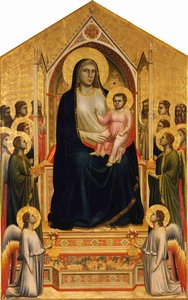
In the quiet, hallowed nave of the Santa Maria Novella basilica in Florence, a monumental presence commands the gaze of all who enter. The Crucifix (11), a masterpiece birthed around 1290 by the Florentine visionary Giotto di Bondone, stands as more than just a religious icon; it is a profound threshold between two worlds. At a time when the art of Europe was largely defined by the rigid, flattened, and ethereal conventions of the Byzantine style, Giotto dared to introduce the weight of humanity. This massive tempera on wood panel, measuring an awe-inspiring 578 x 406 cm, captures the precise moment when the spiritual began to embrace the physical, marking the first tremors of the Renaissance.
The composition is a masterclass in dramatic tension and emotional gravity. At its heart, the figure of Jesus hangs upon the cross, yet he is not the stylized, weightless icon of previous centuries. Instead, Giotto employs a revolutionary naturalism, emphasizing the earthly heaviness of the body. The subtle anatomical details and the palpable sense of physical suffering invite the viewer to empathize with the divine. Flanking the central figure are Mary Magdalene and John, whose presence provides a poignant emotional anchor. Through their gestures and expressions, Giotto weaves a narrative of grief and devotion that transcends the wood and pigment, pulling the observer into the very heart of the tragedy.
A Symphony of Technique and Light
To behold this work is to witness the mastery of traditional media pushed to new expressive heights. Using tempera and gold on a vast wood panel, Giotto utilized the luminosity of gold not merely for ornamentation, but to create a celestial backdrop that contrasts sharply with the visceral reality of the crucifixion. The ornate design above Christ’s head adds an element of elegance, yet it never distracts from the raw, human drama unfolding below. His ability to manipulate color and light creates a sense of three-dimensional depth that was radical for the late 13th century, effectively breaking away from the two-dimensional flatness of his predecessors.
For the discerning collector or interior designer, a high-quality reproduction of this Crucifix offers more than just a decorative element; it brings a piece of art history’s most significant turning point into a contemporary space. The painting's scale and its ability to command attention make it an ideal focal point for grand halls or curated galleries. It serves as a conversation piece that speaks to the enduring power of human emotion and the timeless beauty of Florentine craftsmanship. Whether placed in a setting of classical elegance or modern minimalism, the Crucifix (11) radiates a profound sense of history, depth, and spiritual resonance.
질의응답
"Crucifix (11)"을(를) 정의하는 팔레트와 주요 색상은 무엇인가요?
조토 디 본도네의 "Crucifix (11)"의 색채 정체성: 에스프레소 (#40231b)이(가) 주를 이루는 어스톤 팔레트.
조토 디 본도네의 "Crucifix (11)"은(는) 어떤 미술 사조에 속하나요?
조토 디 본도네의 "Crucifix (11)"은(는) Proto-Renaissance 사조에 속하며, 이 사조는 해당 작품의 양식적 배경을 잘 보여줍니다.
"Crucifix (11)"은(는) Proto-Renaissance 사조를 대표하는 유명한 작품인가요?
Proto-Renaissance 사조 내에서, "Crucifix (11)"은(는) 상징적인 정도의 인지도를 보유하고 있습니다.
주요 정보 및 아트 퀴즈
조토 디 본도네 소개

조토 디 본도네
1267 - 1337, 이탈리아
작가 정보
피렌체의 목동: 조토의 혁명적인 비전
1267년경, 피렌체 언덕 근처에서 태어난 조토 디 본도네는 겸손한 배경에서 시작하여 중세 미술적 관습으로부터 르네상스 쪽으로 전환하는 데 있어 가장 중요한 인물로 자리 잡았습니다. 그의 초기 삶은 전설로 가득 차 있는데, 목동 소년을 돌보던 그가 바위 위에 놀랍도록 사실적인 양을 스케치하고 있는 것을 발견한 후 피렌체 거장 치마부에의 눈길을 사로잡았다는 이야기가 있습니다. 사실인지 허구인지 여전히 이 이야기는 조토의 천재성을 담고 있습니다. 바로 자연 세계를 전례 없는 현실감과 감정적 깊이로 포착하는 타고난 능력입니다. 치마부에에게 제자로 들어가면서 조토는 기술적인 기술을 습득했지만 뚜렷하게 자신만의 길을 개척했습니다. 당시 지배적이던 비잔틴 양식은 평평한 원근법, 호화로운 금 배경과 함께 단순화된 인물을 선호했는데, 이는 현세적 표현이 아닌 영적 초월의 상징이었습니다. 그러나 조토는 인간을 몽환적인 아이콘으로 묘사하는 대신 감정과 현실 속에서 존재하는 개인으로 묘사하기를 갈망했습니다.
비잔틴으로부터 벗어나: 새로운 자연주의
조토의 예술적 혁명은 갑작스러운 격변이 아니라 점진적인 진화였습니다. 그의 초기 작품에서도 변화가 나타나기 시작했는데, 부피, 무게, 믿을 수 있는 해부학에 대한 강조가 커지고 있었습니다. 그는 장식적인 요소가 아닌 형태를 조각하고 깊이를 만들어내는 도구로서 빛과 그림자를 관찰하기 시작했습니다. 이러한 새로운 자연주의는 아시시 상층 바실리카의 프레스코화에 기여하면서 분명하게 드러나는데, 저작권 논쟁이 있지만 많은 학자들은 지배적인 비잔틴 미학에서 뚜렷한 차이를 보이는 장면에서 조토의 손길을 인정합니다. 그는 단순히 전통을 거부하는 것이 아니라 그것을 바탕으로 새로운 인간성과 감정적 울림을 불어넣었습니다.
스크로베니 예배당: 이야기 전달의 걸작
조토의 걸작이자 서양 미술사에서 가장 중요한 작품 중 하나는 파두아에 있는 스크로베니 예배당(또는 아레나 예배당)을 장식한 프레스코화 연작입니다. 1305년경에 완성된 이 놀라운 시리즈는 그리스도와 성모 마리아의 삶을 혁신적인 현실감과 감정적 강렬함으로 묘사합니다. 각 장면은 신중하게 무대화된 드라마처럼 펼쳐지며, 종교적 원형이 아닌 완전히 실현된 인간으로 구성되어 있으며 기쁨, 슬픔, 두려움, 희망 등 다양한 감정을 경험하고 있습니다. 벽 전체를 지배하는 *최후의 심판*은 조토가 신성한 위엄과 궁극적인 징벌을 마주한 인류의 날것 같은 취약성을 모두 전달할 수 있는 능력에 대한 강력한 증거입니다. 후기 르네상스 표준으로 볼 때 수학적으로 정확하지는 않지만 원근법 사용은 시청자를 이야기 속으로 끌어들이는 설득력 있는 깊이의 환상을 만듭니다. 인물들은 땅에 뿌리를 내리고 있으며, 그들의 몸은 무게와 부피를 가지고 있고, 그들의 표정은 이전에는 종교 예술에서 볼 수 없었던 감정의 범위를 전달합니다.
프레스코 외에도: 건축과 지속적인 유산
조토의 재능은 회화뿐만 아니라 건축에도 닿았습니다. 1334년, 그는 피렌체 대성당의 종탑(캄파니레)을 설계하는 임무를 맡았는데, 이는 그의 혁신적인 건축 양식을 보여주는 프로젝트였습니다. 그가 완성을 보기 전에 사망했지만, 그의 디자인은 이 상징적인 피렌체 랜드마크의 토대를 마련했습니다. 후대 예술가들에게 미친 영향력은 헤아릴 수 없을 정도로 큽니다. 그는 중세와 르네상스 세계 사이를 연결하여 마사초, 레오나르도 다 빈치, 미켈란젤로와 같은 거장들의 예술적 성취에 길을 열었습니다. 바사리는 그의 기념비적인 *화가들의 삶*에서 조토에게 "삶에서 그림을 그리는 위대한 예술을 그림에 부여했다"고 인정했는데, 이는 서양 미술의 흐름에 대한 그의 심오한 영향력을 증명하는 것입니다. 조토는 세상을 묘사하는 데 그치지 않고 이해하고, 본질을 포착하고, 시각적 스토리텔링의 힘을 통해 그 이해를 전달하고자 했습니다. 그의 유산은 사망 후 수세기가 지난 지금까지도 경외심과 감탄을 불러일으키며 역사상 가장 위대한 예술 혁신가 중 한 명으로서의 자리를 확고히 하고 있습니다.
주요 업적 및 지속적인 영향
- 회화 혁명: 비잔틴 양식에서 벗어나 자연주의와 감정적 현실주의로 전환했습니다.
- 원근법 개척자: 그림에 깊이와 공간 인식을 창조하는 기술을 도입했습니다.
- 탁월한 스토리텔링: 스크로베니 예배당과 같은 프레스코화 연작을 통해 설득력 있는 이야기를 만들었습니다.
- 건축 기여: 피렌체 대성당의 캄파니레를 설계하여 건축 기술을 입증했습니다.
- 르네상스 예술의 토대: 그의 작품은 르네상스 시대의 예술적 성취에 기반을 마련했습니다.
조토 디 본도네에 관한 주요 정보
- 국적: 이탈리아인
- 대표 작품:
- 스크로베니 예배당 벽화
- 오그니스산타 마도나
- 피렌체 대성당 타워
- 사망일: 1337년 1월 8일
- 영향을 받은 예술가:
- 마사초
- 르네상스 미술
- 영향을 준 예술가: ['침마부에']
- 예술 사조: 원시 르네상스
- 전체 이름: 조토 디 본도네
- 출생일: 약 1267년
- 출생지: 피렌체, 이탈리아
테마, 스타일, 특징별로 분류된 작품들을 만나보세요.




![스크로베니 - [05] - 요아킴의 꿈](/media/artworks/images-thumb/8f/67/8f67bb5da87296bd452b3f0b237b528d.jpg)


조토 디 본도네
Crucifix (11)
() ·
액자 포함: · 린넨 위에 유채로 직접 그린 작품
총액