

 실제 크기로 보기
 보내기
보내기 공유하기
공유하기
 상세 보기
상세 보기 가이드 보기

 이미지 다운로드
 유사 작품 더 보기
 X-레이
X-레이 슬라이드 쇼 보기
 Q&A
Q&A 통계 정보
통계 정보Diego Martelli


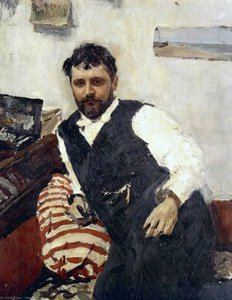
Giovanni Boldini's 'Portrait of Diego Martelli' (1865) captures a moment of quiet intimacy with dynamic brushwork and rich color, showcasing the artist’s signature style.
 상세 보기
상세 보기
Giovanni Boldini(1842-1931)는 벨 에포크 시대를 대표하는 이탈리아 인상주의 화가입니다. 파리 상류 사회의 우아한 초상화와 유려하고 역동적인 스타일로 유명하며, '스위시 마스터'로 불립니다.
지클레 / 아트 프린트
빠른 제작과 다양한 마감 옵션을 선택할 수 있는 박물관 수준의 지클레이 및 캔버스 프린트. ( 수작업 채색 복제본 주문하기 디지털 이미지 판매 채널로 전환)




P118B ₩10

P118H ₩10

P118W ₩10

P438Z ₩10

P508JH ₩12

P508YH ₩12

P805H ₩10

P805Z ₩10

P919BZ ₩10

P919G ₩10

P919XJ ₩10

P959ZH ₩10

P968JZ ₩12

W106C ₩8

W218G ₩10

W218JH ₩8

W218Y ₩10

W307PJ ₩10

W316G ₩10

W316PJ ₩8

W316Y ₩10

W398PJ ₩8

W4111J ₩10

W500HY ₩15

W500JH ₩15

W692G ₩12

W849H ₩8

W940BG ₩15

W953PJ ₩8




표준 규격
맞춤 제작
CM
INCH
작품의 원본 비율을 그대로 유지하는 프리셋 사이즈 중에서 선택해 보세요.
Loading sizes...

가로 너비
높이
액자나 벽면 크기에 맞춰 필요한 가로와 세로 길이를 입력해 주세요. 프린트는 원본 이미지보다 크게 제작할 수 없으며 오직 자르는 것만 가능하므로, 비율이 다른 사이즈를 선택할 경우 이미지의 일부가 잘려 나갈 수 있습니다. 인쇄 작업에 들어가기 전, 최종 확인을 위해 디지털 목업을 보내드립니다. 이 페이지에 표시된 이미지는 실제 잘리는 영역을 나타내지 않으며, 오직 목업을 통해서만 정확한 확인이 가능합니다.


 유리 옵션은 110cm 미만 크기에서만 선택 가능합니다.

Diego Martelli
지클레 / 아트 프린트
복제본 규격
-


총 결제 금액
₩ 92926
Giovanni Boldini’s “Portrait of Diego Martelli” – A Window into Belle Époque Parisian Life
Giovanni Boldini's "Portrait of Diego Martelli," painted circa 1865, isn’t merely a likeness; it’s a carefully constructed tableau vivant, a snapshot of a specific moment in time and a testament to the artist’s remarkable ability to capture not just appearance but also character and atmosphere. This painting, now housed within the Palazzo Pitti in Florence, offers a captivating glimpse into the vibrant social scene of late 19th-century Paris – a world of artistic ferment, intellectual discourse, and burgeoning modernity. Boldini, already establishing himself as a master of portraiture, skillfully employs a technique that blends elements of Realism with the subtle influences of the Macchiaioli movement, creating an image both grounded in observation and imbued with a dynamic energy.
The subject, Diego Martelli, an Italian art critic instrumental in championing Impressionism within Italy, is depicted seated on the floor, a posture remarkably unconventional for formal portraits of the era. This deliberate choice immediately establishes a sense of intimacy and informality, suggesting a relaxed conversation or perhaps a shared moment of contemplation. Martelli’s attire – a dark, simple suit and hat – contrasts subtly with the vibrant, almost luminous, cloth draped across his lap, hinting at a connection to the natural world and a rejection of rigid social conventions. Boldini's masterful use of light is crucial; it doesn’t simply illuminate the subject but sculpts their form, creating depth and volume within the relatively small canvas.
The Influence of Macchiaioli Realism
Boldini’s artistic journey was profoundly shaped by his encounter with the Macchiaioli – a group of Tuscan painters who prioritized capturing fleeting moments and atmospheric effects over meticulous detail. This influence is evident in “Portrait of Diego Martelli” through Boldini's loose brushwork, particularly noticeable in the rendering of the fabric and background. Rather than striving for photographic accuracy, he employs broken color and visible strokes to convey a sense of immediacy and spontaneity – a hallmark of the Macchiaioli’s approach. The muted palette, dominated by browns, grays, and ochres, further reinforces this connection to nature and the transient qualities of light.
Furthermore, Boldini's composition echoes the Macchiaioli’s penchant for depicting subjects within their natural surroundings. The glimpse of a window in the background suggests a domestic setting, grounding Martelli in a specific place and time. This subtle inclusion adds layers of meaning to the portrait, inviting viewers to imagine the context of the scene and the lives of those depicted.
Symbolism and Emotional Resonance
Beyond its technical brilliance, “Portrait of Diego Martelli” is rich in symbolic detail. The seated position itself can be interpreted as a gesture of humility or openness, suggesting that Martelli is willing to share his thoughts and ideas with the viewer. The red cloth draped across his lap – a splash of vibrant color against the muted background – could symbolize passion, creativity, or perhaps even the revolutionary spirit of Impressionism. The direct gaze of Martelli’s eyes draws the viewer into the portrait, creating a powerful connection between subject and observer.
Boldini masterfully captures not just a physical likeness but also an essence—a sense of intellectual curiosity, quiet contemplation, and perhaps even a touch of melancholy. The painting evokes a feeling of intimacy and invites us to step back in time and witness a pivotal moment in the history of art.
A Masterpiece of Belle Époque Portraiture
“Portrait of Diego Martelli” stands as a quintessential example of Giovanni Boldini’s signature style – a captivating blend of realism, dynamism, and psychological insight. It's a painting that rewards careful observation, revealing new details with each viewing. Boldini’s ability to capture the fleeting moments of human interaction and imbue his portraits with emotional resonance cemented his reputation as “the Master of Swish,” a title reflecting both his distinctive brushwork and his remarkable talent for portraying the allure and sophistication of Parisian society during the Belle Époque. Reproductions of this iconic work offer a beautiful opportunity to bring a piece of art history into your home, capturing the spirit of a bygone era.
질의응답
조반니 볼디니의 "Diego Martelli"은(는) Realism 내에서 어떤 분위기를 자아내나요?
Realism 사조 안에서, "Diego Martelli"은(는) Nostalgic한 어조로 기록되어 있습니다.
"Diego Martelli"은(는) 어떤 감정과 관련이 있나요?
"Diego Martelli"은(는) Nostalgic 느낌을 전달합니다. 이 정서적 톤은 작품이 주는 인상을 설명합니다.
Realism 양식의 작품 "Diego Martelli"은 어느 나라에서 유래되었나요?
"Diego Martelli"은 작가의 탄생지를 통해 Realism 사조와 이탈리아를 연결합니다.
관련 작품들




작가 소개
스위시의 거장: 조반니 볼디니의 삶과 예술
벨 에포크 시대의 우아함과 매혹을 상징하는 이름, 조반니 볼디니는 파리 사교계에서 찬란한 초상화가로 자리매김한 이탈리아 화가입니다. 1842년 12월 31일 이탈리아 페라라에서 태어난 볼디니의 예술적 여정은 종교화를 전문으로 하던 아버지의 지도 아래 시작되었습니다. 이러한 어린 시절의 경험은 그에게 기법과 구도에 대한 기초적인 이해를 심어주었지만, 그의 창조적 정신에 진정한 불을 지핀 것은 1나 1862년 피렌체로의 이주였습니다. 그곳에서 그는 빛과 색채, 그리고 즉흥적인 실행력을 강조하며 인상주의의 서막을 알린 이탈리아 사실주의 화가 집단인 마키아이올리(Macchiaioli)를 만났습니다. 이 결정적인 만남은 볼디니의 풍경화에 새로운 활력과 자연에 대한 민감한 반응을 불어넣었습니다. 그러나 그가 궁극적으로 영원한 명성을 얻게 된 것은 초상화를 통해 인물의 본질을 포착해내는 과정에서였습니다.피렌체에서 파리 사교계로
볼디니의 예술적 행보는 먼저 런던으로 이어졌고, 그곳에서 레이디 홀랜드와 웨스트민스터 공작부인 같은 저명한 인물들의 초상화를 통해 빠르게 인정을 받았습니다. 이러한 초기 성공은 1872년 그가 파리로 이주하는 발판이 되었으며, 파리는 그의 안식처이자 뮤즈가 되는 도시가 되었습니다. 파리에서 볼디니는 예술적 환경에 깊이 몰입하며 에드가 드가와 교류하고 프랑스 수도의 복잡한 사회적 지형을 탐험했습니다. 그는 유동성, 역동성, 그리고 마치 연극적인 듯한 화려함을 특징으로 하는 독창적인 스타일을 발전시켰습니다. 그의 붓터치는 단순히 대상을 묘사하는 데 그치지 않고, 인물의 움직임과 개성, 그리고 그들을 둘러싼 공기마저 포착해내는 듯했습니다. 이러한 독특한 접근 방식 덕분에 그는 1933년 '스위시의 거장(Master of Swish)'이라는 별칭을 얻게 되었으며, 이는 그의 작품 전반에 스며든 우아한 에너지의 증거가 되었습니다. 그는 파리 상류 사회를 위한 바로 그 초상화가로서 여배우, 사교계 명사, 귀족들의 화려한 삶을 불멸의 존재로 남겼습니다.기법과 영향> 볼디니의 기법은 그가 묘사한 인물들만큼이나 매혹적이었습니다. 그의 캔버스는 종종 거대한 규모를 자랑하며, 이를 통해 웅장함과 압도적인 존재감을 전달했습니다. 그는 자유롭고 표현력이 풍부한 붓터치를 사용하여 색채의 층을 쌓아 올림으로써 질감과 깊이를 만들어냈습니다. 이러한 접근 방식은 세밀한 관찰력 및 찰나의 표정을 포착하는 능력과 결합되어, 놀라울 정도로 사실적이면서도 부정할 수 없는 스타일이 깃든 초상화를 탄생시켰습니다. 마키아이올리의 빛과 즉흥성에 대한 강조로부터 영향을 받은 동시에, 볼디니는 존 싱어 사전트나 폴 헬류와 같은 화가들에게서도 영감을 얻었습니다. 이들의 역동적인 붓놀림은 볼디니의 예술적 감성과 깊이 공명했습니다. 그는 단순히 외형을 복제하는 것이 아니라, 인물의 성격과 사회적 지위를 환기시키는 '인상'을 만들어내고 있었습니다. 그의 초상화는 단순한 이미지가 아니라 하나의 선언이었습니다.
유산과 재발견
볼디니는 평생에 걸쳐 1895년, 1903년, 1905년, 1912년 베네치아 비엔날레를 포함하여 폭넓게 작품을 전시했습니다. 그는 예술계에 기여한 공로로 레지옹 도뇌르(Légion d'honneur) 훈장을 받았으며, 파리 미술계의 선도적인 인물로서 입지를 굳혔습니다. 그러나 생애 후반에 이르러 예술적 취향이 변화함에 따라 볼디니의 인기는 점차 시들해졌습니다. 그는 계속해서 그림을 그렸지만, 그의 작품은 최근 수십 년 동안 놀라운 관심의 재부상을 경험하기 전까지 어느 정도 잊혀진 상태로 남아 있었습니다. 2010년 파리의 한 아파트에서 숨겨져 있던 채 발견된 마르트 드 플로리안의 매혹적인 초상화와 같은 유실된 작품들의 재발견은 볼디니의 예술성에 대한 찬사를 다시 불러일으켰으며, 벨 에포크 예술에 그가 남긴 중대한 기여에 다시금 주목하게 만들었습니다. 수십 년간의 은둔 끝에 발굴된 잊혀진 보물—이 그림을 둘러싼 이야기는 화가와 그의 대상 모두를 감싸는 신비로움을 더해줍니다.영원히 남을 인상
조반니 볼디니는 1931년 1월 11일 파리에서 세상을 떠났으며, 당대 가장 유행을 선도하고 혁신적인 초상화가 중 한 명으로서의 유산을 남겼습니다. 그의 작품은 오늘날에도 예술가와 미술 애호가들에게 영감을 주며, 우아함과 세련미, 그리고 예술적 찬란함이 빛나던 지나간 시대를 엿볼 수 있게 해줍니다. 그는 단순히 사회를 기록한 것이 아니라, 캔버스 위에 그 시대의 아름다움과 에너지, 그리고 영원히 지속될 매력을 찬양했습니다. 볼디니의 초상화는 그의 기술과 비전, 그리고 회화라는 행위를 매혹적인 퍼포먼스로 승화시킨 능력을 보여주는 강력한 증거로 남아 있습니다.- 볼디니의 영향력은 현대 초상화 예술에서도 찾아볼 수 있습니다.
- 그의 작품은 전 세계 주요 미술관에 전시되어 있습니다.
- 유실된 작품들의 재발견은 학술적 관심을 계속해서 불러일족시키고 있습니다.

조반니 볼디니
1842 - 1931 , 이탈리아
작가 정보 요약
- Artistic Movement Or Style: 인상주의
- Artists Or Movements Influenced By This Artist: ['John Singer Sargent']
- Artists Who Influenced This Artist: ['Macchiaioli 화가들']
- Date Of Birth: 1842년 12월 31일
- Date Of Death: 1931년 7월 11일
- Full Name: Giovanni Boldini
- Nationality: 이탈리아
- Notable Artworks:
- Countess de Rasty
- The Machine at Marly
- Place Of Birth (City And Country): 이탈리아 페라라
관련 기사

The Raw Truth: A Definitive Guide to the Power and Legacy of Social Realism Art
Explore the profound impact of Social Realism. Discover how masters like Courbet rejected idealism to capture the raw, socio-political truths of the working class through powerful, unvarnished art history and enduring visual critique.

The Unvarnished Truth: A Cultural Journey Through the Soul of American Realism
Explore the profound beauty of American Realism. From the Ashcan School's urban grit to intimate portraits, discover how artists captured the authentic soul of a nation through unvarnished truth and masterful observation.