

 미리보기
미리보기
 공유하기
공유하기 공유하기
공유하기
 상세 정보
상세 정보 가이드 보기

 다운로드
다운로드
 유사 작품 더 보기
 X-레이
X-레이 슬라이드 쇼 보기
 질의응답
질의응답 통계 정보
통계 정보Donna che si lava

- 115.0 x 63.0 cm


A vibrant 1954 portrait by Giuseppe Ajmone captures a woman in a colorful bathroom setting with expressive pink and yellow tones, offering a unique opportunity to bring this mid-century Italian masterpiece into your home.
 더 보기
더 보기
Giuseppe Ajmone의 매혹적인 회화 작품을 만나보세요: 보나르와 피카소의 영향을 받은 풍경화 및 반추상 인물화. TopImpressionists에서 그의 이탈리아 예술적 유산을 탐험해 보세요.
이 페이지에 표시된 작품은 저작권법의 보호를 받으며, 이에 따라 동일한 복제품을 제작하거나 판매하는 것은 법으로 금지되어 있습니다. 이러한 권리 보호는 다음과 같은 국제 협약에 따라 시행됩니다. 베른 협약 또한 다음에서 명시하는 법률을 포함한 국내법에 의해 보호됩니다. 미국 저작권법 제17조.
이 방식은 저작권 보호를 받는 예술 작품을 복제하거나 그대로 재현하는 것이 아니기에 저작권 규정을 완벽히 준수합니다. 대신, 이는 창의적인 재해석의 과정을 거칩니다. 즉, 원작에서 영감을 받되 원작과 동일하지 않은 새로운 회화 작품을 의미합니다.
지클레 / 아트 프린트
빠른 제작과 다양한 마감 옵션을 제공하는 박물관 수준의 지클레이 및 캔버스 프린트. ( 수작업 채색 복제본 주문하기 디지털 이미지로 전환)




P118B ₩10

P118H ₩10

P118W ₩10

P438Z ₩10

P508JH ₩12

P508YH ₩12

P805H ₩10

P805Z ₩10

P919BZ ₩10

P919G ₩10

P919XJ ₩10

P959ZH ₩10

P968JZ ₩12

W106C ₩8

W218G ₩10

W218JH ₩8

W218Y ₩10

W307PJ ₩10

W316G ₩10

W316PJ ₩8

W316Y ₩10

W398PJ ₩8

W4111J ₩10

W500HY ₩15

W500JH ₩15

W692G ₩12

W849H ₩8

W940BG ₩15

W953PJ ₩8




표준 규격
맞춤형
CM
INCH
작품의 원본 비율을 그대로 유지하는 프리셋 사이즈 중에서 선택해 보세요.
Loading sizes...

가로 너비
세로 길이
액자나 벽면 크기에 맞춰 필요한 가로와 세로 길이를 입력해 주세요. 프린트는 원본 이미지보다 크게 제작할 수 없으며 오직 자르는 것만 가능하므로, 비율이 다른 사이즈를 선택할 경우 이미지의 일부가 잘려 나갈 수 있습니다. 인쇄 작업에 들어가기 전, 최종 확인을 위해 디지털 목업을 보내드립니다. 이 페이지에 표시된 이미지는 실제 잘리는 영역을 나타내지 않으며, 오직 목업을 통해서만 정확한 확인이 가능합니다.


 유리 옵션은 110cm 미만 크기에서만 선택 가능합니다.

Donna che si lava
지클레 / 아트 프린트
복제본 크기
-


최종 결제 금액
₩ 93964
An Intimate Encounter with Light and Form
In the quiet, private moments of domestic life, there exists a profound beauty that often escapes the hurried gaze of the world. Giuseppe Ajmone, a master of capturing these ephemeral instances, invites us into such a moment with his 1954 masterpiece, Donna che si lava (Woman Washing). The painting presents us with a figure seen from behind, her back turned to the viewer as she engages in a ritual of cleansing. This perspective creates an immediate sense of voyeuristic intimacy, yet it remains deeply respectful, drawing the observer into a private sanctuary rather than intruding upon it. The composition is a delicate dance of light and shadow, where the warmth of pinks and yellows breathes life into the skin, transforming a mundane bathroom setting into a stage of vibrant, chromatic expression.
The technique employed by Ajmone reflects his deep connection to the post-war Italian tradition, blending elements of semi-abstraction with a palpable sense of reality. Influenced by the luminous palettes of Pierre Bonnard and the structural boldness of Picasso, Ajmone utilizes color not merely as a descriptive tool but as an emotional language. The way the light dances across the woman's form suggests a fluid, almost rhythmic movement, where the boundaries between the subject and her environment begin to soften. Scattered throughout the scene, objects such as a delicate cup, a bottle, and various bowls are rendered with a painterly touch that emphasizes texture and light over rigid detail, contributing to a dynamic composition that feels both grounded and dreamlike.
A Legacy of Italian Modernism
To understand the depth of Donna che lava, one must look toward the rich historical tapestry of Ajmone’s career. Emerging from the prestigious Brera Academy under the tutelage of masters like Achille Funi and Carlo Carrà, Ajmone was a central figure in the mid-century Italian art scene. His participation in landmark exhibitions, such as the Manifesto del Realismo and the prestigious Venice Biennale, places this work within a period of intense artistic exploration following World War II. This era was defined by a search for a new visual language—one that could reconcile the weight of tradition with the burgeoning freedom of modern abstraction. In this painting, we see that reconciliation perfectly realized; it is a work that honors the human figure while embracing the expressive potential of color and light.
For the discerning collector or interior designer, this piece offers more than just visual appeal; it provides an emotional anchor for a sophisticated space. The warmth of the palette makes it an ideal centerpiece for rooms designed to evoke tranquility and refinement. Whether placed in a sun-drenched morning room or a moody, contemporary study, the painting’s ability to command attention through subtle nuance ensures it remains a conversation piece for years to come. Owning a reproduction of such a significant work allows one to bring a fragment of Italian modernism into the home, fostering an environment of cultured contemplation and timeless elegance.
질의응답
원작 주세페 아요네의 "Donna che si lava"의 기법과 크기는 어떻게 되나요?
"Donna che si lava"은(는) Oil On Canvas 기법으로 제작되었으며, 원작의 크기는 115 x 63 cm입니다.
"Donna che si lava"이(가) 제작될 당시 주세페 아요네의 나이는 몇 세였나요?
주세페 아요네은(는) 31세에 "Donna che si lava"을(를) 제작했습니다. 작가는 1923년에 태어났으며, 이 작품의 제작 연도는 1954년입니다.
"Donna che si lava"의 재료와 화풍은 무엇인가요?
"Donna che si lava"에서 Oil On Canvas 기법은 Contemporary Realism 사조와 만납니다.
유사한 작품들


관련 콘텐츠

Angelo Chiacchio: A Mid-Century American Illustration Master & the Rise of Commercial Art
Explore the captivating world of Angelo Chiacchio, a master of mid-century American illustration. Discover his evolution, signature style, and lasting impact on commercial art & design. Learn about his legacy at the Museum of American Illustration.
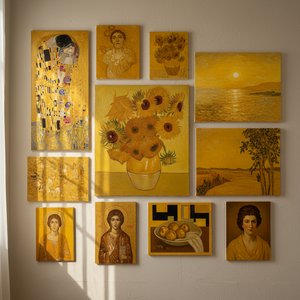
Golden Hues: Top 10 Paintings Dominated by Yellow Ochre |
Explore 10 iconic paintings bathed in golden yellow ochre! From Van Gogh's sunflowers to Monet’s haystacks, discover the stories behind these masterpieces. Find museum-quality art reproductions & elevate your home decor on .
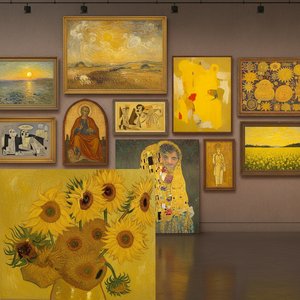
Golden Hues: 10 Masterpieces Dominated by Chrome Yellow | TopImpressionists
Immerse yourself in golden light! Explore 10 famous paintings dominated by 'Chrome Yellow', from Van Gogh’s Sunflowers to Monet's Haystacks. Discover the stories behind these iconic Impressionist & Post-Impressionist masterpieces and find museum-quality art reproductions at TopImpressionists.com.

The Golden Hue: Exploring Symbolism & Emotion in Yellow Art
Explore the rich symbolism & emotional power of yellow in art history! From Van Gogh to Kandinsky, discover how artists used this vibrant hue. Expert analysis & high-quality reproductions at TopImpressionists.

Blush & Brilliance: 10 Iconic Paintings Dominated by Light Pink Tones |
Explore 10 iconic paintings bathed in captivating light pink tones! From Monet's Impressionism to Renoir’s romance, discover the stories behind these blush-hued masterpieces. Find museum-quality art reproductions & decor inspiration at .