


 미리보기
미리보기
 공유하기
공유하기 공유하기
공유하기
 상세 정보
상세 정보 가이드 보기

 다운로드
다운로드
 유사 작품
유사 작품 X-레이
X-레이 슬라이드 쇼
 통계 정보
통계 정보L'Automne


 더 보기
더 보기
지클레 / 아트 프린트
빠른 제작과 다양한 마감 옵션을 제공하는 박물관 품질의 지클레이 또는 캔버스 프린트. ( 손으로 그린 그림 구매 디지털 이미지로 전환)




P118B $10

P118H $10

P118W $10

P438Z $10

P508JH $12

P508YH $12

P805H $10

P805Z $10

P919BZ $10

P919G $10

P919XJ $10

P959ZH $10

P968JZ $12

W106C $8

W218G $10

W218JH $8

W218Y $10

W307PJ $10

W316G $10

W316PJ $8

W316Y $10

W398PJ $8

W4111J $10

W500HY $15

W500JH $15

W692G $12

W849H $8

W940BG $15

W953PJ $8




표준 규격
맞춤형
CM
INCH
작품의 원본 비율을 유지하는 미리 설정된 크기 중에서 선택하세요.
Loading sizes...

가로 너비
세로 길이
특정 프레임이나 공간에 맞춰 직접 치수를 입력하실 수 있습니다. 선택하신 사이즈가 원본 이미지의 비율과 일치하지 않을 경우, 작품을 크롭(자르기)하거나 이미지를 대칭 또는 단색 채우기로 확장하여 제작합니다. 제작 시작 전, 최종 확인을 위해 디지털 목업이 전송됩니다.
화면상의 미리보기는 실제 크롭이나 확장 상태를 반영하지 않으므로, 최종 구도는 오직 목업을 통해서만 정확하게 확인하실 수 있습니다.
맞춤 사이즈 제작도 가능하지만, 원본 비율을 유지하기 위해서는 사전 정의된 목록에서 치수를 선택하시는 것을 권장합니다.


 유리 옵션은 110cm 미만 크기에서만 선택 가능합니다.

L'Automne
지클레 / 아트 프린트
복제본 크기
-


최종 결제 금액
$ 69
L'Automne: A Masterpiece of Mannerist Illusion
Giuseppe Arcimboldo’s *L’Automne*, completed in 1573, stands as an unparalleled achievement in Renaissance art—a testament to the artist’s extraordinary imagination and technical prowess. More than just a portrait, it’s a meticulously crafted allegory, embodying the spirit of autumn through a breathtaking assemblage of fruits, vegetables, foliage, and architectural elements. This artwork immediately captivates viewers with its paradoxical beauty: upon initial glance, it resembles a conventional human face, yet closer inspection reveals an astonishing complexity born from the ingenious arrangement of natural forms.The Composition & Technique
Arcimboldo’s signature style—the creation of composite heads from disparate objects—is brilliantly exemplified here. He skillfully employs oil paint on panel to achieve remarkable textural depth and luminosity. Each element – apples, pears, plums, leaves, branches, and even a barrel-like structure – is painstakingly positioned to contribute to the overall illusion of facial features. The artist’s meticulous attention to detail ensures that no surface is left untouched; subtle blending creates an ethereal glow, enhancing the impression of realism despite the fantastical nature of the subject matter. Lines are dictated by the shapes of the objects themselves—smooth curves mirroring contours of flesh and bone—resulting in a harmonious balance between organic forms and architectural precision. The diffused lighting further amplifies this effect, casting gentle shadows that accentuate the textures and contours of the assembled elements.Historical Context & Arcimboldo’s Vision
Born in Milan in 1527, Arcimboldo navigated the turbulent intellectual landscape of his time—a period marked by burgeoning Neo-Platonism and a fascination with symbolism. His patronage by Maximilian II and Rudolf II at Prague Castle solidified his reputation as a court artist adept at conveying complex ideas through visual metaphors. *L’Automne* reflects this artistic sensibility, aligning perfectly with the Renaissance preoccupation with representing abstract concepts in tangible form. The choice of autumnal imagery—harvest, decay, transformation—was deliberate, mirroring the cyclical rhythms of nature and hinting at themes of mortality and renewal. Arcimboldo's work wasn’t merely decorative; it was intended to provoke contemplation and engage viewers intellectually.Symbolism & Emotional Impact
The artwork overflows with symbolic significance. The abundance of fruit represents prosperity and fertility—a celebration of the harvest season—while the carefully constructed face embodies the human spirit, resilient in the face of change. Arcimboldo’s masterful manipulation of perspective creates a captivating illusion, drawing the eye inwards towards the central figure. More than just aesthetically pleasing, *L’Automne* evokes a profound sense of wonder and invites viewers to consider the interconnectedness between humanity and the natural world. It remains an enduring emblem of Arcimboldo's genius—a timeless masterpiece that continues to inspire admiration for its imaginative vision and unparalleled artistic execution.A Reproduction Worth Admiring
A high-quality reproduction of *L’Automne* captures not only the visual splendor of Arcimboldo’s original but also the essence of his artistic philosophy. Bringing this iconic artwork into your home transforms it into a focal point of conversation and contemplation—a reminder of the beauty and complexity inherent in observing the natural world through the lens of artistic brilliance.작가 약력
세계의 재해석: 수수께끼 같은 예술가 주세페 아르침볼도
주세페 아르침볼도(Giuseppe Arcimboldo)라는 이름은 기발하면서도 심오하게 이상한 이미지를 불러일으키며 르네상스 미술에서 가장 독특한 인물 중 한 명으로 남아 있습니다. 1527년 밀라노에서 태어난 그의 경력은 지적 발효, 종교적 격변, 자연 세계에 대한 끊임없는 호기심이 깊게 배어든 유럽의 배경 속에서 펼쳐졌습니다. 처음에는 성당을 장식하는 프레스코화나 확립된 궁정 표준을 준수하는 초상화로 인정받았지만, 아르침볼도의 지속적인 유산은 과일, 채소, 꽃, 심지어 악기를 정교하게 배열하여 구성된 복합 두상 연작에 있습니다. 이것들은 단순한 시각적 속임수가 아니었습니다. 르네상스 세계관 내에서 깊이 공명하고 오늘날에도 관객을 사로잡는 상징으로 가득 찬 복잡한 비유였습니다. 그의 아버지 비아조 아르침볼도 역시 예술가였으며, 젊은 주세페에게 초기 미술 교육을 제공했고 1549년경 밀라노 대성당의 스테인드 글라스 창문과 프레스코화 디자인에 참여하는 데 영향을 미쳤을 가능성이 높습니다. 이 기초적인 경험은 그의 나중 독특한 창작물의 특징이 될 기술적 숙련도와 세부 사항에 대한 안목을 연마했습니다.궁정 의뢰와 독특한 스타일의 부상
아르침볼도의 궤적은 1562년 빈 합스부르크 궁정에서 페르디난트 1세의 궁정 초상화 화가로 임명되면서 중요한 전환점을 맞았습니다. 이것은 그가 막시밀리안 2세와 그의 아들 루돌프 2세를 포함한 세 명의 합스부르크 통치자를 위해 20년 이상 예술 폴리매스로 봉사하기 시작하는 것을 의미했습니다. 초상화를 의뢰받았지만, 심지어 이러한 초상화에서도 미묘한 기발함이 드러났습니다. 아르침볼도의 임무에는 의상 디자인, 축제 장식 및 황실 컬렉션 조직도 포함되었습니다. 이 세련된 취향과 지적 호기심의 환경에서 그의 시그니처 스타일이 꽃피기 시작했습니다. 궁정의 참신함과 화려함에 대한 수요는 실험을 위한 비옥한 기반을 제공하여 그가 전통적인 초상화에서 유명한 “복합 두상” 창작으로 나아갈 수 있도록 했습니다. 이것들은 갑작스러운 충동에서 비롯된 것이 아니라 르네상스 시대의 퍼즐, 수수께끼에 대한 매혹과 평범해 보이는 물건 안에 숨겨진 의미를 탐구하는 데 기반을 두고 점차적으로 발전했습니다. *트로페 로일* 효과와 왜곡된 관점을 실험한 이전 예술가들의 영향이 감지될 수 있지만, 아르침볼도는 이러한 요소를 완전히 자신만의 것으로 합성하여 기존의 표현 개념에 도전하는 독특한 시각 언어를 만들어냈습니다.상징 해독: 보이는 것 이상의 의미
아르침볼도의 작품을 단순한 기발함으로 치부하는 것은 그 안에 담긴 심오한 지적 깊이를 간과하는 것입니다. 그의 복합 초상화 내의 모든 물체는 앉은 사람의 성격, 직업 또는 사회적 지위에 관련된 상징적인 의미로 신중하게 선택되었습니다. 예를 들어 *사서*는 단순히 책으로 구성된 얼굴이 아닙니다. 그것은 학문적 허세를 미묘하게 비판하는 해설입니다. 즉, 내용을 진정으로 이해하지 않고 지식을 축적하는 사람들에 대한 해설입니다. 수염을 형성하는 동물 꼬리는 선반에 먼지가 쌓인 채 방치된 책을 암시합니다. 마찬가지로 그의 계절 초상화 – 특히 황제 루돌프 2세를 정원과 변화의 로마 신 베르툼누스로 묘사한 *베르툼누스*는 황제의 과학 및 자연사 후원에 반영되는 식물 상징으로 풍부합니다. 이것들은 즉시 해독하기 위한 것이 아니었습니다. 그것은 관객이 장식적인 배열 안에 숨겨진 의미의 레이어를 풀도록 초대하여 사색을 유도하도록 설계되었습니다. 무생물의 물질로 인간의 모습을 구성하는 행위 자체는 르네상스 신플라톤주의의 믿음인 우주의 근본적인 조화에 대한 성찰, 즉 모든 것의 상호 연결성에 대한 성찰이었습니다.유산과 재발견: 초현실주의의 선구자
그가 생존하는 동안 성공을 거두었음에도 불구하고 아르침볼도는 1593년 사망 후 수세기 동안 명성이 하락했습니다. 그의 작품은 종종 호기심의 영역으로 격하되었으며, 기술적 숙련도에 대해서는 높이 평가했지만 심각한 예술적 가치가 없는 것으로 여겨졌습니다. 20세기에 이르러서야 초현실주의의 부상으로 그의 예술에 대한 새로운 감상이 등장했습니다. 살바도르 달리와 같은 예술가들은 아르침볼도에게 동족을 발견했습니다. 즉, 기존 인식을 도전하고 예상치 못한 이미지의 병치를 통해 무의식을 탐구하는 비전가였습니다. 달리의 꿈과 같은 구성에서 아르침볼도의 영향이 보이며 변형과 환상에 대한 그의 매혹이 드러납니다. 오늘날 아르침볼도는 미술사에서 중요한 인물로 기념되고 있습니다. 즉, 혁신적인 상징 사용과 장난스러운 왜곡이 전 세계 예술가들에게 영감을 주고 관객을 사로잡는 초현실주의의 선구자입니다. 그의 그림은 빈 Kunsthistorisches Museum 및 파리 루브르 박물관과 같은 권위 있는 박물관에 소장되어 있으며, 그의 독특한 비전은 앞으로도 여러 세대에 걸쳐 공명할 것입니다. 그의 유산은 상상력의 지속적인 힘과 예술이 우리 주변 세계에 대한 이해를 변화시키는 능력에 대한 증거입니다.
주세페 아르침볼도
1527 - 1593 , 이탈리아
주요 정보
- Artistic Movement Or Style: 마니에리스모, 초현실주의
- Artists Or Movements Influenced By This Artist:
- 살바도르 달리
- 초현실주의
- Date Of Birth: 1527년 4월 5일
- Date Of Death: 1593년 7월 11일
- Full Name: Giuseppe Arcimboldo
- Nationality: 이탈리아인
- Notable Artworks:
- Floral Still Life
- The Four Seasons
- Vertumnus
- The Librarian
- Place Of Birth (City And Country): 밀라노, 이탈리아
관련 기사 더 보기
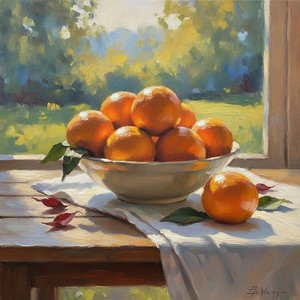
Sun-Drenched Citrus: The Vibrant Beauty of Oranges in Impressionist Masterpieces
Embark on a sensory journey through Impressionist masterpieces. Discover how Renoir and Cézanne captured the vibrant light and luscious textures of sun-drenched oranges in exquisite still life paintings designed to inspire and transform your home.
테마, 스타일 및 특징별로 분류된 작품들을 만나보세요.


