


 실제 크기로 보기
 보내기
보내기 공유하기
공유하기
 상세 보기
상세 보기 가이드 보기

 이미지 다운로드
 유사 작품 더 보기
 X-레이
X-레이 슬라이드 쇼 보기
 통계 정보
통계 정보Saddle cover
 Chalk
Chalk- Mannerism
 1585
1585- Renaissance
 183.0 x 235.0 cm
 우피치 미술관
An intricate pattern of interlocking chains and delicate tassels defines this 1585 chalk masterpiece by Giuseppe Arcimboldo, offering a mesmerizing glimpse into Mannerist detail that you can bring to your own collection.
 상세 보기
상세 보기
이탈리아 만유리스미 대표 화가 주세페 아르침볼도(1527-1593). 과일, 채소 등으로 인물을 표현한 독창적인 초상화로 르네상스 시대의 지적 호기심과 상징주의를 담아냈습니다. 살바도르 달리에게 영감을 주기도 한 기발하고 통찰력 있는 예술을 만나보세요!
핸드메이드 유화 복제화
작가가 직접 캔버스에 손으로 그린 유화 작품으로, 원하는 크기와 액자로 맞춤 제작해 드립니다. ( 프린트 판매로 전환 디지털 이미지 판매 채널로 전환)




P118B ₩10

P118H ₩10

P118W ₩10

P438Z ₩10

P508JH ₩12

P508YH ₩12

P805H ₩10

P805Z ₩10

P919BZ ₩10

P919G ₩10

P919XJ ₩10

P959ZH ₩10

P968JZ ₩12

W106C ₩8

W218G ₩10

W218JH ₩8

W218Y ₩10

W307PJ ₩10

W316G ₩10

W316PJ ₩8

W316Y ₩10

W398PJ ₩8

W4111J ₩10

W500HY ₩15

W500JH ₩15

W692G ₩12

W849H ₩8

W940BG ₩15

W953PJ ₩8




표준 규격
맞춤 제작
CM
INCH
작품의 원본 비율을 그대로 유지하는 프리셋 사이즈 중에서 선택해 보세요.
Loading sizes...

가로 너비
높이
액자나 벽면 크기에 맞춰 필요한 가로와 세로 길이를 입력해 주세요. 본 작품은 수작업으로 제작되므로, 요청하신 비율에 따라 작가가 그림의 가장자리를 조금 더 넓게 그리거나 일부를 조정하여 작업할 수 있습니다. 작업 시작 전, 최종 확인을 위해 디지털 목업 이미지를 보내드립니다. 이 페이지에 표시된 이미지는 실제 결과물과 다를 수 있으며, 오직 목업 이미지만이 정확한 결과물을 보여줍니다.
변경 가능한 예시: 얼굴을 고객님의 사진으로 교체, 반려동물 추가(예: 고양이를 강아지로 변경), 배경에 숨겨진 메시지 삽입, 배경 풍경 또는 요소 변경 등
주문 완료 후 TopImpressionists.com 팀에서 상세 안내를 위해 고객님께 이메일을 보내드리며, 미리보기 시안을 함께 제공해 드립니다.
주문 완료 후 TopImpressionists.com 팀에서 상세 안내를 위해 고객님께 이메일을 보내드리며, 미리보기 시안을 함께 제공해 드립니다.


 유리 옵션은 110cm 미만 크기에서만 선택 가능합니다.

Saddle cover
재현 매체
복제본 규격
-


총 결제 금액
₩ 368155
A Tapestry of Texture: The Intricate World of Arcimboldo’s Saddle Cover
In the vast, storied halls of the Galleria degli Uffizi, there exist works that demand a second, more lingering glance—pieces that reveal their secrets only to those willing to surrender to their minute details. Giuseppe Arcimboldo’s Saddle cover, dating from 1585, is precisely such a masterpiece. While the artist is globally celebrated for his surrealist personifications of flora and fauna, this particular work offers a different kind of enchantment. It is an exploration of pattern, a rhythmic dance of line and light that transcends its utilitarian subject matter to become a profound study in texture and decorative elegance.
The artwork presents a breathtakingly complex arrangement of interlocking chains and braids, rendered with such precision that the eye can almost feel the tactile weight of the woven material. The composition is a marvel of Mannerist sensibility, where the boundaries between drawing and ornament blur. Through a delicate use of blue chalk, gold, and wash on paper, Arcimboldo has breathed life into a static object, creating a sense of movement through the undulating paths of the braids. The tassels at the base of the piece serve as a graceful conclusion to the visual journey, their individual strands meticulously shaded to provide a sense of depth and three-dimensional presence that anchors the entire composition.
Mastery of Medium and Mannerist Innovation
To understand the brilliance of the Saddle cover, one must appreciate the technical audacity required by Arcimboldo’s chosen medium. During the late 16th century, the use of chalk and wash to achieve such high-fidelity detail was a testament to an innovative spirit that pushed the boundaries of traditional Renaissance techniques. The artist utilizes the subtle gradations of blue chalk to simulate shadows within the crevices of the braids, while the infusion of gold adds a regal, luminous quality that catches the light, much like the actual precious textiles of the Italian courts.
This piece embodies the essence of Mannerism—a style characterized by artifice, elegance, and a sophisticated complexity. There is no grand narrative or dramatic human figure here; instead, the drama lies in the execution of the pattern itself. For the discerning collector or interior designer, this artwork offers a unique opportunity to introduce a sense of historical luxury and intellectual depth into a space. It is a work that does not shout for attention but rather rewards the quiet observer with an endless discovery of fine lines and shimmering highlights.
An Inspiration for the Modern Interior
For those seeking to curate an environment of timeless sophistication, the Saddle cover serves as an exquisite touchstone. Its palette of soft blues, golds, and muted tones allows it to integrate seamlessly into a variety of high-end decor styles, from classical European aesthetics to contemporary minimalist settings. The rhythmic, repetitive nature of the pattern provides a calming yet stimulating focal point that can anchor a room, much like a fine piece of jewelry anchors an ensemble.
Owning a high-quality reproduction of this work is more than a mere decorative choice; it is an act of preserving a fragment of Renaissance ingenuity. Whether displayed in a sunlit study or as part of a curated gallery wall, the Saddle cover brings with it the spirit of the Uffizi and the whimsical genius of Arcimboldo. It invites guests to lean in closer, to trace the intricate braids with their eyes, and to lose themselves in the magnificent, woven dream of the 16th century.
질의응답
주세페 아르침볼도의 "Saddle cover"의 전반적인 색조는 무엇인가요?
"Saddle cover"은(는) Green to Violet Spectrum 톤에 가깝습니다.
주세페 아르침볼도의 "Saddle cover"은 어느 시대에 제작되었나요?
주세페 아르침볼도의 "Saddle cover"의 역사적 시기는 Renaissance입니다. 이러한 분류는 미술사적 맥락에서 해당 작품의 위치를 정의합니다.
주세페 아르침볼도의 "Saddle cover"의 슬라이드쇼를 볼 수 있는 곳이 있나요?
주세페 아르침볼도의 "Saddle cover"은(는) 작품의 슬라이드쇼 페이지에서 슬라이드쇼로 감상하실 수 있습니다.


작가 소개
세계의 재해석: 수수께끼 같은 예술가 주세페 아르침볼도
주세페 아르침볼도(Giuseppe Arcimboldo)라는 이름은 기발하면서도 심오하게 이상한 이미지를 불러일으키며 르네상스 미술에서 가장 독특한 인물 중 한 명으로 남아 있습니다. 1527년 밀라노에서 태어난 그의 경력은 지적 발효, 종교적 격변, 자연 세계에 대한 끊임없는 호기심이 깊게 배어든 유럽의 배경 속에서 펼쳐졌습니다. 처음에는 성당을 장식하는 프레스코화나 확립된 궁정 표준을 준수하는 초상화로 인정받았지만, 아르침볼도의 지속적인 유산은 과일, 채소, 꽃, 심지어 악기를 정교하게 배열하여 구성된 복합 두상 연작에 있습니다. 이것들은 단순한 시각적 속임수가 아니었습니다. 르네상스 세계관 내에서 깊이 공명하고 오늘날에도 관객을 사로잡는 상징으로 가득 찬 복잡한 비유였습니다. 그의 아버지 비아조 아르침볼도 역시 예술가였으며, 젊은 주세페에게 초기 미술 교육을 제공했고 1549년경 밀라노 대성당의 스테인드 글라스 창문과 프레스코화 디자인에 참여하는 데 영향을 미쳤을 가능성이 높습니다. 이 기초적인 경험은 그의 나중 독특한 창작물의 특징이 될 기술적 숙련도와 세부 사항에 대한 안목을 연마했습니다.궁정 의뢰와 독특한 스타일의 부상
아르침볼도의 궤적은 1562년 빈 합스부르크 궁정에서 페르디난트 1세의 궁정 초상화 화가로 임명되면서 중요한 전환점을 맞았습니다. 이것은 그가 막시밀리안 2세와 그의 아들 루돌프 2세를 포함한 세 명의 합스부르크 통치자를 위해 20년 이상 예술 폴리매스로 봉사하기 시작하는 것을 의미했습니다. 초상화를 의뢰받았지만, 심지어 이러한 초상화에서도 미묘한 기발함이 드러났습니다. 아르침볼도의 임무에는 의상 디자인, 축제 장식 및 황실 컬렉션 조직도 포함되었습니다. 이 세련된 취향과 지적 호기심의 환경에서 그의 시그니처 스타일이 꽃피기 시작했습니다. 궁정의 참신함과 화려함에 대한 수요는 실험을 위한 비옥한 기반을 제공하여 그가 전통적인 초상화에서 유명한 “복합 두상” 창작으로 나아갈 수 있도록 했습니다. 이것들은 갑작스러운 충동에서 비롯된 것이 아니라 르네상스 시대의 퍼즐, 수수께끼에 대한 매혹과 평범해 보이는 물건 안에 숨겨진 의미를 탐구하는 데 기반을 두고 점차적으로 발전했습니다. *트로페 로일* 효과와 왜곡된 관점을 실험한 이전 예술가들의 영향이 감지될 수 있지만, 아르침볼도는 이러한 요소를 완전히 자신만의 것으로 합성하여 기존의 표현 개념에 도전하는 독특한 시각 언어를 만들어냈습니다.상징 해독: 보이는 것 이상의 의미
아르침볼도의 작품을 단순한 기발함으로 치부하는 것은 그 안에 담긴 심오한 지적 깊이를 간과하는 것입니다. 그의 복합 초상화 내의 모든 물체는 앉은 사람의 성격, 직업 또는 사회적 지위에 관련된 상징적인 의미로 신중하게 선택되었습니다. 예를 들어 *사서*는 단순히 책으로 구성된 얼굴이 아닙니다. 그것은 학문적 허세를 미묘하게 비판하는 해설입니다. 즉, 내용을 진정으로 이해하지 않고 지식을 축적하는 사람들에 대한 해설입니다. 수염을 형성하는 동물 꼬리는 선반에 먼지가 쌓인 채 방치된 책을 암시합니다. 마찬가지로 그의 계절 초상화 – 특히 황제 루돌프 2세를 정원과 변화의 로마 신 베르툼누스로 묘사한 *베르툼누스*는 황제의 과학 및 자연사 후원에 반영되는 식물 상징으로 풍부합니다. 이것들은 즉시 해독하기 위한 것이 아니었습니다. 그것은 관객이 장식적인 배열 안에 숨겨진 의미의 레이어를 풀도록 초대하여 사색을 유도하도록 설계되었습니다. 무생물의 물질로 인간의 모습을 구성하는 행위 자체는 르네상스 신플라톤주의의 믿음인 우주의 근본적인 조화에 대한 성찰, 즉 모든 것의 상호 연결성에 대한 성찰이었습니다.유산과 재발견: 초현실주의의 선구자
그가 생존하는 동안 성공을 거두었음에도 불구하고 아르침볼도는 1593년 사망 후 수세기 동안 명성이 하락했습니다. 그의 작품은 종종 호기심의 영역으로 격하되었으며, 기술적 숙련도에 대해서는 높이 평가했지만 심각한 예술적 가치가 없는 것으로 여겨졌습니다. 20세기에 이르러서야 초현실주의의 부상으로 그의 예술에 대한 새로운 감상이 등장했습니다. 살바도르 달리와 같은 예술가들은 아르침볼도에게 동족을 발견했습니다. 즉, 기존 인식을 도전하고 예상치 못한 이미지의 병치를 통해 무의식을 탐구하는 비전가였습니다. 달리의 꿈과 같은 구성에서 아르침볼도의 영향이 보이며 변형과 환상에 대한 그의 매혹이 드러납니다. 오늘날 아르침볼도는 미술사에서 중요한 인물로 기념되고 있습니다. 즉, 혁신적인 상징 사용과 장난스러운 왜곡이 전 세계 예술가들에게 영감을 주고 관객을 사로잡는 초현실주의의 선구자입니다. 그의 그림은 빈 Kunsthistorisches Museum 및 파리 루브르 박물관과 같은 권위 있는 박물관에 소장되어 있으며, 그의 독특한 비전은 앞으로도 여러 세대에 걸쳐 공명할 것입니다. 그의 유산은 상상력의 지속적인 힘과 예술이 우리 주변 세계에 대한 이해를 변화시키는 능력에 대한 증거입니다.
주세페 아르침볼도
1527 - 1593 , 이탈리아
작가 정보 요약
- Artistic Movement Or Style: 마니에리스모, 초현실주의
- Artists Or Movements Influenced By This Artist:
- 살바도르 달리
- 초현실주의
- Date Of Birth: 1527년 4월 5일
- Date Of Death: 1593년 7월 11일
- Full Name: Giuseppe Arcimboldo
- Nationality: 이탈리아인
- Notable Artworks:
- Floral Still Life
- The Four Seasons
- Vertumnus
- The Librarian
- Place Of Birth (City And Country): 밀라노, 이탈리아
관련 기사
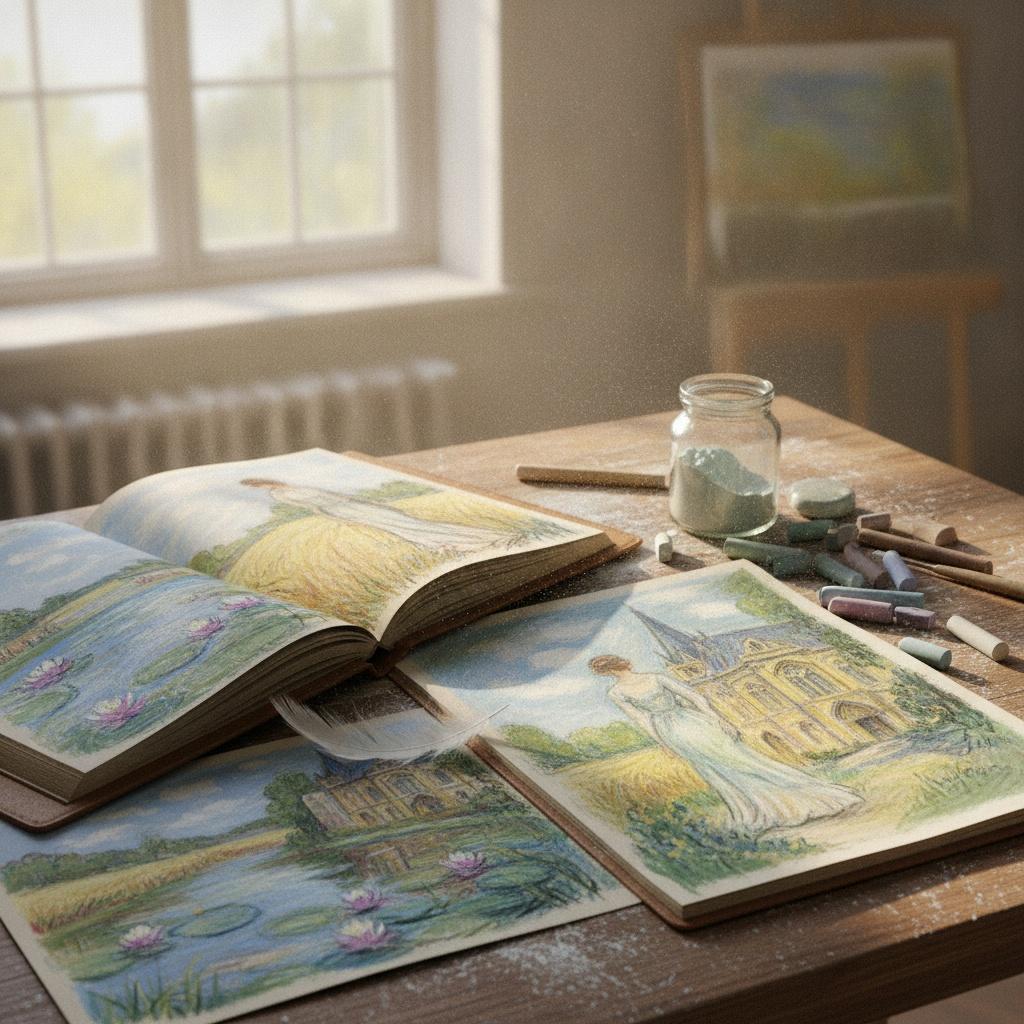
The Soft Magic of Chalk: Capturing Light, Texture, and the Ethereal Soul of Impressionist Masterpieces
Discover the ethereal beauty of pastel and chalk art. Explore how Impressionist masters like Van Gogh and Degas captured light and texture to create timeless, soulful masterpieces for the discerning collector.
테마, 스타일, 특징별로 큐레이션된 작품들을 만나보세요.


