


 실제 크기로 보기
 보내기
보내기 공유하기
공유하기
 상세 보기
상세 보기 가이드 보기

 이미지 다운로드
 유사 작품 더 보기
 X-레이
X-레이 슬라이드 쇼 보기
 통계 정보
통계 정보Winter Landscape


 상세 보기
상세 보기
핸드메이드 유화 복제화
작가가 직접 캔버스에 손으로 그린 유화 작품으로, 원하는 크기와 액자로 맞춤 제작해 드립니다. ( 프린트 판매로 전환 디지털 이미지 판매 채널로 전환)




P118B ₩10

P118H ₩10

P118W ₩10

P438Z ₩10

P508JH ₩12

P508YH ₩12

P805H ₩10

P805Z ₩10

P919BZ ₩10

P919G ₩10

P919XJ ₩10

P959ZH ₩10

P968JZ ₩12

W106C ₩8

W218G ₩10

W218JH ₩8

W218Y ₩10

W307PJ ₩10

W316G ₩10

W316PJ ₩8

W316Y ₩10

W398PJ ₩8

W4111J ₩10

W500HY ₩15

W500JH ₩15

W692G ₩12

W849H ₩8

W940BG ₩15

W953PJ ₩8




표준 규격
맞춤 제작
CM
INCH
작품의 원본 비율을 그대로 유지하는 프리셋 사이즈 중에서 선택해 보세요.
Loading sizes...

가로 너비
높이
액자나 벽면 크기에 맞춰 필요한 가로와 세로 길이를 입력해 주세요. 본 작품은 수작업으로 제작되므로, 요청하신 비율에 따라 작가가 그림의 가장자리를 조금 더 넓게 그리거나 일부를 조정하여 작업할 수 있습니다. 작업 시작 전, 최종 확인을 위해 디지털 목업 이미지를 보내드립니다. 이 페이지에 표시된 이미지는 실제 결과물과 다를 수 있으며, 오직 목업 이미지만이 정확한 결과물을 보여줍니다.
변경 가능한 예시: 얼굴을 고객님의 사진으로 교체, 반려동물 추가(예: 고양이를 강아지로 변경), 배경에 숨겨진 메시지 삽입, 배경 풍경 또는 요소 변경 등
주문 완료 후 TopImpressionists.com 팀에서 상세 안내를 위해 고객님께 이메일을 보내드리며, 미리보기 시안을 함께 제공해 드립니다.
주문 완료 후 TopImpressionists.com 팀에서 상세 안내를 위해 고객님께 이메일을 보내드리며, 미리보기 시안을 함께 제공해 드립니다.


 유리 옵션은 110cm 미만 크기에서만 선택 가능합니다.

Winter Landscape
재현 매체
복제본 규격
-


총 결제 금액
₩ 368155
Winter Landscape with Skaters
Giuseppe De Nittis’ “Winter Landscape,” painted circa 1880, stands as a testament to the enduring fascination of Impressionism with capturing fleeting moments of natural beauty and conveying profound emotional resonance. This artwork embodies the spirit of its time—a period marked by significant artistic experimentation and a desire to move beyond academic conventions toward a more subjective representation of experience.
Subject Matter & Composition: The scene depicts a serene winter landscape dominated by snow-covered terrain, punctuated by buildings and a prominent train track receding into the distance. A solitary figure walks along a snowy field towards the right side of the frame, creating a focal point that draws the viewer’s eye and invites contemplation. De Nittis skillfully employs horizontal lines—evident in the wall and the train tracks—to establish a sense of stillness and stability, while organic shapes—the undulating snowdrifts and textured trees—introduce dynamism and visual interest.
Style & Technique: “Winter Landscape” exemplifies Impressionistic tendencies through its loose brushwork and emphasis on atmospheric perspective. De Nittis eschews meticulous detail in favor of capturing the overall mood and sensation of the winter day, prioritizing color and texture over precise representation. The painting utilizes oil paint on canvas—a medium known for its ability to achieve rich hues and luminous effects—and employs layering techniques to build up depth and create a palpable sense of surface materiality.
Color Palette & Lighting: The artwork’s palette is muted yet harmonious, dominated by whites, grays, browns, and subtle oranges/reds. Snow covers much of the landscape, establishing a predominantly white and gray tonal scheme that reflects the subdued light conditions characteristic of winter mornings. Warm hues—found in the buildings—provide visual contrast against the cool tones of the snow and trees, enhancing the painting’s expressive power.
Symbolic Significance & Emotional Impact: Beyond its aesthetic qualities, “Winter Landscape” carries symbolic weight, evoking feelings of solitude, contemplation, and perhaps even melancholy. The lone figure traversing the snowy field serves as a poignant reminder of human vulnerability against the vastness of nature—a motif that resonates deeply with viewers seeking solace or inspiration.
Historical Context: De Nittis’ work aligns itself with the broader artistic currents of the late 19th century, particularly the influence of Impressionism. Artists like Monet and Renoir were actively exploring new ways to depict light and color—challenging traditional academic standards—and prioritizing emotional expression over idealized realism. “Winter Landscape” embodies this spirit of innovation, securing its place as a cornerstone of Italian Impressionist art.
Further Research: For more detailed information on Giuseppe De Nittis and his artistic legacy, consult Wikipedia (https://en.wikipedia.org/wiki/Giuseppe_De_Nittis) and explore reproductions of “Winter Landscape” at the Tokyo National Museum (/media/artworks/images/thumbnails/5e/e5/5ee5f2e533434462a492d5e13cde511f.jpg).
질의응답
주문하기 전에 주세페 데 니티스의 "Winter Landscape"를 미리 볼 수 있나요?
주세페 데 니티스의 "Winter Landscape"의 복제본을 미리 보려면 작품의 미리보기 페이지를 열어주세요.
주세페 데 니티스의 "Winter Landscape"에는 어떤 기법이 사용되었나요?
주세페 데 니티스의 "Winter Landscape"의 재료는 Oil On Canvas입니다. 복제화는 이 기법의 질감을 그대로 구현하는 것을 목표로 합니다.
주세페 데 니티스의 "Winter Landscape"의 프린트를 어디에서 구매할 수 있나요?
주세페 데 니티스의 "Winter Landscape"의 프린트를 구매하시려면, 해당 작품의 파인 아트 프린트 페이지에서 간단히 주문하실 수 있습니다: 코튼 캔버스 또는 아카이브용 캔버스지에 인쇄된 파인 아트 프린트.
작가 소개
주세페 데 니티스의 빛나는 유산
주세페 데 니티스는 19세기 미술이라는 거대한 태피스트리 속에서 중추적인 역할을 담당하는 인물입니다. 그의 붓끝에는 아카데믹 살롱 회화의 형식적 우아함과 인상주의의 찰나적이고 생동감 넘치는 즉흥성을 연결하는 보기 드문 능력이 깃들어 있었습니다. 1846년 2월 25일 이탈리아의 해안 도시 바르레타에서 태어난 데 니티스는 문화적 풍요가 피어나던 환경 속에서 성장했습니다. 그의 초기 예술적 여정은 조반니 바티스타 칼로의 엄격한 가르침 아래 형성되었으나, 그의 영혼은 전통주의의 틀에 갇히기에는 너무나도 자유분방했습니다. 불순종으로 인해 나폴리 벨 아르테 연구소에서 퇴학당했던 논란의 순간은 그에게 종말이 아닌, 변화를 이끄는 촉매제가 되었습니다. 권위와의 이러한 초기 갈등은 빛과 대기의 경계를 탐구하려는 평생의 의지에 불을 지폈고, 그를 당대의 혁명적인 흐에는로 이끌었습니다.
파리의 거리를 정복하기 전, 데 니티스는 마키아이올리 운동에 깊이 몰입해 있었습니다. 이 이탈리아 혁신가 그룹은 세밀하고 사진 같은 묘사를 거부하고, 대신 대담하고 표현력이 풍부한 색채와 빛의 얼룩을 추구했습니다. 텔레마코 시뇨리니와 세라피노 데 티볼리와 같은 거장들과의 교류를 통해, 그는 단순한 해부학적 정확성보다 장면이 지닌 정서적 무게를 우선시하는 기법을 연마했습니다. 피렌체 전시회에 참여하며 쌓은 명성은 이탈리아 아방가르드 내에서 그의 입지를 굳건히 했으며, 이는 훗날 그가 프랑스의 복잡한 사회적, 예술적 위계 속에서도 유례없는 우아함으로 나아갈 수 있는 양식적 용기의 토대가 되었습니다.
파리에서의 오디세이: 빛, 삶, 그리고 인상주의 서클
1867년, 데 니듬은 자신의 운명을 재정의할 여정을 시작하며 파리로 이주했습니다. 이 움직임은 직업적인 승리이자 전략적인 신의 한 수였습니다. 영향력 있는 미술상 아돌프 구필과 계약을 체결함으로써 그는 세계에서 가장 정교한 예술 시장에 접근할 수 있게 되었습니다. 프랑스 수도의 북적이는 대로를 누비며 데 니티스는 단순히 현대 삶의 관찰자를 넘어, 그 시대의 기록자가 되었습니다. 그의 작품은 경제적으로 급성장하던 도시의 리드미컬한 맥박을 포착하기 시작했으며, 플레네르(plein air) 기법을 활용하여 비에 젖은 거리와 파리 사교계의 세련된 우아함을 기록해 나갔습니다.
예술가의 사회적, 직업적 궤적은 그를 인상주의 거장들과 밀접하게 연결해주었습니다. 에드가 드가 및 에두아르 마네와의 우정은 단순한 친분을 넘어 구도와 주제에 영향을 미치는 깊은 공생 관계였습니다. 살롱 데뷔를 통해 기술적 숙련도로 널리 찬사를 받았지만, 그를 진정으로 차별화시킨 것은 도시의 장면에 대기적인 움직임을 불어넣는 능력이었습니다. 피라미드 광장의 짜릿한 에너지부터 포실리포에서의 점심이 보여주는 햇살 가득한 여유에 이르기까지, 데 니티스는 젖은 보도 위에서 빛이 춤추는 방식이나 인파가 몰린 정원에 그림자가 길게 늘어지는 모습과 같은 찰나의 순간을 포착하는 놀라운 재능을 지니고 있었습니다.
대기의 숙련된 통제와 영원한 의미
데 니티스의 작품 세계는 예술가의 깊은 다재다능함을 보여줍니다. 그는 고향의 극적이고 화산적인 웅장함을 그릴 때만큼이나 프랑스 경마장의 상류사회적 화려함을 포착하는 데에도 능숙했습니다. 그의 베수비오 산의 12가지 연구는 자연의 가공되지 않은 힘을 불러일으키기 위해 색채와 빛을 조절하는 그의 능력을 보여주는 숨 막히는 증거로 남아 있으며, 롱샴 경마장에 대한 묘사는 움직임과 사회적 장관을 다루는 그의 숙련도를 잘 보여줍니다. 유화와 섬세한 파스텔을 모두 사용함으로써, 그는 폭풍의 무거운 대기부터 일몰의 부드럽고 덧없는 빛까지 모든 것을 구현할 수 있는 광범란한 질감을 탐구했습니다.
비록 1884년, 그의 삶은 비극적으로 짧게 끝났지만 주세페 데 니티스의 역사적 가치는 결코 퇴색되지 않았습니다. 그는 이탈리아 풍경화의 혁명적인 정신을 프랑스 인상주의의 세련된 언어로 번역해낸 중요한 문화적 가교 역할을 수행했습니다. 그의 작품은 우아함과 변혁이 공존했던 사라진 시대를 향한 창 역할을 하며, 진정한 예술성이란 찰나 속에서 영원을 발견하는 능력에 있음을 우리에게 상기시켜 줍니다. 오늘날 그의 유산은 빛을 쫓으며 보낸 한 삶의 증거로서 계속해서 영감을 주고 있습니다.

주세페 데 니티스
1846 - 1884 , 이탈리아
작가 정보 요약
- Artistic Movement Or Style: 살롱 미술 & 인상주의
- Artists Or Movements Influenced By This Artist: ['인상주의']
- Artists Who Influenced This Artist: ['텔레마코 시뇨리니']
- Date Of Birth: 1846년 2월 25일
- Date Of Death: 1884년 8월 21일
- Full Name: 주세페 데 니티스
- Nationality: 이탈리아
- Notable Artworks (List Of Titles):
- 오퇴유 경마
- 정원에서 아침 식사
- Place Of Birth (City And Country): 이탈리아 바를레타
관련 기사

The Beauty of Impermanence: Capturing Decay through Impressionist Eyes
Explore the profound beauty of impermanence through Impressionist and Post-Impressionist eyes. Discover how masters like Monet and Van Gogh captured fleeting light and the poetic essence of nature's transitions in our deep dive into art history and emotional landscapes.

Capturing the Soul: The Most Emotionally Moving Impressionist and Post-Impressionist Masterpieces
Discover the profound emotional depth of Impressionist and Post-Impressionist masterpieces. Explore how legends like Monet, Van Gogh, and Gauguin captured light and soul through evocative landscapes and vibrant brushwork for a timeless connection to art history.

The Timeless Charm of Oil on Board: Reimagining Texture and Light through the Impressionist Lens
Discover the profound intimacy of oil on panel. Explore how Impressionist masters used rigid supports to capture light, texture, and impasto depth through exquisite, handmade oil reproductions for discerning collectors.

Beyond the Light: Capturing Raw Emotion and Subjective Vision in Post-Impressionist Landscapes
Explore the profound emotional depth of Post-Impressionist landscapes. Discover how masters like Van Gogh moved beyond light to capture raw human feeling through vibrant color and expressive texture in this expert art history retrospective.
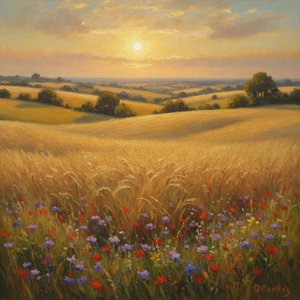
Golden Fields & Sun-Drenched Meadows: Capturing the Soul of Impressionist Landscapes
Immerse yourself in the luminous world of Impressionist landscapes. Discover how masters like Monet and Gauguin captured ephemeral light through plein air painting, and learn to bring the soul of sun-drenched meadows into your home with exquisite, hand-painted oil reproductions.