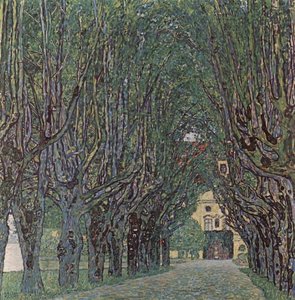
GraphiteArt Nouveau
 1913Modern
 37.0 x 56.0 cm
 알베르티나 박물관
빠른 제작과 다양한 마감 옵션을 제공하는 박물관 품질의 지클레이 또는 캔버스 프린트. ( 손으로 그린 그림 구매 이미지 구매)





























작품의 원본 비율을 유지하는 미리 설정된 크기 중에서 선택하세요.

특정 프레임이나 공간에 맞춰 직접 치수를 입력하실 수 있습니다. 선택하신 사이즈가 원본 이미지의 비율과 일치하지 않을 경우, 작품을 크롭(자르기)하거나 이미지를 대칭 또는 단색 채우기로 확장하여 제작합니다. 제작 시작 전, 최종 확인을 위해 디지털 목업이 전송됩니다.
화면상의 미리보기는 실제 크롭이나 확장 상태를 반영하지 않으므로, 최종 구도는 오직 목업을 통해서만 정확하게 확인하실 수 있습니다.
맞춤 사이즈 제작도 가능하지만, 원본 비율을 유지하기 위해서는 사전 정의된 목록에서 치수를 선택하시는 것을 권장합니다.

Reclining Nude
복제본 크기
In the quiet intersection of human vulnerability and decorative splendor lies Gustav Klimt’s "Reclining Nude." Created around 1912–1913, this masterpiece serves as a profound window into the soul of the Austrian Secession movement. At first glance, the viewer is met with a scene of profound stillness; a woman rests in a state of serene repose, her form captured in a moment of effortless grace. Yet, beneath this surface of tranquility lies a complex tapestry of emotion and artistry. The subject, draped in a way that suggests both intimacy and distance, invites the observer into a private sanctuary of thought and sensation. It is not merely a study of the female form, but an exploration of the boundary between the physical world and the spiritual realm.
The technique employed by Klimt in this work reflects his revolutionary departure from the rigid constraints of academic realism. Moving away from the heavy, literal depictions favored by the old guard, Klimt embraced a style that prioritized decorative abstraction and tactile richness. Through the masterful use of graphite and subtle color accents, he creates a sense of depth that feels both flat and infinitely layered. The way light seems to graze the curves of the figure suggests a luminous quality, reminiscent of the Byzantine mosaics that so deeply moved him. This interplay of delicate line work and textured suggestion allows the artwork to breathe, making it a centerpiece that commands attention through subtlety rather than sheer force.
To understand "Reclining Nude," one must understand the rebellious spirit of the Vienna Secession. As a founding member of this avant-garde group, Klimt sought to liberate art from the suffocating traditions of the Austro-Hungarian Empire. This piece embodies that liberation, utilizing organic shapes and flowing lines to evoke the primal rhythms of nature and instinct. The reclining figure becomes a symbol of the subconscious—a space where the boundaries of the self dissolve into the surrounding atmosphere. There is an inherent tension in the work between the tangible weight of the body and the ephemeral, dreamlike quality of the composition, mirroring the era's fascination with psychoanalysis and the hidden depths of the human psyche.
For the discerning collector or interior designer, this artwork offers more than just aesthetic beauty; it provides a narrative anchor for a sophisticated space. The piece possesses a unique ability to harmonize with diverse environments, from the minimalist elegance of a modern gallery-style loft to the opulent textures of a classical study. Its muted yet rich palette and commanding presence make it an ideal choice for those looking to infuse their interiors with a sense of historical depth and emotional resonance. Owning a high-quality reproduction of this work is an invitation to live alongside a piece of history—a constant reminder of the enduring power of beauty, introspection, and the transformative strength of the artistic spirit.

1862 - 1918 , 오스트리아

Discover the enchanting world of Art Nouveau. Explore the organic beauty, flowing lines, and Belle Époque elegance that defined an era of unparalleled craftsmanship and natural inspiration.


최신 미술 뉴스, 특별 혜택 및 인테리어 아이디어를 가장 먼저 만나보세요.
프로젝트에 대해 알려주시면 저희 미술 전문가들이 맞춤형 아트 제안 3가지를 전달해 드립니다.
당신만을 위한 맞춤형 옵션 3가지를 무료로 추천해 드립니다!


 미리보기
미리보기
 공유하기
공유하기 공유하기
공유하기
 상세 정보
상세 정보

 다운로드
다운로드
 유사 작품
유사 작품 X-레이
X-레이 슬라이드 쇼
 더 보기
더 보기









 유리 옵션은 110cm 미만 크기에서만 선택 가능합니다.