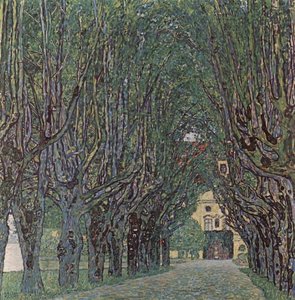
빠른 제작과 다양한 마감 옵션을 제공하는 박물관 품질의 지클레이 또는 캔버스 프린트. ( 수제 페인팅으로 전환하기 이미지로 전환)





























작품의 원본 비율을 유지하는 미리 설정된 크기 중에서 선택하세요.

특정 프레임이나 공간에 맞춰 직접 치수를 입력하실 수 있습니다. 선택하신 사이즈가 원본 이미지의 비율과 일치하지 않을 경우, 작품을 크롭(자르기)하거나 이미지를 대칭 또는 단색 채우기로 확장하여 제작합니다. 제작 시작 전, 최종 확인을 위해 디지털 목업이 전송됩니다.
화면상의 미리보기는 실제 크롭이나 확장 상태를 반영하지 않으므로, 최종 구도는 오직 목업을 통해서만 정확하게 확인하실 수 있습니다.
맞춤 사이즈 제작도 가능하지만, 원본 비율을 유지하기 위해서는 사전 정의된 목록에서 치수를 선택하시는 것을 권장합니다.

untitled (7103)
복제본 크기
Within the captivating realm of Gustav Klimt's oeuvre lies an untitled portrait – designated “7103” – that whispers with the delicate allure of a dream. This is not a work shouting for attention, but rather one drawing you into its embrace through a haze of muted blues and browns, a testament to Klimt’s mastery of atmosphere and emotional resonance. The painting centers on a woman, her figure occupying most of the canvas, creating an intimate connection with the viewer. She isn't presented as a distant icon, but as someone almost within reach, caught in a moment of quiet contemplation.
Though lacking the overt gold leaf that defines much of Klimt’s celebrated “golden phase,” this portrait is undeniably steeped in the spirit of Art Nouveau. The flowing lines, though implied rather than sharply defined, evoke a sense of organic grace, mirroring the natural world and its inherent beauty. Klimt's influence from Japanese art is subtly present in the flattened perspective and decorative sensibility. He wasn’t merely replicating styles; he was synthesizing them into something uniquely his own – a visual language that spoke to the anxieties and desires of fin-de-siècle Vienna. The woman’s dress, a soft shade of blue, contributes to this ethereal quality, suggesting fragility and perhaps a touch of melancholy. It's a color often associated with introspection and the intangible realm of emotions.
The technical brilliance of “untitled (7103)” lies in Klimt’s meticulous layering of thin glazes of oil paint. This painstaking process builds up color and texture gradually, creating a surface that seems to shimmer with an inner light. The brushwork is loose and expressive, prioritizing mood over precise representation. Details are softly rendered, allowing the viewer's eye to wander and complete the image, fostering a sense of personal connection. There’s a deliberate lack of strong shadows, which further enhances the hazy atmosphere, enveloping the subject in an almost dreamlike state. This isn’t about capturing photographic realism; it’s about conveying a feeling, an impression – a fleeting moment suspended in time.
The symbolism within this portrait is subtle yet profound. The woman's direct, yet slightly distant gaze invites contemplation, prompting us to wonder about her inner world. Is she lost in thought? Is she aware of our presence? Klimt often explored themes of femininity, desire, and mortality in his work, and these undercurrents are present here as well. While the painting doesn’t offer definitive answers, it encourages a dialogue between the artwork and the viewer. The overall effect is one of quiet elegance and understated power – a testament to Klimt's ability to capture not just a likeness, but the very essence of human emotion.

1862 - 1918 , 오스트리아
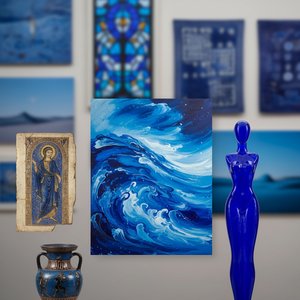
Explore the rich history of blue in art! Discover its symbolism, from ancient pigments to modern masterpieces by Kandinsky & Seurat. Uncover the psychological impact and cultural meanings behind this captivating hue.

Explore the rich history of the blue dress in Western art! Discover its symbolism, from Renaissance masterpieces to modern interpretations by artists like Martin & Schiele. Uncover cultural meanings and artistic techniques.

Explore the rich symbolism of the red dress in art history! From ancient power displays to iconic portraits like Cézanne’s 'Madame Cezanne', discover the cultural and artistic significance behind this captivating color. Expert analysis & insights.

Explore 10 revolutionary Cubist portraits by Picasso, Braque & more! Discover the stories behind these iconic paintings and how they shaped modern art. Find museum-quality reproductions to elevate your home decor on TopImpressionists.com.

Explore the captivating world of Raphael Kirchner, a master of Art Nouveau illustration during the Belle Époque. Discover his iconic 'Kirchner Girls,' pioneering pin-up art & lasting influence.


최신 미술 뉴스, 특별 혜택 및 인테리어 아이디어를 가장 먼저 만나보세요.
프로젝트에 대해 알려주시면 저희 미술 전문가들이 맞춤형 아트 제안 3가지를 전달해 드립니다.
당신만을 위한 맞춤형 옵션 3가지를 무료로 추천해 드립니다!


 미리보기
미리보기
 공유하기
공유하기 공유하기
공유하기
 상세 정보
상세 정보

 다운로드
다운로드
 유사 작품
유사 작품 X-레이
X-레이 슬라이드 쇼
 더 보기
더 보기









 유리 옵션은 110cm 미만 크기에서만 선택 가능합니다.