작품의 원본 비율을 유지하는 미리 설정된 크기 중에서 선택하세요.

특정 프레임이나 공간에 맞도록 직접 크기를 입력할 수 있습니다. 선택하신 크기가 원본 이미지의 비율과 일치하지 않는 경우, 작품을 자르거나 추가적인 손으로 그린 요소를 사용하여 그림을 확장합니다. 제작 시작 전 승인을 위해 디지털 목업을 보내드립니다.
화면 미리 보기는 실제 자르기 또는 확장을 반영하지 않습니다. 최종 구성은 목업을 통해서만 정확하게 확인하실 수 있습니다.
맞춤 크기 제작도 가능하지만, 원본 비율을 유지하기 위해 사전 정의된 목록에서 크기를 선택하시는 것을 권장합니다.

untitled (8563)
복제본 크기
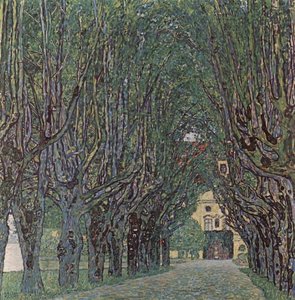
Gustav Klimt’s untitled work (8563) is a captivating exploration of the human form intertwined with the lush beauty of nature, a hallmark of his distinctive style. The painting presents three nude figures engaged in an intimate embrace, their bodies flowing together in a composition that feels both sensual and serene. It's a piece brimming with the energy of life and connection, rendered with Klimt’s signature decorative flair. While lacking specific documentation regarding its precise creation date or original context, this work resonates deeply within the broader trajectory of Klimt’s artistic development, particularly his exploration of eroticism and the female form.
To understand this painting, one must consider the vibrant artistic climate of fin-de-siècle Vienna. Klimt was a leading figure in the Vienna Secession movement, a group of artists who rebelled against the conservative academic traditions of the time. They sought to create a Gesamtkunstwerk – a “total work of art” – that integrated painting, sculpture, and decorative arts. This ambition is clearly visible in the intricate detailing and ornamental quality of this untitled piece. The influence of Symbolism is also paramount; Klimt wasn’t merely interested in depicting physical reality but rather in evoking emotions, ideas, and psychological states through suggestive imagery. The intertwining figures aren't simply nude bodies, they are vessels of feeling, their closeness hinting at themes of love, desire, and the complexities of human relationships.
Klimt’s technique in this work is masterful. He employs a rich palette of colors, blending them seamlessly to create a luminous effect. The figures are not rendered with strict anatomical precision but rather with flowing lines and graceful curves that emphasize their sensuality. Scattered throughout the composition are delicate floral motifs – another characteristic element of Klimt’s style. These flowers aren't merely decorative additions; they symbolize fertility, growth, and the ephemeral nature of beauty. The artist’s use of gold tones, though perhaps less prominent than in his more famous “Golden Phase” works like *The Kiss*, still lends a sense of opulence and otherworldliness to the scene. The overall effect is one of harmonious balance between form and ornamentation, creating a visually stunning and emotionally resonant experience.
Though its specific narrative remains open to interpretation, Klimt’s untitled work invites viewers to contemplate the beauty of the human body, the power of intimacy, and the enduring allure of nature. It stands as a testament to his artistic genius and his ability to capture the spirit of an era defined by both innovation and introspection. For those seeking to bring a touch of Viennese Secession elegance into their homes or collections, a high-quality reproduction of this painting offers not just aesthetic pleasure but also a connection to a pivotal moment in art history – a moment where tradition was challenged, sensuality celebrated, and the boundaries of artistic expression were boldly redefined.

1862 - 1918 , 오스트리아

Explore the profound impact of the Vienna Secession. Discover how Gustav Klimt and the masters of Viennese Modernism revolutionized art through symbolism, gold-leafed beauty, and the concept of Gesamtkunstwerk. A deep dive into a golden era of aesthetic rebellion.

Discover the enchanting world of Art Nouveau. Explore the organic beauty, flowing lines, and Belle Époque elegance that defined an era of unparalleled craftsmanship and natural inspiration.


최신 미술 뉴스, 특별 혜택 및 인테리어 아이디어를 가장 먼저 만나보세요.
프로젝트에 대해 알려주시면 저희 미술 전문가들이 맞춤형 아트 제안 3가지를 전달해 드립니다.
당신만을 위한 맞춤형 옵션 3가지를 무료로 추천해 드립니다!


 미리보기
미리보기
 프린트 구매
 공유하기
공유하기 공유하기
공유하기
 상세 정보
상세 정보

 다운로드
다운로드
 유사 작품
유사 작품 X-레이
X-레이 슬라이드 쇼
 더 보기
더 보기









 유리 옵션은 110cm 미만 크기에서만 선택 가능합니다.