

 실제 크기로 보기
 보내기
보내기 공유하기
공유하기
 상세 보기
상세 보기 가이드 보기

 이미지 다운로드
 유사 작품 더 보기
 X-레이
X-레이 슬라이드 쇼 보기
 통계 정보
통계 정보Virgin, The


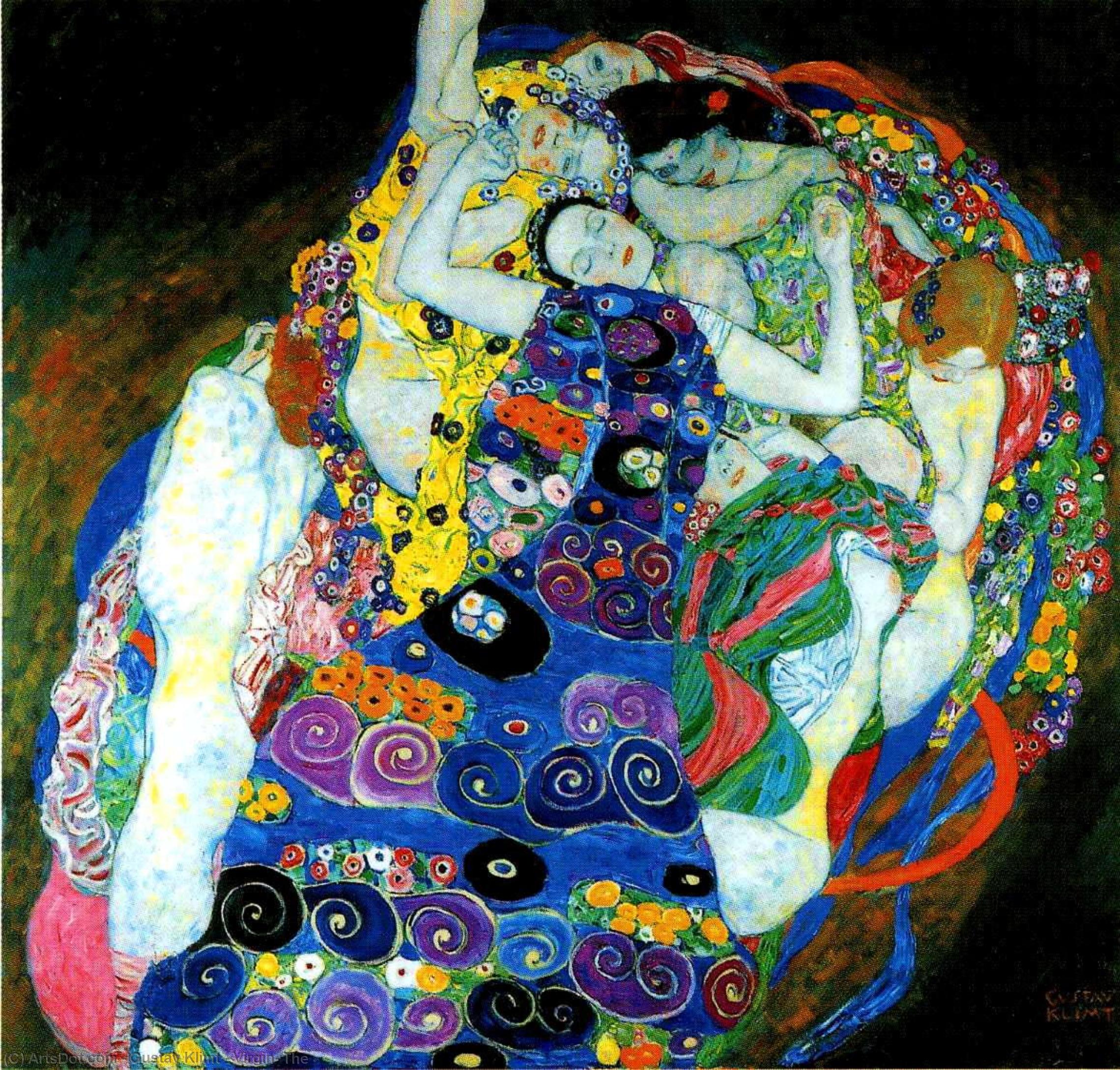
Explore Gustav Klimt’s ‘The Virgin,’ a mesmerizing 1913 oil painting showcasing Art Nouveau symbolism & rich colors. Discover its intricate patterns, nude figures, and historical significance.
 상세 보기
상세 보기
고스트 아르누보의 거장 구스타프 클림트! 《키스》와 관능적인 초상화로 유명하며, 금박을 활용한 화려하고 상징적인 작품 세계를 만나보세요. 빈 세세션 운동의 선구자로서 오스트리아 미술사에 큰 족적을 남겼습니다.
핸드메이드 유화 복제화
작가가 직접 캔버스에 손으로 그린 유화 작품으로, 원하는 크기와 액자로 맞춤 제작해 드립니다. ( 프린트 판매로 전환 디지털 이미지 판매 채널로 전환)




P118B ₩10

P118H ₩10

P118W ₩10

P438Z ₩10

P508JH ₩12

P508YH ₩12

P805H ₩10

P805Z ₩10

P919BZ ₩10

P919G ₩10

P919XJ ₩10

P959ZH ₩10

P968JZ ₩12

W106C ₩8

W218G ₩10

W218JH ₩8

W218Y ₩10

W307PJ ₩10

W316G ₩10

W316PJ ₩8

W316Y ₩10

W398PJ ₩8

W4111J ₩10

W500HY ₩15

W500JH ₩15

W692G ₩12

W849H ₩8

W940BG ₩15

W953PJ ₩8




표준 규격
맞춤 제작
CM
INCH
작품의 원본 비율을 그대로 유지하는 프리셋 사이즈 중에서 선택해 보세요.
Loading sizes...

가로 너비
높이
특정 프레임이나 공간에 맞춰 원하는 크기를 직접 입력하실 수 있습니다. 선택하신 크기가 원본 이미지의 비율과 일치하지 않을 경우, 작품을 자르거나 추가적인 수작업 요소를 더해 그림을 확장하여 제작합니다. 제작 시작 전, 최종 확인을 위해 디지털 목업을 보내드립니다.
화면상의 미리 보기는 실제 크롭(자르기)이나 확장된 상태를 완벽히 반영하지 않을 수 있습니다. 최종 구도는 오직 목업을 통해서만 정확하게 확인하실 수 있습니다.
맞춤 크기 제작도 가능하지만, 원본의 비율을 그대로 유지하기 위해서는 미리 정의된 목록에서 크기를 선택하시는 것을 권장합니다.
변경 가능한 예시: 얼굴을 고객님의 사진으로 교체, 반려동물 추가(예: 고양이를 강아지로 변경), 배경에 숨겨진 메시지 삽입, 배경 풍경 또는 요소 변경 등
주문 완료 후 TopImpressionists.com 팀에서 상세 안내를 위해 고객님께 이메일을 보내드리며, 미리보기 시안을 함께 제공해 드립니다.
주문 완료 후 TopImpressionists.com 팀에서 상세 안내를 위해 고객님께 이메일을 보내드리며, 미리보기 시안을 함께 제공해 드립니다.


 유리 옵션은 110cm 미만 크기에서만 선택 가능합니다.

Virgin, The
재현 매체
복제본 규격
-


총 결제 금액
₩ 429282
A Symphony of Femininity: Decoding Klimt’s ‘The Virgin’
Gustav Klimt's 1913 masterpiece, *The Virgin*, is far from a traditional depiction of motherhood or religious iconography. Instead, it presents an intimate and enigmatic scene – three intertwined female figures enveloped in a swirling embrace of color and pattern. This oil on canvas transcends mere portraiture; it’s a profound exploration of femininity, sensuality, and the cyclical nature of life itself.Composition & Visual Language
The painting immediately draws the eye into its circular composition, creating a sense of enclosure and intimacy. The women are not presented as distinct individuals but rather as facets of a unified whole, their bodies merging seamlessly with the decorative background. Klimt’s signature style is on full display: richly patterned surfaces, flattened perspective, and an opulent use of color. Shades of purple, pink, yellow, and green dominate, creating a visually arresting and emotionally resonant experience. A clock positioned above the figures subtly introduces the concept of time's passage, while a vase adds a touch of domesticity to this otherwise dreamlike setting. The overall effect is one of luxurious confinement and sensual awakening.Symbolism & Interpretation
The title, *The Virgin*, is deliberately provocative. It challenges conventional notions of purity and motherhood, suggesting instead a celebration of female sexuality and the power of collective feminine energy. The intertwined figures can be interpreted as representing different stages of womanhood – maiden, mother, and crone – or perhaps as embodying various aspects of a single complex personality. The floral motifs woven throughout the composition symbolize growth, fertility, and the blossoming of life. The circular form itself evokes images of the womb and the cyclical rhythms of nature.Klimt’s Artistic Style & Influences
*The Virgin* exemplifies Klimt's unique blend of Symbolism and Art Nouveau. He moved beyond realistic representation, employing decorative patterns and stylized forms to convey deeper emotional and psychological truths. The influence of Byzantine mosaics – particularly the shimmering gold backgrounds found in religious art – is evident in his use of rich color and surface ornamentation. He was a leading figure in the Vienna Secession movement, which rejected academic traditions in favor of innovative artistic expression. His work often explored themes of love, death, and the human condition with unflinching honesty and psychological depth.Historical Context & Klimt’s Legacy
Painted during a period of significant social and political upheaval, *The Virgin* reflects the changing attitudes towards sexuality and gender roles in early 20th-century Vienna. Klimt's work challenged societal norms and sparked controversy, but it also captivated audiences with its beauty and emotional power. He built upon the foundations laid by Romantic painters like Goya, Constable, and Turner who championed “art for art’s sake”. Klimt’s legacy continues to inspire artists and designers today, and his paintings remain highly sought after by collectors worldwide.Emotional Impact & Interior Design
*The Virgin* is a painting that invites contemplation and evokes a range of emotions – from sensuality and warmth to mystery and melancholy. Its rich colors and intricate patterns create a visually stimulating experience, while its enigmatic subject matter encourages viewers to project their own interpretations onto the work. As an interior design element, this artwork would lend itself well to spaces seeking a touch of bohemian luxury or artistic sophistication. It pairs beautifully with jewel-toned furnishings, organic textures, and ambient lighting, creating an atmosphere of intimate elegance. Its presence is sure to spark conversation and inspire creativity.Further Exploration
- Related Works: Explore Klimt’s *The Bride (unfinished)* for a similar exploration of intertwined figures and symbolic imagery. Also, consider his portrait of *Eugenia Primavesi* to see how he applied his stylistic elements to individual portraits.
- Artistic Movement: Delve deeper into the world of Symbolism and Art Nouveau to understand the broader artistic context in which Klimt worked.
- Museums & Collections: Visit museums housing Klimt’s works, such as the Belvedere in Vienna, to experience his art firsthand.
질의응답
클림트의 "Virgin, The"은(는) 몇 년도에 제작되었나요?
"Virgin, The"은(는) 1913년에 제작되었습니다. 이 시기는 클림트의 예술적 경력과 당시의 시대상을 잘 보여줍니다.
클림트의 "Virgin, The"은 어떤 분위기와 감정을 전달하나요?
"Virgin, The"에서는 신비로운 분위기와 함께 신비로운 감정이 느껴집니다.
클림트은(는) 몇 세에 "Virgin, The"을(를) 제작했을까요?
1913년에 "Virgin, The"이(가) 제작되었을 당시, 1862년에 태어난 클림트의 나이는 51세였습니다.
"Virgin, The"에서 대비와 조화는 어떻게 어우러지나요?
클림트의 "Virgin, The"의 색채 구성은 진술문한 대비와 불협화음의 색조한 조화를 동시에 보여줍니다.
클림트의 "Virgin, The"의 수작업 복제화를 어디에서 구매할 수 있나요?
클림트의 "Virgin, The"의 수작업 복제화는 현재 페이지에서 주문 제작 방식으로 직접 주문하실 수 있습니다: 리넨 캔버스 위에 손으로 직접 그린 유화 복제화
"Virgin, The"을(를) 전체 화면 슬라이드쇼로 감상할 수 있나요?
클림트의 "Virgin, The"은(는) 작품의 슬라이드쇼 페이지에서 슬라이드쇼로 감상하실 수 있습니다.
"Virgin, The"의 작가는 누구인가요?
"Virgin, The"은(는) 클림트의 작품입니다. 이 페이지의 정보는 클림트의 원작에 대해 설명합니다.
작가 소개
초창기와 예술적 시작
구스타프 클림트는 1862년 7월 14일 빈 근처 바움가르텐에서 태어났으며, 예술적 재능과 경제적 어려움을 동시에 가진 집안에서 성장했습니다. 그의 아버지 에른스트 클림트는 금 세공인이었는데, 이 직업은 젊은 구스타프의 미적 감수성에 미묘하면서도 깊이 있는 영향을 미쳤습니다. 금박의 매혹, 정교한 디테일, 그리고 웅장함은 클림트 예술 세계의 중요한 요소가 되었습니다. 가문의 어려움으로 인해 빈에서 여러 차례 이사를 다녔는데, 이러한 방랑 생활은 아마도 주변 환경에 대한 날카로운 관찰력과 인간 경험에 대한 섬세함을 키웠을 것입니다. 어린 시절부터 그의 그림 실력은 놀라울 정도로 뛰어나 아버지의 직업과 타고난 재능 덕분에 빠르게 드러났습니다. 1876년, 그는 빈 응용 미술학교(Kunstgewerbeschule)에 입학하여 페르디난트 라우프베르거에게 건축 회화 수업을 받으며 정식으로 예술 교육을 시작했습니다. 이는 그에게 견고한 기술적 기반을 제공했지만, 동시에 당시 유행하던 학파 스타일에도 노출시켰습니다. 이곳에서 그는 형 에른스트와 프란츠 폰 마츠치와 중요한 예술적 파트너십을 형성하여 초기 장식 벽화 및 천장 의뢰를 확보하며 미래의 성공을 위한 기반을 다졌습니다.빈 분리주의 운동의 부상
1890년대에 클림트는 빈의 보수적인 미술계에 점점 환멸을 느끼기 시작했습니다. 그는 더 큰 창작의 자유, 전통의 제약 없이 혁신이 번성할 수 있는 공간을 갈망했습니다. 이러한 열망은 1897년 오스트리아 미술사에서 중요한 순간인 빈 분리주의 운동 결성에 이르렀습니다. 클림트는 이 운동의 첫 번째 회장으로 선출되어 새로운 예술적 흐름, 즉 아르누보, 상징주의, 일본주의를 포용하려는 움직임의 대표가 되었습니다. 요제프 마리아 올브리히가 설계한 분리주의 전시관 건물은 이러한 반항을 상징하며, 현대 미술에 헌정된 신전이 되었습니다. 클림트의 작품은 분리주의 운동의 핵심이었으며, 기존 미학을 거부하고 장식적인 요소, 대담한 색상, 상징적 이미지를 포용하는 것을 구현했습니다. 그의 그림들은 사랑, 죽음, 성적인 주제를 전례 없이 솔직하게 탐구하며 사회 규범에 도전하고 찬사와 분노를 동시에 불러일으켰습니다.황금기 및 예술적 성숙
1900년경 클림트는 '황금기'로 알려진 시기를 맞이했는데, 이는 비잔틴 모자이크와 중세 필사본에서 영감을 얻은 금박의 호화로운 사용으로 특징지어집니다. 이 기술은 그의 그림을 빛나는 듯한 초현실적인 환상으로 변화시켜 영적 깊이와 감각적인 매력을 불어넣었습니다. 그의 가장 유명한 작품 중 하나인 *키스* (1907-1908)는 이 스타일을 완벽하게 보여주는데, 두 사람이 포옹하고 있으며 황금빛 후광에 싸여 있고 복잡한 패턴으로 장식된 몸체를 가지고 있습니다. 이 시기에는 또한 *아델레 블로흐 바우어 1세* (1907)를 포함하여 유명한 비엔나의 후원자들의 초상화를 연이어 제작하며 신체적 유사성뿐만 아니라 피사체의 심리적 복잡성을 포착하는 능력을 보여주었습니다. 그는 그림과 장식 사이의 경계를 점차 흐려 통합된 구성 요소를 통해 형태와 내용의 조화로운 융합을 만들어냈습니다. 일본 미술, 특히 일본주의의 영향은 그의 평면적인 관점, 선에 대한 강조, 장식적인 패턴 사용에서 분명하게 드러났습니다.논란, 영향 및 지속적인 유산
클림트의 경력은 논란이 없는 것은 아니었습니다. 1900년 그는 빈 대학교 대강당 천장 벽화를 그리는 권위 있는 의뢰를 받았는데, 철학, 법률, 신학을 나타냅니다. 그러나 이러한 작품, 특히 *철학*은 보수적인 비평가들로부터 외설적이라는 비난을 받아 공공의 반발을 불러일으켰고 결국 클림트가 더 이상 정부 의뢰를 거부하도록 만들었습니다. 이 사건은 그의 경력에 전환점을 가져왔으며 그를 더욱 사적인 후원자에게로 몰아넣어 더 큰 예술적 자유를 누리게 했습니다. 평생 동안 클림트는 한스 마카르의 역사화부터 비잔틴과 일본의 장식 미술까지 다양한 예술가와 스타일로부터 영향을 받았습니다. 그는 또한 상징주의 운동으로부터 영감을 얻어 신화, 우화 및 무의식의 주제를 탐구했습니다. 구스타프 클림트는 1918년 2월 6일 스페인 독감 팬데믹으로 인한 뇌졸중으로 사망할 때까지 다작 활동을 이어갔습니다. 그의 후기 작품은 더욱 추상적인 형태와 풍경을 탐구하며 지속적인 예술적 진화를 보여주었습니다. 그는 이제 오스트리아 미술사에서 가장 중요한 인물 중 한 명이자 빈 분리주의 운동의 선두 주자이며 아르누보 우아함의 지속적인 상징으로 인정받고 있습니다. 그의 그림들은 경매에서 높은 가격을 기록하며 그의 영향력은 오늘날 현대 미술과 디자인에 계속해서 울려 퍼지고 있습니다.주요 특징 및 예술적 스타일
- 상징주의: 클림트의 작품은 사랑, 죽음, 성욕, 인간 조건 등 다양한 주제를 탐구하는 깊은 상징성을 지니고 있습니다.
- 아르누보: 그는 유기적인 선, 장식적인 패턴 및 아름다움에 대한 강조로 특징지어지는 아르누보 운동의 주요 인물이었습니다.
- 황금기: 금박을 사용한 그의 방식은 빛나는 듯한 화려한 표면을 만들어 그의 대표적인 스타일이 되었습니다.
- 장식적 요소: 클림트는 그림과 장식을 융합하여 형태와 내용의 조화로운 융합을 만들었습니다.
- 여성형: 여성의 몸은 그의 작품에서 중심 주제였으며, 종종 관능과 심리적 깊이로 묘사되었습니다.

클림트
1862 - 1918 , 오스트리아
작가 정보 요약
- 국적: 오스트리아
- 대표 작품:
- 키스
- 아델레 블로흐-바우어 1세
- 수생
- 철학
- 사망일: 1918년 2월 6일
- 영향을 받은 예술가:
- 에곤 실레
- 표현주의
- 초현실주의
- 영향을 준 예술가:
- 한스 마카트
- 일본 미술
- 예술 사조: 상징주의, 아르누보
- 전체 이름: 구스타프 클림트
- 출생일: 1862년 7월 14일
- 출생지: 오스트리아, Baumgarten
관련 기사

The Elegance of Art Nouveau: Embracing Nature's Fluid Beauty and the Belle Époque Spirit
Discover the enchanting world of Art Nouveau. Explore the organic beauty, flowing lines, and Belle Époque elegance that defined an era of unparalleled craftsmanship and natural inspiration.

The Vienna Secession: A Golden Revolution of Symbolism and Modernity
Explore the profound impact of the Vienna Secession. Discover how Gustav Klimt and the masters of Viennese Modernism revolutionized art through symbolism, gold-leafed beauty, and the concept of Gesamtkunstwerk. A deep dive into a golden era of aesthetic rebellion.

Golden Light & Dutch Skies: The Timeless Magic of Dutch Golden Age Landscapes
Discover the breathtaking beauty of Dutch Golden Age landscapes. Explore the mastery of light, chiaroscuro, and 17th-century realism through an expert art history lens, celebrating the enduring legacy of the Dutch Masters for discerning collectors and art lovers.
테마, 스타일, 특징별로 큐레이션된 작품들을 만나보세요.


