


 실제 크기로 보기
 보내기
보내기 공유하기
공유하기
 상세 보기
상세 보기 가이드 보기

 이미지 다운로드
 유사 작품 더 보기
 X-레이
X-레이 슬라이드 쇼 보기
 Q&A
Q&A 통계 정보
통계 정보Chimères

 상세 보기
상세 보기
지클레 / 아트 프린트
빠른 제작과 다양한 마감 옵션을 선택할 수 있는 박물관 수준의 지클레이 및 캔버스 프린트. ( 수작업 채색 복제본 주문하기 디지털 이미지 판매 채널로 전환)




P118B ₩10

P118H ₩10

P118W ₩10

P438Z ₩10

P508JH ₩12

P508YH ₩12

P805H ₩10

P805Z ₩10

P919BZ ₩10

P919G ₩10

P919XJ ₩10

P959ZH ₩10

P968JZ ₩12

W106C ₩8

W218G ₩10

W218JH ₩8

W218Y ₩10

W307PJ ₩10

W316G ₩10

W316PJ ₩8

W316Y ₩10

W398PJ ₩8

W4111J ₩10

W500HY ₩15

W500JH ₩15

W692G ₩12

W849H ₩8

W940BG ₩15

W953PJ ₩8




표준 규격
맞춤 제작
CM
INCH
작품의 원본 비율을 그대로 유지하는 프리셋 사이즈 중에서 선택해 보세요.
Loading sizes...

가로 너비
높이
액자나 벽면 크기에 맞춰 필요한 가로와 세로 길이를 입력해 주세요. 프린트는 원본 이미지보다 크게 제작할 수 없으며 오직 자르는 것만 가능하므로, 비율이 다른 사이즈를 선택할 경우 이미지의 일부가 잘려 나갈 수 있습니다. 인쇄 작업에 들어가기 전, 최종 확인을 위해 디지털 목업을 보내드립니다. 이 페이지에 표시된 이미지는 실제 잘리는 영역을 나타내지 않으며, 오직 목업을 통해서만 정확한 확인이 가능합니다.


 유리 옵션은 110cm 미만 크기에서만 선택 가능합니다.

Chimères
지클레 / 아트 프린트
복제본 규격
-


총 결제 금액
₩ 93535
A Vision of Mythic Landscape: Gustave Moreau’s ‘La Chimère’
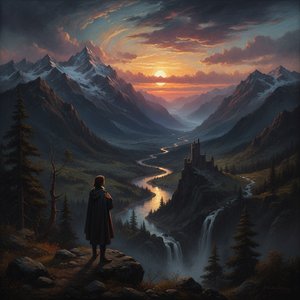
Gustave Moreau's “La Chimère” isn’t merely a depiction of a mountain vista; it’s an immersion into the subconscious, a testament to Symbolist art’s preoccupation with dreams and spiritual yearning. Painted around 1890, this oil on canvas masterpiece embodies the Romantic spirit—a dramatic confrontation between humanity and nature—albeit filtered through Moreau's intensely personal vision. Unlike Impressionists striving for optical accuracy, Moreau sought to convey emotion and psychological depth rather than visual realism. He achieved this remarkable feat by employing a technique characterized by thick impasto brushstrokes that lend texture and movement to the rocky stream and surrounding peaks.- Subject Matter: The painting portrays a solitary nude figure nestled within a rugged mountain landscape bathed in twilight hues. This enigmatic woman—a recurring motif in Moreau’s oeuvre—represents idealized beauty intertwined with vulnerability, symbolizing the feminine spirit confronting existential challenges.
- Style & Influence: Moreau's work firmly establishes itself within Symbolism, drawing heavily from Neo-Classical influences and echoing the aesthetics of Romantic painters like Caspar David Friedrich. The composition prioritizes atmosphere over precise detail, mirroring Friedrich’s masterful use of light to evoke profound emotion.
- Technique: Moreau’s meticulous brushwork—particularly evident in the depiction of the mountains—creates a palpable sense of depth and luminosity. The impasto technique—applying paint thickly onto the canvas—lifts ridges of pigment, capturing the ruggedness of the terrain and enhancing the painting's dramatic impact.
Symbolism Beyond Representation: Decoding Moreau’s Imagery
Moreau’s Symbolist approach transcends literal depiction; it operates on a level of psychological suggestion. The golden light filtering through the mountains isn’t simply illumination—it symbolizes hope, transcendence, and perhaps even divine grace. Simultaneously, the dark tones dominating the landscape evoke feelings of solitude, mystery, and contemplation – mirroring the artist's own introspective explorations. Recurring motifs like the chimera itself—a mythological creature combining disparate animal parts—represent the fusion of opposing forces within the human psyche and embody the struggle for spiritual wholeness.Historical Context & Artistic Legacy
“La Chimère” emerged during a period of artistic ferment in Paris, coinciding with the rise of Symbolism as a reaction against Naturalism’s obsession with scientific observation. Moreau's work aligns with broader intellectual currents exploring mythology, folklore, and psychoanalysis—fields that would gain prominence in subsequent decades. His influence extends far beyond his immediate contemporaries, inspiring artists across generations who continue to grapple with themes of beauty, darkness, and the elusive nature of consciousness.Emotional Resonance & Artistic Inspiration
Moreau’s “La Chimère” transcends its formal qualities to deliver a powerful emotional experience. The painting invites viewers into a realm of contemplation—a space where imagination reigns supreme and where the sublime grandeur of nature confronts the fragility of human existence. It serves as an enduring reminder that art can communicate truths beyond words, capturing the essence of feeling and conveying profound spiritual insight. Its ethereal beauty continues to captivate collectors and interior designers alike who seek pieces capable of sparking introspection and fostering a connection with the timeless mysteries of the human spirit.작가 소개
가우슈베르트 모로아: 신화와 상징으로 가득 찬 꿈의 화가
가우슈베르트 모로아는 19세기 프랑스 파리를 배경으로 등장한 독특한 예술가적 목소리였습니다. 그의 아버지는 건축가였고 아버지는 서기관이었으며 모로아는 어린 시절 지적인 호기심과 미학적 감각으로 가득 차 있었습니다. 그는 어릴 때부터 뛰어난 드로잉 재능을 보이며 전통적인 학문적 교육을 통해 프랑스 미술학교에서 프레드릭 에두아르드 피코트와 같은 인물들의 지도 아래 예술적 성장을 이루었습니다. 그러나 모로아는 당대 지배적인 사실주의 및 인상주의 흐름과는 달리 예술적 길을 벗어나 자신의 내면 탐구와 영적 갈망을 그림으로 표현하며 집착적인 디테일과 생생한 색상 팔레트를 사용했습니다. 그는 일시적인 순간이나 객관적인 현실을 포착하는 데 관심이 없었지만 신화, 종교 및 인간 심리를 깊은 개인적이고 상징적인 시각 언어로 해방하고자 했습니다. 그의 여정은 자기 인식으로 이어졌고 주관적인 감정과 영적 열망을 그림에 투영하여 기묘한 아름다움과 불안정한 빛과 그림자를 통해 분위기와 의미를 전달하는 데 중점을 두었습니다.신화와 종교의 심연 속으로 나아가는 상상력의 불꽃
모로아의 예술적 성장은 진공 상태에서 이루어진 것이 아니었습니다. 그는 당대 흐름에 반대했지만 다양한 원천으로부터 영감을 받았습니다. 에루주느 드라코의 극적인 색상 사용과 이국적인 주제는 그의 열정을 불러일으키며 감정적인 강렬함으로 가득 찬 서사적 그림을 선구했습니다. 또한 그는 미켈란젤로와 레오나르도 다 빈치와 같은 레네상스 거장들을 존경하며 구성 능력, 해부학 및 심리적 통찰력의 마스터리에 감탄했습니다. 그러나 모로아는 단순히 이 예술가들의 스타일을 모방한 것이 아니라 그들의 영향력을 합성하여 완전히 새로운 것을 창조했습니다. 그는 1850년대 이탈리아 여행은 고대와 레네상스 예술에 몰두시켜 미래 작품에 풍부한 모티브와 스타일적 단서를 제공했습니다. 그는 정밀하게 고전 회화들을 복사했는데 이는 기술을 흡수하고 비밀을 해독하기 위한 수단이었으며 그의 급성장하는 신화 및 문학에 대한 관심은 그의 독특한 예술적 비전을 형성했습니다. 이 장인 정신과 함께 레네상스 지식은 그의 예술적 비전의 기초를 놓았습니다.신화와 상징으로 가득 찬 세계
모로아의 그림은 단순히 신화 또는 성경 이야기를 재해석하는 것이 아니라 심오한 의미와 해석을 유도하는 복잡한 알레고리입니다. 그는 살로메, 오르페우스, 요베레스와 세멜라 등 수많은 이야기들을 문자 그대로 재현하기보다는 그들의 근본적인 심리학적 진실과 영적 진리를 탐구했습니다. 그의 패널은 상징 이미지로 가득 차 있으며 유혹, 보석은 지상의 욕망을 나타내고 공포는 손실과 구원을 상징합니다. 그는 기묘한 아름다움을 불러일으키는 복잡한 질감과 빛으로 이 효과를 높이는 데 중점을 두며 정교한 페인트 레이어를 사용하여 그림에 생생함을 불어넣었습니다. 그는 사실적인 질감이나 관점을 포착하는 데 관심이 없었지만 색상과 형태의 표현력을 통해 감정과 의미를 전달하는 데 우선순위를 두었습니다. 그는 이 예술가들의 스타일을 모방한 것이 아니라 그들의 영향력을 합성하여 완전히 새로운 것을 창조했습니다. 그의 여정은 자기 인식으로 이어졌고 주관적인 감정과 영적 열망을 그림으로 표현하며 기묘한 아름다움과 불안정한 빛과 그림자를 통해 분위기와 의미를 전달하는 데 중점을 두었습니다. 그는 이 장인 정신과 함께 레네상스 지식은 그의 예술적 비전의 기초를 놓았습니다.신화와 상징으로 가득 찬 세계
모로아는 당대 흐름에 반대했지만 다양한 원천으로부터 영감을 받았습니다. 에루주느 드라코의 극적인 색상 사용과 이국적인 주제는 그의 열정을 불러일으키며 감정적인 강렬함으로 가득 찬 서사적 그림을 선구했습니다. 또한 그는 미켈란젤로와 레오나르도 다 빈치와 같은 레네상스 거장들을 존경하며 구성 능력, 해부학 및 심리적 통찰력의 마스터리에 감탄했습니다. 그는 단순히 이 예술가들의 스타일을 모방한 것이 아니라 그들의 영향력을 합성하여 완전히 새로운 것을 창조했습니다. 그의 여정은 자기 인식으로 이어졌고 주관적인 감정과 영적 열망을 그림으로 표현하며 기묘한 아름다움과 불안정한 빛과 그림자를 통해 분위기와 의미를 전달하는 데 중점을 두었습니다. 그는 이 장인 정신과 함께 레네상스 지식은 그의 예술적 비전의 기초를 놓았습니다. 그는 단순히 이 예술가들의 스타일을 모방한 것이 아니라 그들의 영향력을 합성하여 완전히 새로운 것을 창조했습니다. 그는 이 여정은 자기 인식으로 이어졌고 주관적인 감정과 영적 열망을 그림으로 표현하며 기묘한 아름다움과 불안정한 빛과 그림자를 통해 분위기와 의미를 전달하는 데 중점을 두었습니다. 그는 이 장인 정신과 함께 레네상스 지식은 그의 예술적 비전의 기초를 놓았습니다.영향력 있는 작품들
- 살로메의 헤롯 앞에서 춤추는 모습: 모로아의 화려한 스타일과 성경 이야기에 대한 열정을 보여주는 가장 유명한 작품입니다.
- 요베레스와 세멜라: 그리스 신화에서 영감을 받은 이 그림은 구성 능력과 색상 마스터리에 대한 모로아의 뛰어난 재능을 보여줍니다.
- 오르페우스: 모로아는 오르페우스 신화를 여러 번 탐구했는데 이는 상실, 슬픔 및 예술적 영감이라는 주제를 반영합니다.
- 등장: 기묘하고 초월적인 장면을 만드는 데 능숙한 모로아의 기술은 이 작품에 특징적인 아름다움을 불어넣습니다.
- 데스데모나: 모로아는 비극적 영웅 데스데모나를 표현했는데 이는 예술가에게 영감을 주는 상실과 슬픔이라는 주제를 탐구합니다.

거스타브 모로아
1826 - 1898 , 프랑스
작가 정보 요약
- Artistic Movement Or Style: 상징주의
- Artists Or Movements Influenced By This Artist:
- 클로드 모네
- 조르주 루오
- Artists Who Influenced This Artist:
- 에우리지우스 드 라크로슈
- 미켈란젤로 마리아 로렌티니 다 비치
- Date Of Birth: 1826년 4월 6일
- Date Of Death: 1898년 4월 18일
- Full Name: Gustave Moreau
- Nationality: 프랑스인
- Notable Artworks:
- 살로메 춤추는 헤롯 전경
- 유피테르와 세멜레 이야기
- 오르페우스 신화 그림들
- 등장 장면
- Place Of Birth: 파리 프랑스
관련 기사

Capturing the Soul: The Emotional Magic and Sublime Grandeur of Romantic Landscape Painting
Explore the profound emotional depth of Romantic landscape painting. Discover how masters like Friedrich and Turner captured the sublime through light, shadow, and nature's power in this expert art history retrospective for discerning collectors.
Capturing the Soul: The Emotional Majesty and Sublime Power of Romantic Landscape Painting
Explore the profound emotional depth of Romantic landscape painting. Discover how masters like Turner and Friedrich captured the sublime power of nature through intuition and imagination in this expert art history retrospective.
테마, 스타일, 특징별로 큐레이션된 작품들을 만나보세요.


