


 실제 크기로 보기
 보내기
보내기 공유하기
공유하기
 상세 보기
상세 보기 가이드 보기

 이미지 다운로드
 유사 작품 더 보기
 X-레이
X-레이 슬라이드 쇼 보기
 통계 정보
통계 정보The Last Supper


A vibrant expressionist depiction of the biblical scene by Gyula Derkovits captures the emotional intensity of Christ's final meal through bold colors and striking textures, inviting you to explore this masterpiece.
Explore the expressive works of Gyula Derkovits (1894-1934), a Hungarian painter blending Expressionism, Cubism & Constructivism. Known for peasant revolt woodcuts & monumental tempera paintings.
 상세 보기
상세 보기
지클레 / 아트 프린트
빠른 제작과 다양한 마감 옵션을 선택할 수 있는 박물관 수준의 지클레이 및 캔버스 프린트. ( 수작업 채색 복제본 주문하기 디지털 이미지 판매 채널로 전환)




P118B $10

P118H $10

P118W $10

P438Z $10

P508JH $12

P508YH $12

P805H $10

P805Z $10

P919BZ $10

P919G $10

P919XJ $10

P959ZH $10

P968JZ $12

W106C $8

W218G $10

W218JH $8

W218Y $10

W307PJ $10

W316G $10

W316PJ $8

W316Y $10

W398PJ $8

W4111J $10

W500HY $15

W500JH $15

W692G $12

W849H $8

W940BG $15

W953PJ $8




표준 규격
맞춤 제작
CM
INCH
작품의 원본 비율을 그대로 유지하는 프리셋 사이즈 중에서 선택해 보세요.
Loading sizes...

가로 너비
높이
특정 프레임이나 공간에 맞춰 직접 치수를 입력하실 수 있습니다. 선택하신 사이즈가 원본 이미지의 비율과 일치하지 않을 경우, 작품을 크롭(자르기)하거나 이미지를 대칭 또는 단색 채우기로 확장하여 제작합니다. 제작 시작 전, 최종 확인을 위해 디지털 목업이 전송됩니다.
화면상의 미리보기는 실제 크롭이나 확장 상태를 반영하지 않으므로, 최종 구도는 오직 목업을 통해서만 정확하게 확인하실 수 있습니다.
맞춤 사이즈 제작도 가능하지만, 원본 비율을 유지하기 위해서는 사전 정의된 목록에서 치수를 선택하시는 것을 권장합니다.


 유리 옵션은 110cm 미만 크기에서만 선택 가능합니다.

The Last Supper
지클레 / 아트 프린트
복제본 규격
-


총 결제 금액
$ 69
작가 소개
Norman Rockwell: A Chronicle of American Life
Born in New York City on February 3, 1894, Norman Percevel Rockwell emerged from a family steeped in artistic tradition – his father, George Bellows, was a renowned painter and illustrator, and his grandfather, Daniel Huntington, had worked as a muralist for the World’s Columbian Exposition of 1893. This lineage instilled in Rockwell a deep appreciation for visual storytelling and a commitment to capturing the essence of American life. From an early age, he demonstrated a remarkable talent for drawing and painting, initially pursuing his craft through apprenticeships with various illustrators, honing his skills and absorbing diverse artistic influences. His career began modestly, producing Christmas cards at the tender age of fifteen – a testament to his innate ability and unwavering dedication.
Rockwell’s early work reflected the prevailing trends of the era, drawing inspiration from the realism of artists like George Inness and the narrative power of illustrators such as Howard Pyle. However, it was during the 1920s that Rockwell truly began to forge his distinctive style – a blend of meticulous detail, warm color palettes, and an uncanny ability to portray human emotion with both humor and pathos. This period saw him establish himself as a regular contributor to magazines like *The Saturday Evening Post*, where he would spend nearly five decades creating iconic covers that became deeply ingrained in the American cultural consciousness.
The Four Freedoms and Beyond
Perhaps Rockwell’s most enduring legacy lies in his 1943 series of paintings depicting “The Four Freedoms”—Freedom of Speech, Freedom of Worship, Freedom from Want, and Freedom from Fear. Commissioned by the U.S. government during World War II, these powerful images served as a potent symbol of American values and ideals, resonating deeply with a nation grappling with the horrors of global conflict. Rockwell masterfully translated President Franklin Delano Roosevelt’s call for universal freedoms into visually compelling narratives, depicting scenes of everyday life that underscored the importance of these fundamental rights. The series became immensely popular, raising significant funds for the war effort through a traveling exhibition and subsequent prints.
Beyond “The Four Freedoms,” Rockwell continued to explore a vast range of subjects in his work – from nostalgic depictions of rural America to poignant portrayals of social issues such as racial prejudice and poverty. His illustrations often reflected the changing times, capturing the spirit of the 1950s, the Civil Rights Movement, and the Space Race. Notable works like “Saying Grace” (1961), a tender depiction of a family at dinner, and “The Problem We All Live With” (1963), a stark commentary on racial inequality, stand as testaments to Rockwell’s ability to connect with audiences on an emotional level.
Technique and Style
Rockwell's distinctive style was characterized by its meticulous attention to detail, his use of vibrant colors, and his skillful rendering of human figures. He employed a technique he called “cumulative illustration,” building up images layer by layer through countless small brushstrokes – a process that demanded immense patience and precision. This painstaking approach resulted in paintings that possessed an extraordinary sense of realism and immediacy, capturing the nuances of human expression with remarkable accuracy. Rockwell’s illustrations were not merely decorative; they were carefully constructed narratives designed to evoke empathy and understanding.
Furthermore, Rockwell was a master of capturing the essence of American culture. He drew inspiration from his own experiences growing up in rural Maine, as well as from his extensive travels across the country. His paintings often featured familiar settings – small-town diners, roadside motels, and idyllic landscapes – creating a sense of nostalgia for a bygone era. He skillfully blended elements of realism with touches of humor and sentimentality, reflecting the complexities and contradictions of American life.
Legacy and Influence
Norman Rockwell’s work continues to captivate audiences around the world, cementing his place as one of America's most beloved artists. His illustrations have been reproduced countless times in books, magazines, and posters, ensuring that his images remain a familiar part of the American visual landscape. Rockwell’s legacy extends beyond his artistic achievements; he also served as a cultural commentator, offering insightful reflections on American society through his art.
Throughout his long career, Rockwell received numerous accolades, including the Presidential Medal of Freedom in 1977 and honorary degrees from several universities. His work is held in major museums across the United States, testament to its enduring value and significance. Norman Rockwell’s ability to capture the spirit of America—its joys, sorrows, hopes, and dreams—has ensured that his paintings will continue to resonate with generations to come.

gyula derkovits
1894 - 1934 , Hungary
작가 정보 요약
- Artistic Movement Or Style: Illustration, American Realism
- Artists Or Movements Influenced By This Artist:
- Hudson River School
- Cubism
- Post Impressionism
- Artists Who Influenced This Artist:
- George Inness
- Claude Lorrain
- Titian
- Date Of Birth: February 3, 1894
- Date Of Death: November 8, 1978
- Full Name: Norman Percevel Rockwell
- Nationality: American
- Notable Artworks:
- Willie Gillis
- Rosie the Riveter
- Four Freedoms
- Saying Grace
- Place Of Birth: New York City, USA
관련 기사

Slate Blue Masterpieces: 10 Iconic Paintings & Timeless Home Decor Ideas
Immerse yourself in the captivating world of slate blue! Explore 10 iconic paintings by Monet, Van Gogh & Renoir. Discover their stories, techniques & find museum-quality art reproductions for your home at .

Liquid Vibes: Bold Water Landscapes & Deep Blue Textures to Level Up Your Space
Elevate your space with bold water landscapes and deep blue textures. Discover trending abstract art, from sculptural textiles to premium oil reproductions, designed to bring high-impact, liquid vibes to modern urban interiors.

Serene Blue Backgrounds: Discover Soulful Art to Transform Your Space with Timeless Elegance
Transform your home with soulful blue art. From serene Monet impressions to modern textured sculptures, discover curated masterpieces designed to inspire calm. Explore expert art consultations and bespoke hand-painted reproductions to create your personal sanctuary.

Crimson Threads of Narrative: Exploring Symbolism & Representation in Artworks Featuring the Red Dress
Explore the rich symbolism of the red dress in art history! From ancient power displays to iconic portraits like Cézanne’s 'Madame Cezanne', discover the cultural and artistic significance behind this captivating color. Expert analysis & insights.
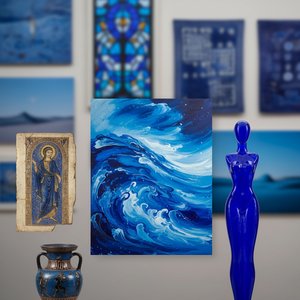
The Allure of Azure: Exploring the Symbolic & Aesthetic Depths of Blue in Art History
Explore the rich history of blue in art! Discover its symbolism, from ancient pigments to modern masterpieces by Kandinsky & Seurat. Uncover the psychological impact and cultural meanings behind this captivating hue.