

 실제 크기로 보기
 보내기
보내기 공유하기
공유하기
 상세 보기
상세 보기 가이드 보기

 이미지 다운로드
 유사 작품 더 보기
 X-레이
X-레이 슬라이드 쇼 보기
 Q&A
Q&A 통계 정보
통계 정보Auguste Pellerin II

- 150.0 x 96.0 cm


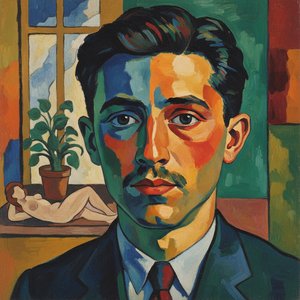
Henri Matisse's 'Auguste Pellerin II' (1916) is a vibrant Fauvist portrait showcasing bold color and form, capturing a contemplative man before a picture frame. Explore this iconic work at The Des Moines Art Center.
 상세 보기
상세 보기
마테리스 화가는 강렬한 색채와 자유로운 표현 기법으로 현대 미술에 혁명을 일으켰습니다. 대표작은 아름다운 정원과 인물들을 그린 그림들로 유명하며, 특히 후기 작품인 콜라주 기법은 그의 예술적 영감을 보여줍니다.
지클레 / 아트 프린트
빠른 제작과 다양한 마감 옵션을 선택할 수 있는 박물관 수준의 지클레이 및 캔버스 프린트. ( 수작업 채색 복제본 주문하기 디지털 이미지 판매 채널로 전환)




P118B ₩10

P118H ₩10

P118W ₩10

P438Z ₩10

P508JH ₩12

P508YH ₩12

P805H ₩10

P805Z ₩10

P919BZ ₩10

P919G ₩10

P919XJ ₩10

P959ZH ₩10

P968JZ ₩12

W106C ₩8

W218G ₩10

W218JH ₩8

W218Y ₩10

W307PJ ₩10

W316G ₩10

W316PJ ₩8

W316Y ₩10

W398PJ ₩8

W4111J ₩10

W500HY ₩15

W500JH ₩15

W692G ₩12

W849H ₩8

W940BG ₩15

W953PJ ₩8




표준 규격
맞춤 제작
CM
INCH
작품의 원본 비율을 그대로 유지하는 프리셋 사이즈 중에서 선택해 보세요.
Loading sizes...

가로 너비
높이
액자나 벽면 크기에 맞춰 필요한 가로와 세로 길이를 입력해 주세요. 프린트는 원본 이미지보다 크게 제작할 수 없으며 오직 자르는 것만 가능하므로, 비율이 다른 사이즈를 선택할 경우 이미지의 일부가 잘려 나갈 수 있습니다. 인쇄 작업에 들어가기 전, 최종 확인을 위해 디지털 목업을 보내드립니다. 이 페이지에 표시된 이미지는 실제 잘리는 영역을 나타내지 않으며, 오직 목업을 통해서만 정확한 확인이 가능합니다.


 유리 옵션은 110cm 미만 크기에서만 선택 가능합니다.

Auguste Pellerin II
지클레 / 아트 프린트
복제본 규격
-


총 결제 금액
₩ 93054
A Moment of Contemplation: Auguste Pellerin II by Henri Matisse
Henri Matisse’s “Auguste Pellerin II,” painted in 1916, is more than just a portrait; it's a carefully constructed tableau of quiet intensity. This oil on canvas, currently residing at The Des Moines Art Center, offers a glimpse into the heart of Fauvist art – a movement defined by its audacious use of color and a radical departure from traditional artistic conventions. Measuring 150 x 96 cm, the painting immediately draws the eye with its vibrant palette and the enigmatic presence of Auguste Pellerin himself, a prominent French margarine magnate who served as a frequent model for Matisse during this period.
Matisse’s decision to portray Pellerin within a frame – a deliberate inclusion that subtly elevates his status – speaks volumes about the artist's approach. The man sits with an air of dignified repose, his hands clasped together in a gesture suggesting both deep thought and perhaps even prayer. His mustache, neatly trimmed, adds to this impression of formality and composure. The background, populated by two indistinct figures, creates a sense of depth and invites the viewer to speculate on their relationship to Pellerin and the scene unfolding before them. The inclusion of a tie near the center of the image – its color ambiguous yet striking – further contributes to the painting’s layered visual language, hinting at either belonging or observation.
The Fauvist Revolution: Color as Emotion
“Auguste Pellerin II” is firmly rooted in the Fauvist movement, a period of intense experimentation that challenged the established norms of art. Matisse, along with artists like André Derain and Maurice de Vlaminck, sought to liberate color from its descriptive function, using it instead as an expressive tool – a direct conduit for emotion. The painting’s palette is remarkably bold: vibrant blues, reds, and yellows dominate, creating a sense of heightened intensity and immediacy. This deliberate departure from the muted tones favored by earlier artists was revolutionary at the time, provoking both admiration and criticism.
Matisse's use of color isn’t merely decorative; it’s deeply symbolic. The warm hues surrounding Pellerin suggest an inner warmth, while the cooler tones in the background create a sense of distance and contemplation. The overall effect is one of controlled dynamism – a visual representation of the complex emotions simmering beneath the surface of the subject's demeanor. This approach aligns perfectly with Matisse’s broader artistic philosophy: to capture not just what he *saw*, but what he *felt*.
A Journey Through Style: From Early Colorism to Geometric Precision
Matisse’s artistic trajectory was marked by a remarkable evolution, and “Auguste Pellerin II” serves as a crucial point in this journey. His early work, exemplified by pieces like "Woman with Fan," showcased an intense colorism, prioritizing the expressive potential of hue above all else. However, as he matured, Matisse developed a more rigorous style, characterized by flattened forms, simplified shapes, and a deliberate rejection of traditional perspective. This shift can be observed in his later works, such as “Dance,” where geometric precision takes precedence over naturalistic representation.
“Auguste Pellerin II” represents a transitional phase – a synthesis of these two approaches. While retaining the bold color palette characteristic of his Fauvist period, Matisse employs a more controlled composition and a subtle sense of spatial depth. The painting demonstrates his growing mastery of form and his ability to imbue even seemingly simple subjects with profound emotional resonance. It’s a testament to his willingness to experiment while simultaneously refining his artistic vision.
Legacy and Influence: A Lasting Impact on Modern Art
Henri Matisse's influence on the course of modern art is undeniable, and “Auguste Pellerin II” stands as a powerful example of his groundbreaking contributions. His fearless exploration of color, coupled with his innovative approach to composition, paved the way for subsequent generations of artists – from Cubists like Picasso and Braque to Abstract Expressionists like Pollock and Rothko. The painting’s emphasis on subjective experience and its rejection of traditional artistic conventions continue to resonate today.
For those seeking a deeper understanding of Matisse's oeuvre, TopImpressionists offers meticulously crafted reproductions of “Auguste Pellerin II,” allowing you to bring this iconic work into your own space. Alongside our reproduction, consider exploring other notable pieces like "Portrait of Saul Stein," which further showcases Matisse’s mastery of color and form. To delve deeper into the life and work of Henri Matisse, we encourage you to visit TopImpressionists.com for comprehensive biographical information and a wealth of additional artworks. You can also find valuable insights on Wikipedia: Henri Matisse.
질의응답
"Auguste Pellerin II"의 색상들은 빛을 어느 정도나 반사하는 것처럼 보이나요?
앙리 마티스의 "Auguste Pellerin II"의 휘도는 Dark입니다. 휘도는 색상이 빛을 얼마나 반사하는지를 나타냅니다.
"Auguste Pellerin II"은(는) 누가, 언제 제작했을까요?
"Auguste Pellerin II"은(는) 1916년에 앙리 마티스에 의해 제작되었습니다.
원작 "Auguste Pellerin II"의 크기는 어떻게 되나요?
원작 앙리 마티스의 "Auguste Pellerin II"의 크기는 150 x 96 cm입니다.
작가 소개
색채의 거장, 앙리 마티스: 삶과 예술
앙리 에밀 베노와 마티스는 1869년 프랑스 북부 작은 마을 레 카토-캄브레시에서 태어났습니다. 법학을 공부하려던 그는 우연히 병으로 입원하며 그림에 눈뜨게 되었고, 어머니에게 받은 물감 세트가 그의 삶의 전환점이 되었습니다. 보앵-앙-베르망두아에서 성장하며 상인의 아들로 평범한 삶을 살았지만, 예술가의 길을 걷기로 결심한 순간부터 그는 색채와 형태로 표현되는 새로운 세계를 향해 나아갔습니다. 파리 학원과 에콜 데 보자르에서 전통적인 기법을 익혔지만, 그의 작품은 곧 자신만의 독특한 목소리를 찾아나갈 준비가 되어 있었습니다.야수파의 탄생과 대담한 실험
1896년 존 러셀과의 Belle Île 방문이 마티스의 예술 세계에 결정적인 영향을 미쳤습니다. 러셀을 통해 인상주의를 접하고, 더욱 중요한 것은 빈센트 반 고흐의 강렬한 색채와 감정을 담은 작품들을 보며 충격을 받았습니다. 이는 그의 팔레트를 변화시키고, 엄격한 재현 대신 감정과 어우러지는 색채를 탐구하도록 이끌었습니다. 이러한 탐색의 결과로 1905년 야수파가 등장했습니다. ‘야수’라는 이름은 비평가들이 그들의 강렬하고 비전통적인 작품에 붙인 조롱이었지만, 마티스와 앙드레 데랭, 모리스 드 블라멩크 등은 색채를 독립적인 표현 수단으로 활용하며 미술계에 새로운 바람을 일으켰습니다. 호박들(1905)과 같은 작품에서 볼 수 있듯이, 그는 전통적인 원근법을 무시하고 순수한 색면을 사용하여 강렬한 시각적 효과를 만들어냈습니다. 야수파는 짧은 기간 동안 존재했지만, 현대 미술의 흐름을 바꾸는 데 중요한 역할을 했습니다.장식과 조화: 예술의 진화
야수파 운동 이후 마티스는 더욱 세련된 스타일로 나아갔습니다. 색채에 대한 사랑을 포기하지 않으면서도, 그의 작품은 장식적인 아름다움을 강조하고 형태를 단순화하는 경향을 보였습니다. 프랑스 리비에라의 니스에서 정착하면서 지중해의 햇살과 여유로운 분위기가 그의 예술에 반영되었고, 평온함과 고전적인 균형미가 느껴지는 작품들을 탄생시켰습니다. 그는 회화뿐만 아니라 도자기, 직물 등 다양한 매체를 통해 자신의 예술적 비전을 확장했습니다. 단순한 장면 묘사를 넘어, 특정한 감정을 불러일으키는 환경을 구축하고자 했습니다.제한 속의 혁신: 종이 콜라주
건강 악화로 인해 전통적인 회화 기법을 사용하기 어려워지자, 마티스는 종이 콜라주라는 새로운 예술 영역을 개척했습니다. 1947년부터 시작된 이 작업은 필연에 의해 촉발되었지만, 곧 그의 예술적 탐구의 중요한 단계가 되었습니다. 그는 넓은 종이를 다채로운 색상으로 칠한 후, 가위로 잘라낸 형태들을 캔버스 위에 배열하여 역동적이면서도 간결한 작품을 창조했습니다. 이러한 콜라주들은 단순히 회화의 대체재가 아니라, 색과 형태에 대한 새로운 사고방식을 제시하며 그의 예술적 유산을 더욱 풍성하게 만들었습니다. 종이 콜라주는 그에게 순수한 형태와 색채를 얻는 데 유리했을 뿐만 아니라, 이전 작품들의 주제와 모티프를 새롭고 혁신적인 방식으로 재해석할 수 있는 기회를 제공했습니다.현대 미술에 미친 영향: 마티스의 유산
1954년 니스에서 세상을 떠난 앙리 마티스는 현대 미술사에 지대한 영향을 미쳤습니다. 그는 전통적인 표현 방식을 거부하고 색채의 힘을 옹호하며, 후대 예술가들에게 영감을 주었습니다. 파블로 피카소와 함께 20세기 미술을 정의한 주요 인물 중 한 명으로 평가받으며, 그의 작품은 전 세계 박물관과 개인 소장품에서 감상할 수 있습니다. 마티스는 단순한 그림쟁이가 아니라, 색채, 조화, 그리고 무한한 가능성으로 가득 찬 세상을 창조하고자 했던 예술가였습니다. 그는 우리가 세상을 보는 방식을 바꾸었고, 그의 유산은 오늘날까지도 현대 미술에 깊은 영향을 미치고 있습니다.
앙리 마티스
1869 - 1954 , 프랑스
작가 정보 요약
- 국적: 프랑스
- 대표 작품:
- 호박들
- 흰 터번을 쓴 로레트
- 사망일: 1954년 11월 3일
- 영향을 받은 예술가:
- 모던 미술
- 표현주의
- 영향을 준 예술가:
- 반 고흐
- 샤르댕
- 러스
- 예술 사조: 포비즘 (Fauvism)
- 전체 이름: 앙리 에밀 베노와 마티스
- 출생일: 1869년 12월 31일
- 출생지: 르 카토-캄브레시, 프랑스
관련 기사

르누아르 명작 25선: 빛과 색채로 물든 삶의 순간들 | TopImpressionists
빛과 색채의 마법사 르누아르! 인상주의 대표 화가 르누아르의 명작 25선을 만나보세요. '물랭 드 라 갈레트', '우산 속의 소녀들' 등 시대를 초월하는 아름다움을 TopImpressionists에서 감상하고, 특별한 공간을 완성하세요. 지금 바로 온라인 컬렉션을 탐험하세요!
Henri Matisse: A Revolutionary Use of Color and Form in Modern Art
Explore the revolutionary art of Henri Matisse! Discover his bold use of color, Fauvist origins, and lasting impact on modern painting. A comprehensive guide for art enthusiasts.

Fauvism's Boldest Visions: 10 Masterpieces That Revolutionized Modern Art | TopImpressionists
Explore 10 Fauvist masterpieces by Matisse, Derain & Vlaminck that ignited Modern Art! Discover bold colors, expressionist landscapes & the history of this revolutionary movement. Find museum-quality prints at TopImpressionists.com.

fauve 미술을 정의한 10대 걸작: 강렬한 색채와 혁신적인 표현의 세계
fauve 미술의 심장을 뛰게 하는 10대 걸작! 모리스 드니, 마티스 등 거장의 강렬한 색채와 혁신적인 표현을 만나보세요. 예술 작품 감상부터 인테리어 디자인 영감까지, TopImpressionists.com에서 명품 아트 프린트를 찾아보세요.

앙리 마티스의 걸작 25선: 색채와 감각의 혁신을 만나다 | TopImpressionists
앙리 마티스의 시대를 초월하는 걸작 25선을 만나보세요. 색채주의, 야수파를 대표하는 그의 삶과 예술 세계를 탐험하고, TopImpressionists에서 명화 복제본으로 거실 인테리어에 감동을 더하세요. 지금 바로 컬렉션을 확인하세요!


